
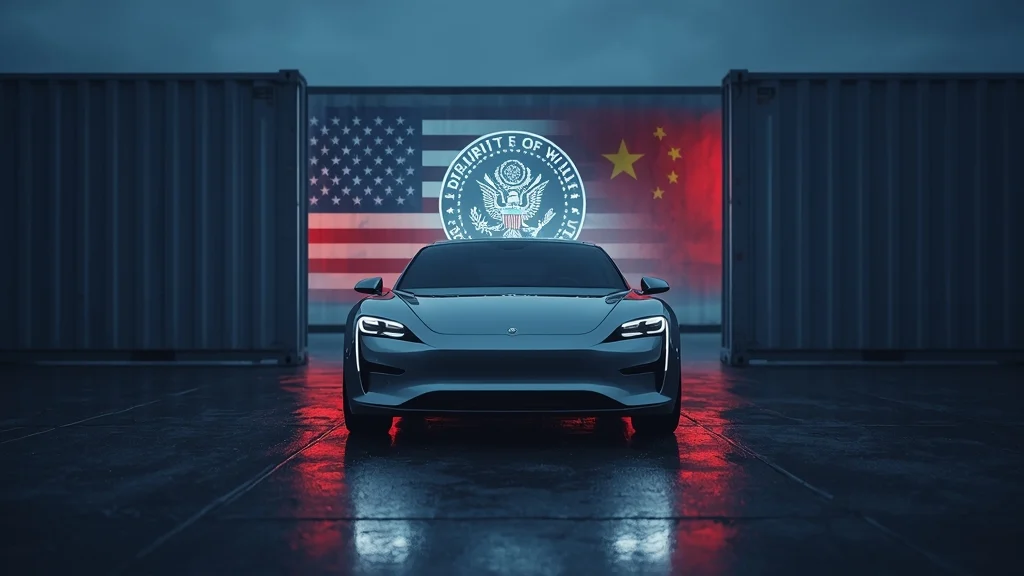
Democratic senators warn of security risks and call on President Trump to ban Chinese automakers from the US market. Get the full details here.
A growing coalition of Democratic lawmakers is sounding the alarm over the potential entry of Chinese automotive giants into the United States. In a direct appeal to President Donald Trump, three prominent senators are calling for a total ban on Chinese car manufacturers establishing production facilities on American soil.
Security Concerns Over Economic Incentives
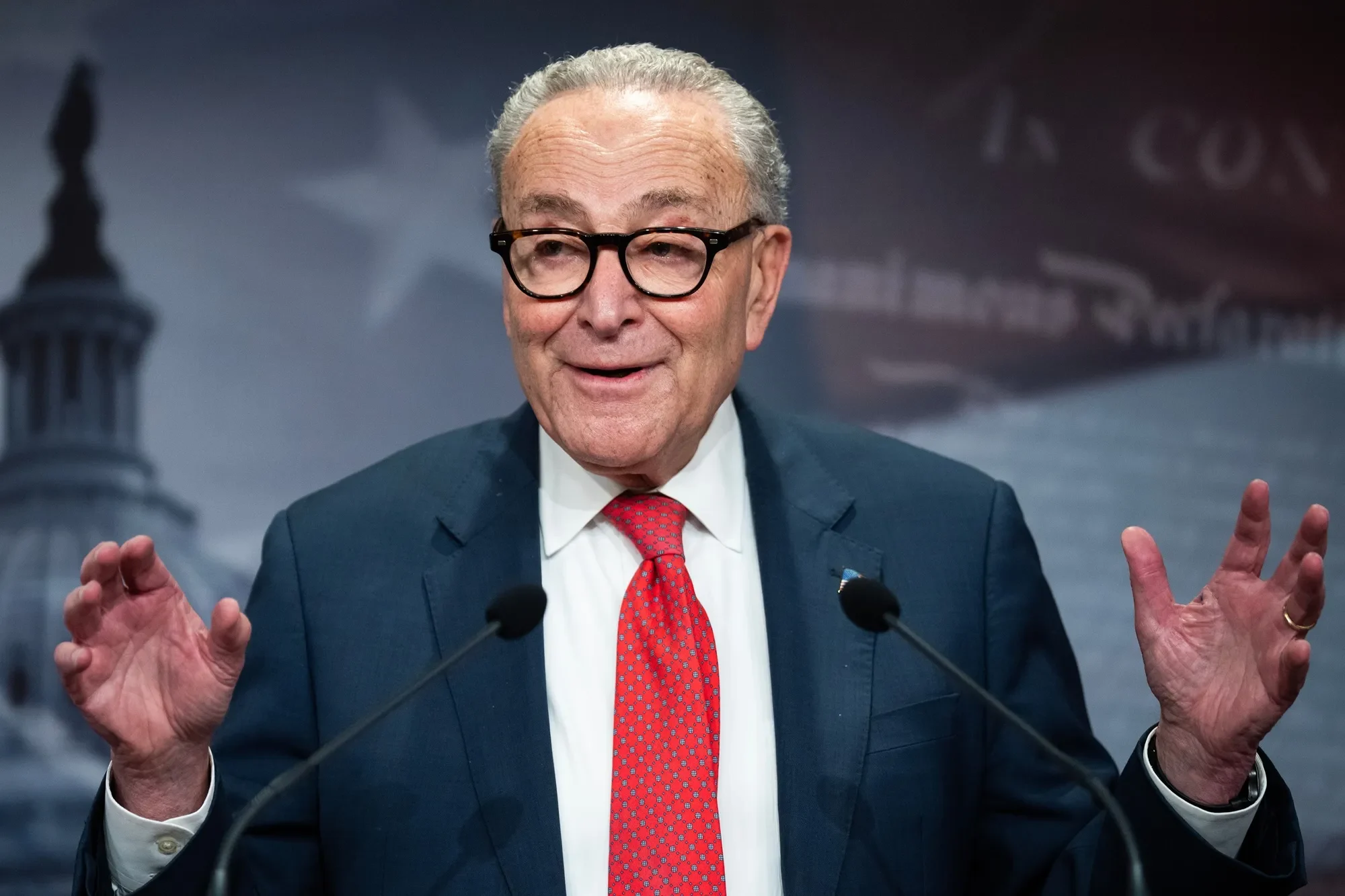
Senators Tammy Baldwin, Elissa Slotkin, and Chuck Schumer recently sent a formal letter to President Trump expressing deep concern over his previous remarks. During a speech in Detroit in January 2026, the President indicated an openness to welcoming Chinese automakers if they were willing to build factories and hire local workers within the U.S.
The senators argue that this openness could be a strategic mistake. In their letter, they emphasized that allowing Chinese firms to set up local operations would grant them an “insurmountable economic advantage” over domestic brands, while simultaneously triggering an “irreversible national security crisis.”
A Bipartisan Trend Toward Protectionism
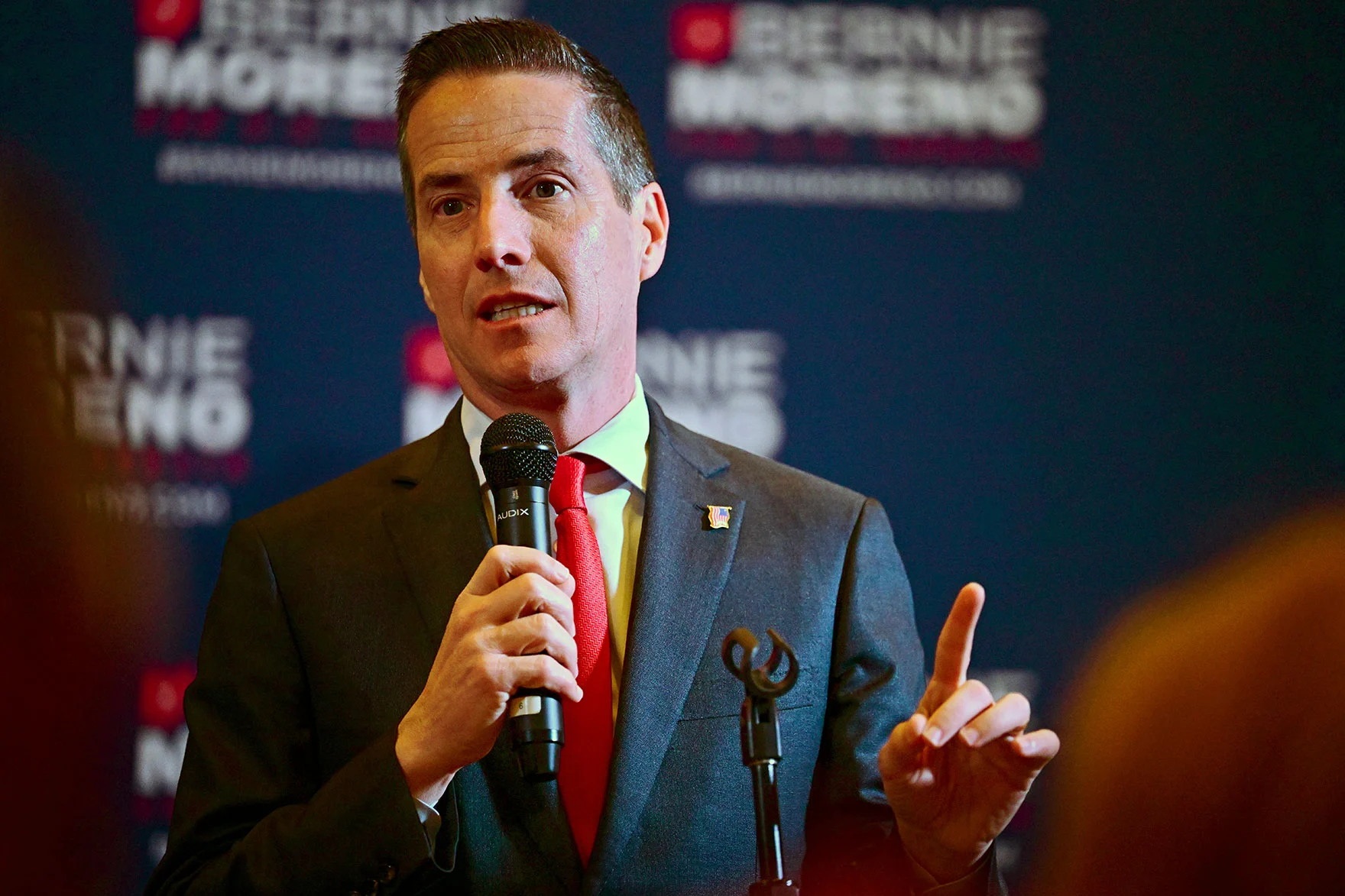
While the push comes from the Democratic side, the sentiment of restricting Chinese automotive influence is not limited to one party. Republican Senator Bernie Moreno has signaled his intent to propose legislation designed to “seal off” the U.S. market entirely. Moreno’s proposal aims to ensure that no Chinese-linked vehicles—whether through hardware, software, or joint ventures—can penetrate the domestic market.
The debate centers on a critical trade-off: short-term job creation versus long-term industrial viability. Democratic lawmakers warned that while new factories might create a handful of immediate jobs, these gains would be vastly outweighed by the long-term devastation of the American automotive workforce.
The Case Against BYD and Military Links
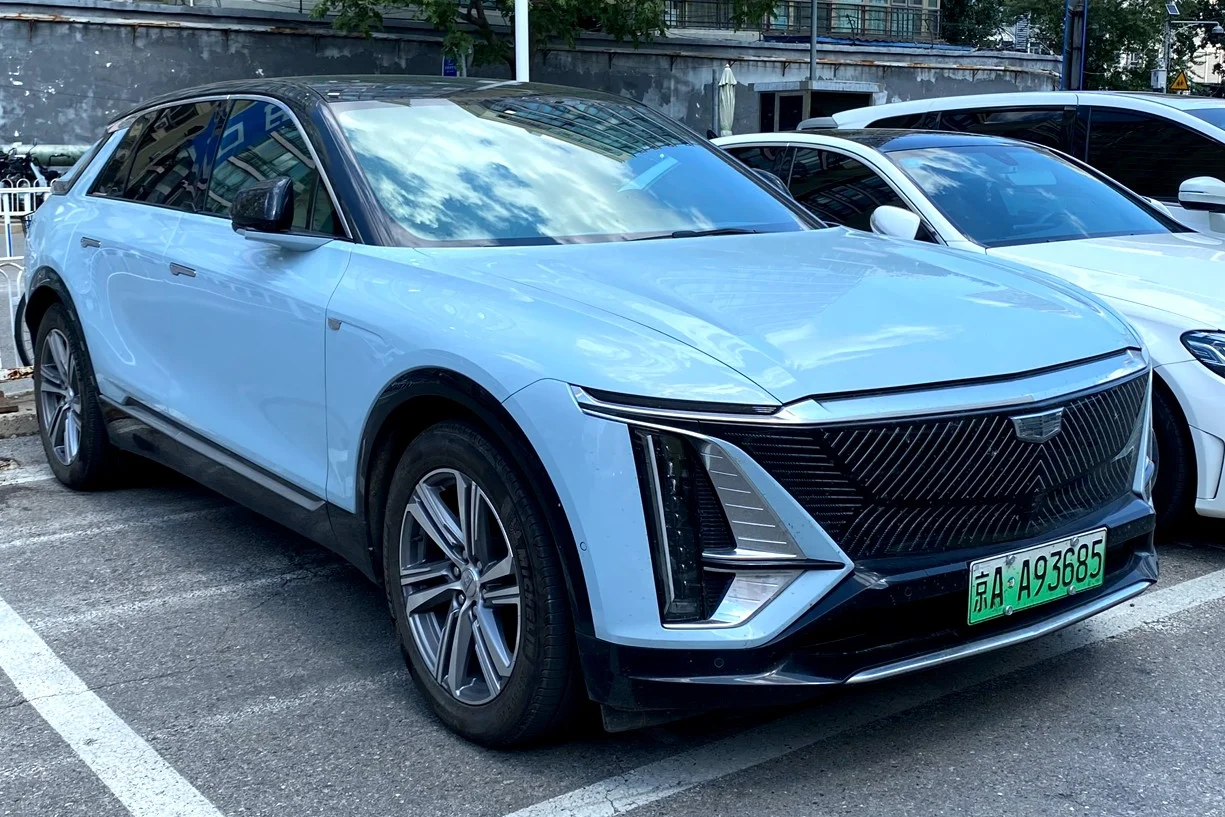
Beyond factory construction, the senators are urging the administration to act swiftly in designating Chinese automakers, specifically mentioning BYD, as entities with military links. This move would place these companies on a restrictive list, further limiting their ability to operate or trade within the U.S. economic ecosystem.
The Global Tug-of-War
The White House has maintained a delicate balance, stating that while the administration seeks investment to revitalize American industry, “national security is not up for negotiation.”
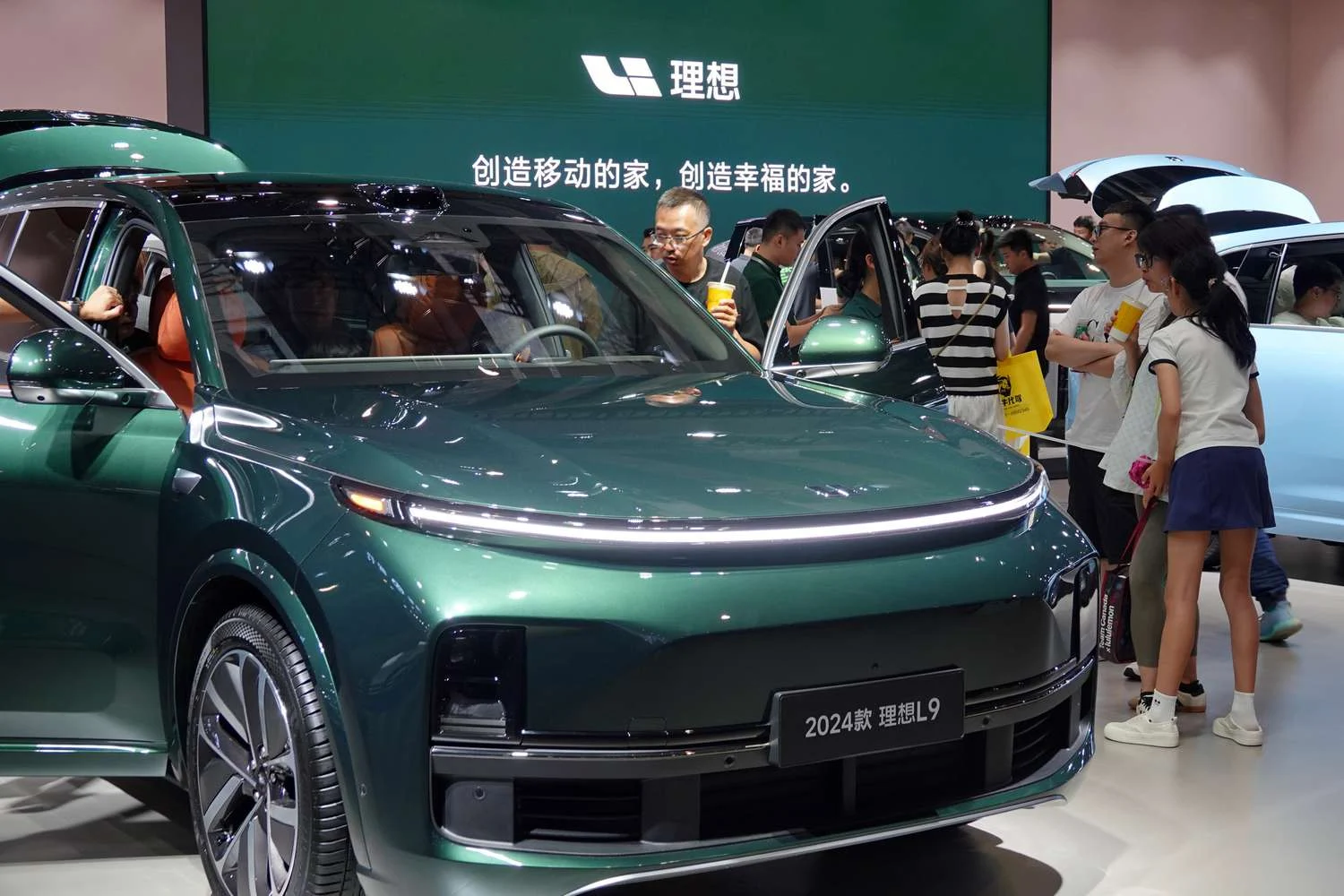
Meanwhile, Beijing has hit back, accusing Washington of pursuing aggressive trade protectionism. Chinese officials claim that the U.S. is erecting unfair barriers and implementing discriminatory subsidy policies to stifle the growth of Chinese automotive exports.
Current Market Barriers and Future Outlook
Currently, Chinese vehicles face steep hurdles in the U.S., including tariffs that can reach up to 100%. Additionally, the Biden administration previously implemented strict regulations in January 2025 that effectively banned Chinese passenger vehicles due to fears that these cars could be used for sensitive data collection from American users.
Despite these barriers, consumer interest in Chinese EV models is reportedly rising. This creates a complex challenge for the U.S. government as it balances consumer demand and economic growth against national security. With a high-stakes meeting scheduled for May between President Trump and Chinese President Xi Jinping, industry associations are urging the U.S. government to maintain a hardline stance to protect the future of the domestic car industry.