
BYD faces a major blow as Brazil blacklists the EV giant over slave-like labor conditions. Discover how this impact’s BYD’s global reputation.
In a shocking development that threatens its expansion in South America, the Chinese electric vehicle (EV) powerhouse BYD has been added to Brazil’s official “dirty list” of companies accused of using slave-like labor. This move comes after a series of harrowing revelations regarding the treatment of Chinese workers employed by the company’s contractors.
A Reputational Crisis in a Key Market
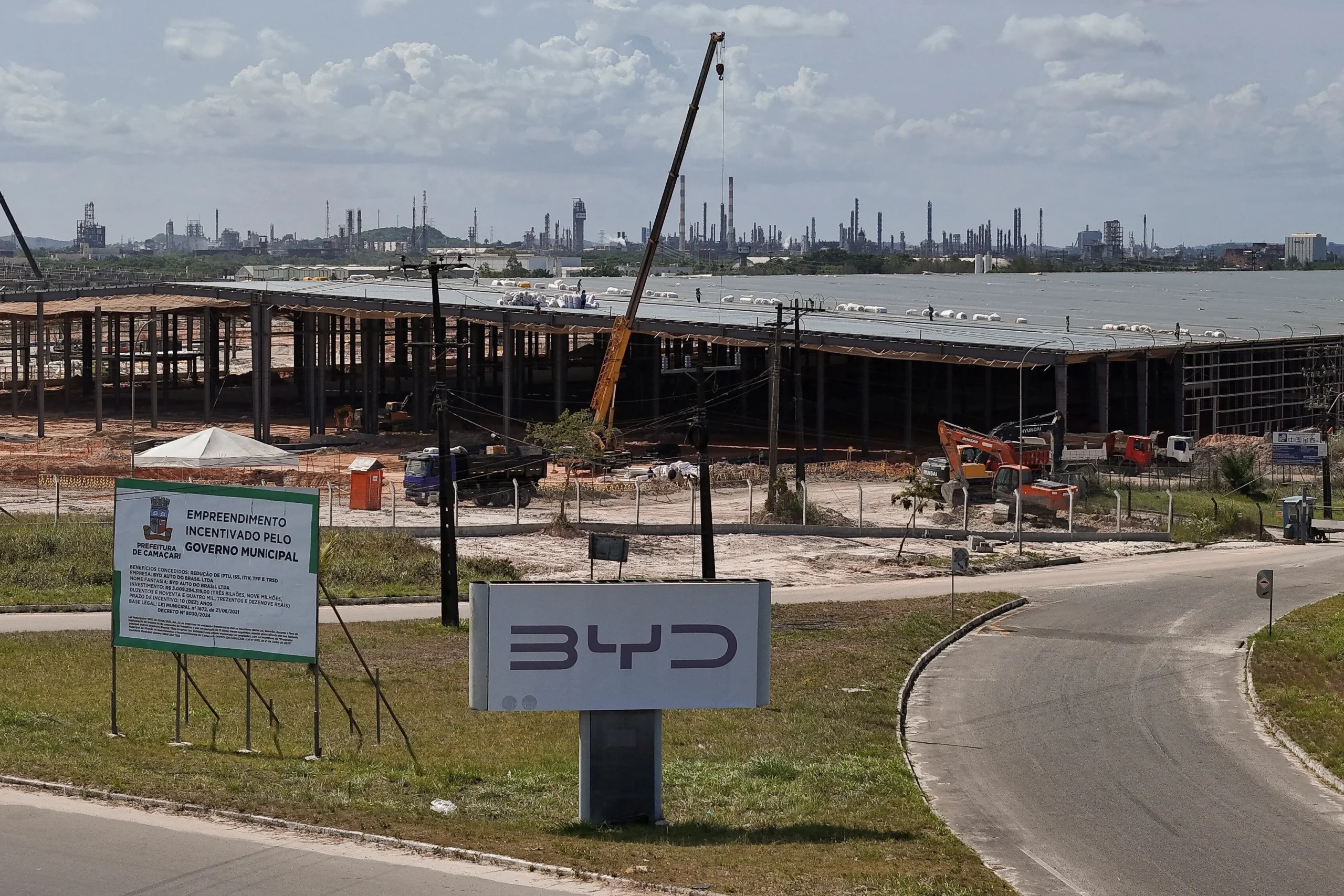
Brazil represents BYD’s largest market outside of China, making this blacklisting a significant strategic and reputational blow. While the listing does not immediately halt the operations of BYD’s sole automotive plant in the country, the consequences are far-reaching. Most notably, the company now faces restricted access to several credit lines and loans from Brazilian banks, which could hamper future local investments.
The Heart of the Scandal: Exploitation and Human Trafficking
The controversy centers on 163 Chinese workers recruited through the Jinjiang Group, a third-party contractor. These workers were allegedly victims of human trafficking and subjected to exploitative labor contracts. While the Jinjiang Group has denied all allegations, and BYD claimed it was unaware of the abuses until they were exposed by the Brazilian media, authorities argue the EV giant is ultimately responsible for overseeing its supply chain.
Dehumanizing Conditions and Coercion
Leaked labor contracts and official investigations paint a grim picture of the workers’ lives. The allegations include:
- Passport Seizure: Workers were forced to hand over their passports to their employers, effectively stripping them of their freedom of movement.
- Wage Theft: A significant portion of their earnings was withheld and transferred back to China.
- Financial Barriers: Workers were required to pay a deposit of nearly $900, which was only refundable after six months of labor.
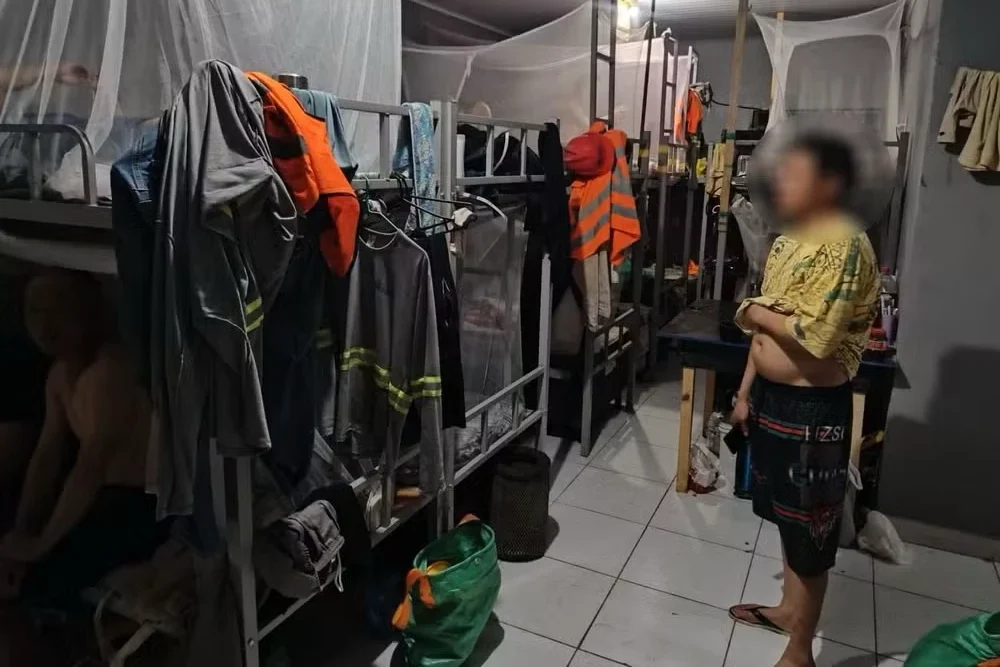
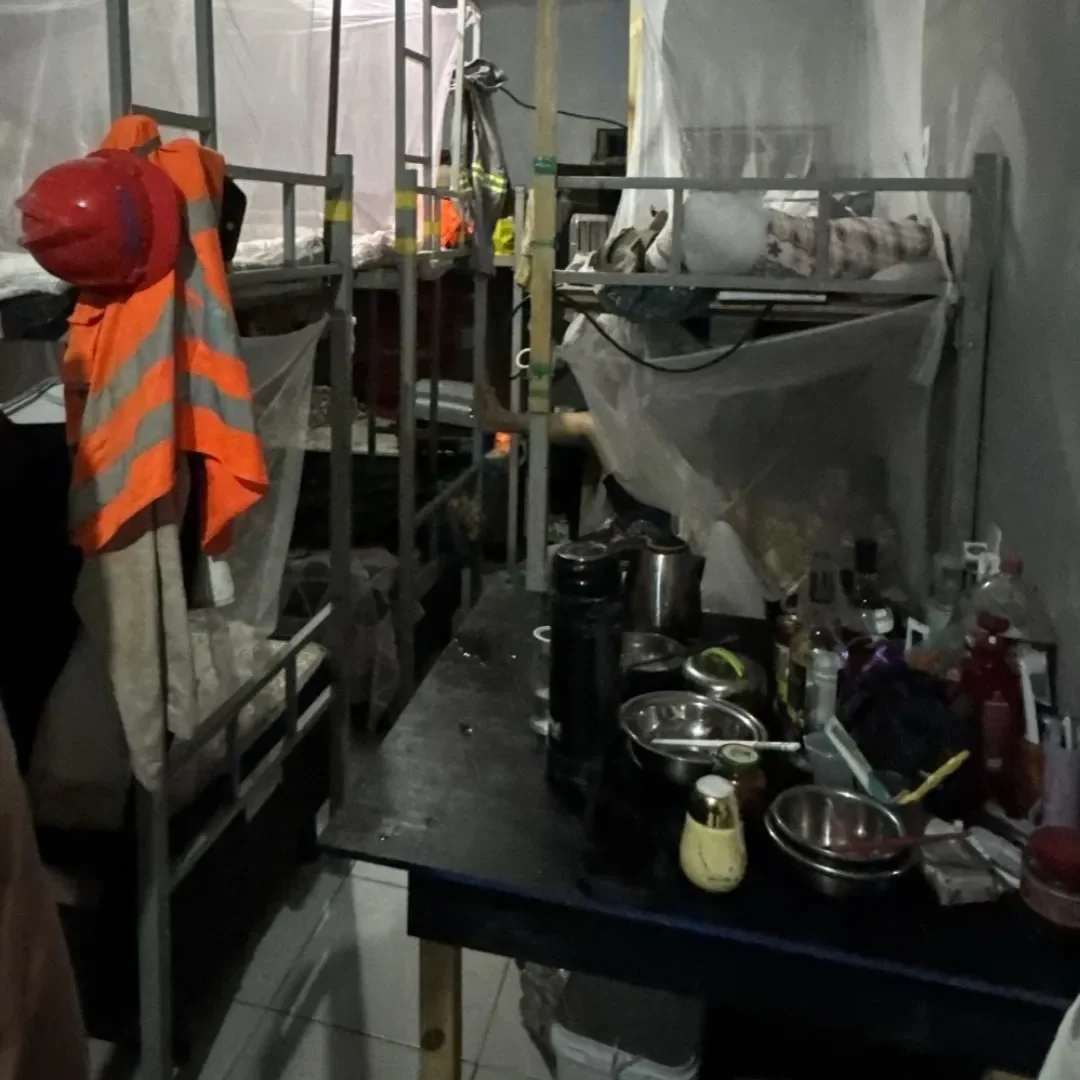
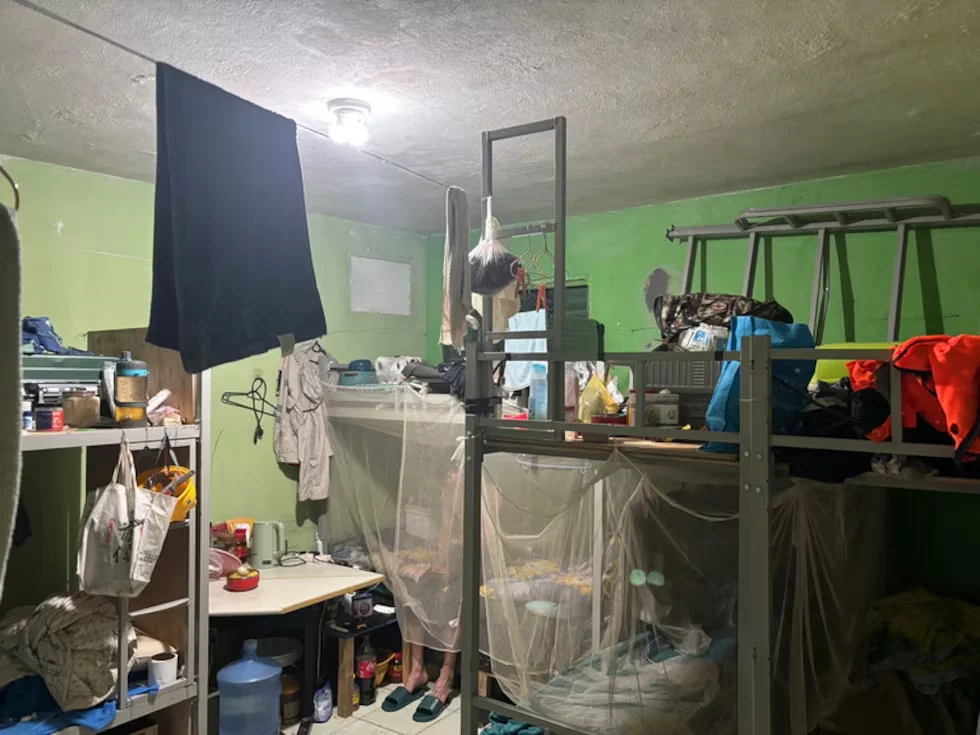
Beyond the financial exploitation, inspectors discovered living conditions described as “dehumanizing.” Many workers were crowded into dwellings without mattresses; in one instance, 31 people shared a single bathroom, with food and personal belongings scattered across the floor.
Political Irony and Legal Deadlocks
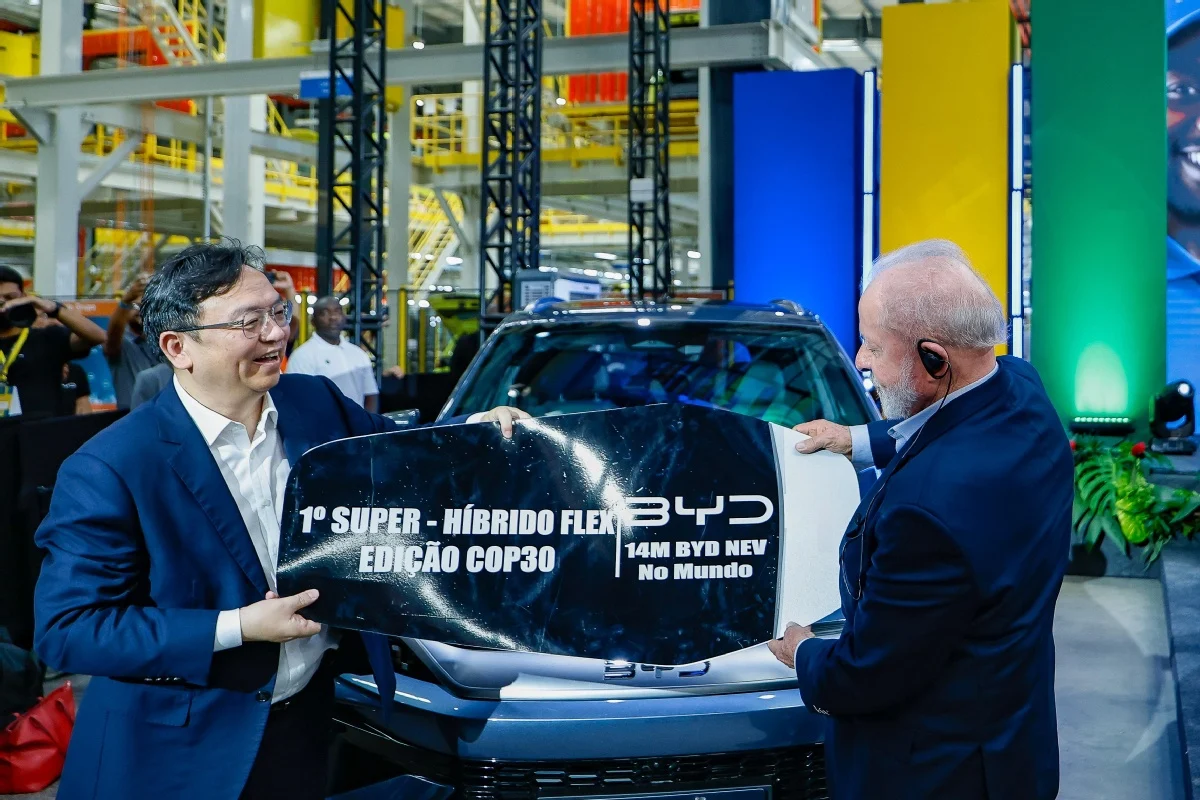
The timing of the scandal is particularly awkward for BYD. The company had seemingly been navigating the crisis successfully, with Brazilian President Luiz Inácio Lula da Silva attending the factory’s inauguration in October 2025 (highlighting the strong diplomatic ties between Brazil and China). To date, the plant has already produced over 25,000 vehicles.
Under Brazilian law, companies can avoid being blacklisted if they sign an agreement with the government to improve labor conditions and compensate the affected workers. Although BYD reached an agreement with labor prosecutors, they failed to sign a similar agreement with labor inspectors—a critical step that led to their official listing.
What Happens Next?
Companies are only added to the “dirty list” after all administrative appeals have been exhausted. Once listed, a company must remain on the list for two years, unless a court ruling grants an early removal. For BYD, this period will be a test of its commitment to ESG (Environmental, Social, and Governance) standards as it attempts to maintain its image as a sustainable leader in the global transition to green energy.