
Is the sedan era ending in Vietnam? Discover why sales are plummeting and how SUVs are taking over the market. Read the full analysis.
For years, the sedan was the undisputed king of the Vietnamese road. From budget-friendly B-segment commuters to sporty C-segment rides and opulent D-segment executive cars, the variety was vast, catering to every wallet and lifestyle. However, the tide is turning. The Vietnamese automotive landscape is witnessing a significant cooling-off period for sedans, marked by plummeting sales and the quiet exit of several iconic models.
The Numbers Game: A Stark Contrast
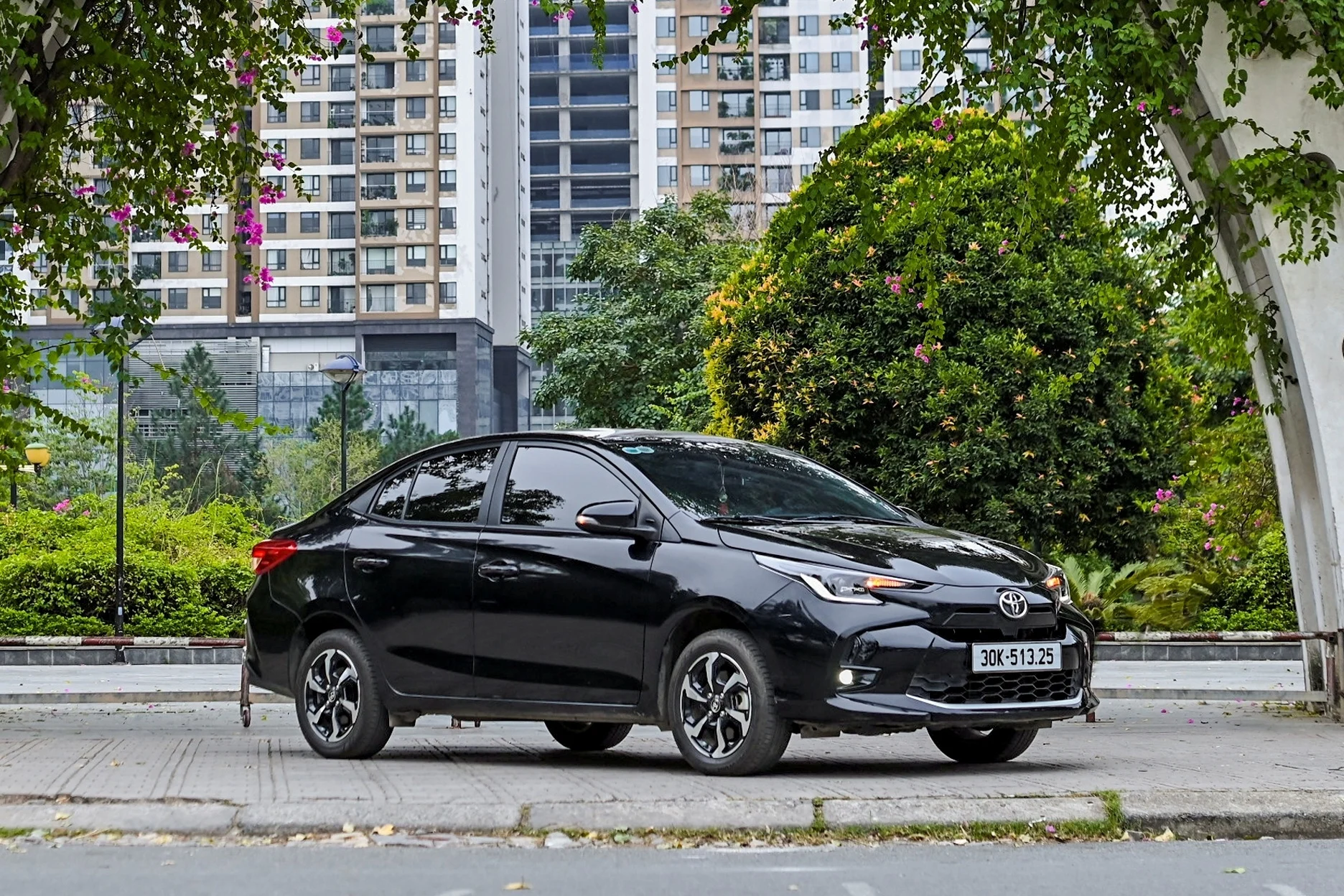
Recent data from the Vietnam Automobile Manufacturers Association (VAMA) and TC Motor paints a sobering picture. In March, the Toyota Vios stood as the lone survivor, being the only sedan to cross the 1,000-unit sales mark with 1,004 vehicles. While this keeps the Vios at the top of the B-segment and makes it the best-selling sedan in the country, it also highlights how far the rest of the pack has fallen.
The gap between the leader and the followers is widening. No other sedan managed to break the 500-unit barrier in March. The numbers tell a story of struggle:
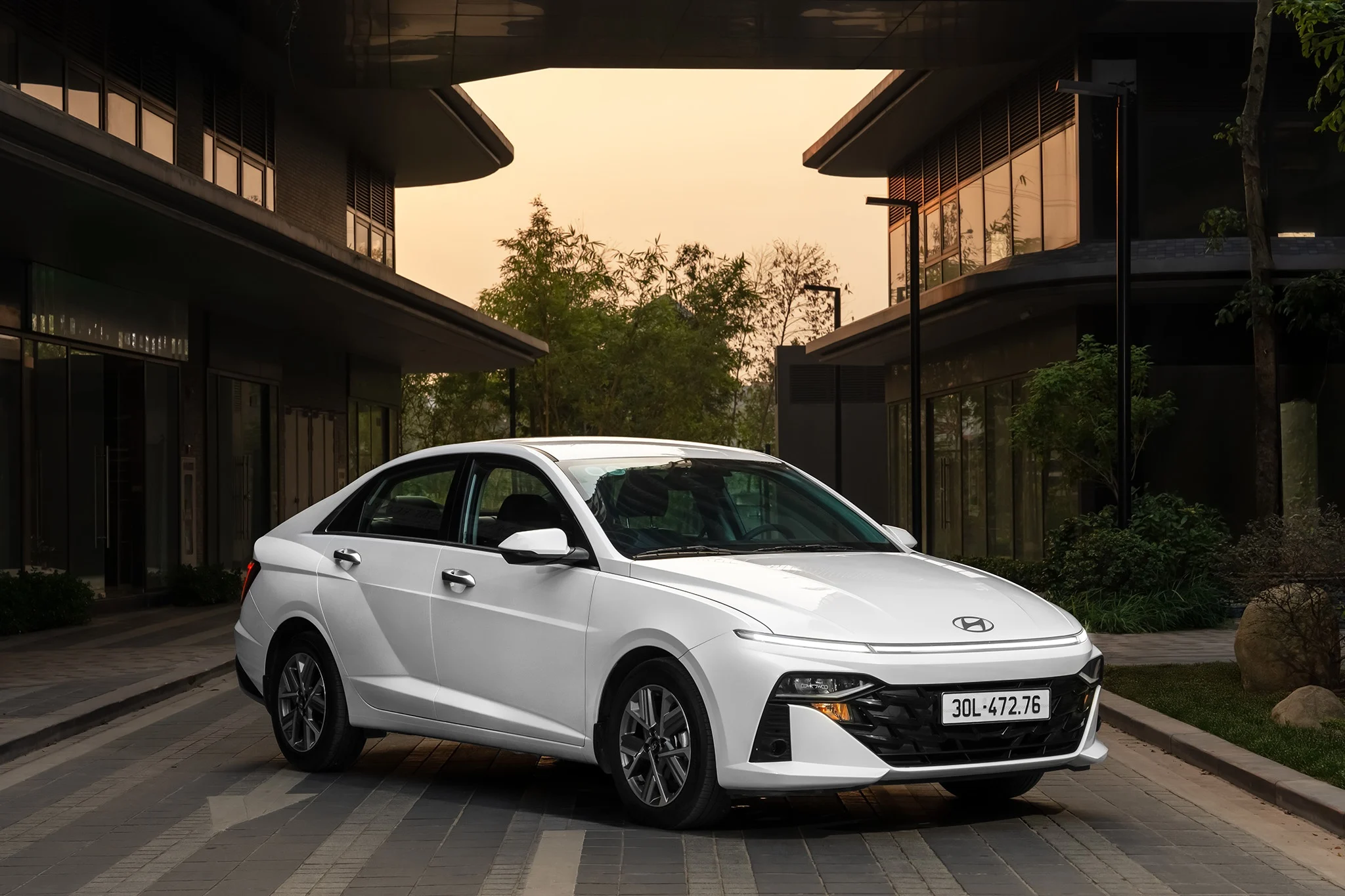
- Mazda2: 433 units
- Honda City: 398 units
- Hyundai Accent: 369 units
- Mazda3: 305 units
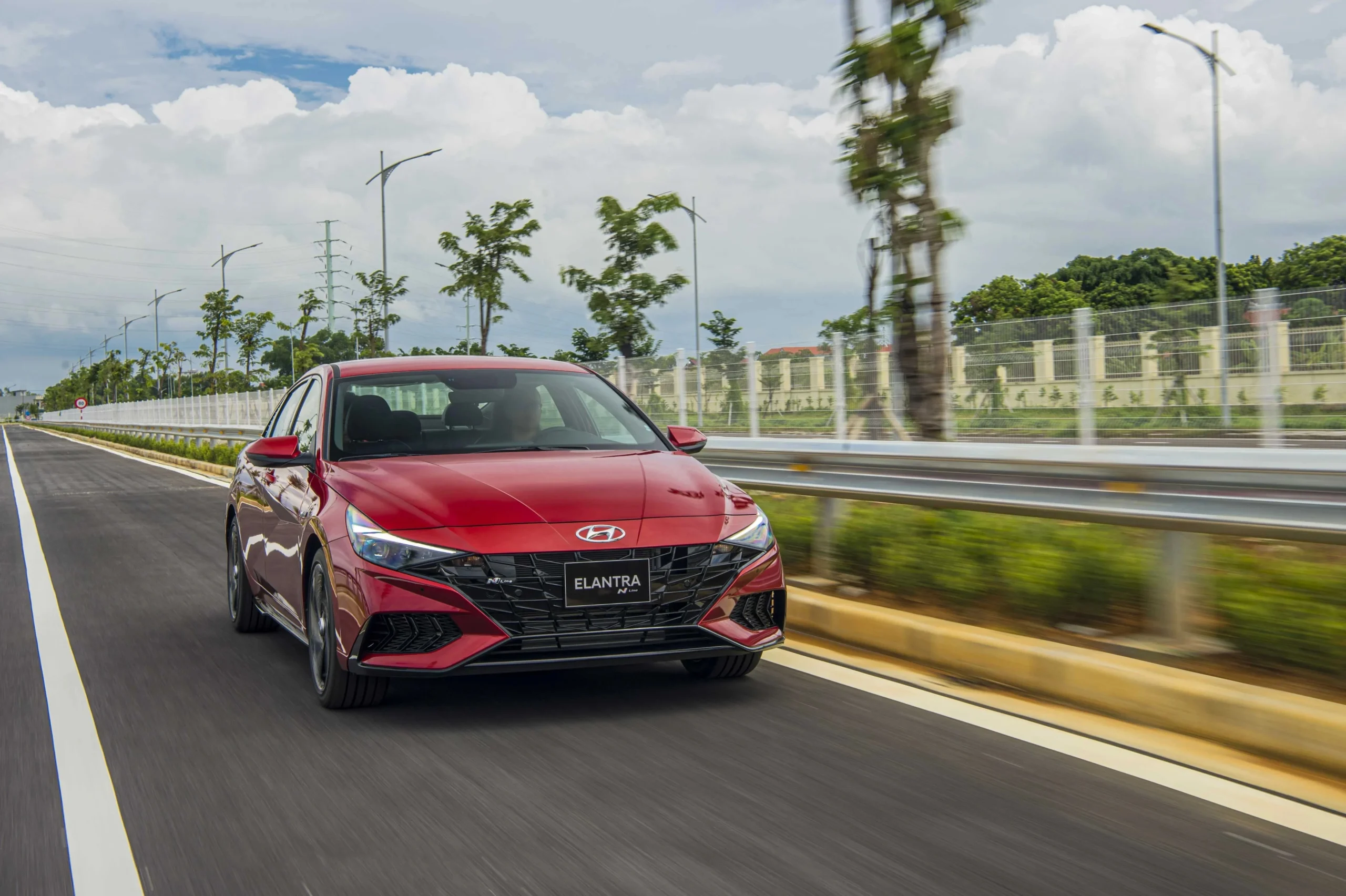
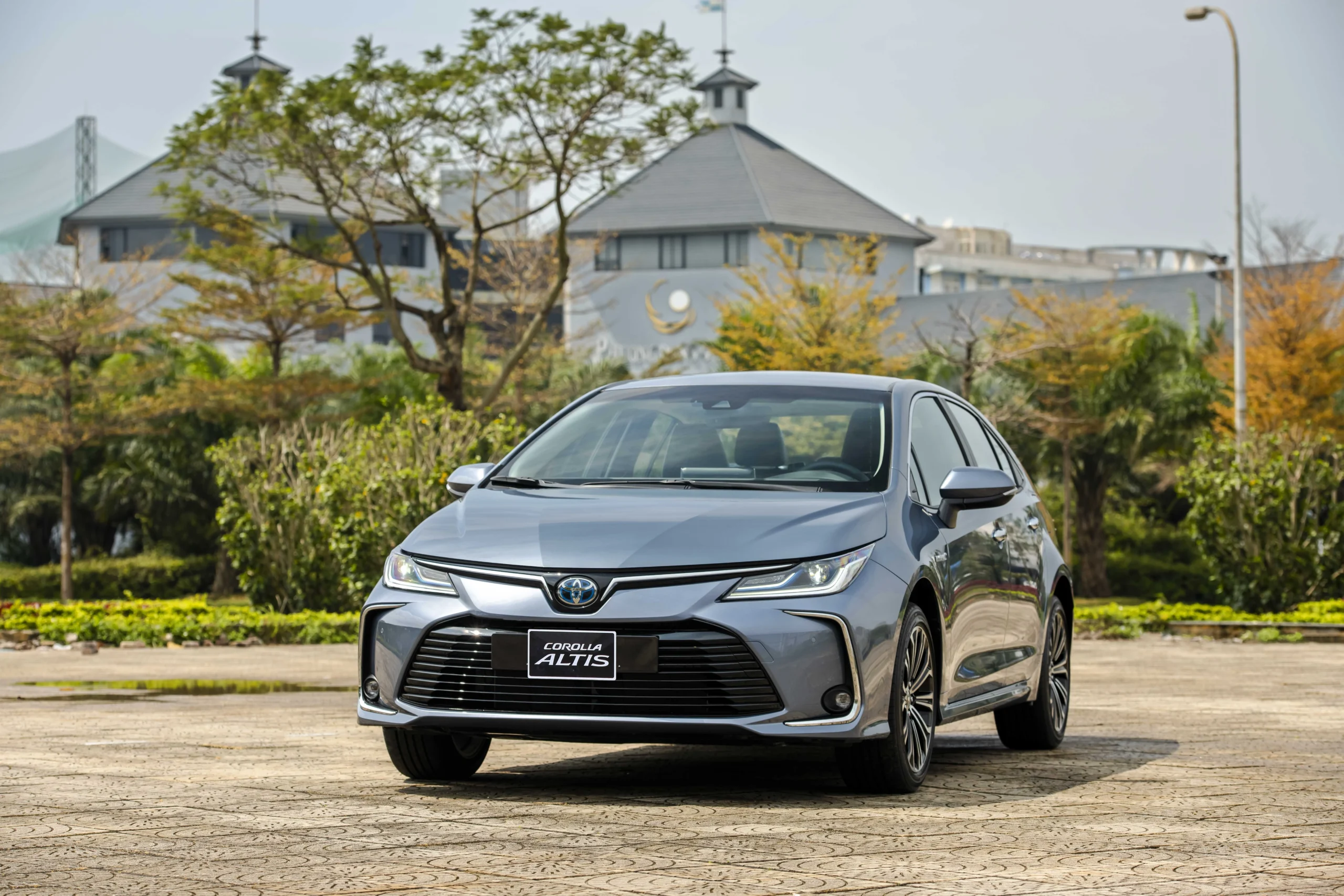
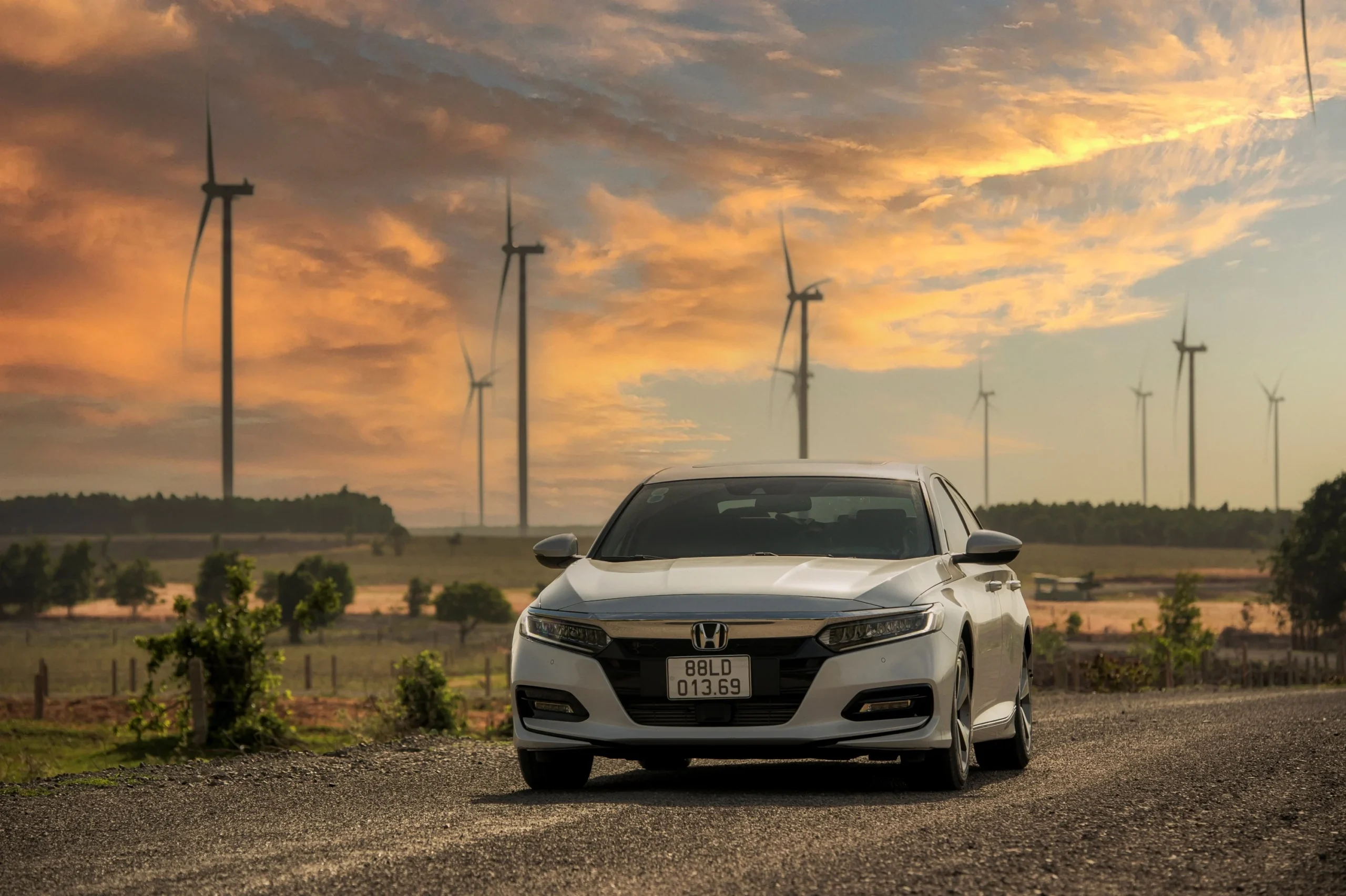
The situation is even more dire for higher-end models. The Toyota Camry sold 152 units (121 of which were hybrids), while the Honda Civic followed closely with 148 units. At the bottom of the barrel, the Hyundai Elantra and Toyota Corolla Altis recorded a meager 36 and 5 units respectively, signaling a near-total collapse in interest for certain models.
From Market Dominance to Marginalization
To understand the gravity of the situation, we have to look back at 2022. Back then, the Toyota Vios and Hyundai Accent were locked in a fierce battle for the overall market crown. In 2022 alone, the Vios peaked at 23,529 units—averaging nearly 1,960 cars per month. Fast forward to the present, and that volume has vanished.
By 2023, the competition shifted. Only the Hyundai Accent remained a serious contender for the top spot, fighting against the Mitsubishi Xpander (an MPV). 2023 also marked the final year that three different sedans were featured in Vietnam’s top 10 best-selling vehicles list. Today, the Vios is often the sole representative of its body style in the top rankings.
The Great Disappearance
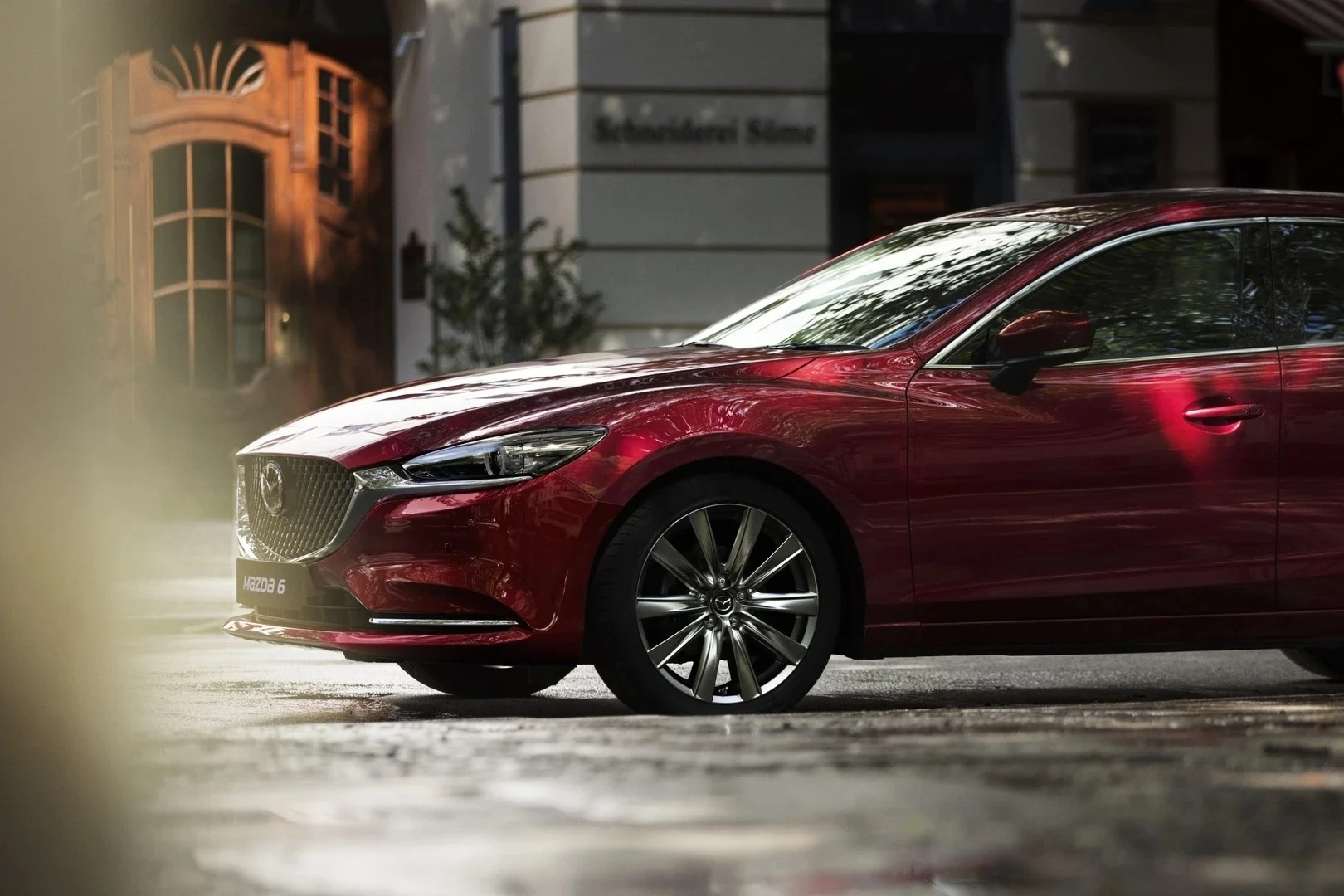
It isn’t just about lower sales; sedans are physically disappearing from the market. The trend began with the Suzuki Ciaz exiting around June 2024. Shortly after, the Honda Accord and Mazda6 quietly vanished from their respective manufacturers’ official websites.
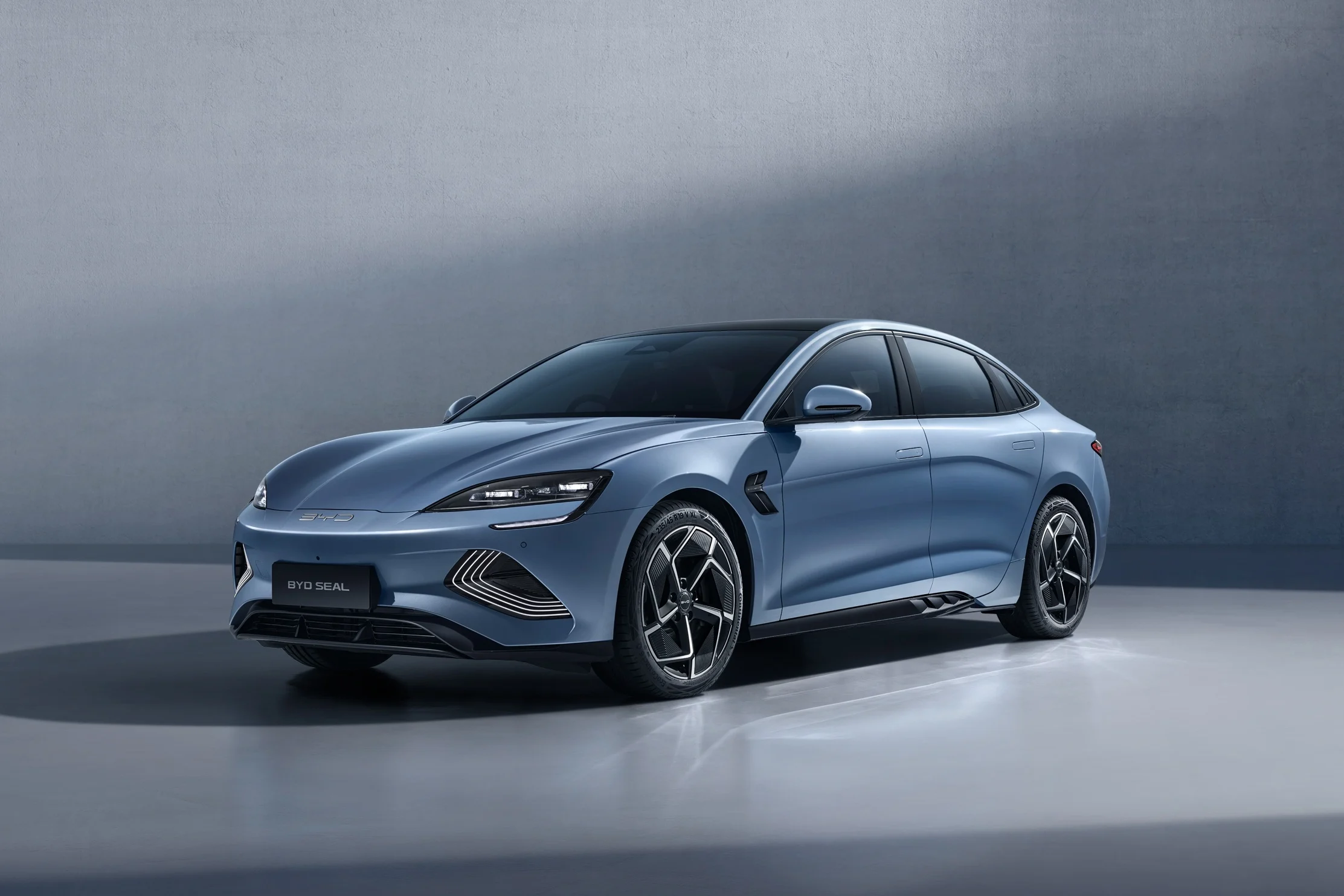
Even brands that remain are distancing themselves from the segment. Kia’s lineup—including the Soluto, K3, and K5—has been lumped into a generic “Other” category in VAMA reports. This group combined for only 536 units over three months, obscuring the individual failure of these models.
The D-segment (mid-size luxury) has been hit hardest. Currently, the Toyota Camry is virtually the only major player left, yet even it struggles to maintain significant momentum.
Why is This Happening?
The decline of the sedan isn’t an isolated event but a reflection of broader global and local shifts. Several factors are converging to push Vietnamese consumers away from sedans:
- The SUV & Crossover Wave: Higher ground clearance is highly valued in Vietnam to navigate urban flooding and uneven roads.
- Electrification: The rise of EVs is coinciding with a preference for SUV body styles, as seen with new entries from brands like BYD.
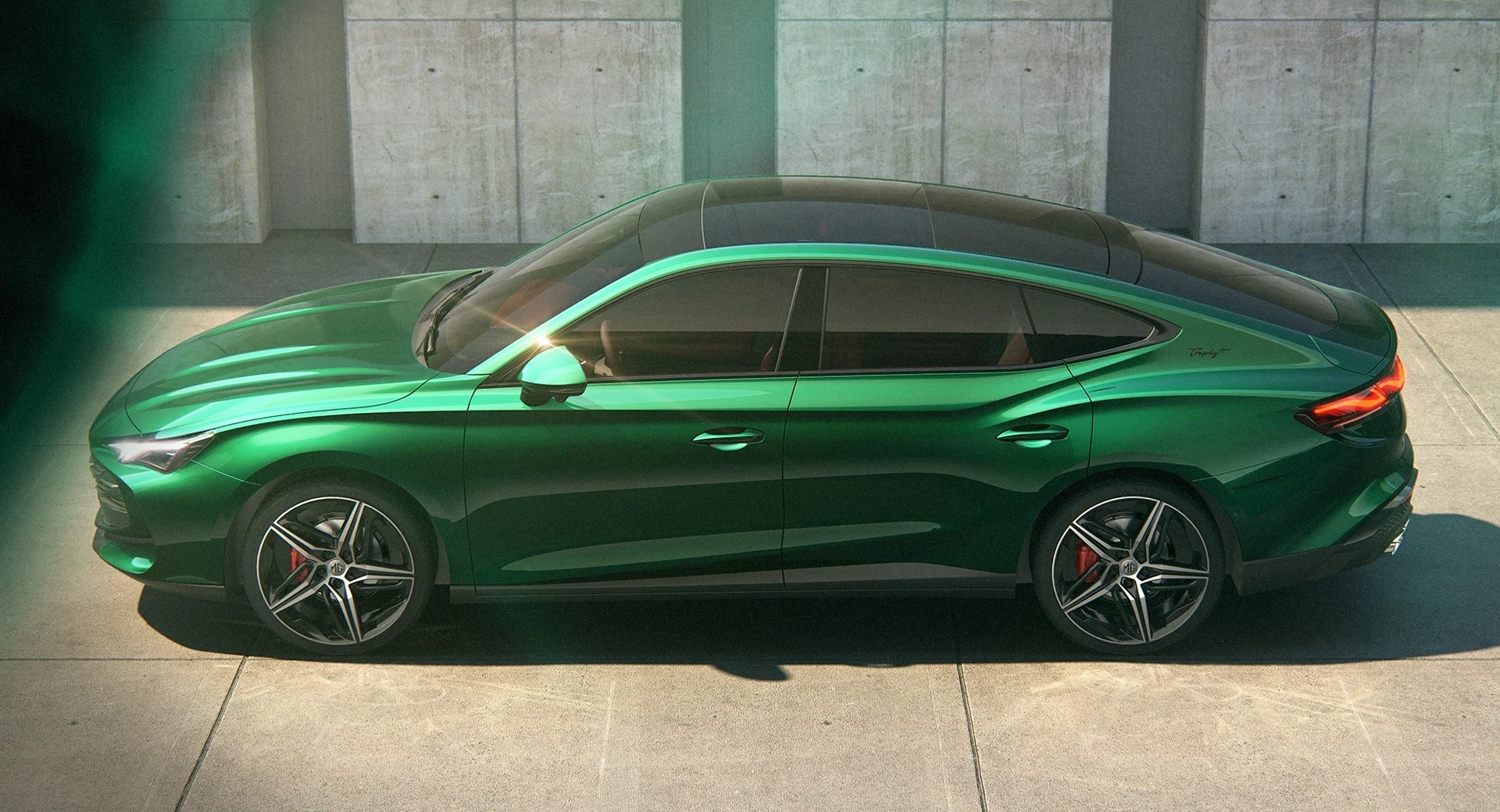
- New Competition: While Chinese brands like MG (MG5, MG7) and BYD (Seal, Han), as well as European brands like Skoda, have introduced sedans, they have yet to make a significant dent in consumer preferences.
Conclusion: An Uncertain Future
The evidence is clear: the era of sedan dominance in Vietnam is fading. While the Toyota Vios continues to cling to its lead through brand loyalty and reliability, the overall segment—particularly the C and D classes—is facing a precarious future. As the market pivots toward versatility and electrification, the traditional sedan may soon become a niche choice rather than a primary household staple.