
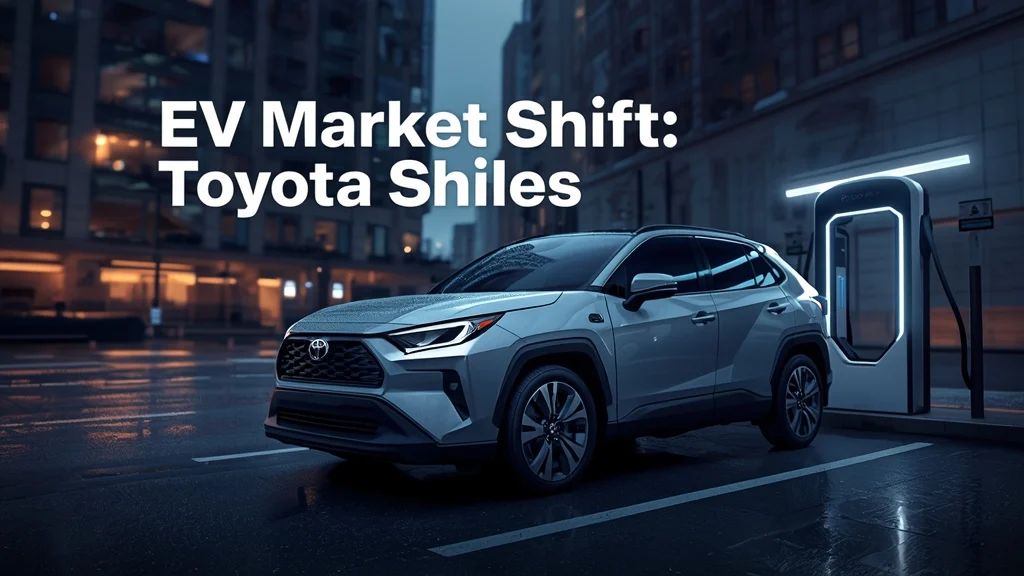
US electric vehicle sales slump after tax credit cuts, but Toyota surges by 79%. Discover the new reality of the US EV market here.
The American electric vehicle (EV) landscape is undergoing a seismic shift. In the first quarter of 2026, US EV sales plummeted by 27% compared to the same period last year, signaling a challenging transition for the industry as it grapples with the loss of critical government support.
The Tax Credit Cliff: A Major Market Correction
The sharp decline is widely attributed to the removal of the $7,500 federal tax credit, a decision implemented by President Donald Trump’s administration in late September of the previous year. This policy change effectively stripped away a primary incentive for many middle-class buyers, leading to a significant market correction.
The slump didn’t happen overnight. The market had already seen a dramatic dive in Q4 2025, where sales dropped 36% year-over-year and a staggering 46% compared to the previous quarter. While the Q1 2026 figures show a 27% year-over-year drop, they are slightly better than the previous quarter’s crash, suggesting the market may finally be stabilizing.

Entering the “New Normal” for Electric Mobility
Industry experts suggest that we are moving away from an era of artificial growth driven by subsidies and toward a more sustainable, competitive market. Stephanie Valdez Streaty, Director of Analysis at Cox Automotive, notes that the US EV market has entered a new phase.
According to Streaty, growth is no longer dependent on government handouts. Instead, the “new normal” will be defined by fundamental market drivers, including:
- Competitive Pricing: More affordable entry points for consumers.
- Smart Pricing Strategies: Value-driven offers from manufacturers.
- Infrastructure Investment: A more robust and reliable charging network.
The Great Divide: Winners and Losers
The current market climate has created a stark contrast between brands. While many legacy luxury makers are struggling, a few agile players are finding a way to grow.
The Hard Hitters
Several high-profile brands saw their EV volumes collapse in Q1 2026:
- Audi: Down 89.6%
- Genesis: Down 89%
- Dodge: Down 87.7%
- Honda: Down 65.3%
- BMW: Down 63.3%
The Outperformers
Despite the headwinds, some brands managed to buck the trend:
- Lexus: An explosive growth of 206.7%, selling 4,456 units.
- Rivian: Increased sales by 21.2% (10,365 units).
- Cadillac: Grew by 19.8%.
- Lucid Motors: Saw a modest increase of 3.5%.
Toyota’s Strategic Triumph
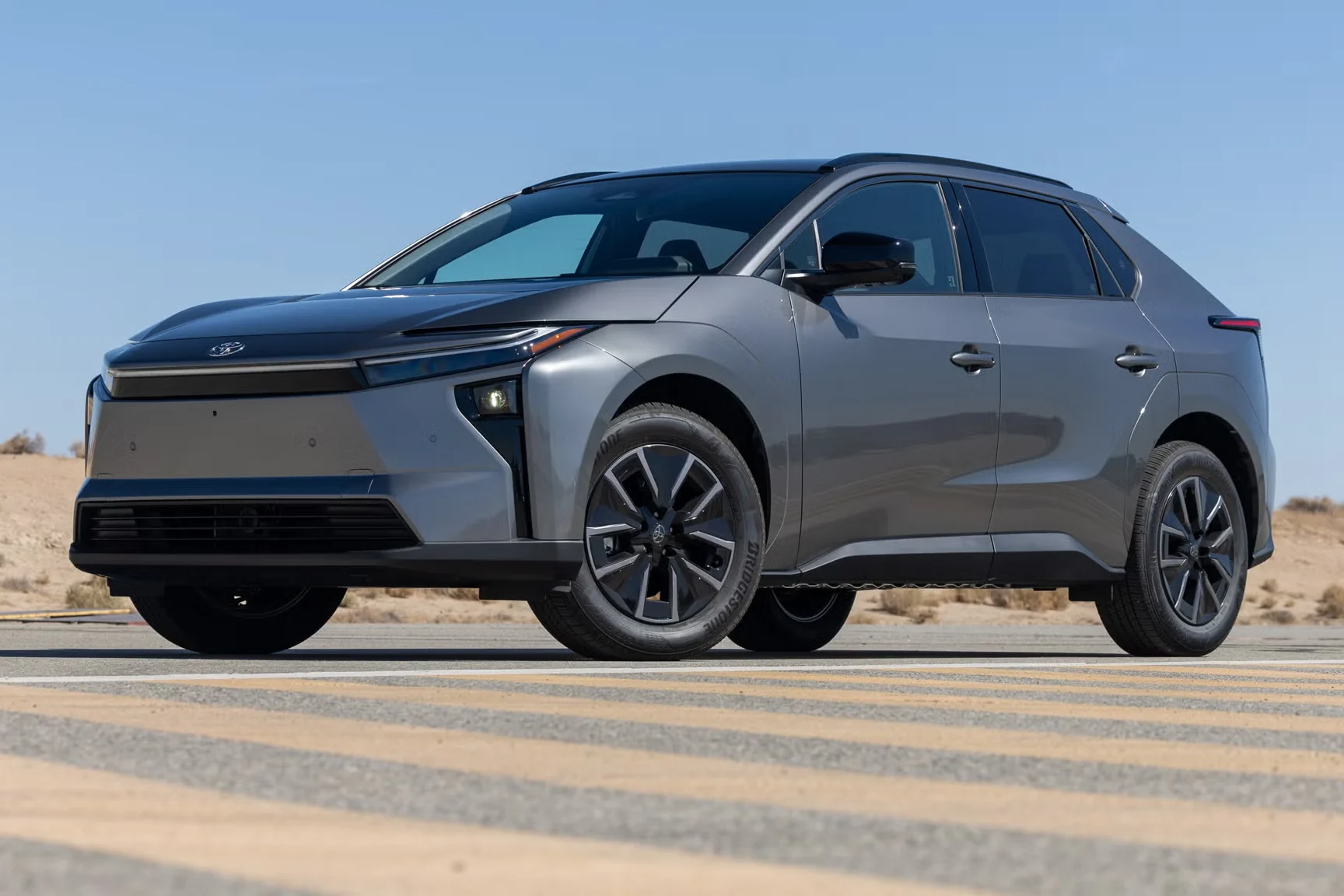
The standout performer of the quarter is undoubtedly Toyota. While the rest of the industry struggled, Toyota reported a massive 79% growth, delivering 10,042 EVs in Q1 2026.
This success is largely credited to the upgraded Toyota bZ crossover. By focusing on a product that aligns with actual consumer needs—combining reliability with a practical form factor—Toyota has proven that a strong product strategy can override the loss of federal incentives.
What’s Next for the US EV Market?
As the industry moves forward without the safety net of tax credits, the survival of the fittest begins. The coming months will reveal which manufacturers possess true competitive strength. Success will no longer be about who can leverage a subsidy, but who can deliver the best technology, the most fair pricing, and the seamless user experience that modern drivers demand.