

Will UK cars count as ‘Made in Europe’? SMMT warns that EU policy ambiguity is stalling vital investments. Explore the trade implications here.
The UK’s automotive sector is calling for urgent clarification from the European Union regarding the “Made in Europe” designation. This request comes as the EU introduces its new industrial policy, leaving British manufacturers in a state of limbo that could stifle critical future investments.
The Ambiguity of the Industrial Acceleration Act (IAA)
The Society of Motor Manufacturers and Traders (SMMT) has raised concerns over the European Commission’s (EC) proposed Industrial Acceleration Act (IAA). The act introduces strict “Made in Europe” criteria and low-emission requirements for public procurement and government subsidies in strategic sectors, including steel, aluminum, renewable energy, and green technology.
While the proposal suggests that countries with existing trade agreements with the EU could potentially qualify as “Made in Europe,” the fine print is troubling: exceptions will only be announced after the legislation is formally passed—a process expected to take at least a year. For the UK, this delay creates a dangerous investment vacuum.
High Stakes in a Competitive Global Market
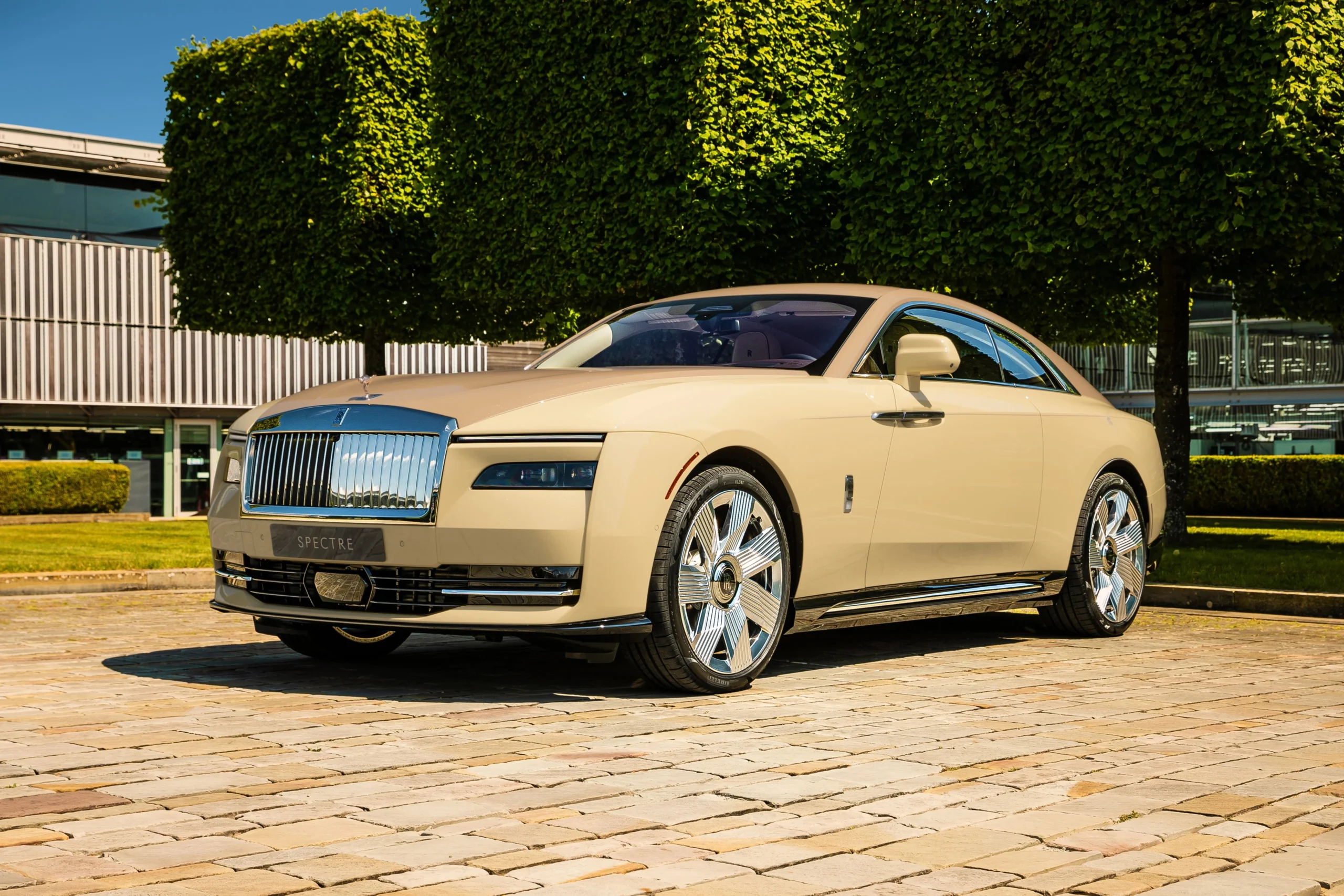
This trade uncertainty arrives at a pivotal moment. Both the UK and the EU are facing aggressive competition from low-cost electric vehicle (EV) manufacturers, particularly from China. To remain competitive, the UK—home to iconic global luxury brands such as Rolls-Royce, Bentley, Aston Martin, McLaren, and MINI—needs a stable regulatory environment.
Michael Hawes, Director of the SMMT, emphasized that the primary goal of the IAA is to bolster European competitiveness against low-cost nations. “We are not a low-cost nation,” Hawes noted, arguing that the intent of the regulation should not be to hinder established EU-UK trade.
The Post-Brexit Hurdle
The urgency for clarity stems from the UK’s departure from the European Union in 2020. Since Brexit, the UK no longer automatically benefits from internal EU preferences. Although a trade agreement was signed post-Brexit, new strategic frameworks like the IAA have left the UK’s status undefined, particularly in high-tech and green industries.
Of particular concern is the possibility of a specific automotive annex within the IAA. Such a provision could mandate that vehicles be assembled physically within EU borders to qualify for benefits, which would effectively shut out British manufacturers from the EU’s green transition incentives.
Economic Impact and the Path Forward
The economic relationship between the two regions remains massive. Annual automotive trade between the EU and the UK is valued at approximately €80 billion ($94.34 billion). Furthermore, the UK continues to be the EU’s largest import market for automotive components.
The SMMT is pushing for a clear political statement regarding the UK’s status well before the proposed EU-UK summit in June or July 2026. According to Hawes, without a clear signal, the future of the UK automotive industry remains clouded.
“Bringing investment proposals into the boardroom becomes significantly harder when you cannot quantify the future,” Hawes warned. “We are striving for a clear political commitment right now to ensure the industry’s survival and growth.”