
Sony-Honda Mobility cancels the Afeela 1 EV to focus on AI and smart services. Discover what’s next for this tech-auto giant partnership. Read more!
The ambitious joint venture between tech giant Sony and automotive veteran Honda is facing a critical turning point. In a surprising strategic shift, Sony-Honda Mobility has announced the cancellation of its debut electric vehicle (EV) project, signaling a move away from traditional hardware manufacturing toward a more software-centric future.
The End of the Afeela 1 Dream
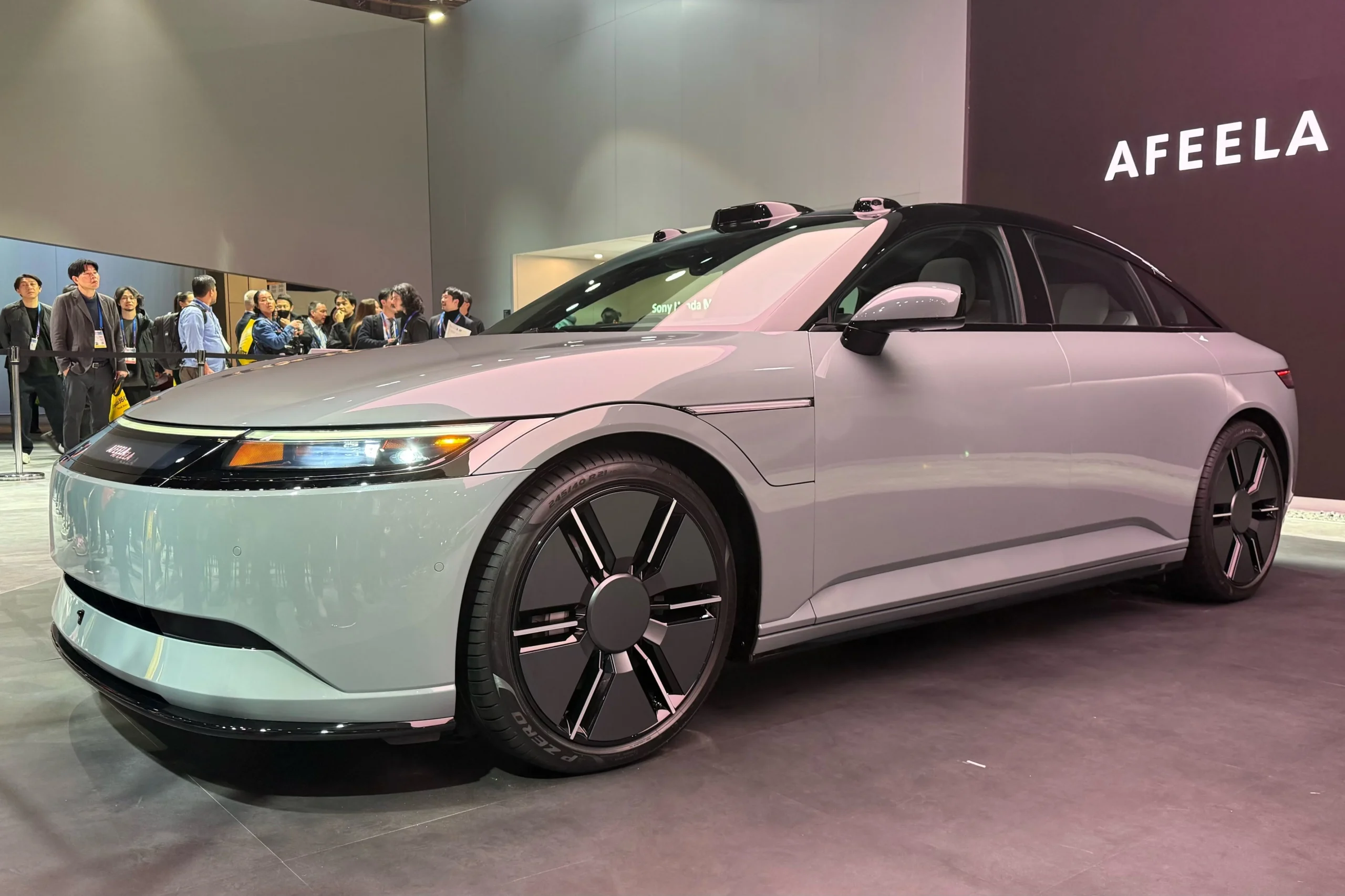
According to reports from Nikkei, the 50-50 joint venture has officially halted the development of the Afeela 1. This decision stems primarily from Honda’s decision to recalibrate its overall electrification strategy. As Honda held the primary responsibility for the manufacturing side of the project, this shift in direction made the production of the Afeela 1 untenable in its current form.
This pivot brings significant organizational challenges. With the cancellation of the vehicle, several departments—most notably Marketing—now find themselves with surplus staff. The joint venture is currently managing approximately 400 employees, and Sony and Honda are discussing ways to absorb these talented individuals back into their respective parent companies.
A New Direction: Intelligence Over Iron
Rather than abandoning the partnership, Sony and Honda are exploring new business models that leverage the cutting-edge technology already developed for the Afeela project. By April 2026, the partners expect to solidify a new operational framework focused on smart mobility services.
The focus is shifting toward high-margin technology and services, including:
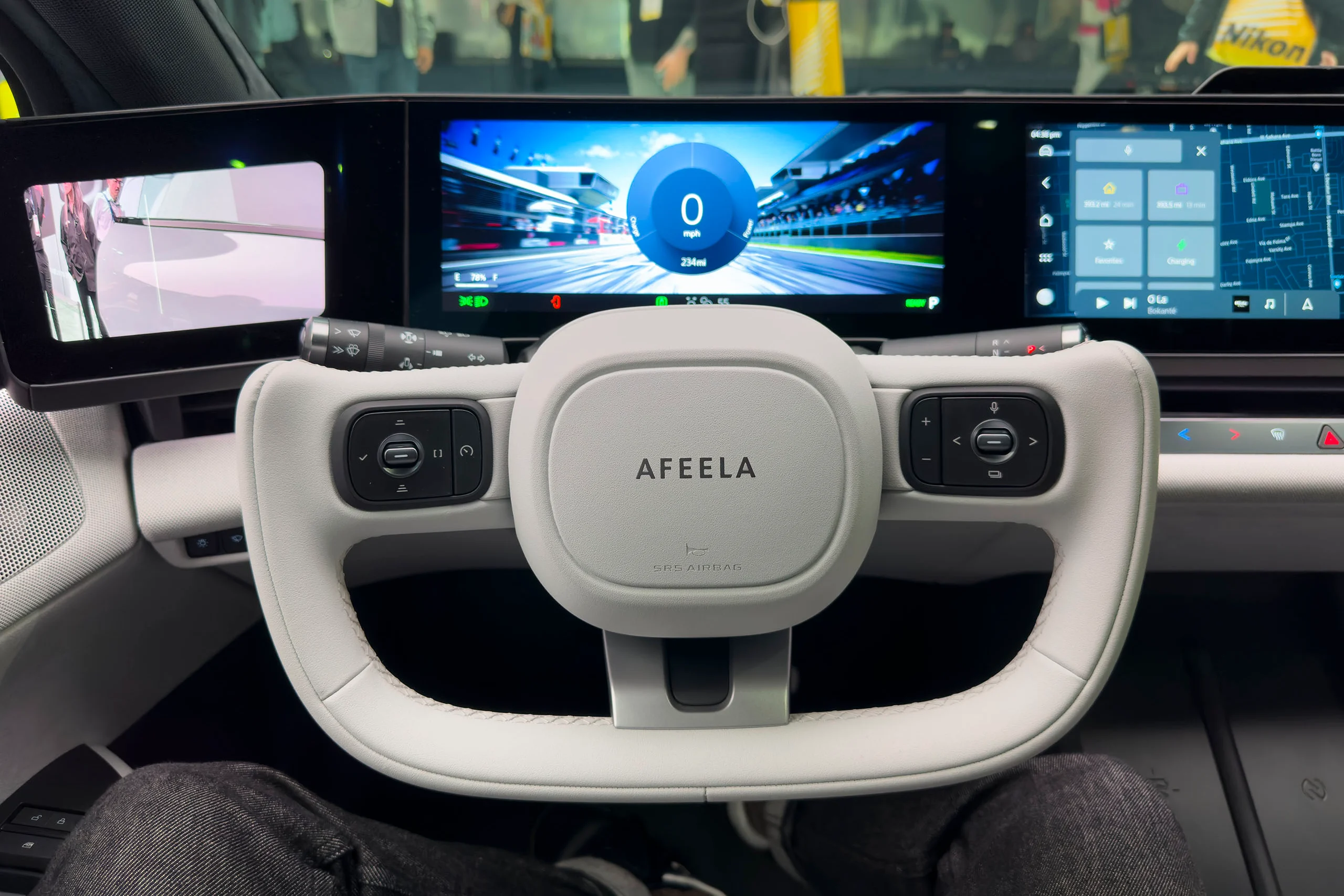
- Advanced AI Assistants: Utilizing the artificial intelligence developed for the vehicle’s cockpit to create next-gen user experiences.
- Premium Audio Ecosystems: Leveraging Sony’s world-class sound engineering for immersive in-car and ambient audio solutions.
- Smart Integration: Developing software that bridges the gap between home entertainment and mobile environments.
The Original Vision of Afeela
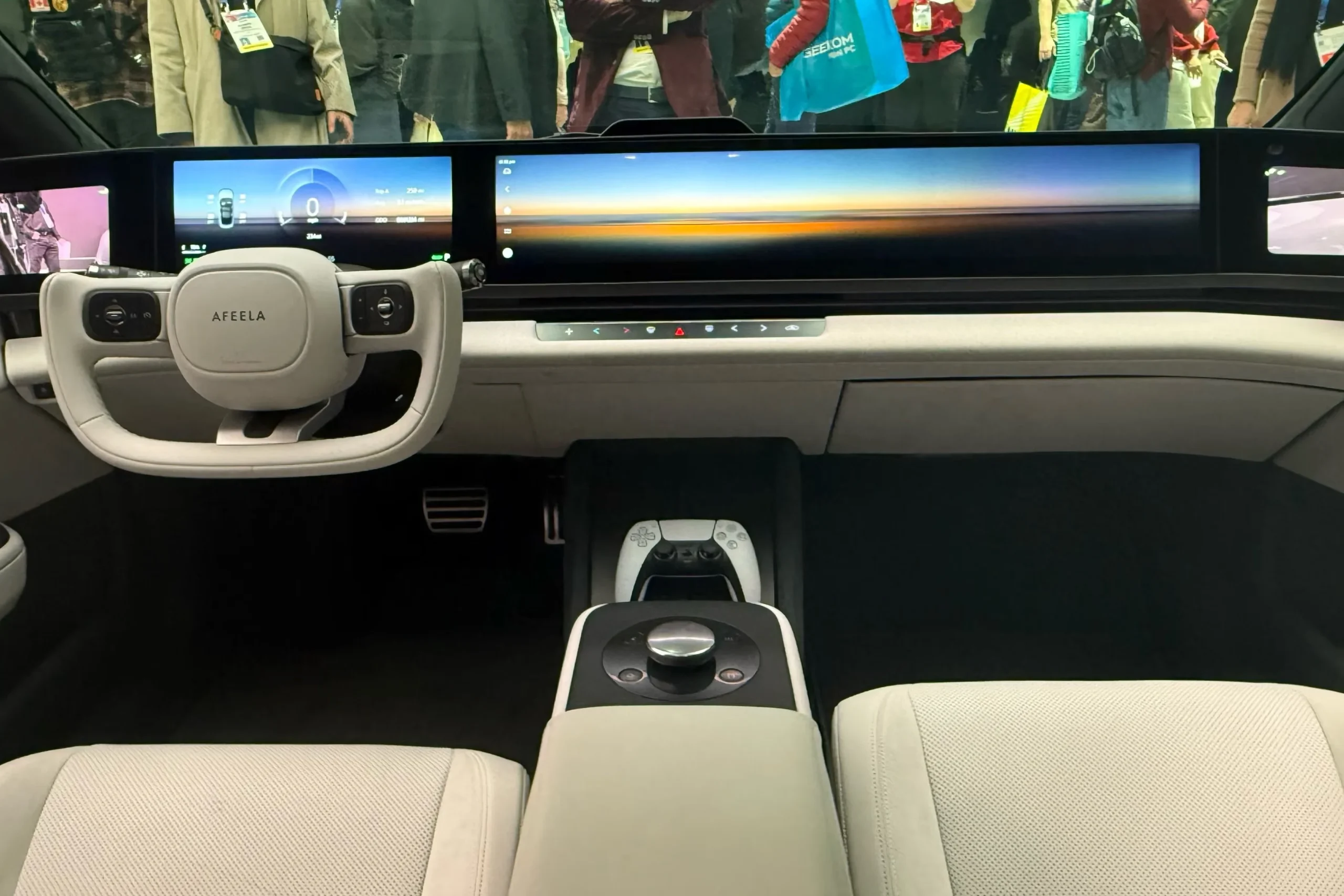
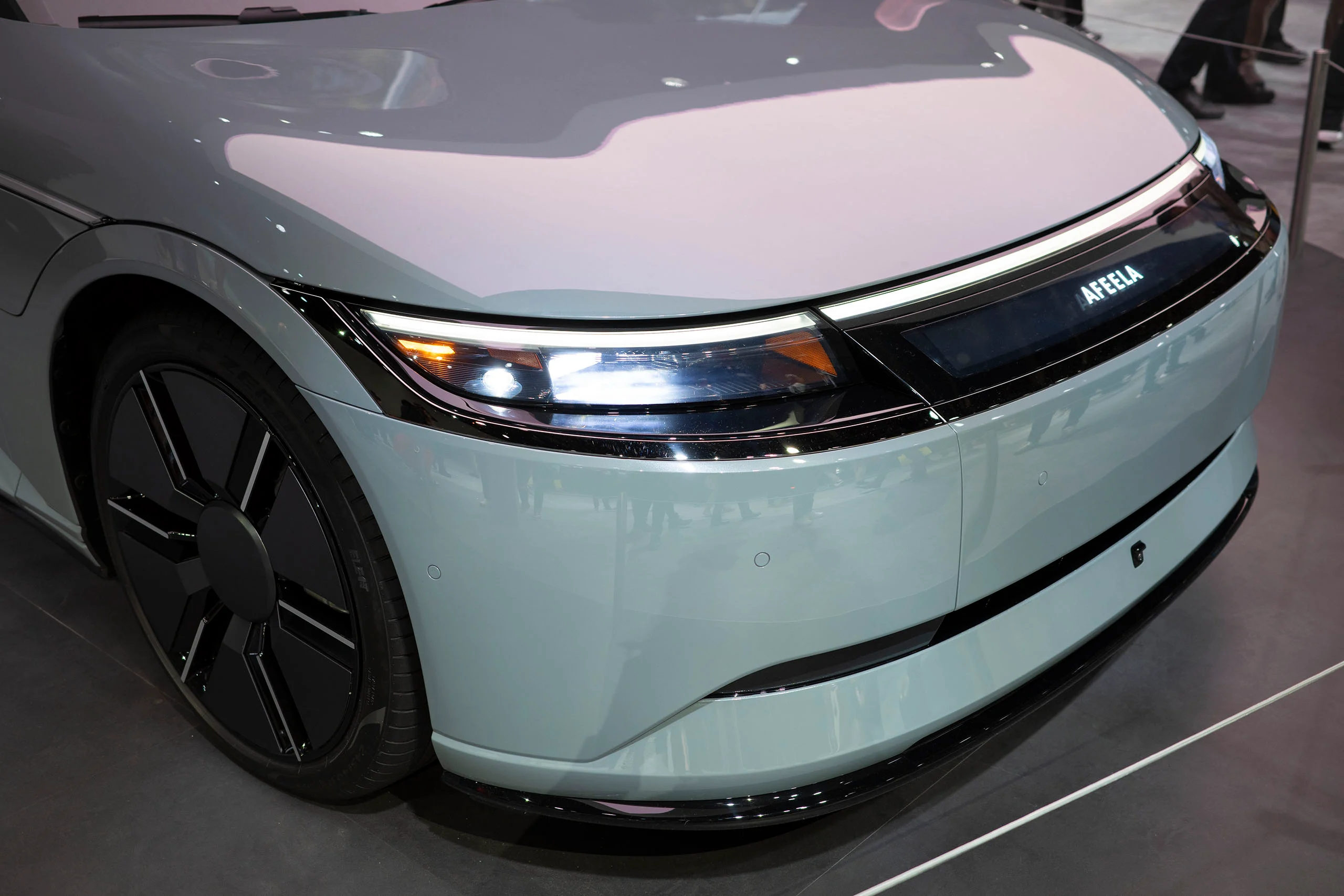
To understand the scale of this pivot, one must look at what the Afeela 1 represented. It wasn’t just a car; it was envisioned as a “software-defined vehicle.” The prototype featured roughly 40 sensors for advanced environment recognition and a groundbreaking integration with Sony’s PlayStation 5, aiming to turn the commute into a gaming and entertainment experience.
Originally slated for a North American launch in 2026 and a Japanese debut in 2027, the Afeela 1 was meant to redefine the boundaries between a transportation tool and a living space.
Why the Partnership Still Matters
Despite the setback, the synergy between Sony and Honda remains strategically vital. For Sony, this collaboration provides a gateway to expand its entertainment ecosystem into the mobility sector, creating new touchpoints for users throughout their day.
For Honda, the partnership is a lifeline for software acceleration. In an era where software-defined vehicles are the primary competitive battleground, Honda aims to integrate the sophisticated software and services developed by the joint venture into its existing fleet of vehicles.
The Road Ahead: Can They Return to EVs?
While the Afeela 1 is gone, the door to a future electric vehicle has not been completely closed. However, the landscape has changed. With American and Chinese automakers accelerating their lead in autonomous driving and software integration, any future attempt by Sony-Honda to re-enter the EV hardware market will face unprecedented competition.
For now, the world will watch as Sony and Honda attempt to “redefine mobility” not through the chassis of a car, but through the intelligence of the software that powers it.