
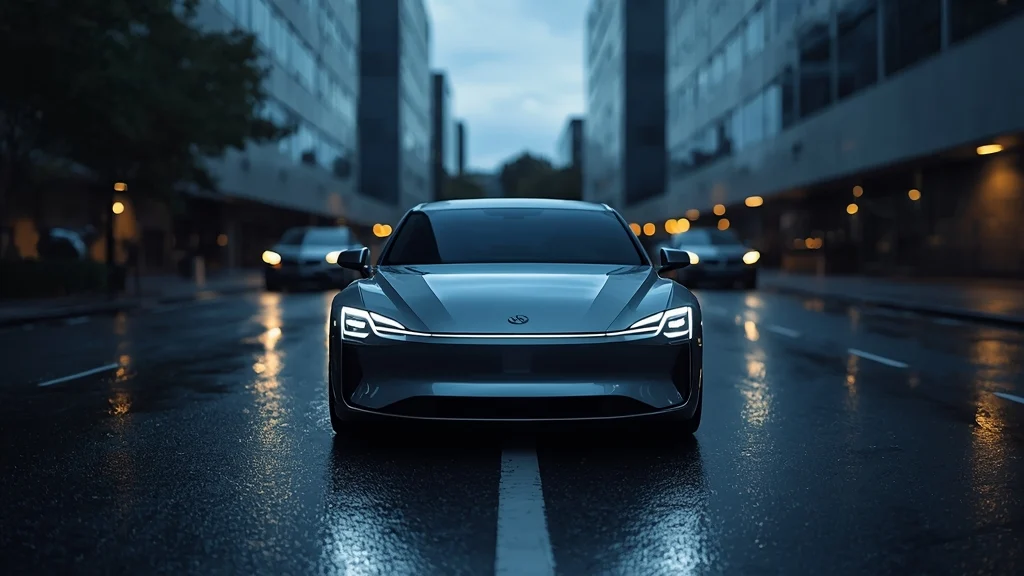
SUV prices are skyrocketing. Discover why major automakers are bringing back sedans to attract budget-conscious buyers. Read the full analysis!
For the better part of a decade, the automotive industry has been obsessed with one thing: the climb. SUVs and crossovers dominated showrooms, marketing campaigns, and profit sheets, pushing the humble sedan into the shadows. However, the tide is beginning to turn.
A Surprising Shift in the Market
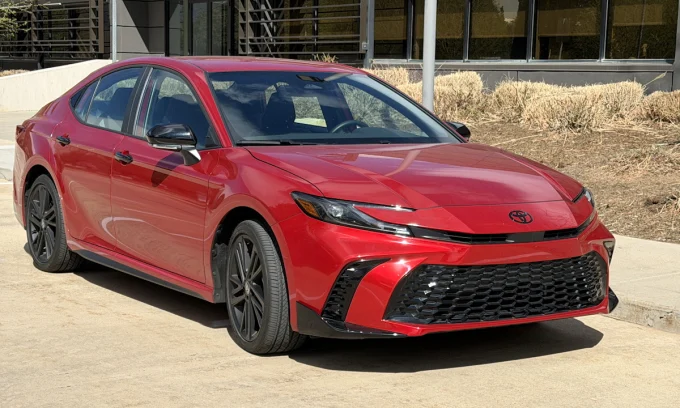
The first quarter of the year brought a shock to the industry. In the United States, the Toyota Camry achieved something not seen in nearly ten years: it outsold the RAV4, Toyota’s long-standing bestseller. The Camry saw sales of 78,255 units—an 11.3% increase compared to the same period in 2025—while the RAV4 plummeted by 48.1%, selling only 59,869 units.
This isn’t just a fluke for Toyota; it’s a symptom of a broader trend. Traditional cars are making a comeback, and global manufacturers are paying close attention.
The Price of Popularity: Why SUVs Became Too Expensive
Crossovers and SUVs surged in popularity for obvious reasons: they are practical, spacious, and, most importantly for the manufacturers, they offer significantly higher profit margins. For years, brands convinced consumers that these vehicles were simply “better” than traditional cars.
However, this aggressive push created a new problem. In the quest for higher margins, SUVs and crossovers have become prohibitively expensive. A growing segment of the population is simply being priced out of the SUV market, leaving a void that the sedan is perfectly positioned to fill.
Industry Giants Rethink Their Strategy
Executives at Ford, Nissan, and Stellantis are now reconsidering their sedan portfolios. Tiago Castro, Nissan’s marketing and sales director in the U.S., noted that sedans are “fearless and full of surprises,” viewing this shift as an opportunity for the brand to reconnect with its roots.
It’s not just about the money; it’s about design and emotion. Ralph Gilles, head of design at Stellantis, highlighted a growing desire among younger designers for the spirit of the 1980s—think the iconic GTI hatchbacks. They want vehicles that are personal, exciting to drive, and easy to park in crowded urban environments.
The Regulatory Ripple Effect
Behind the scenes, government regulations are also playing a role. For years, manufacturers fought against strict fuel efficiency standards. Many found a loophole by classifying crossovers and small SUVs as “light trucks,” allowing them to bypass the stringent targets applied to passenger cars.
However, federal regulations are evolving. As the government adjusts fuel economy targets, many crossovers and small SUVs are being reclassified as “cars.” This change removes the regulatory advantage that made crossovers so profitable, reducing the incentive for brands to push them exclusively.
Who is Leading the Charge Back?
Several major players are already sketching out their return to the sedan market:
- Chrysler: With the Pacifica minivan leading their current lineup, Chrysler is eyeing a revival of the sedan. Reports suggest a new “300” model based on the Charger platform could be a winning move.
- Ford: While the Taurus and Mondeo remain strong in China and the Middle East, Ford is exploring ways to bring a competitive sedan back to the U.S., potentially utilizing the rear-wheel-drive platform of the Explorer for a large-scale sedan.
- General Motors (GM): While official word is scarce, Buick is rumored to be adding a sedan back to its lineup. This could be developed from the Cadillac CT5’s Alpha 2 platform or involve importing the Lacrosse from China, where it remains a bestseller.
The Bottom Line
The big question remains: will the American consumer—long conditioned to love high-riding, oversized vehicles—permanently shift back to the low-slung sedan? Between the rising cost of ownership and the need for better fuel efficiency, the economic pressure is mounting. Whether this is a temporary correction or a full-scale revival remains to be seen, but one thing is clear: the sedan is no longer an afterthought.