
Chinese automakers are disrupting the luxury car market with high-tech, affordable alternatives. See how they’re challenging German brands. Read more!
At the 2026 Beijing Auto Show, a clear and ambitious message was sent to the stalwarts of the automotive world. Brands like Porsche, Mercedes-Benz, and BMW are no longer the sole occupants of the high-end throne. Chinese automakers are officially moving into the luxury segment, leveraging cutting-edge technology and aggressive pricing to challenge the German hegemony both at home and on the global stage.
From Budget EVs to High-End Value
For years, the narrative surrounding Chinese electric vehicles (EVs) was centered on high-tech features delivered at a low cost. However, players like Geely and Nio are pivoting. They are now launching a sophisticated lineup of premium models that integrate advanced AI and luxury finishes while remaining significantly more affordable than their European counterparts.
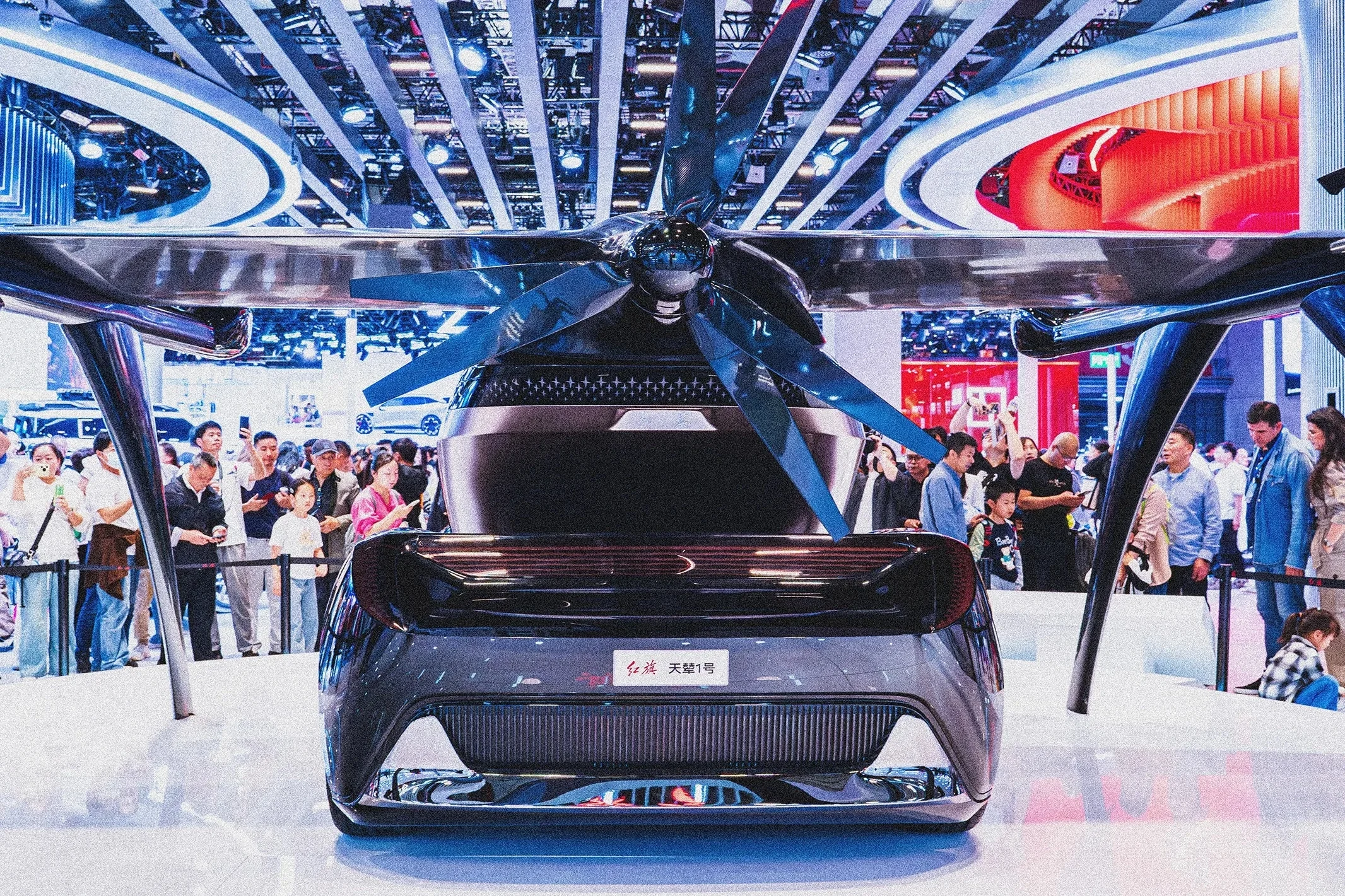
The Beijing Auto Show 2026, featuring 181 new models and 71 concept cars, marks a pivotal transition for China’s auto industry. After three years of brutal price wars in the mass-market EV space, the competition has evolved. The race is no longer just about the lowest price; it is about “value per cost.”
The Zeekr 8X: A Case Study in Disruption
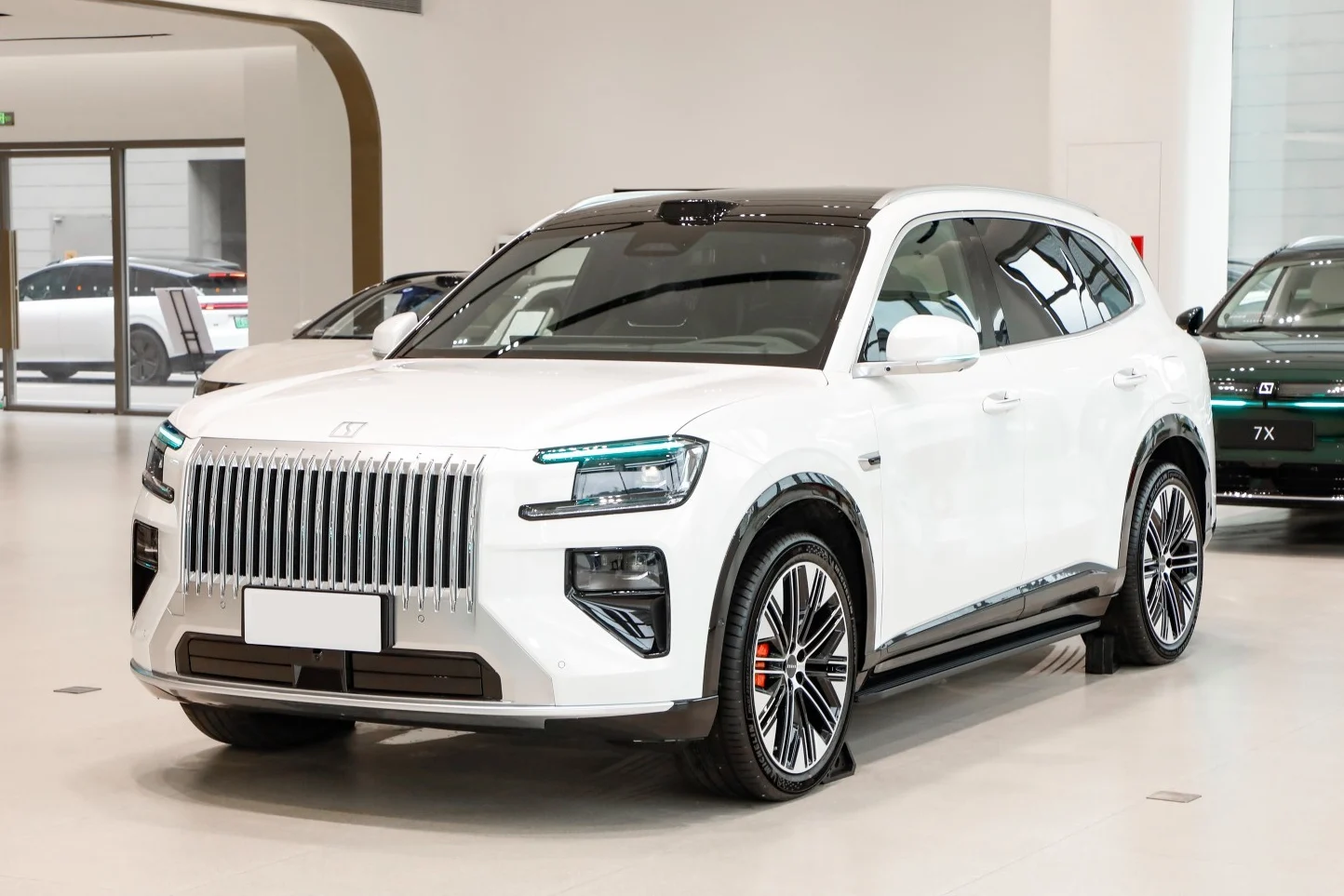
One of the most striking examples of this strategy is Geely’s newly unveiled Zeekr 8X, a large luxury hybrid SUV. The pricing strategy alone is designed to shake the market:
- Zeekr 8X: Starting at approximately $45,800.
- BMW X5: Roughly $88,000.
- Porsche Cayenne: Approximately $135,000.
Despite the massive price gap, the Zeekr 8X doesn’t compromise on innovation. It features futuristic safety tech, such as the ability to lift the vehicle’s body during a side collision to protect passengers, and intelligent maneuvering capabilities that allow the car to exit tight parking spaces via simple user gestures.
The Decline of German Dominance in China
This aggressive push into the premium sector is creating a perfect storm for German manufacturers in China, the world’s largest automotive market. According to data from S&P Global Mobility, combined sales for traditional luxury brands in China have plummeted by nearly 25%, dropping from 5.1 million units in 2019 to 3.85 million.
The first quarter of 2026 has seen continuing sales declines for Mercedes-Benz and BMW, as well as Volkswagen Group’s prestige brands, including Audi and Porsche.
Global Ambitions and the Tariff Hurdle
The ambition of Chinese brands extends far beyond their borders. Faced with domestic oversupply, these corporations are aggressively pushing exports. While the European Union has imposed significant import tariffs on Chinese EVs, these brands maintain a competitive edge through pricing. Furthermore, hybrid and internal combustion engine (ICE) vehicles—which are increasingly part of the luxury strategy—are not subject to these specific EV tariffs, providing a strategic loophole for market entry.
A Shift in Consumer Psychology
The rise of premium Chinese cars is not just a matter of pricing; it reflects a deep change in consumer demographics. The average age of car buyers in China has risen from 30 to over 40, driving demand for larger, more luxurious vehicles.
Moreover, younger luxury buyers are shifting their priorities. Bo Yu, a market analyst from JATO Dynamics, notes that the new generation of affluent consumers no longer views “brand heritage”—the traditional stronghold of German engineering—as the primary deciding factor. Instead, they are drawn to the seamless integration of software and smart technology found in domestic brands.
The Final Verdict: Can They Conquer the West?
Industry expert Felipe Munoz points out that what seemed unthinkable five years ago—Chinese consumers preferring domestic luxury over German prestige—is now a reality. However, he remains cautious about whether this trend will translate globally. In Europe, he notes, German luxury brands are still seen as the gold standard for quality and craftsmanship, a reputation that will not be easily overturned.