
VW plans to slash production by 1 million vehicles annually by 2028 to tackle overcapacity. Explore the impact on Audi and VW. Read more!
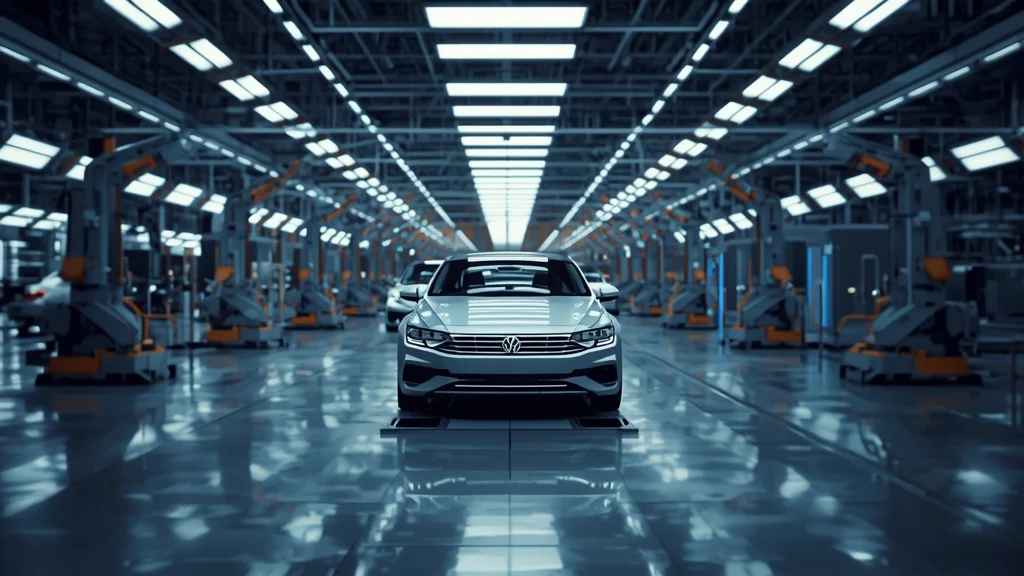
In a significant move to align its production capabilities with a shifting global market, the Volkswagen Group has announced plans to reduce its annual global production by approximately one million vehicles. This strategic scale-back is a direct response to the company’s inability to return to the record-breaking sales volumes seen before the COVID-19 pandemic.
Addressing the Overcapacity Gap
The disparity between Volkswagen’s production capacity and actual demand has become a critical issue. Last year, the group maintained a production capacity of roughly 12 million vehicles per year. However, actual global sales reached only 8.68 million units, leaving a massive gap that the company can no longer ignore.
CEO Oliver Blume was candid about the situation, stating that maintaining long-term overcapacity is simply unsustainable. He emphasized that continuing with previous production targets would be unrealistic in the current economic climate. Consequently, the group aims to reduce its European output by one million vehicles annually by 2028, with the primary impact falling on the Volkswagen and Audi brands.
A Shift from the Pre-Pandemic Era
To understand the scale of this decline, one only needs to look at the 2017–2019 period. During those years, Volkswagen consistently surpassed the 10 million unit mark, occasionally nearing 11 million. According to CEO Oliver Blume, 2019 represented the last year of a “predictable market.” In today’s volatile environment, Blume suggests that hitting a sales target of 9 million vehicles would now be considered a positive result.
External Pressures and Geopolitical Headwinds
The decision to cut production is not solely based on internal inefficiencies but is also a reaction to several external pressures:
- Trade Policies: US tariff policies have significantly impacted profit margins and complicated access to one of the world’s most vital automotive markets.
- Global Instability: Ongoing conflicts in the Middle East have created ripples across the global automotive supply chain and industry stability.
- Economic Risk: The group is currently facing negative impacts totaling tens of billions of euros, prompting a drive to lower the break-even point to ensure resilience against future risks.
The EV Struggle and Potential Plant Sales
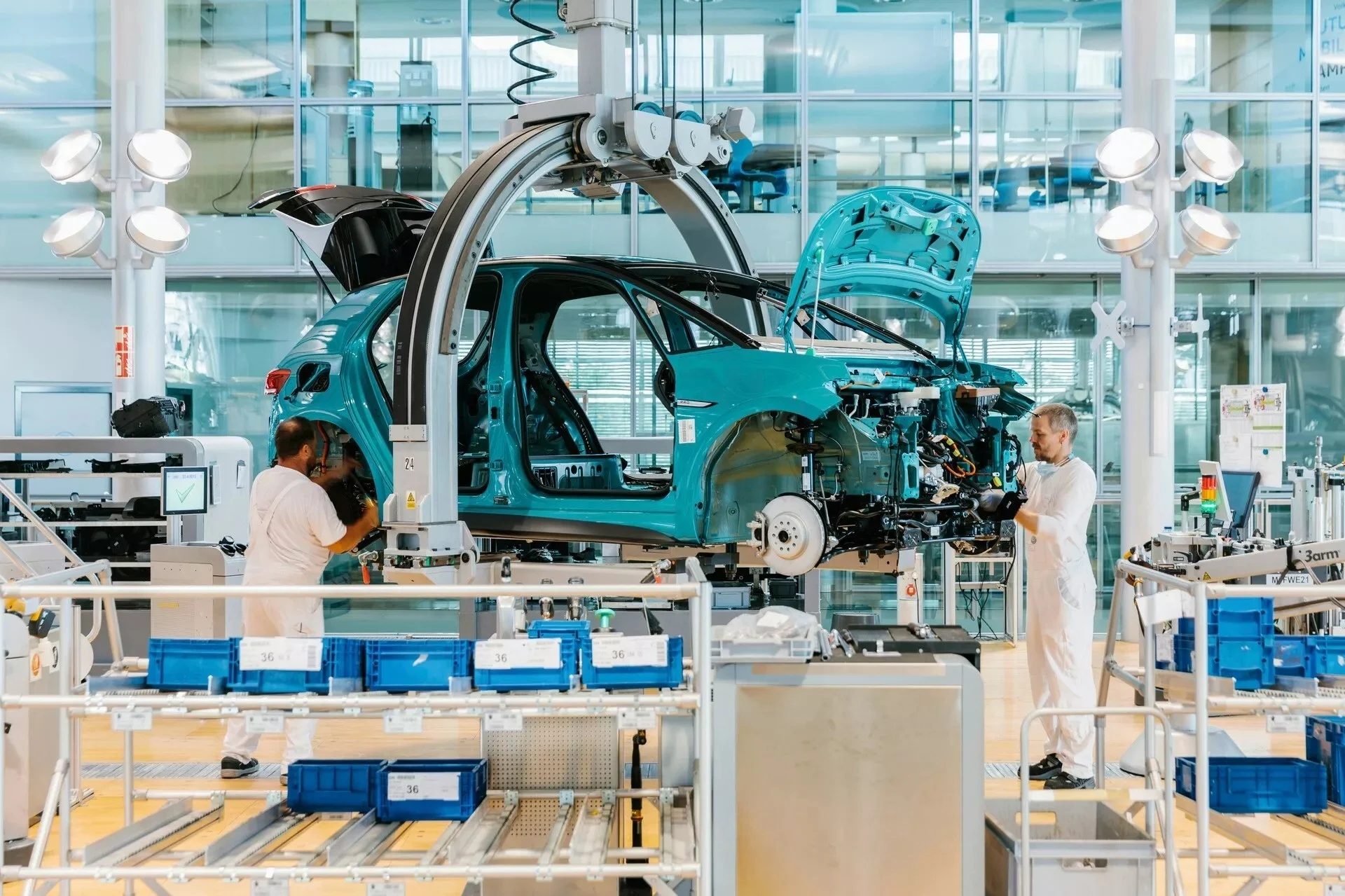
The transition to electric vehicles (EVs) has not been without its hurdles. Volkswagen’s dedicated EV facilities in Emden and Zwickau are currently operating well below their designed capacity, reflecting a slower-than-expected adoption rate or shifting consumer preferences.
In a surprising admission, CEO Oliver Blume revealed that the company is open to drastic measures to stay competitive, including the possibility of selling one of its European plants to a Chinese competitor.
Human Cost and Future Outlook
The road to efficiency comes with a heavy price for the workforce. The cost-cutting and production reduction plans extending toward 2030 are expected to affect approximately 50,000 employees in Germany.
Despite the sobering news regarding Europe, the outlook is not entirely grim. Oliver Blume expressed continued optimism regarding Volkswagen’s operations in North America and the promising potential of the Scout brand, signaling that the company is betting heavily on a diversified global strategy to secure its future.