

Japanese car imports soar to a 30‑year record as Suzuki, Honda and others bring India‑built models home. Discover the impact on the market – read more now.
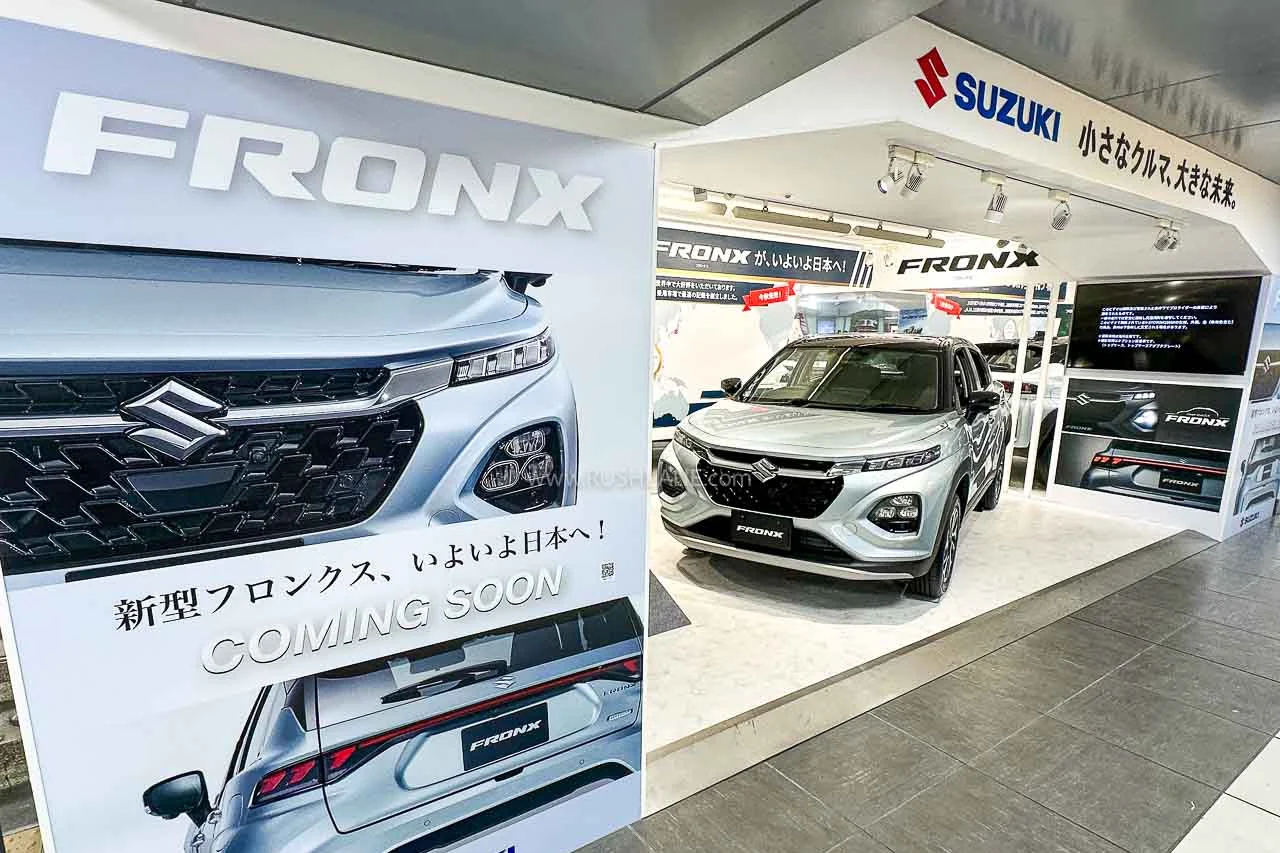
For the first time in three decades, Japan’s domestic car market has seen a surge in “reverse imports”—vehicles built abroad by Japanese manufacturers and shipped back for sale at home.

Record‑breaking numbers
According to the Japan Automobile Manufacturers Association (JAMA), 111,513 vehicles were imported last year, a 19 % jump from the previous year and the highest level since 1995, when the prior record of 107,092 cars was set.
Suzuki leads the charge
Suzuki topped the list with 43,266 units, a seven‑fold increase year‑on‑year. Since 2024 the company has been bringing the compact Fronx SUV from India to Japanese showrooms, and by April 2025 it will also import the four‑wheel‑drive version of the Jimny Nomade, also produced in India. Lower labour costs in India allow these models to be priced competitively in Japan.
Honda’s mixed performance
Honda ranked second with 37,022 reverse‑imported vehicles, though that figure fell 18 % from the prior year. The Japanese automaker has been importing the small WR‑V SUV from India since 2024. Despite the dip, the overall volume remains strong, and Honda plans to bring its brand‑new electric model, the Alpha 0, from India beginning fiscal 2027.
Declines at Nissan and Toyota
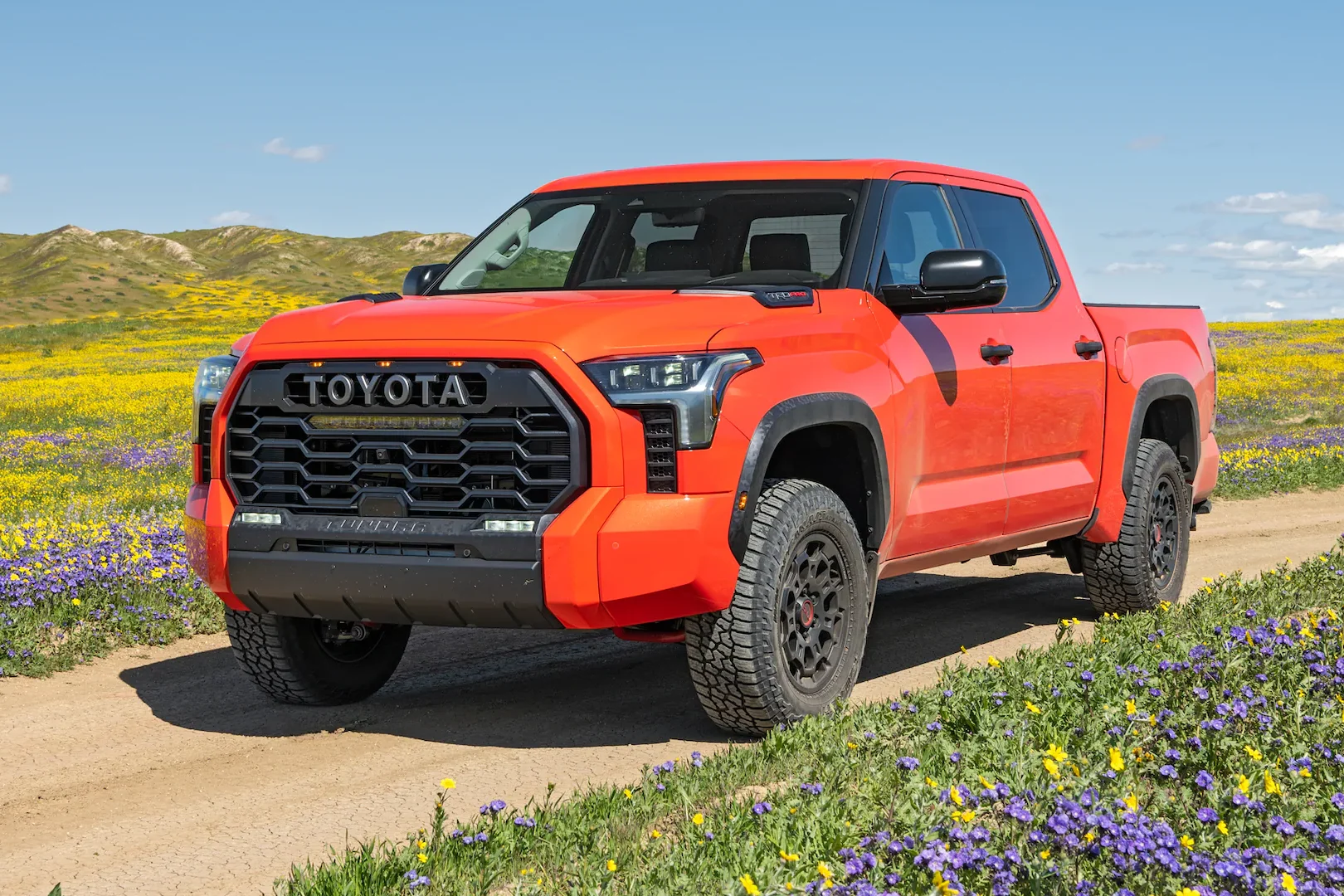
Nissan and Toyota each saw a 33 % reduction, importing 9,595 and 9,587 vehicles respectively. However, Toyota announced in May that it will start importing three U.S.–built models—Camry, Tundra and Highlander—later this year, signalling a possible rebound.
Policy backdrop and future outlook
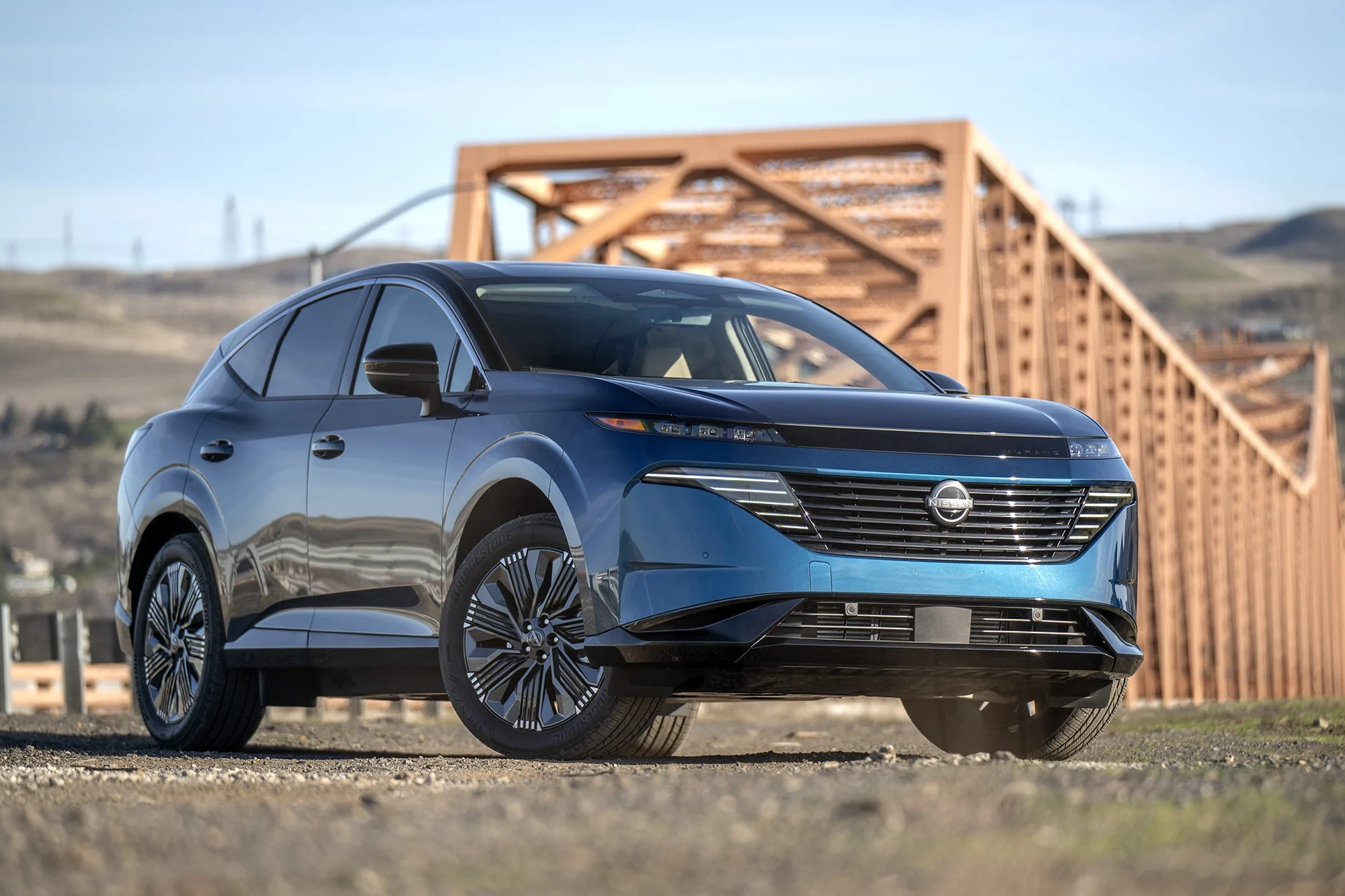
The Japanese government is streamlining certification procedures for cars manufactured overseas, especially those coming from the United States, following recent trade talks with Washington. Nissan, Honda and other manufacturers are also evaluating the feasibility of reverse imports from the U.S., underscoring the increasingly global nature of Japan’s auto supply chain.
With low‑cost production hubs in India gaining prominence, reverse imports are evolving from a temporary workaround into a long‑term strategic pillar for Japan’s automotive industry.