
Thailand’s finance ministry is suing Chinese EV maker Neta to recover over 2 billion baht in subsidies. Read the full story and its market impact.
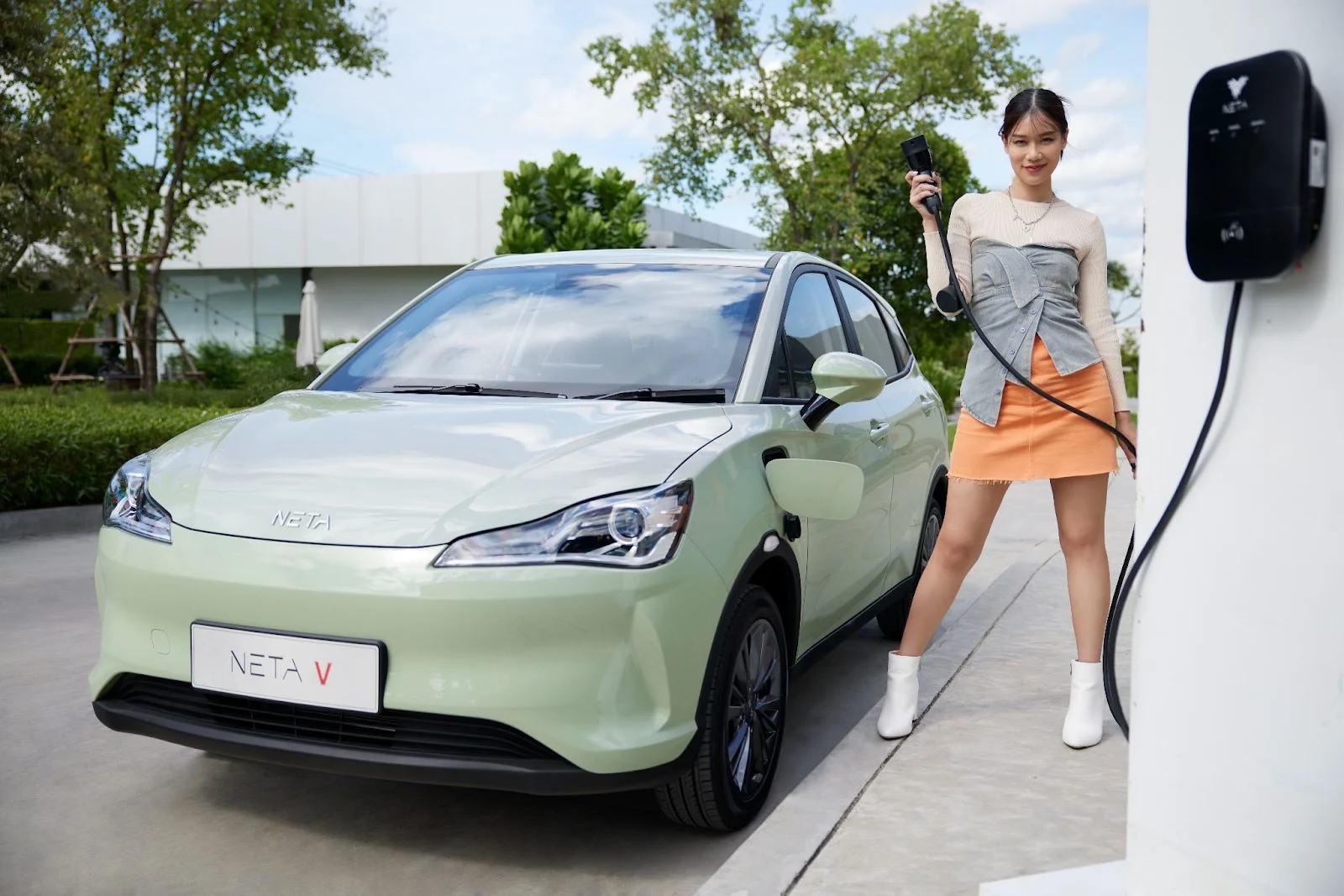
The Thai Ministry of Finance has announced plans to file a civil lawsuit against Neta Auto Thailand, the local arm of Chinese electric‑vehicle (EV) brand Neta. The government seeks to recover more than 2 billion baht (about USD 63.7 million) in subsidies paid out since 2022.
Why the Ministry is suing
Under Thailand’s EV incentive scheme, buyers can receive up to 150,000 baht (≈ $4,800) per vehicle, provided manufacturers meet strict local‑production quotas. Neta received these funds but failed to achieve the domestic manufacturing targets it pledged, breaching the conditions attached to the subsidies.
The legal route
The Ministry intends to pursue the case through civil litigation. It has not ruled out requesting the court to freeze Neta Auto Thailand’s assets and bank accounts to ensure repayment.
- Amount at stake: >2 billion baht.
- Legal basis: breach of subsidy‑granting conditions.
- Potential outcome: asset seizure and forced repayment.
Neta’s situation in Thailand
Neta entered the Thai market in 2022 and quickly became one of the top Chinese EV brands, ranking second in market share in 2023 behind BYD. However, the parent company, Hozon New Energy Automobile, is currently undergoing a court‑supervised restructuring in mainland China, which limits its ability to intervene directly in the Thai lawsuit.
Delays in supplying spare parts have already triggered a consumer class‑action lawsuit, adding pressure on the brand.
Broader implications for Chinese EV makers
The finance ministry warned that Neta is not the only Chinese automaker under scrutiny. Other brands that have not met local‑production commitments may also face corrective measures.
What this means for Thailand’s EV market
Thailand aims to become a regional hub for EV production. Enforcing the subsidy rules sends a strong signal that incentives are tied to genuine domestic manufacturing, protecting taxpayer money and encouraging real investment.
Stakeholders and potential investors should monitor the case closely, as its outcome could shape the future landscape of electric mobility in the country.