
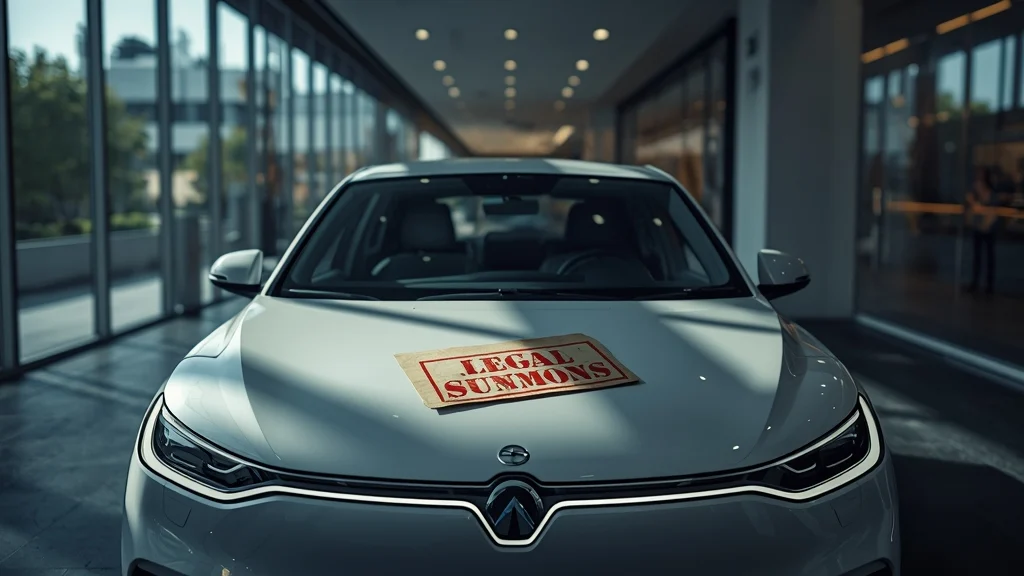
Thailand’s finance ministry is moving to sue Neta Auto Thailand to recover over 2 billion baht in EV subsidies after the company failed to meet local production targets. Read more now.
Bangkok – The Thai Ministry of Finance is preparing to file a civil lawsuit against Neta Auto Thailand, the local subsidiary of Chinese electric‑vehicle (EV) manufacturer Neta, in order to claw back more than 2 billion baht (about US$63.7 million) in government subsidies.
Why the government is taking legal action
Under Thailand’s EV incentive programme, buyers can receive up to 150,000 baht per vehicle provided the automaker also establishes a domestic production line within a set timeframe. Neta received the subsidies after pledging to build a factory and meet specific output quotas.
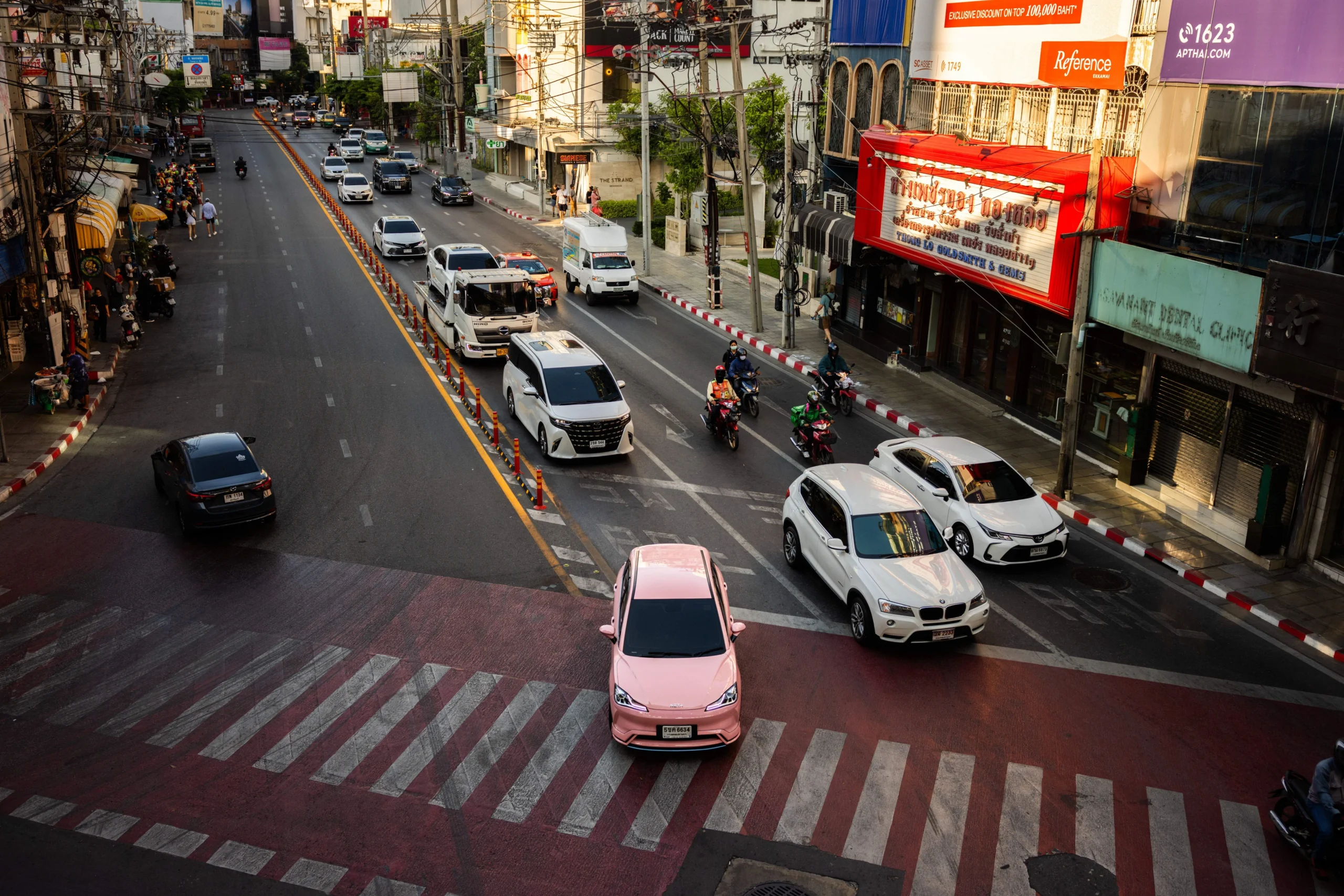
Since 2022, however, the company has fallen short of its local‑manufacturing commitments, prompting the finance ministry to label the subsidy payments as unlawful. The ministry says Neta’s failure to meet the production quota breaches the very conditions required to qualify for the financial support.
What the lawsuit could mean
If the court sides with the ministry, Thai authorities will have the legal basis to freeze Neta Auto Thailand’s assets and bank accounts, ensuring the full repayment of the subsidies already disbursed.
The lawsuit will target the Thai subsidiary only; the parent company, Hozon New Energy Automobile, is currently undergoing a court‑supervised restructuring in mainland China and is not a direct defendant in this case.
Background on Neta’s Thai operations
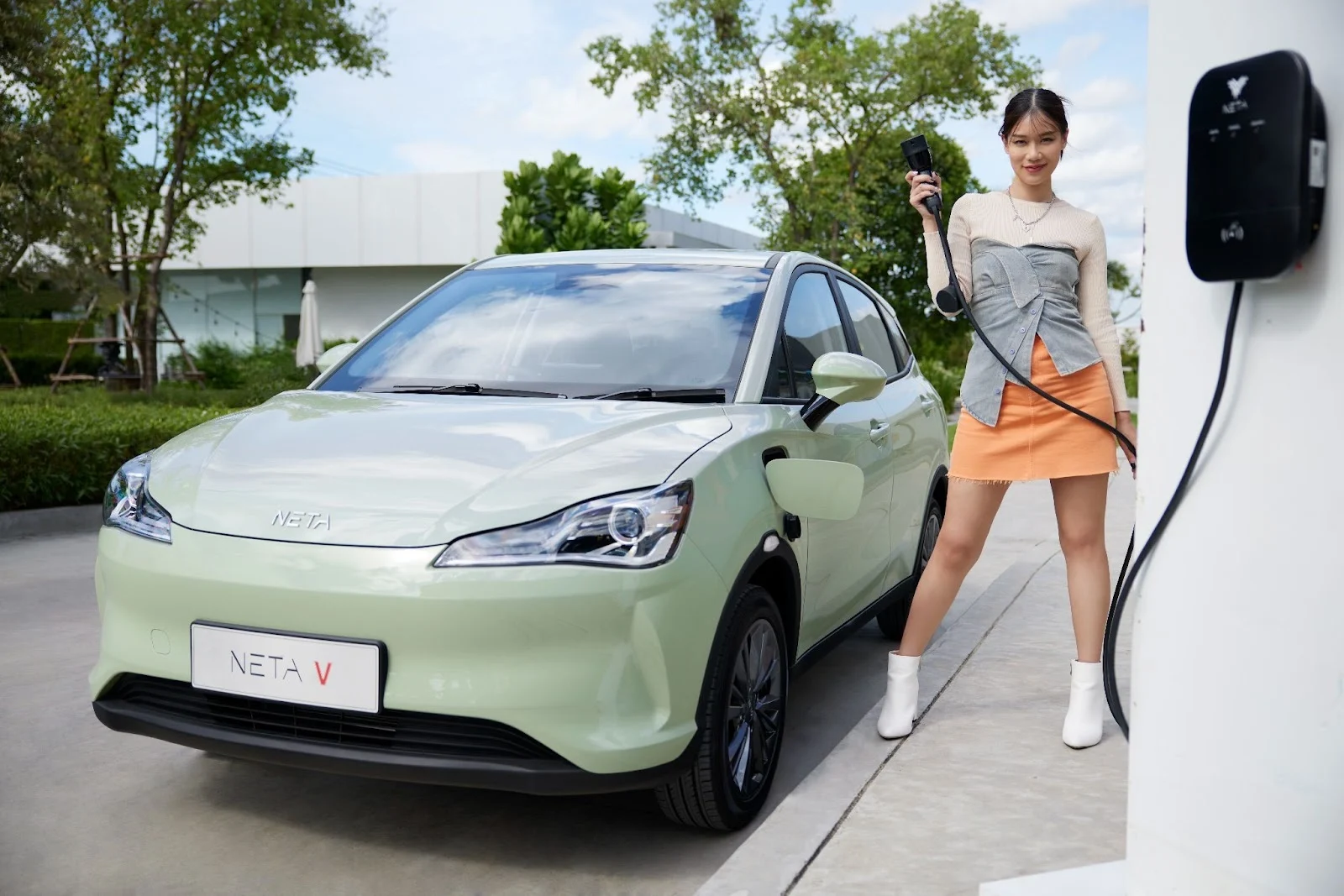
Neta entered the Thai market in 2022 and quickly rose to become one of the leading Chinese EV brands alongside BYD, Great Wall Motor and MG (SAIC). In 2023, Neta secured the second‑largest EV market share in Thailand, trailing only BYD.
Despite its rapid growth, the company’s parent restructuring has caused recurring delays in spare‑part deliveries, sparking a class‑action lawsuit from dissatisfied owners. The current government action adds another layer of pressure on the brand.
Broader implications for Chinese EV makers
Neta is not the only Chinese EV manufacturer under scrutiny. Thai regulators have identified several other firms that appear to have missed their production‑quota obligations, suggesting that more enforcement actions could follow.
“We are committed to upholding the integrity of Thailand’s EV incentives,” a ministry spokesperson said. “Companies that receive public funds must honor their commitments to local manufacturing and job creation.”
What’s next?
The finance ministry has not announced a filing date yet, but officials indicate that the case will move forward promptly. Industry observers will be watching closely to see how the legal outcome influences future foreign investment in Thailand’s growing EV sector.