
Explore Vietnam’s 2025 hybrid car lineup, from affordable SUVs to luxury plug‑ins. Discover the models that truly shine and why you should go hybrid today. Read more now!
2025 is shaping up to be a landmark year for hybrid mobility in Vietnam. More than 60 new vehicle models are slated to hit the market, and seven of them are hybrid powertrains – a clear signal that manufacturers are betting on electrified drivetrains to win over Vietnamese drivers.
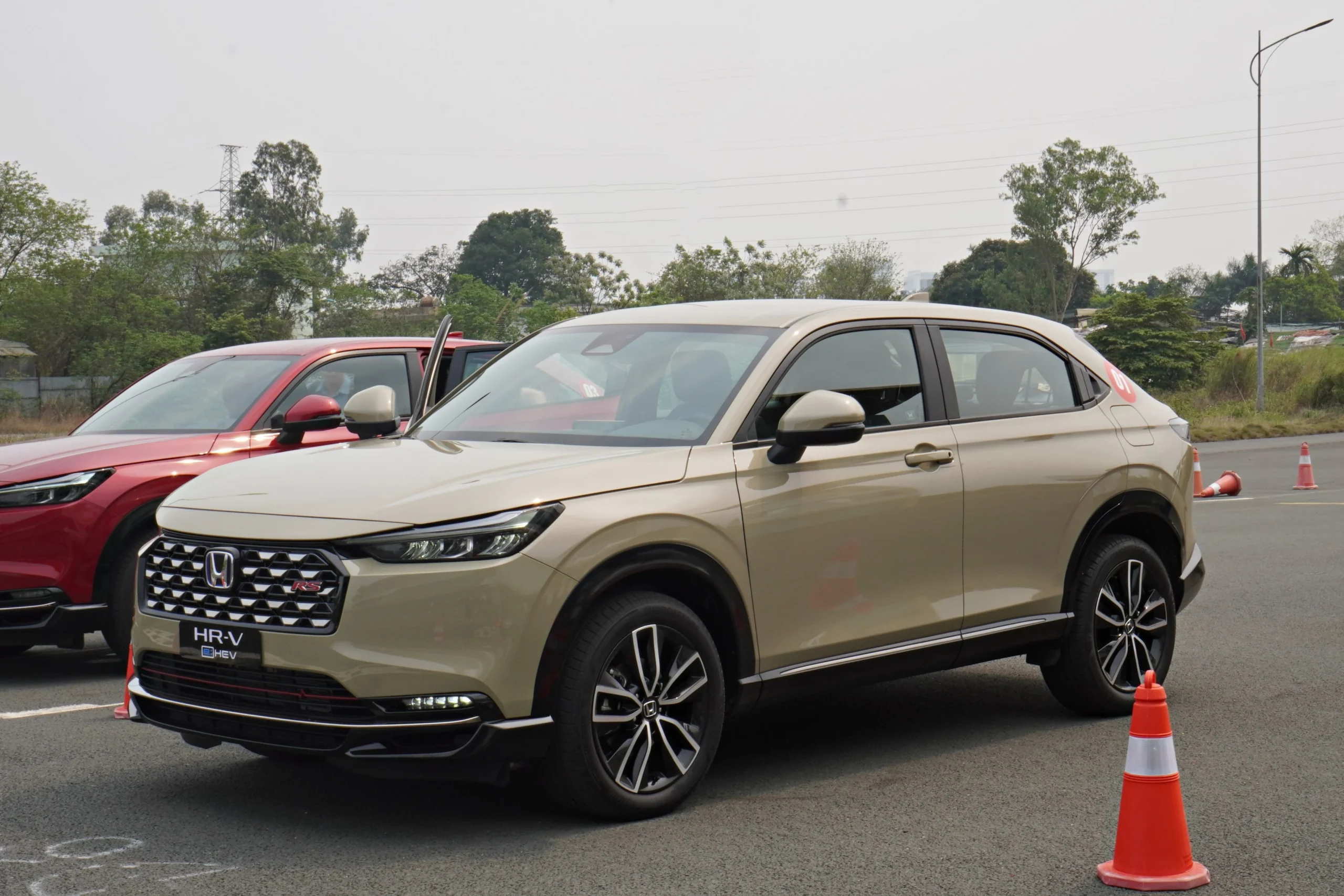
Honda HR‑V e:HEV RS – A Familiar Face with a New Engine
In April, Honda added a plug‑in hybrid version to its popular sub‑compact SUV, the HR‑V. The HR‑V e:HEV RS was marketed as the answer to fierce competition from Japanese, Korean and Chinese rivals. After nearly a year on sale, the hybrid variant has struggled to outshine its gasoline‑only sibling. By the end of November, Honda recorded only 719 units of the e:HEV RS, while the conventional HR‑V sold 5,180 units.
The price tag is a major hurdle – at VND 869 million, the hybrid sits on par with C‑segment rivals and is even pricier than the standard Ford Territory or Mazda CX‑5. Nonetheless, the HR‑V retains strong assets: a rigid ladder‑type frame, multi‑link rear suspension that tames rough roads, generous ground clearance, and a sleek exterior.
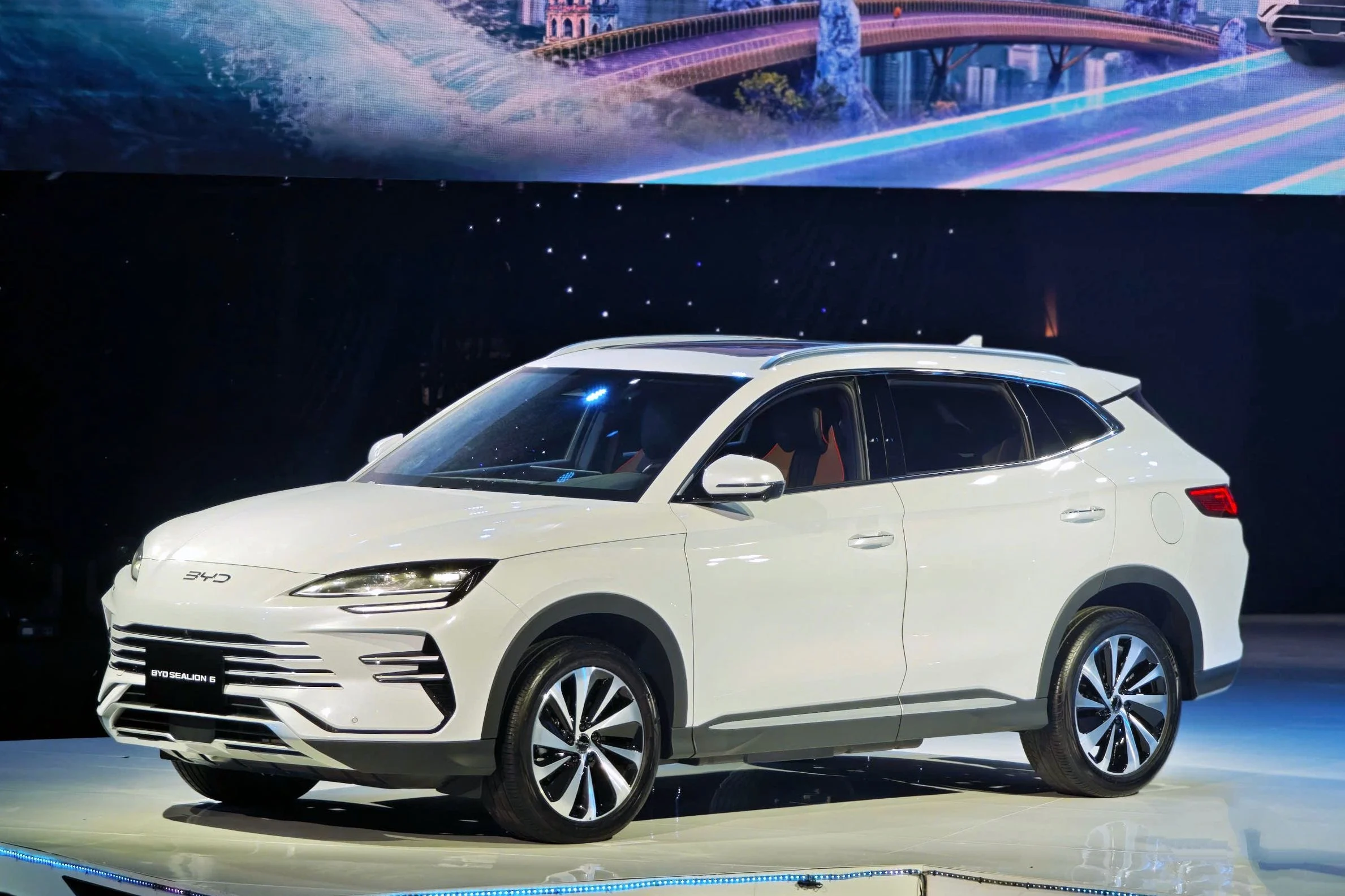
BYD Sealion 06 – China’s Electric‑Hybrid Flagship
BYD’s Sealion 06 arrives as a strategic “saviour” for the brand’s electric push in Vietnam. Priced between VND 839 million and VND 936 million, the model competes directly with mainstream C‑segment SUVs. Its hybrid system blends a gasoline engine with an electric motor for a long electric‑only range and respectable power.
While PHEVs offer lower operating costs, the upfront premium – often VND 100‑200 million higher than a comparable gasoline model – can deter cost‑sensitive buyers. The Sealion 06 may need more time to convince Vietnamese consumers of its long‑term savings.
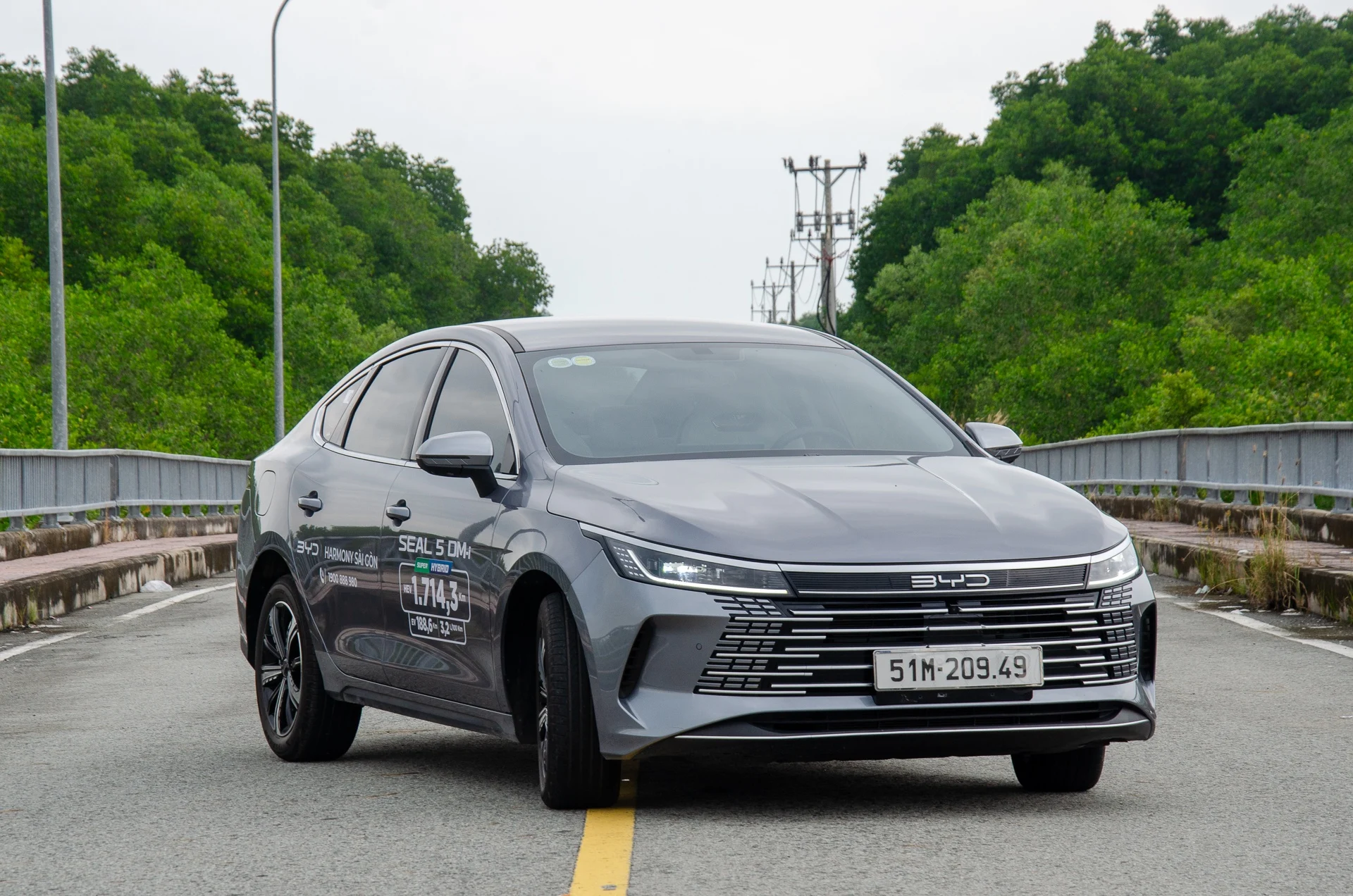
BYD Seal 5 – The Affordable DM‑i Super Hybrid Sedan
The BYD Seal 5 takes a different approach, offering BYD’s DM‑i Super Hybrid technology at a wallet‑friendly VND 696 million. Its price is highly competitive, but the sedan segment in Vietnam is already saturated, and buyers increasingly prioritize spacious SUVs with high ground clearance.
Although the Seal 5 delivers decent performance and fuel efficiency, its brand perception and sedan‑focused market positioning limit its appeal compared with more popular SUV offerings.
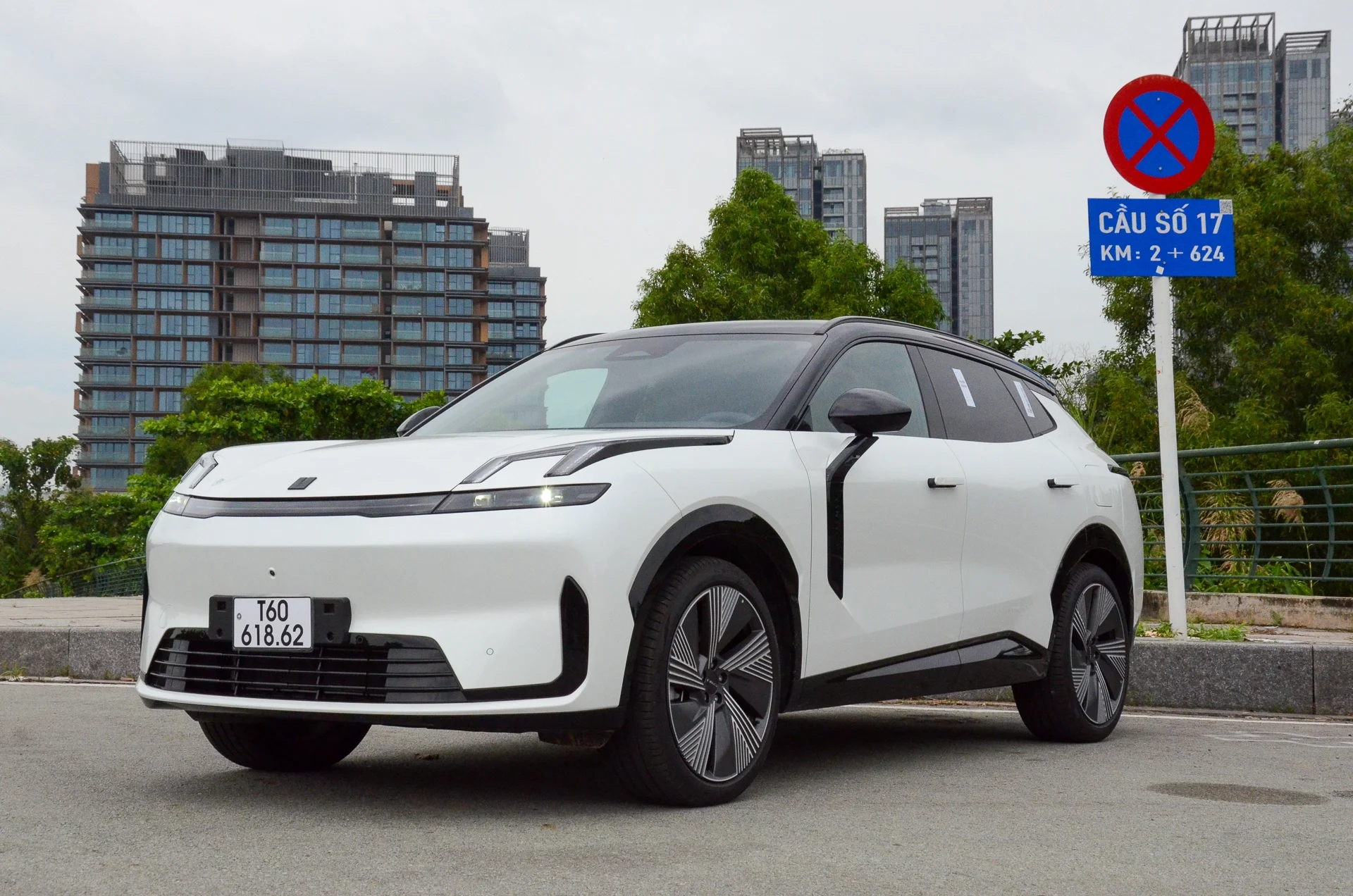
Lynk & Co 08 – A Tech‑Heavy Plug‑in Hybrid
Lynk & Co’s entry, the 08, adds a fresh flavor to the hybrid arena. The model showcases cutting‑edge safety tech such as 360° cameras, driver‑monitoring systems, and a sophisticated plug‑in hybrid drivetrain.
However, its premium price and a technology suite that may be over‑engineered for Vietnam’s road conditions relegate it to a “halo” product – more about brand visibility than volume sales. It could pave the way for more affordable Lynk & Co hybrids in the future.
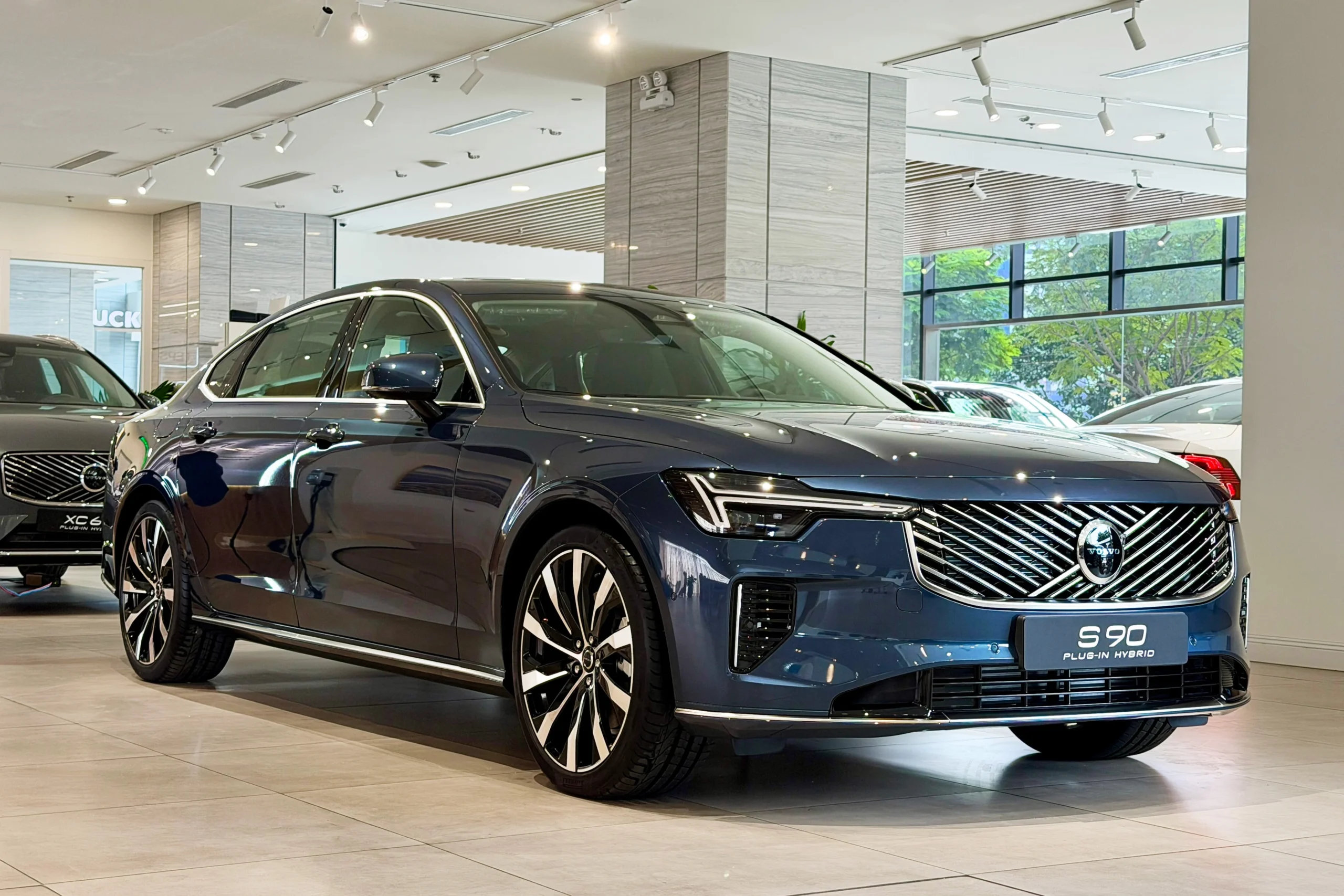
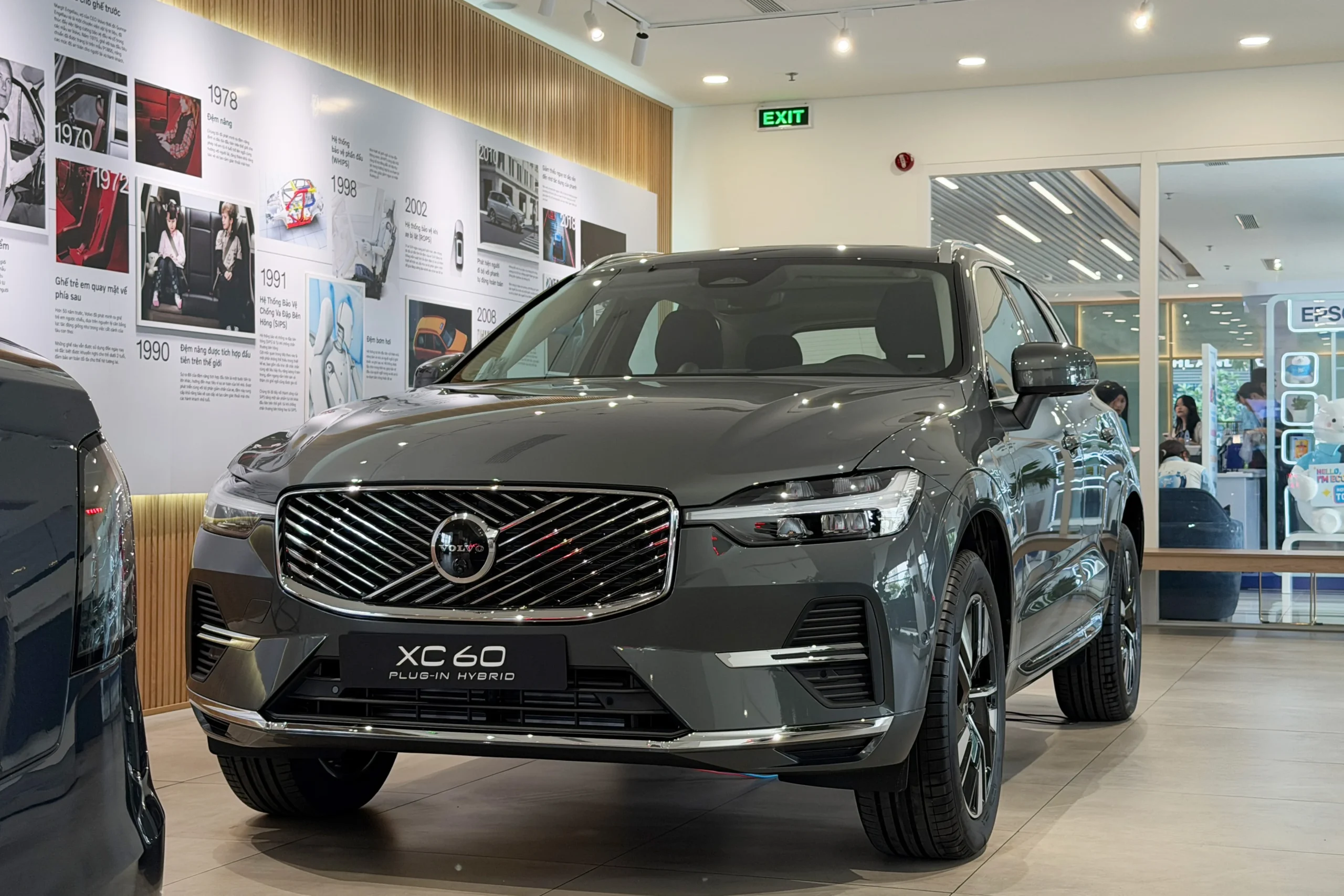
Volvo’s Luxury PHEVs – S90 and XC60
Volvo introduced the latest generation S90 sedan and a facelifted XC60 SUV, both equipped with the T8 Recharge plug‑in hybrid system. With price tags nearing VND 2.75 billion, these models target affluent executives who value premium design, advanced electrification, and high power output.
For the average Vietnamese consumer, the high price puts these Volvo hybrids out of reach, reinforcing the notion that hybrid adoption in Vietnam is still segmented between mainstream affordability and luxury exclusivity.
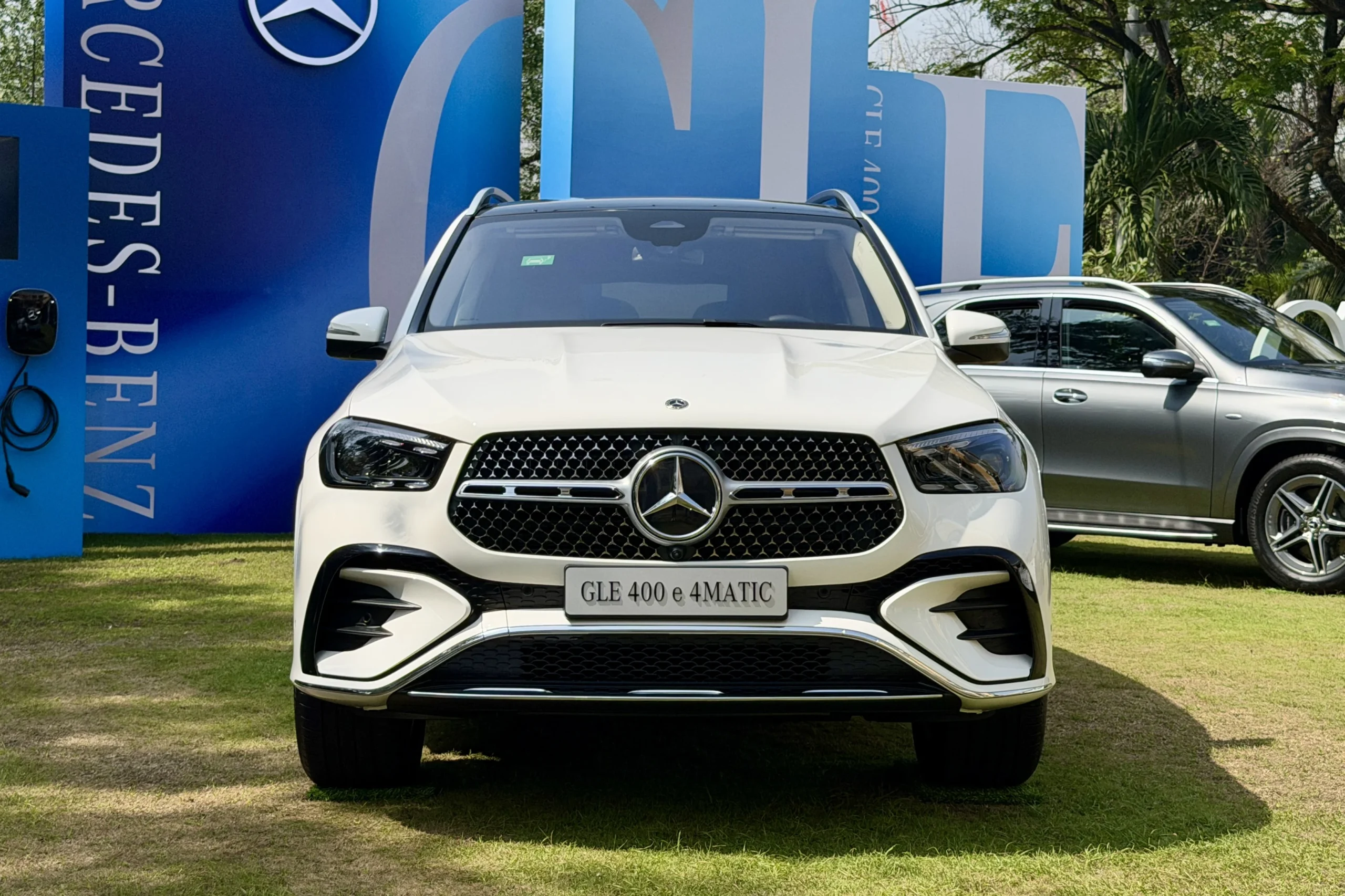
Mercedes‑Benz GLE 400 e 4MATIC – The First Mercedes PHEV in Vietnam
The GLE 400 e 4MATIC debuted late in the year as Mercedes‑Benz’s inaugural plug‑in hybrid for the Vietnamese market, priced at VND 4.67 billion. Competing with the likes of the XC90 T8 Recharge and Porsche Cayenne S E‑Hybrid, it sits at the very top of the price ladder.
At this tier, purchasing decisions are driven more by brand loyalty and prestige than pure cost‑efficiency calculations, meaning the GLE 400 e will mainly attract die‑hard Mercedes fans rather than the broader hybrid‑curious crowd.
What the 2025 Hybrid Landscape Tells Us
Even with a strong influx of hybrid models, Vietnam’s market has not exploded as some analysts predicted. The current scenario resembles a crossroads:
- HEVs – Safe, familiar, and typically less expensive.
- PHEVs – Technologically advanced, offering lower running costs but demanding a higher upfront investment.
The challenge for manufacturers will be to strike the right balance between price accessibility and the perceived value of hybrid technology. Consumers need to feel that the initial “sacrifice” in price truly translates into a greener, more sustainable driving experience.
Looking Ahead
Future competition will likely shift from pure performance and tech specs to who can offer the most compelling total‑cost‑of‑ownership package. Affordable pricing, strong after‑sales support, and clear education on long‑term savings will be key to turning hybrid curiosity into mass adoption across Vietnam.
Whether you’re eyeing a budget‑friendly Honda HR‑V hybrid, a tech‑savvy Lynk & Co 08, or a premium Volvo S90, 2025 presents a diverse palette of choices – each with its own strengths and trade‑offs. The next few years will reveal which names truly resonate with Vietnamese drivers and help steer the country toward a greener automotive future.