
Explore how the 2025 Vietnam sedan market diverges, with luxury brands launching new models while mass‑market options lag behind. Discover the trends now!
Vietnam’s automotive scene is buzzing in 2025, with more than 60 brand‑new models and refreshed variants rolling into showrooms. While SUVs and MPVs dominate the headlines, the sedan segment tells a very different story.
Luxury Brands Flood the Market
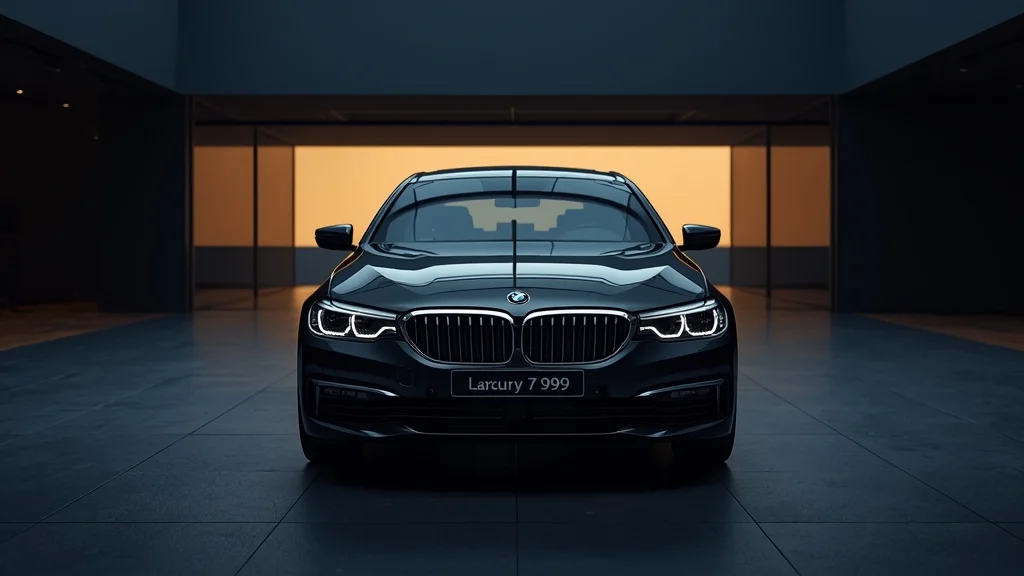
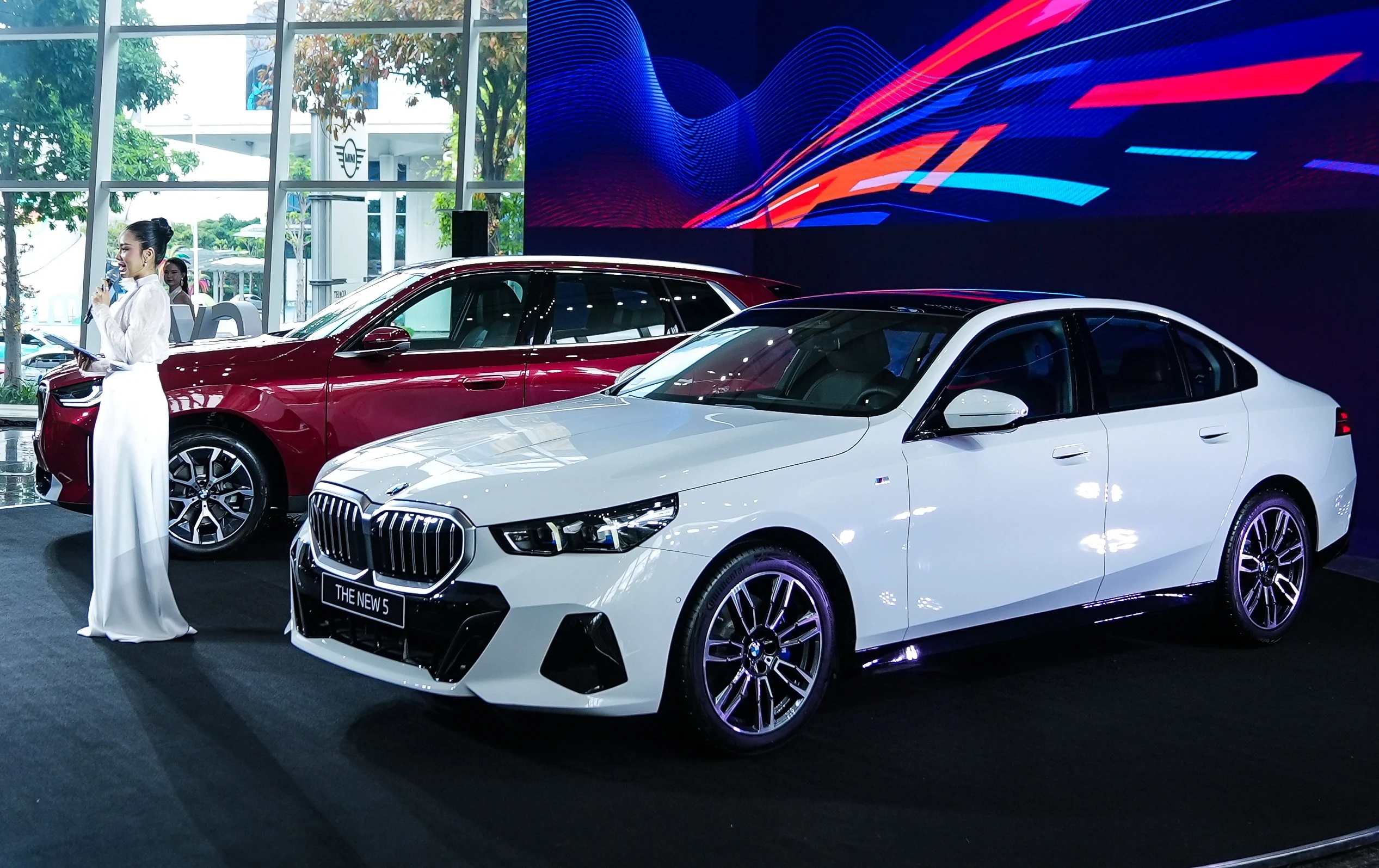
BMW kicked off the year by unveiling the eighth‑generation 5 Series. Built locally, the new 5 Series is bigger on every dimension, sports a fresh wheel‑arch design and an upgraded cabin, yet retains the familiar 2.0‑litre engine.
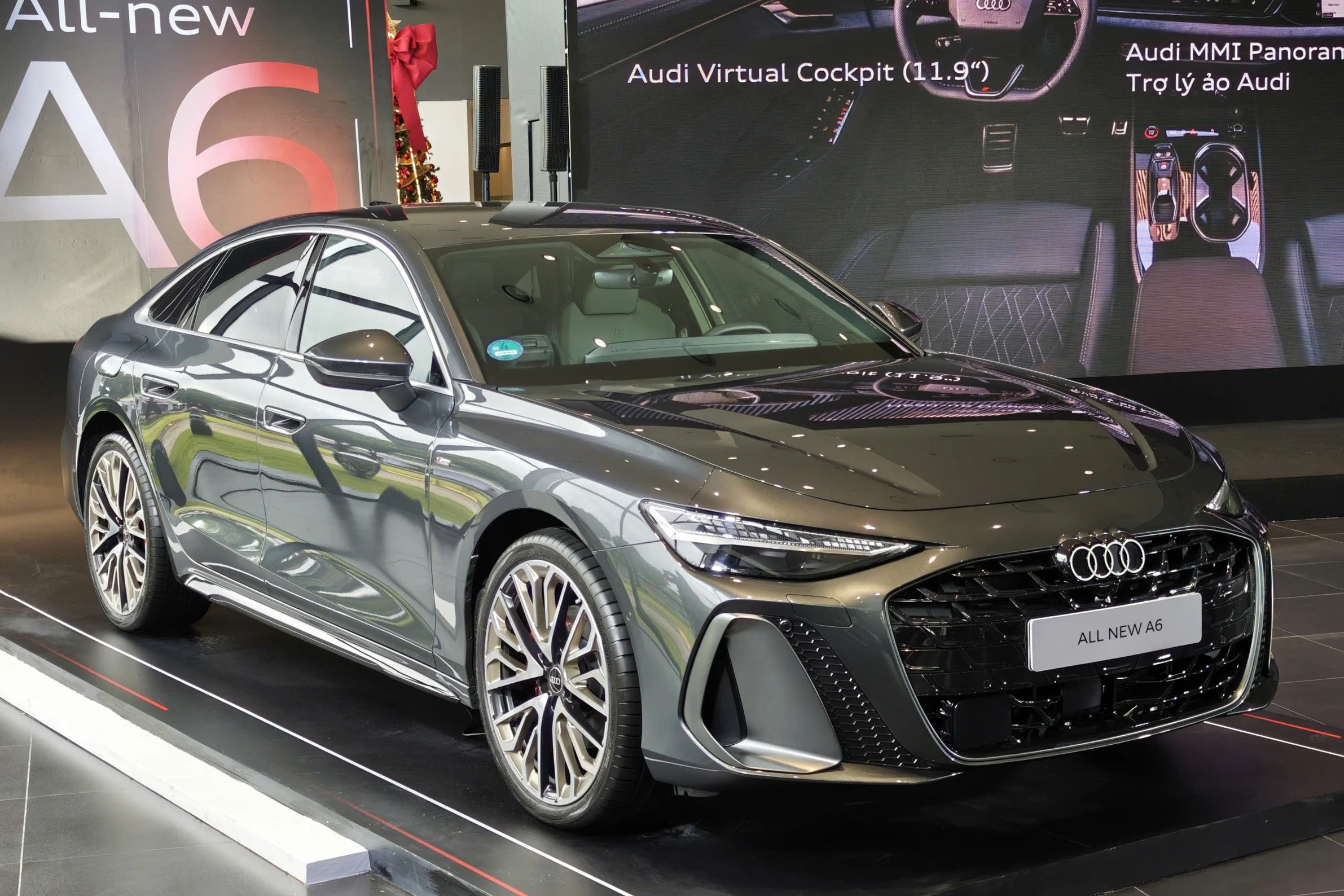
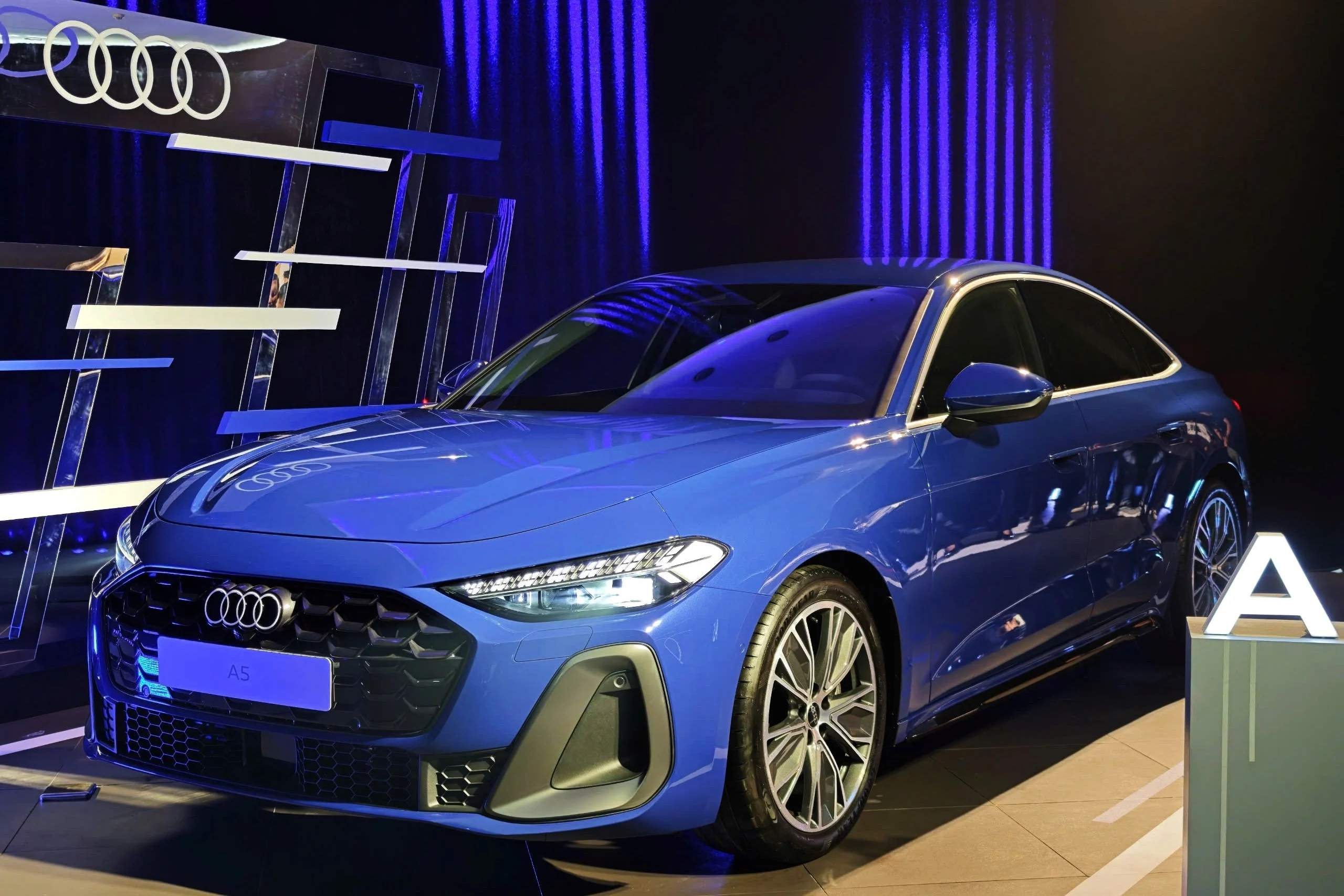
Not to be outdone, Audi introduced the A5 in Q2 and followed up with the A6 later in the year. The A5 is positioned against the BMW 3 Series and Mercedes‑Benz C‑Class, while the A6 targets the BMW 5 Series and Mercedes E‑Class price bracket.
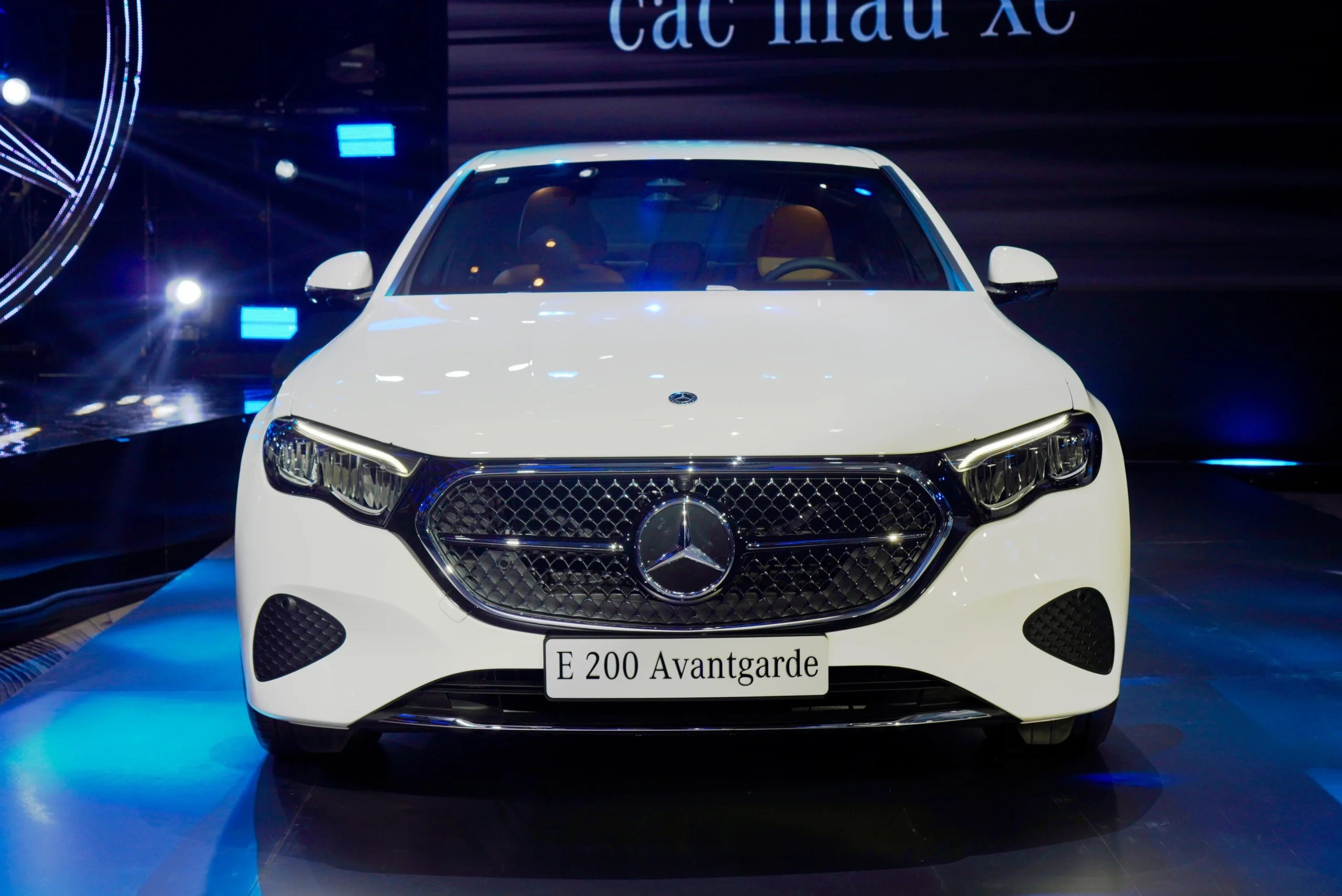
Mercedes‑Benz Vietnam released a new‑generation E‑Class with three trims, boasting sleek styling, a youthful tech suite, and up to three infotainment screens depending on the specification.
Volvo refreshed its flagship S90, stripping away the conventional gasoline engine to offer only the T8 Recharge plug‑in hybrid. The move sparked debate among enthusiasts but underscored the brand’s shift toward electrification.
Even mainstream European players got in on the action. Volkswagen rolled out nearly ten variants of the sporty Golf hatchback, covering a wide price range from a few hundred million VND to close to VND 2 billion, aiming to appeal to speed lovers on a budget.
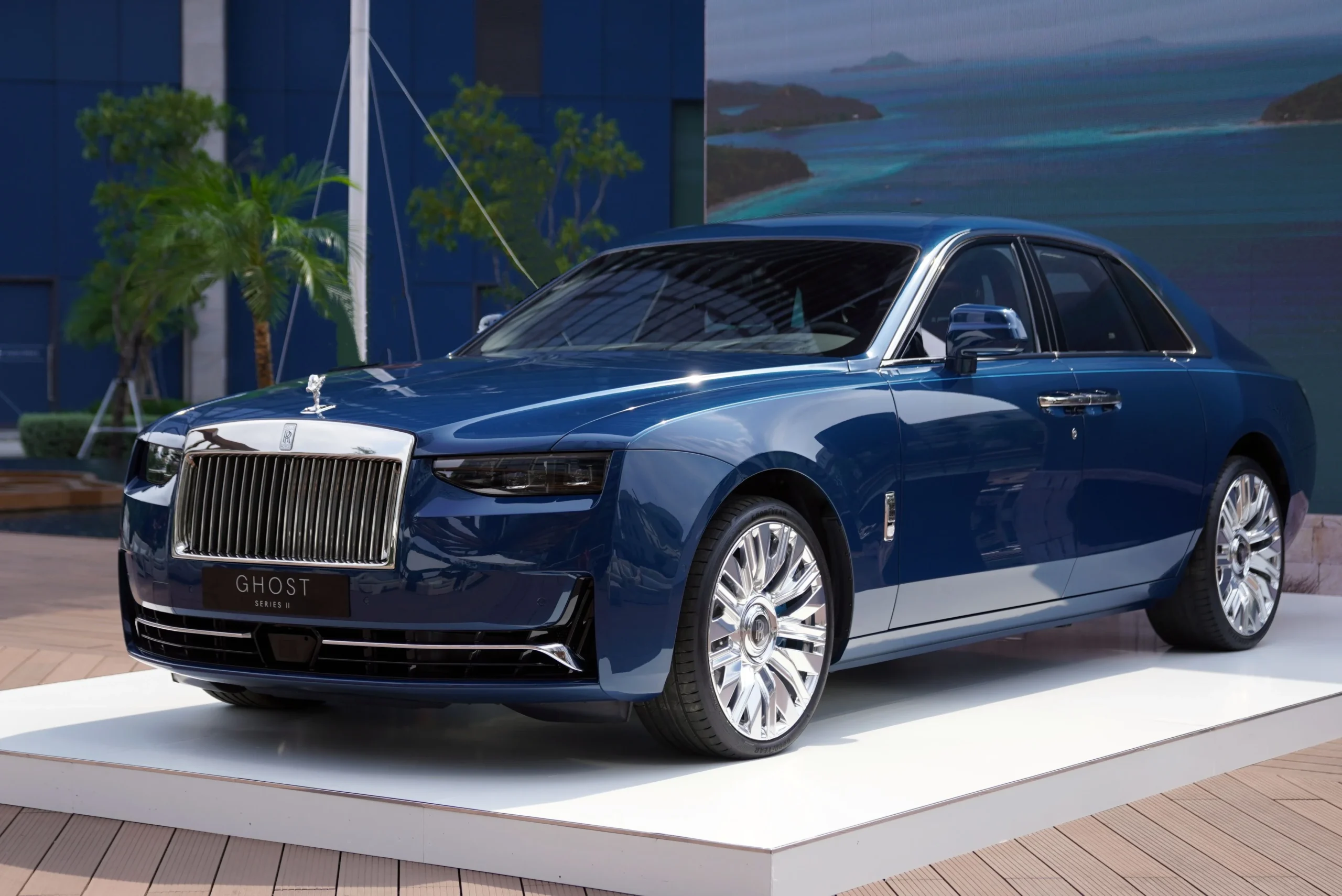
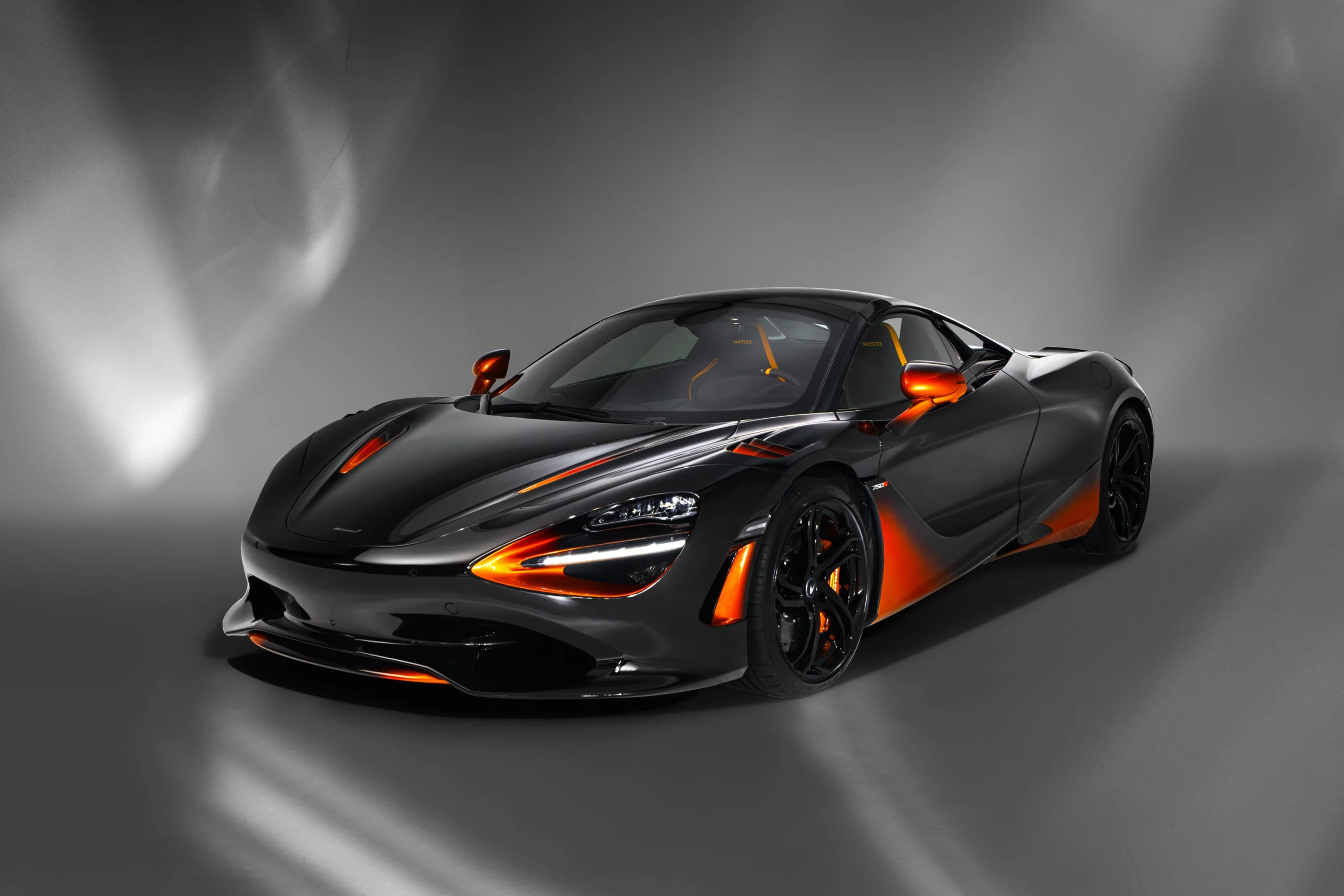
At the ultra‑luxury end, McLaren teased the 750S MSO Orange and Rolls‑Royce presented the Ghost Series II, turning the sedan arena into a showcase of cutting‑edge technology and premium craftsmanship.
Mass‑Market Sedans Struggle for Space
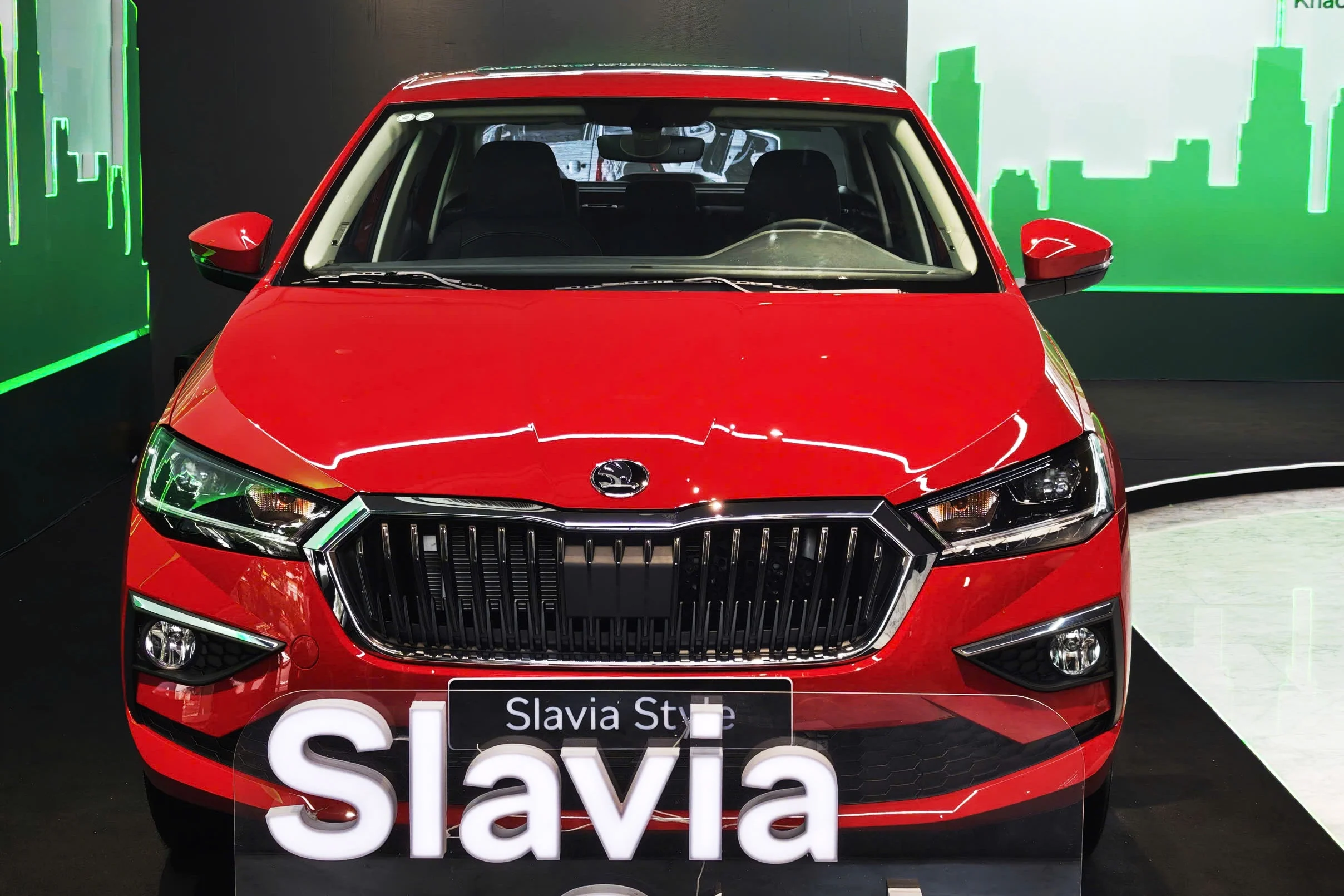
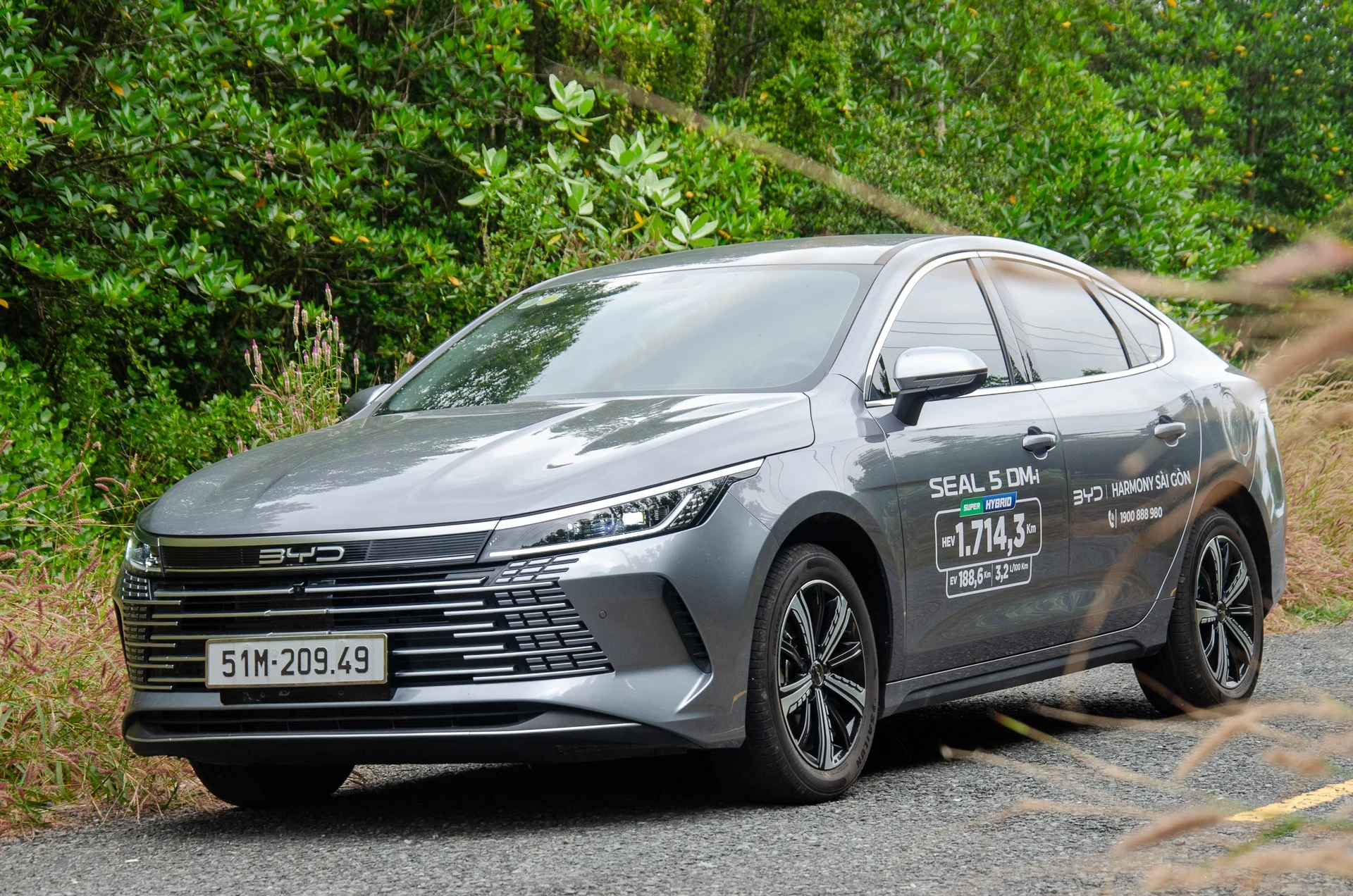
In stark contrast, the mass‑market segment barely added three new sedans by year‑end: the Skoda Slavia, Skoda Octavia RS and BYD Seal 5. Only the Octavia RS and BYD Seal 5 sit above the VND 1 billion mark; the Slavia is the sole truly affordable entry.
The Octavia RS, despite sharing its width with the Honda Civic and Kia K3, is tuned as a high‑performance sedan, standing shoulder‑to‑shoulder with the Volkswagen Golf R, Subaru WRX and Honda Civic Type R.
Both the Skoda Slavia and BYD Seal 5 bring fresh design language and innovative powertrains, yet they face an uphill battle against the SUV wave that has reshaped Vietnamese preferences.
Changing Vietnamese Preferences
Consumers looking to spend between VND 500 million and VND 900 million increasingly favor compact SUVs or versatile MPVs. The higher ride height, flexible interior space and perceived safety advantage of these vehicles eclipse the traditional appeal of a sedan.
This shift forces mainstream manufacturers to pour resources into the “high‑ground” battle, leaving the sedan segment stagnant, with few daring launches and limited technological breakthroughs.
What Lies Ahead for Sedans in Vietnam?
As emission standards tighten and the push for greener mobility gathers pace, the lingering question is whether the sedan can reclaim a golden era under a new drivetrain paradigm. Upcoming policies may open the door for electrified or hybrid sedans to re‑enter the spotlight, but for now, the divide between luxury innovation and mass‑market conservatism remains stark.
Stay tuned to see how manufacturers adapt their strategies and whether the sedan can once again become a centerpiece of Vietnam’s automotive future.