
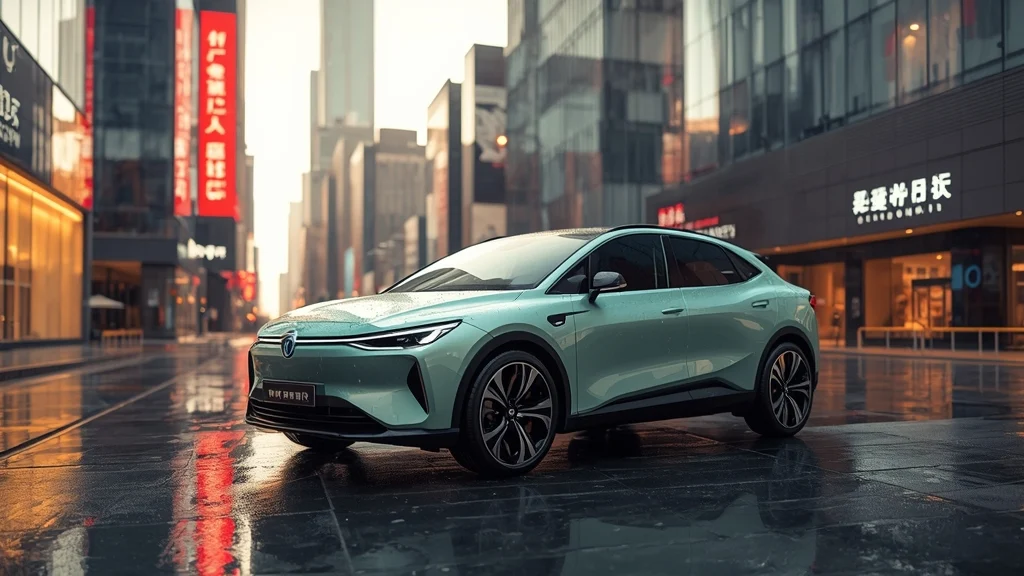
China offers hundreds of new cars under $25,000 while US prices soar. Discover the most affordable EVs and sedans driving the market. Read more!
For many car buyers in the United States, the dream of owning a brand-new, affordable vehicle is slipping away. As prices climb to historic highs, a starkly different reality is unfolding across the Pacific. In China, the automotive market has evolved into a competitive battlefield where affordability is the primary weapon.
A Tale of Two Markets: $51,000 vs. $25,000
The disparity in pricing between the US and Chinese markets is staggering. According to data from Kelley Blue Book via Reuters, the average price of a new car in the US hit a whopping $51,456 in March.
Meanwhile, in China, the landscape is entirely different. Data from DCar reveals that there are currently over 200 different models—including plug-in hybrids (PHEVs) and battery electric vehicles (BEVs)—available for under $25,000. This trend was on full display at the recent Beijing International Auto Show, the largest in history, featuring over 1,400 vehicles and 180 entirely new models.
The Rise of the Micro-EV: Budget Mobility
China has mastered the art of the “city car,” creating tiny, efficient vehicles that make urban commuting accessible to everyone. Some of the most notable budget champions include:
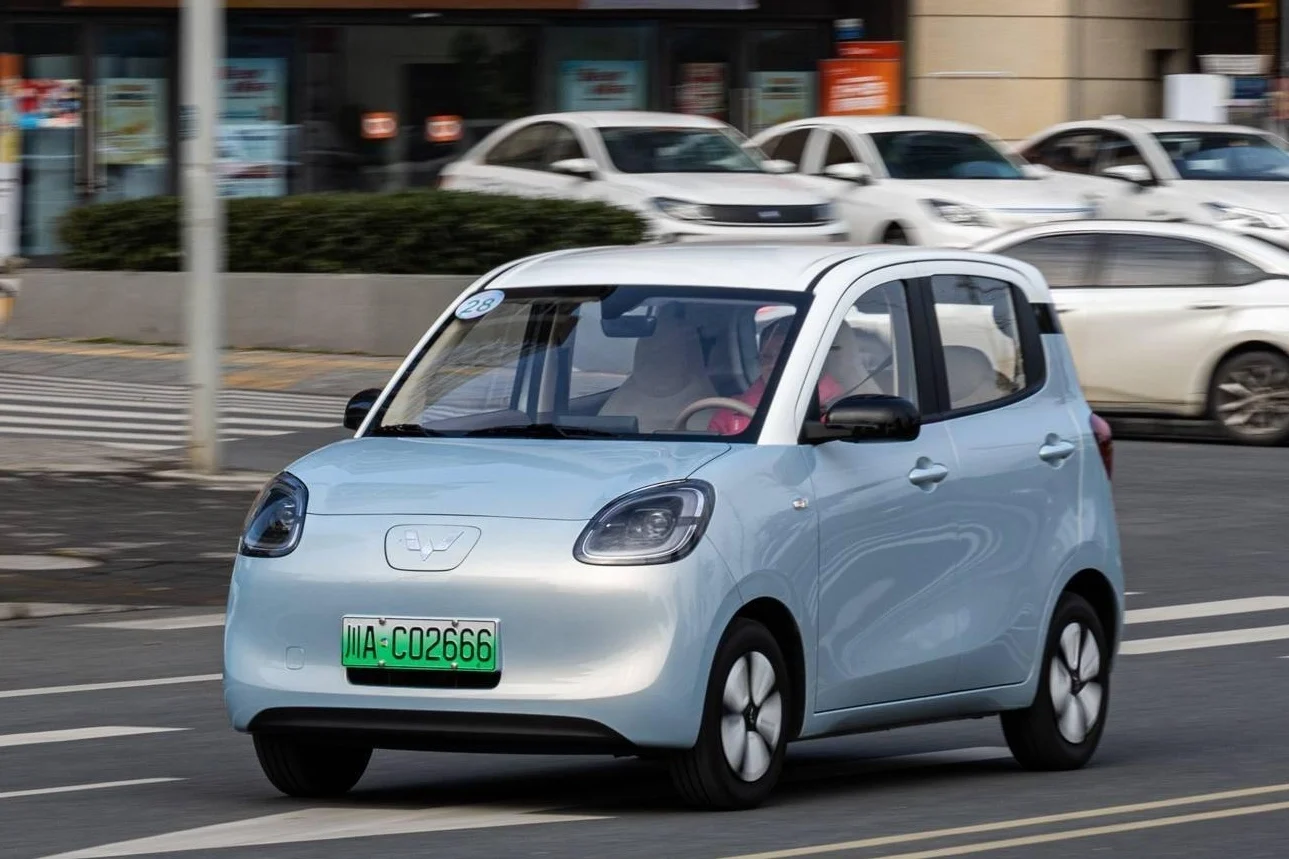
- Wuling Hongguang MiniEV: Starting at an unbelievable $6,560, this micro-EV is so compact that two older models could practically fit inside the bed of a Ford F-150. The 2026 version features a lengthened body and a more spacious rear seat, with a range of up to 204 km (CLTC).
- Wuling Bingo Pro: A slightly larger sibling to the MiniEV, the Bingo Pro starts at approximately $8,000, offering a range of 402 km and the necessary specifications to handle highway speeds.
- Geely EX2: With a starting price of $10,060, the EX2 has become one of China’s best-selling cars for 2025. It balances affordability with modern tech, boasting a 14.6-inch touchscreen and a range of 410 km in its top trim.
Affordability Without Compromise: The BYD Factor
Perhaps the most disruptive force in the market is BYD. Their Seagull (known as the Atto 1 or Dolphin Mini in some regions) starts at just $10,200. Unlike many budget cars, the 2026 Seagull doesn’t skimp on technology.
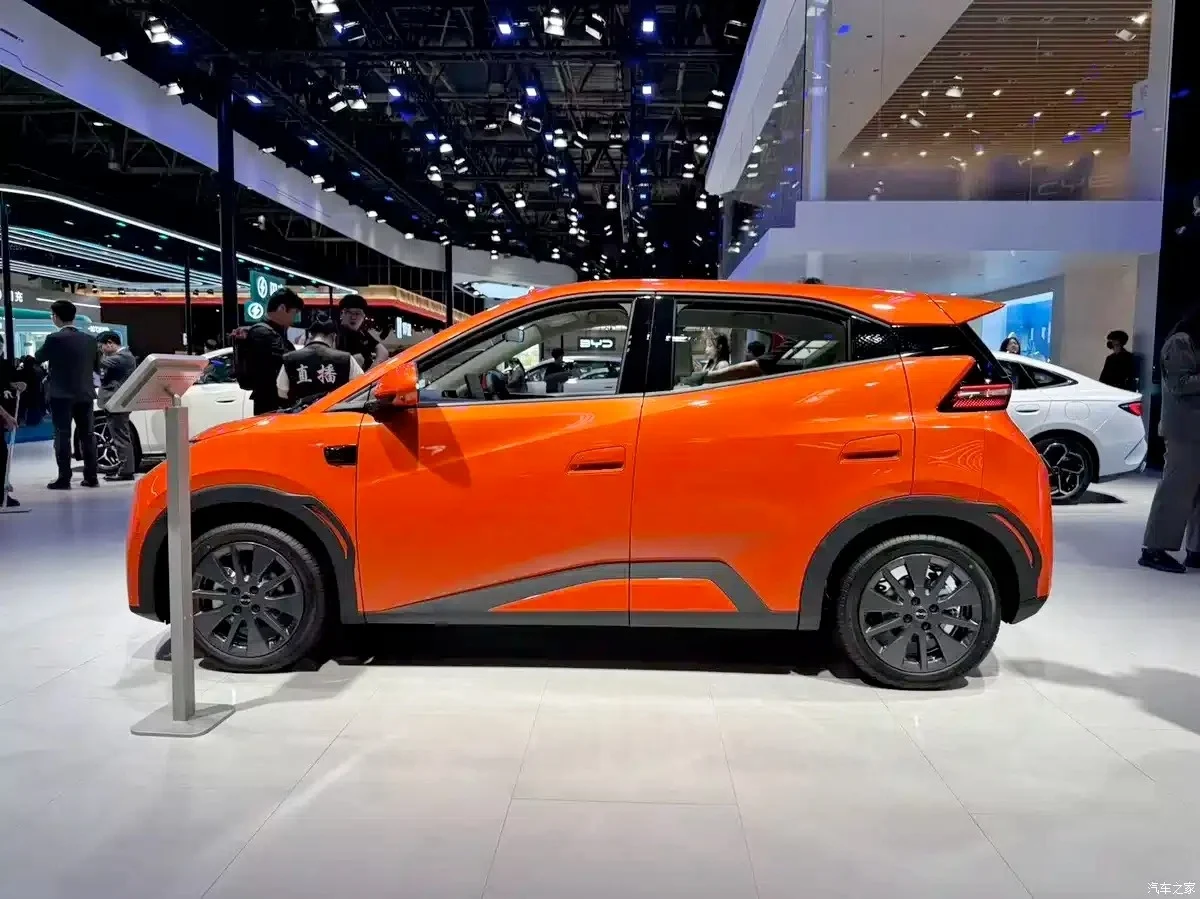
Despite its low price point, the Seagull offers high-end features such as LiDAR sensors for advanced driver assistance, lane-change functionality, fast charging, and an impressive range of up to 505 km. This blend of low cost and high tech is exactly why Chinese brands are gaining such rapid momentum globally.
Global Giants Forced to Compete
The price war in China isn’t just limited to domestic startups; established global giants like Volkswagen and Toyota are also slashing prices to stay relevant.
For instance, the Volkswagen Sagitar S, a C-segment sedan, starts at roughly $11,600 in China. To put that in perspective, it is less than half the price of a Volkswagen Jetta in the US, which retails for around $23,995. Similarly, Toyota recently introduced the bZ7 sedan—a vehicle longer than a Tesla Model S—with a starting price of just $21,500.
Conclusion: A New Era of Automotive Competition
From budget-friendly city cars to full-sized SUVs and pickups, brands like Geely, Chery, and BYD are filling every possible market gap. The current state of the Chinese market is so aggressive that some of their new vehicles cost less than the monthly installments a typical American buyer pays for a used car.
As these manufacturers look toward international expansion, the global automotive industry may be on the verge of a massive price correction, potentially making new, high-tech transportation accessible to millions more worldwide.