
BYD is rapidly expanding its EV footprint in Japan and Germany. Discover how the Chinese giant is challenging local markets. Read more!
The global automotive landscape is shifting as BYD, the world’s largest electric vehicle (EV) manufacturer, aggressively expands its reach into two of the most challenging markets: Japan and Germany. Faced with fierce domestic competition and dwindling subsidies in China, the Shenzhen-based giant is pivoting its strategy toward international growth.
Breaking Into the Home of Auto Giants: BYD in Japan
Entering the Japanese market is no small feat, given the country’s deep loyalty to domestic brands. However, BYD is making significant strides. In March, the company saw a dramatic surge, registering 625 vehicles—a staggering 91.1% increase compared to the previous year.
Growth Metrics and Market Share
Data from the Japan Automobile Importers Association (JAIA) reveals that BYD delivered 327 new energy vehicles in March alone. Analysis suggests that BYD’s deliveries for the first quarter reached 1,142 units (including battery electric and plug-in hybrid vehicles), representing a growth of over 100%.
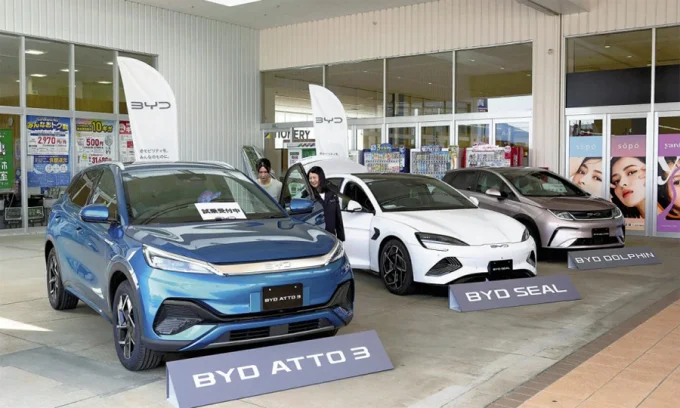
While these numbers are promising, BYD remains a niche player in the broader Japanese market. In March, out of 407,564 total vehicles sold in Japan, new energy vehicles (NEVs) accounted for only 4.15%. However, when looking specifically at imported NEVs, BYD’s influence is much stronger, claiming a 10.3% market share in March.
Overcoming Headwinds
The road to success isn’t without bumps. BYD is currently navigating a challenging regulatory environment as Japan adjusts its NEV subsidy policies. Subsidies per vehicle have dropped sharply from roughly 350,000-400,000 yen ($2,200-$2,520) to just 150,000 yen ($945), creating a hurdle for rapid sales growth.
Despite this, BYD is determined to reach its target of 10,000 vehicles per year. The current lineup in Japan includes:
- Pure EVs: Sealion 7, Atto 3, Dolphin, and Seal.
- Plug-in Hybrid: Sealion 6.
To further solidify its position, BYD plans to launch the Racco, an affordable urban EV priced around 2.5 million yen (approx. $15,730), this summer.
Challenging the Autobahn: BYD’s Rise in Germany
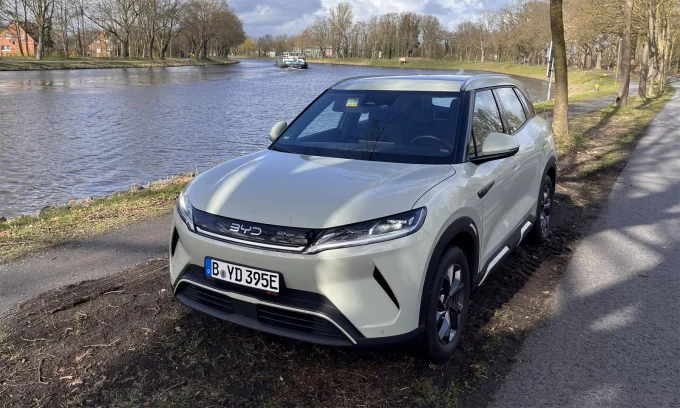
In Europe, BYD is finding a welcoming audience in Germany. Driven by rising fuel costs and a demand for affordable electric alternatives, German consumers are increasingly looking toward Chinese brands.
Strong Consumer Interest
According to the online marketplace Carwow, BYD was one of the fastest-growing brands in Germany during the first quarter, recording a 135% increase in purchase inquiries. The company’s SUV range and the budget-friendly Dolphin hatchback are putting significant pressure on European manufacturers to develop more affordable EV options.
Registration Spikes
The numbers from the Federal Motor Transport Authority (KBA) are equally impressive. BYD saw registrations skyrocket by 327% in March. While its 1.2% market share is still dwarfed by Volkswagen’s 17.9%, the trajectory is clear: Chinese EVs are gaining traction.
Industry analysts note that Chinese brands, including MG, are benefiting from a combination of high gasoline prices fueled by Middle East tensions and the rising cost of new European-made vehicles.
A Strategic Pivot Toward Global Dominance
BYD’s aggressive push into Japan and Germany is part of a larger global strategy. As subsidies phase out in China and price wars intensify at home, export markets have become the company’s top priority.
Recent data indicates a massive shift in BYD’s business model. With overseas sales now accounting for more than 50% of the brand’s total volume, every new market—from the streets of Tokyo to the Autobahns of Germany—is critical to BYD’s long-term goal of global leadership in the electric era.