
BYD pivots to international markets to offset China’s fierce price wars. Explore their strategy to hit 1.5M global sales by 2026. Read more!
Chinese automotive giant BYD is doubling down on its international ambitions. The company has expressed strong confidence in its ability to reach, and potentially exceed, a sales target of 1.5 million vehicles in overseas markets by 2026, according to analysts following a recent financial report.
A Strategic Pivot Toward Global Markets
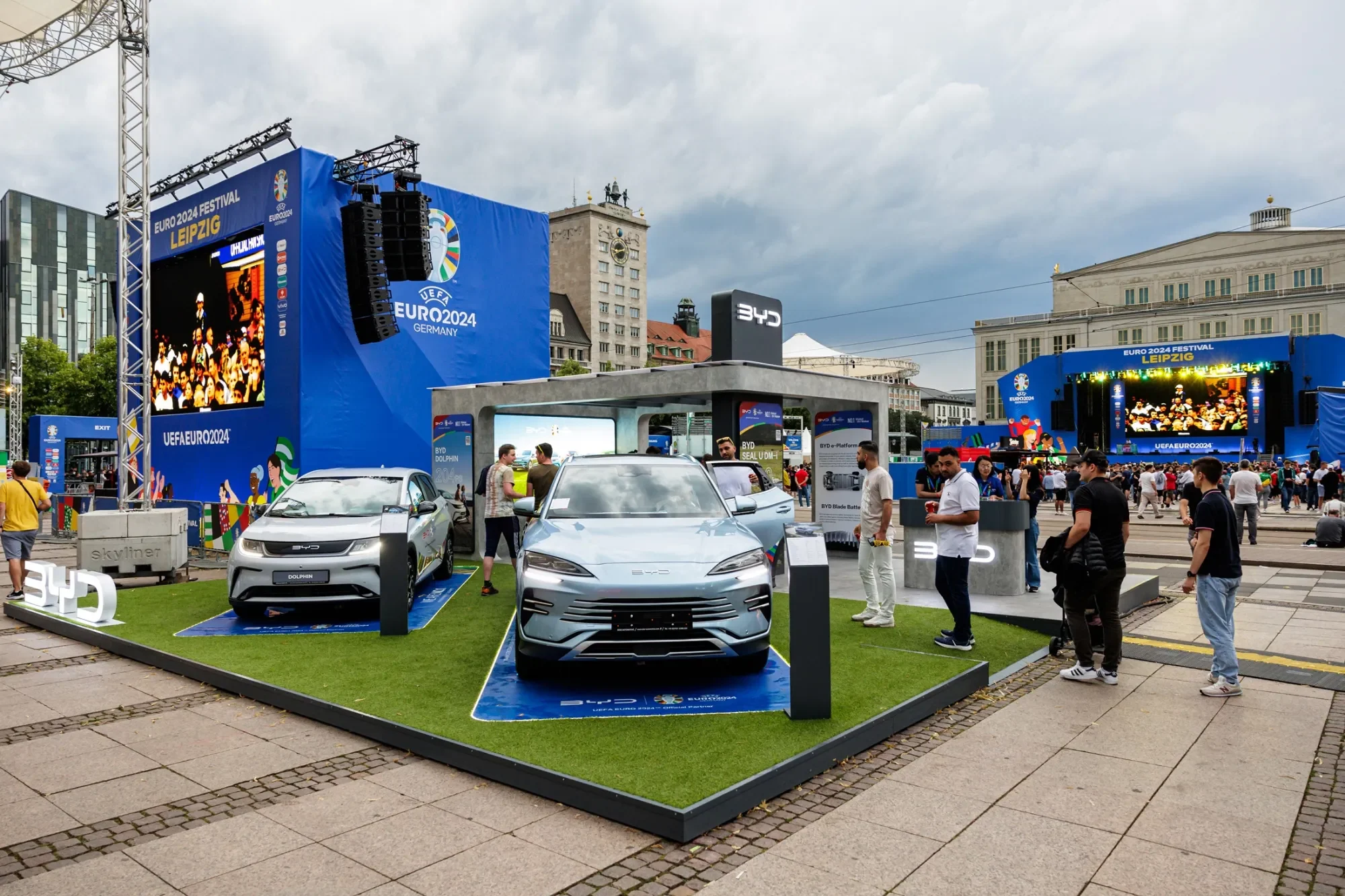
In a significant shift in strategy, BYD indicates that international markets could eventually account for up to half of the company’s total global sales. This move represents a critical evolution for the world’s largest electric vehicle (EV) manufacturer as it seeks to diversify its revenue streams beyond its home borders.
While the company had previously shared an even more aggressive target of 1.6 million exports with Citi in late 2025, the current goal of 1.3 to 1.5 million remains highly ambitious. The momentum is already visible; the proportion of international sales relative to total volume surged from 22.7% in 2025 to approximately 50% in the first two months of 2026 alone.
Escaping the ‘Price War’ in China
The urgency to expand globally is driven by a challenging environment within China. BYD recently reported a sharper-than-expected decline in profits for 2025, largely attributed to a brutal price war in the domestic market. With weakening demand and intensifying competition among local players, the “home court” advantage is diminishing.
To counter this, BYD is avoiding the temptation to trigger similar price wars abroad. Instead, the company is focusing on technological innovation and R&D, positioning itself as a premium technology leader rather than a budget-only option.

Localization: The Key to Scaling
To support this massive expansion, BYD is implementing a localization strategy to reduce logistics costs and bypass trade barriers. Key highlights include:
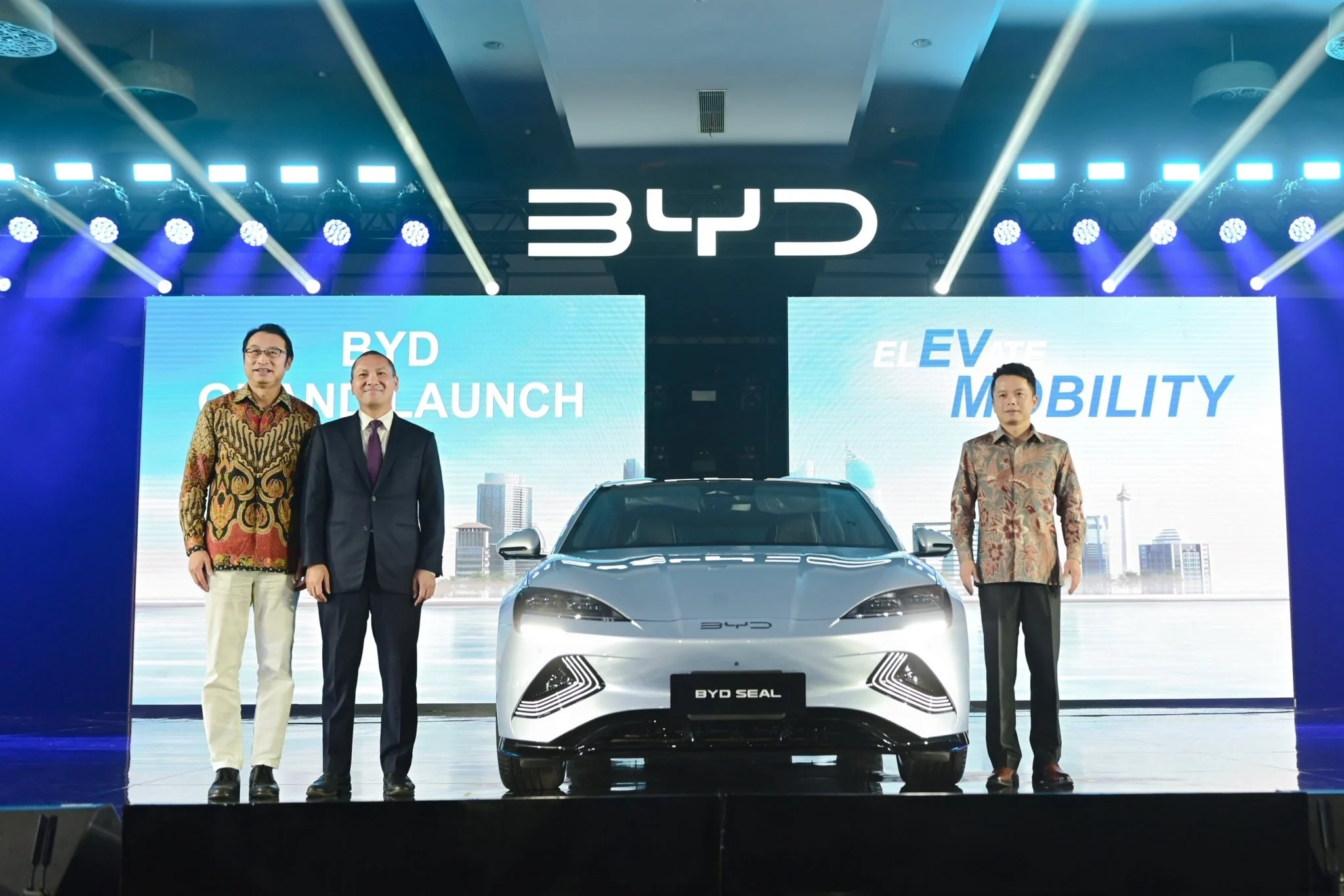
- New Production Hubs: Factories in Europe and Indonesia are expected to begin mass production by March or April 2026.
- Supply Chain Efficiency: By manufacturing closer to the end consumer, BYD aims to improve delivery speeds and significantly lower shipping overheads.
- R&D Investment: Continued heavy investment in research to ensure their vehicles meet regional standards and consumer preferences.
Regulatory Shifts in the Home Market
Parallel to its global push, the Chinese government is stepping in to stabilize the domestic auto industry. Authorities have recently issued pricing guidelines to curb “unfair competition,” specifically targeting the practice of selling vehicles below production cost. This regulatory move is intended to prevent a race to the bottom that could bankrupt manufacturers.
Case Study: Early Success in Vietnam
BYD’s international strategy is already yielding results in emerging markets. In Vietnam, the brand saw 3,709 new registrations in 2025. The growth was led by two standout models:
- BYD M6: The all-electric MPV, which recorded 1,348 units.
- BYD Sealion 6: The hybrid SUV, which saw 1,125 units registered.
As the domestic Chinese market becomes increasingly crowded, BYD’s bet on global expansion is no longer just an option—it is a necessity for long-term sustainable growth.