

Explore why BYD’s net profit fell 19% in 2025, the challenges it faces, and what it means for the global electric‑vehicle race. Read more now.
Chinese electric‑vehicle titan BYD reported a 19% drop in net profit for the last fiscal year, slipping to ¥32.6 billion (about $4.72 billion). It marks the first annual loss in four years and far exceeds analysts’ average forecast of a 12.1% decline.
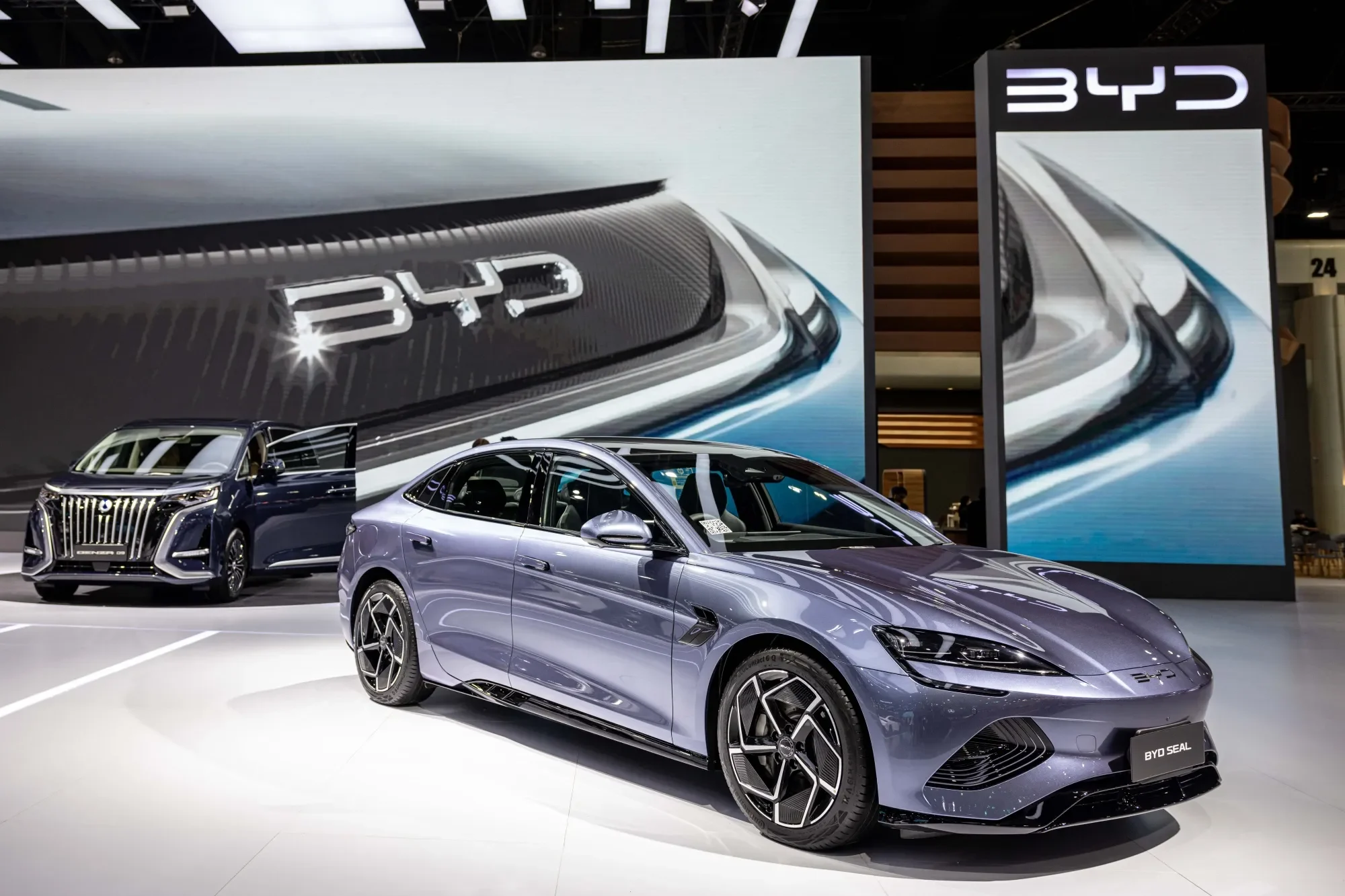
Why the sharp fall?
The dip reflects intensifying price competition in the EV sector, especially as rivals such as Leapmotor and Geely close the technology gap that BYD once dominated with budget models like the Dynasty and Ocean ranges.
Domestic headwinds, overseas hope
Although BYD remains China’s largest automaker in 2025, it slipped to fourth place in the January‑February 2026 window, posting the steepest sales slowdown since the COVID‑19 pandemic. Revenue growth slowed to 3.5% – the weakest pace in six years – and the company trimmed its workforce by 10.2%, leaving 869,622 employees at year‑end.
Quarterly performance highlights
- Q4 2025 profit fell 38.2% YoY to ¥9.3 billion, marking the third consecutive declining quarter.
- Gross margin from automotive and related products (which account for 80.7% of revenue) dropped to 20.5%, down 1.8 percentage points.
- Despite the earnings hit, BYD shares rose 3.7% in Hong Kong before the announcement and closed up 2.1% in Shenzhen.
Strategic outlook for 2026
CEO Wang Chuanfu warned that the “new energy vehicle” market is entering a brutal knockout‑stage competition. He reaffirmed BYD’s commitment to expanding internationally while upgrading technology to stay ahead of price‑driven rivals.
Macquarie analyst Eugene Hsiao echoed this view, suggesting that a focus on tech improvements—rather than pure price cuts—will be crucial as BYD seeks growth both abroad and through deeper localisation in China.
Policy pressures and product mix
BYD, which produces only battery‑electric (BEV) and plug‑in hybrid (PHEV) models, felt the impact of the recent removal of tax‑exempt incentives for new‑energy cars. New subsidy rules now favour higher‑priced models, squeezing sales of its low‑cost lineup.
Data from DATADIC shows that more than 61% of BYD’s domestic sales in November 2025 came from vehicles priced under ¥150,000 (≈ $21,700). To revive demand, the company launched 11 new models featuring faster charging and promised to expand its charging network, yet analysts remain skeptical that premium offerings can offset the market’s preference for affordable EVs.
International revenue and cash flow
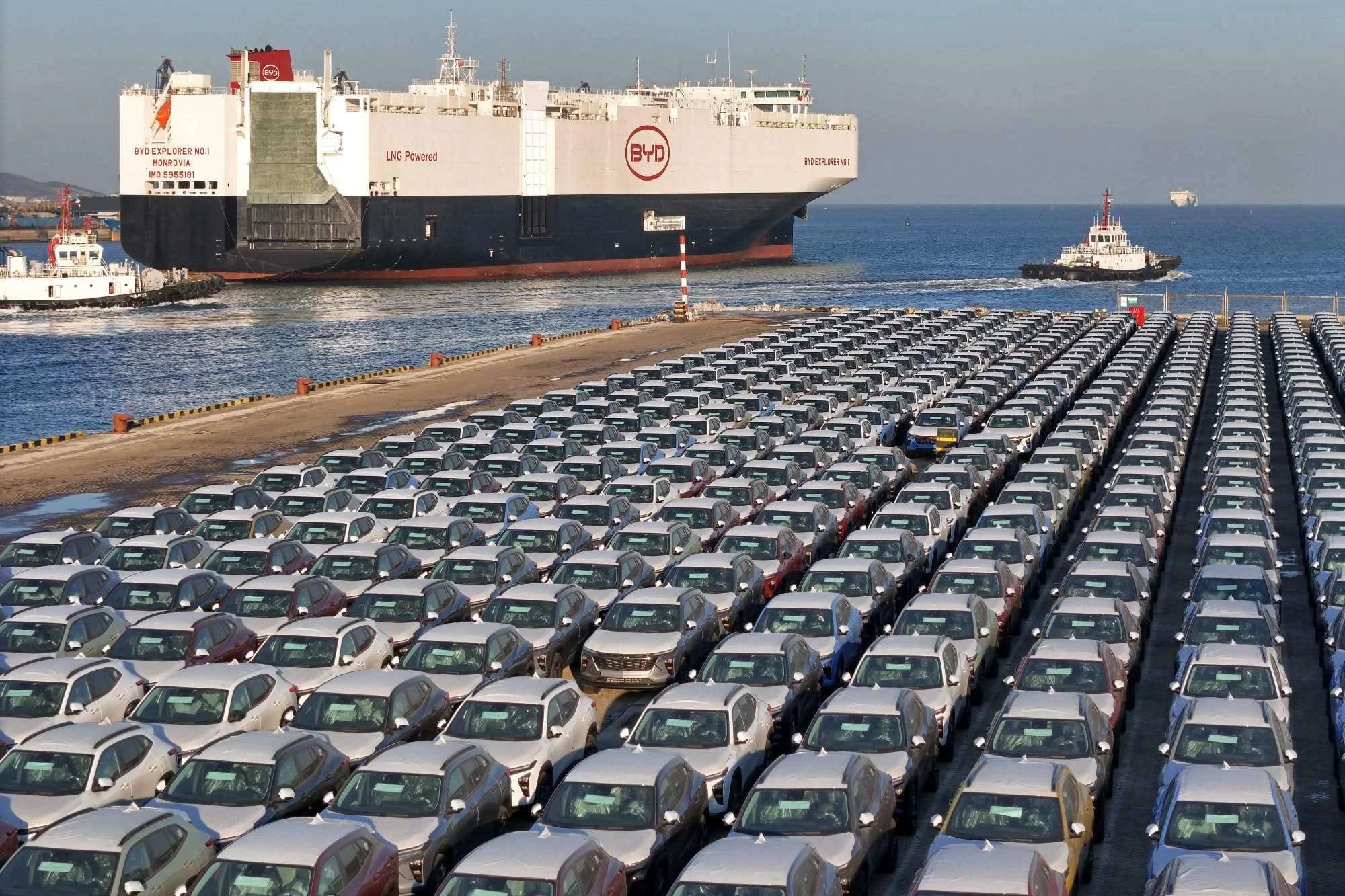
BYD reported a 5% rise in revenue from vehicles and related products, driven mainly by stronger sales and healthier margins in overseas markets. However, the firm faces liquidity strain under new regulations that require timely payments to suppliers, a sector already squeezed by the price war. Working capital remains negative at ¥‑97 billion, an improvement from a ¥‑122.7 billion deficit mid‑year but still a concern.
How competitors are faring
Domestic peers are showing a more optimistic picture: Geely posted a 36% jump in core profit for 2025, while Xpeng recorded its first quarterly profit.
Bottom line
BYD’s profit contraction underscores the mounting challenges in the global EV arena—rising competition, shifting subsidies, and a delicate balance between volume growth and profitability. The coming year will test whether the company can convert its international push and technology upgrades into sustainable earnings.