
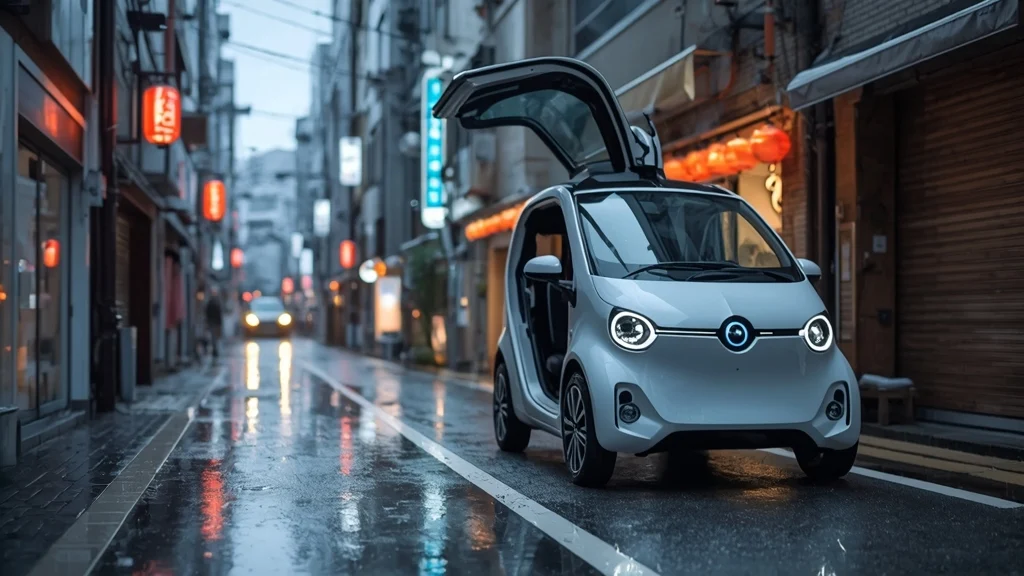
BYD hires ex-Nissan kei‑car engineer Hirohide Tagawa to shape the Racco electric micro‑car for Japan. See specs, price and market impact – read more!
Chinese automaker BYD is set to debut a brand‑new electric micro‑car in Japan this summer – the Racco. What makes the launch noteworthy is BYD’s recruitment of Hirohide Tagawa, a veteran Nissan engineer who helped shape the company’s iconic kei‑car lineup for three decades.
Why the Kei‑Car Segment Matters
Japan’s kei‑car class is a unique niche defined by strict limits on length, width, engine displacement and power output. These constraints keep vehicles affordable, tax‑friendly and ideally sized for crowded city streets. Despite the restrictions, kei‑cars remain popular, accounting for a sizeable share of domestic registrations.
Tagawa’s Nissan Legacy
Hirohide Tagawa joined Nissan in the early 1990s and spent roughly 25‑30 years steering the brand’s small‑car strategy. Internally dubbed a “visionary for compact cars,” he contributed to the development of models such as the Dayz and the electric Sakura, which marked Nissan’s push into mass‑market electric kei‑cars.
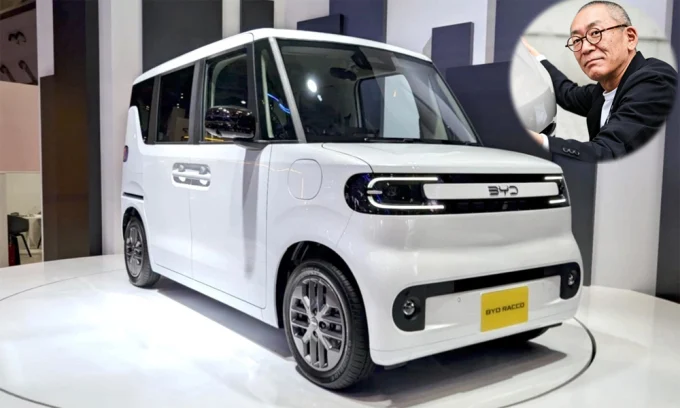
After leaving Nissan, Tagawa moved to BYD’s Japanese subsidiary, where he now applies his deep knowledge of local regulations, packaging efficiency and cost optimisation to the Racco project.
Racco: Specs and Features
- Battery: 20 kWh LFP pack
- WLTC range: ~180 km (112 mi)
- Fast‑charging: up to 100 kW DC
- Driver‑assist: Level‑2+ autonomous features
- Body style: high‑roof hatch with sliding rear doors for tight parking spaces
Pricing is expected to start around ¥2.5 million (≈ US$15,700), positioning the Racco within the mainstream kei‑car price band.
BYD’s Growing Footprint in Japan
Since entering the Japanese market in 2023, BYD has already launched the Dolphin, Seal and Yuan Plus (also sold as the Atto 3), with the Sealion 7 SUV slated for later this year. The Racco marks the company’s first purpose‑built kei‑car, a strategic move to win over urban Japanese buyers rather than simply rebadging a global model.
What This Means for the Market
By blending BYD’s electric‑vehicle expertise with Tagawa’s kei‑car pedigree, the Racco could challenge established domestic players and accelerate the shift toward electrified city mobility in Japan. The collaboration also signals BYD’s confidence in tailoring products to local regulatory environments – a key factor for success in the tightly regulated kei‑car segment.
Looking Ahead
Industry watchers will be keen to see how the Racco performs at the upcoming Tokyo Motor Show and whether its price‑point and features resonate with Japanese consumers. If successful, BYD may replicate the model‑specific approach in other markets that have size‑oriented vehicle categories.