Explore the BYD Seal 5, a budget-friendly C‑segment PHEV sedan under $30k, boasting roomy interior, solid performance and excellent fuel savings. Read more!
Exterior Design & First Impressions
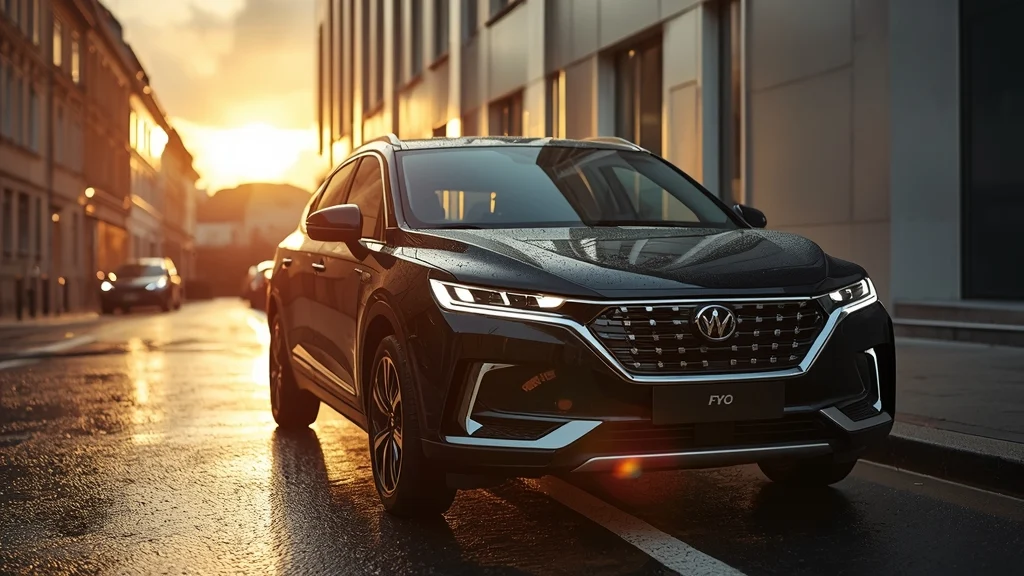
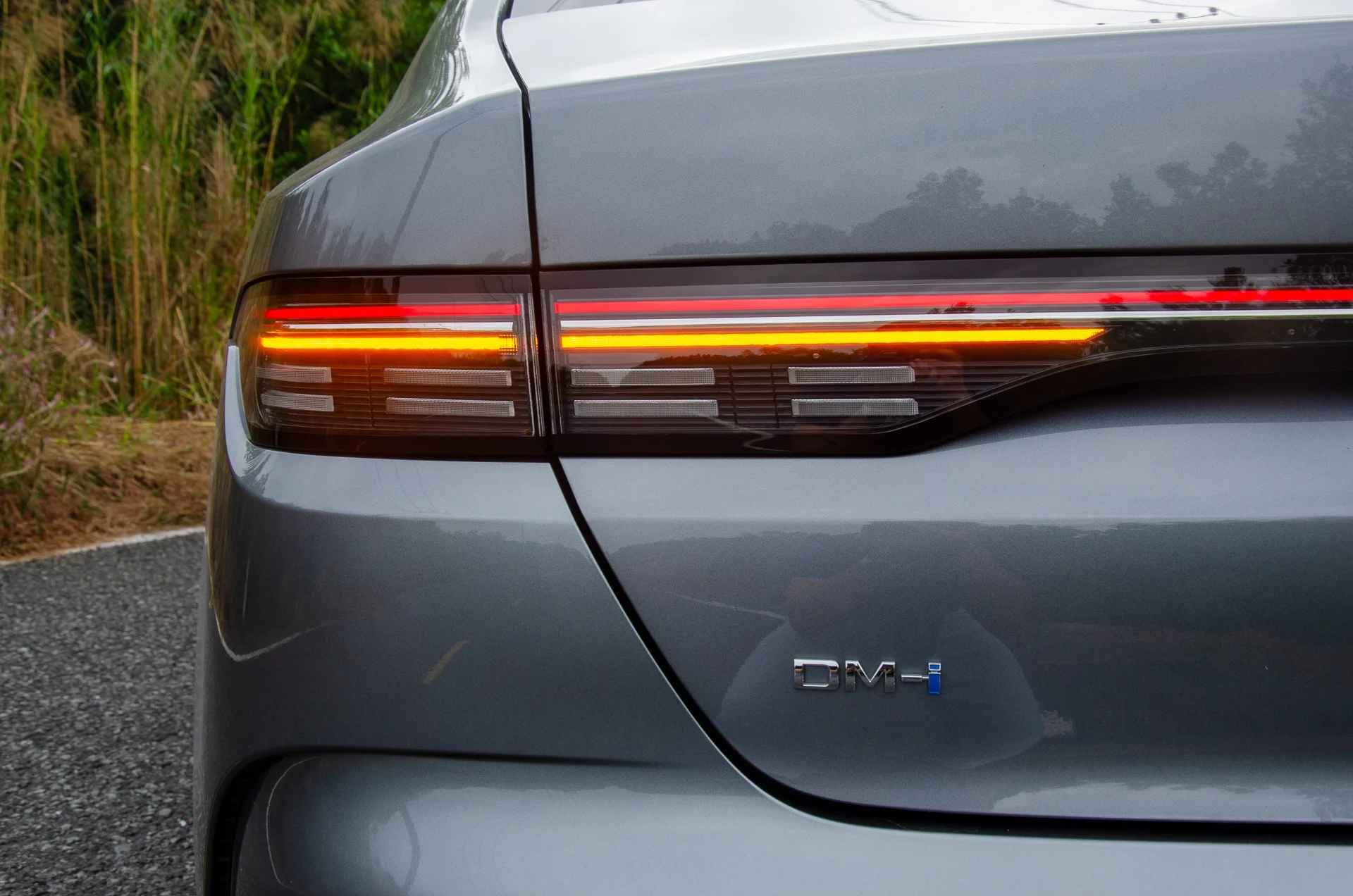
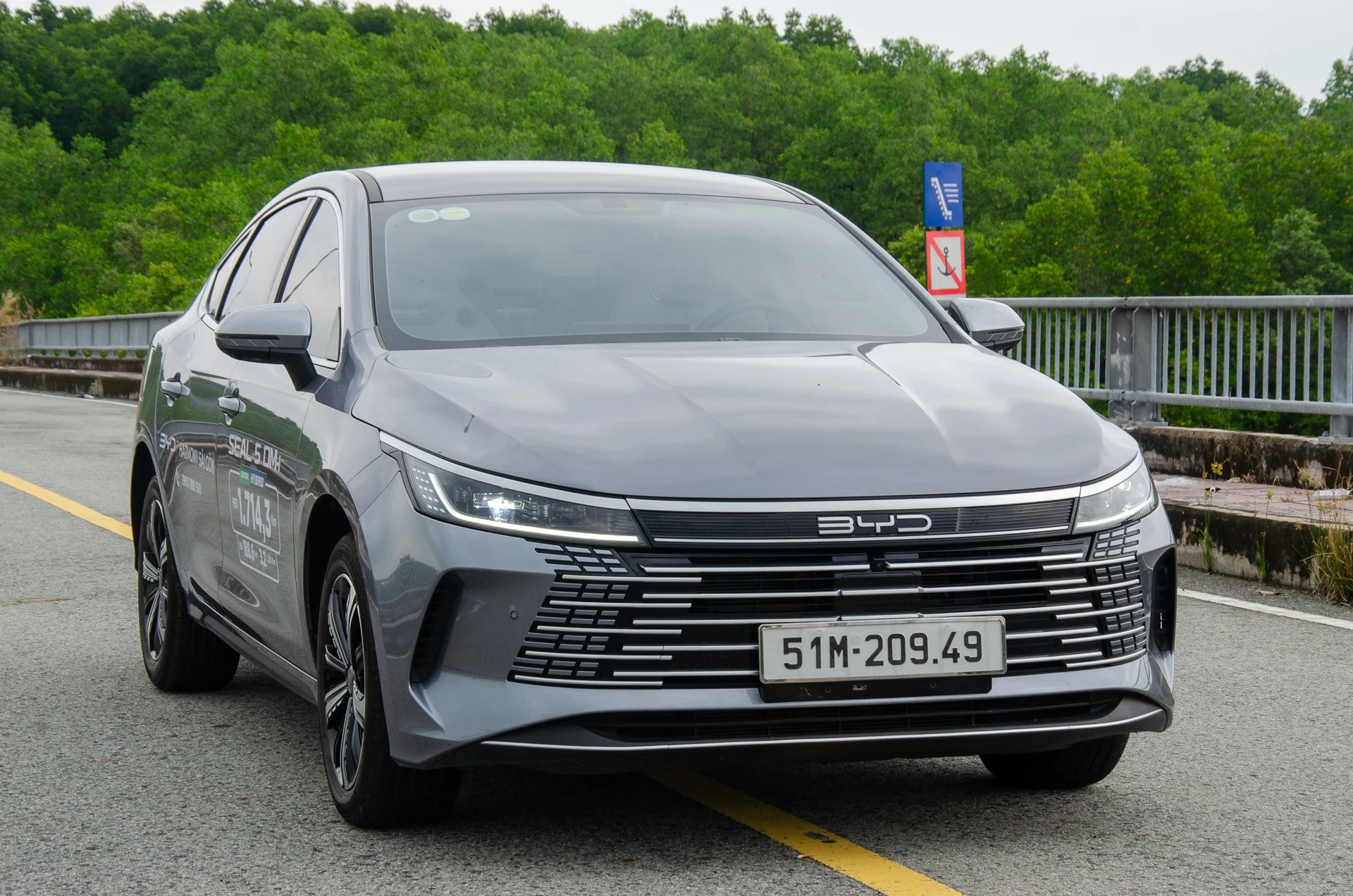
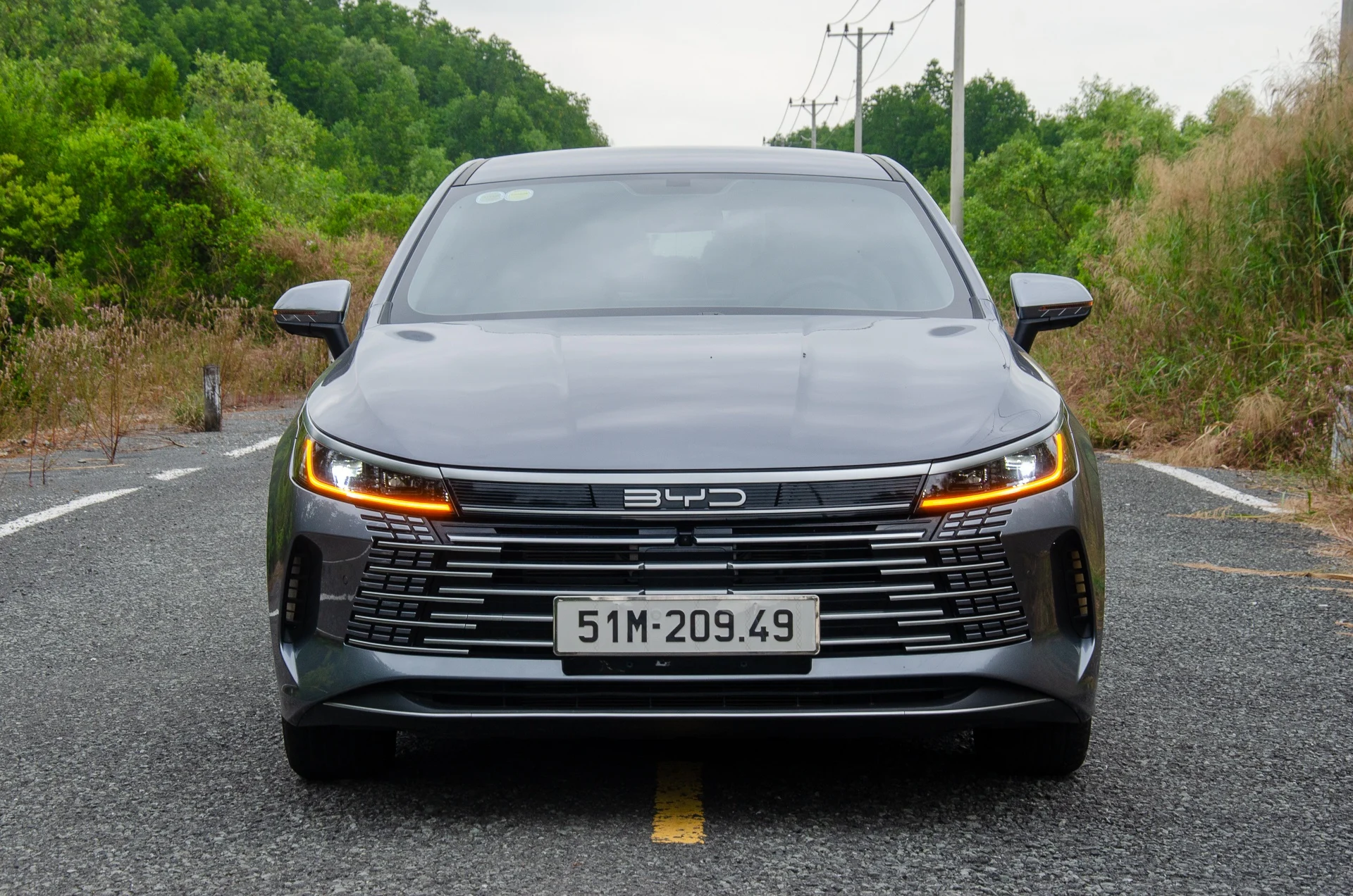
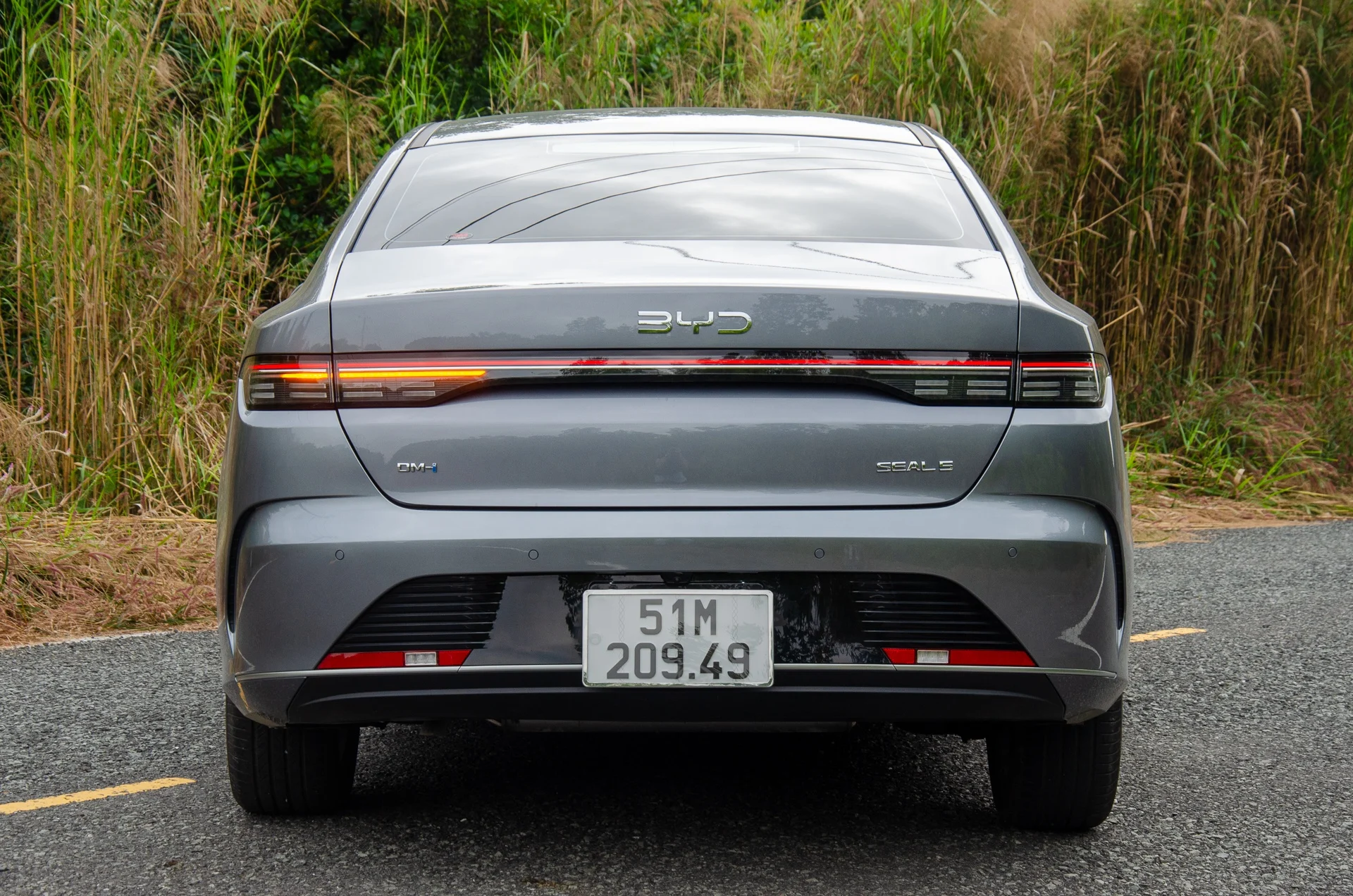
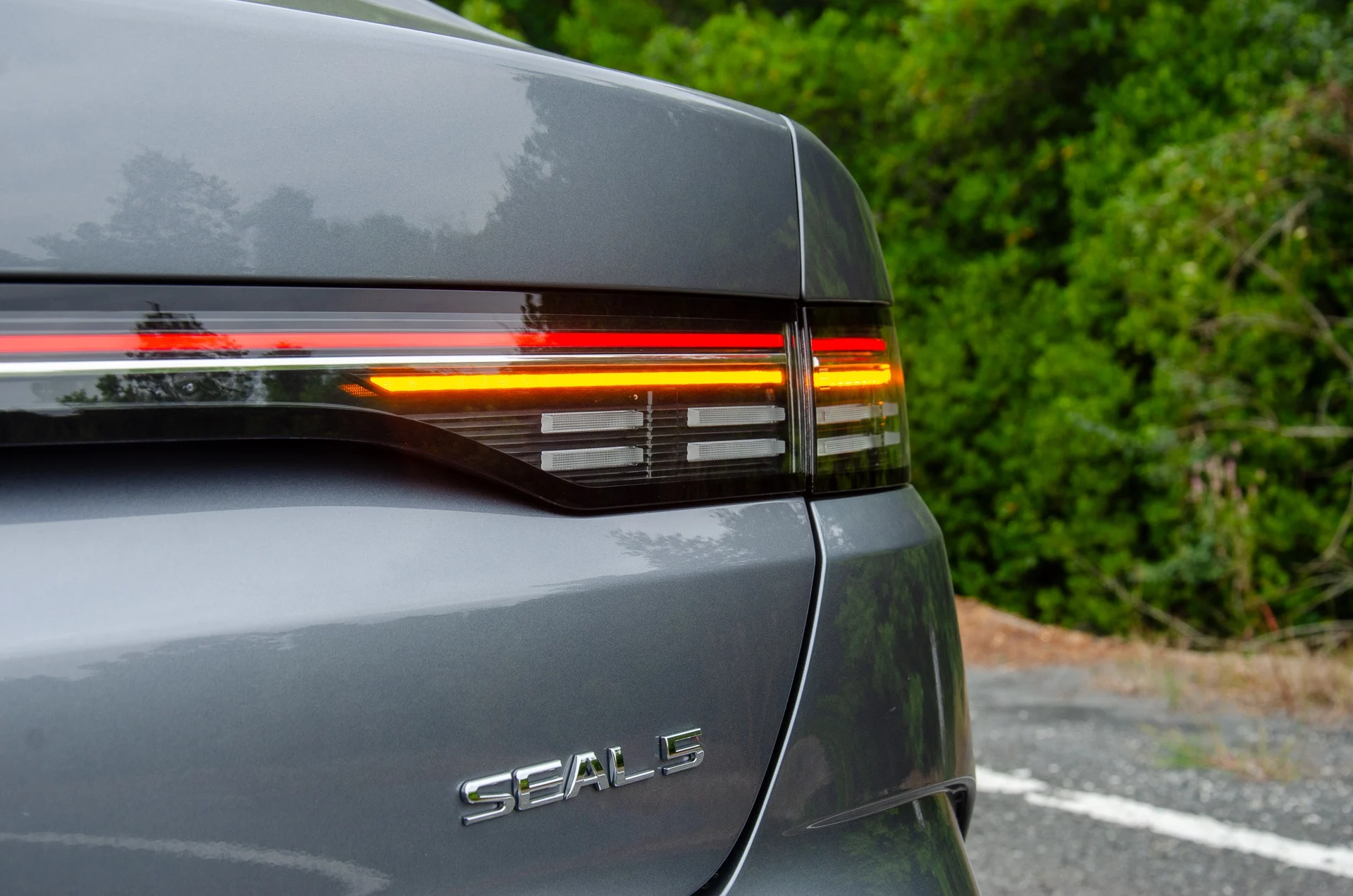
The BYD Seal 5 immediately catches the eye with a large, chrome‑finished, frameless grille that stretches across the front. A full‑LED headlamp strip runs seamlessly into the chrome trim, centered by the BYD logo. Rear LEDs are integrated into a smooth unit that offers dynamic lighting patterns. Standard 17‑inch two‑tone alloy wheels and subtle body creases give the sedan a poised, modern look.
Dimensions, Space & Practicality
Measuring 4,780 mm × 1,837 mm × 1,495 mm (L × W × H) with a 2,718 mm wheelbase, the Seal 5 sits at the top end of the C‑segment in Vietnam. The generous length and wheelbase translate into a roomy cabin, offering ample legroom for both front and rear passengers. The trunk provides a usable 450 L of cargo space, making it suitable for daily errands and weekend trips.
Powertrain & Fuel Efficiency
Under the hood sits BYD’s 1.5 L “Xiaoyun” gasoline engine paired with a 145 kW front‑axle electric motor and an 18.3 kWh battery pack. The combined output positions the Seal 5 as a true plug‑in hybrid (PHEV) – a rarity in the C‑segment.
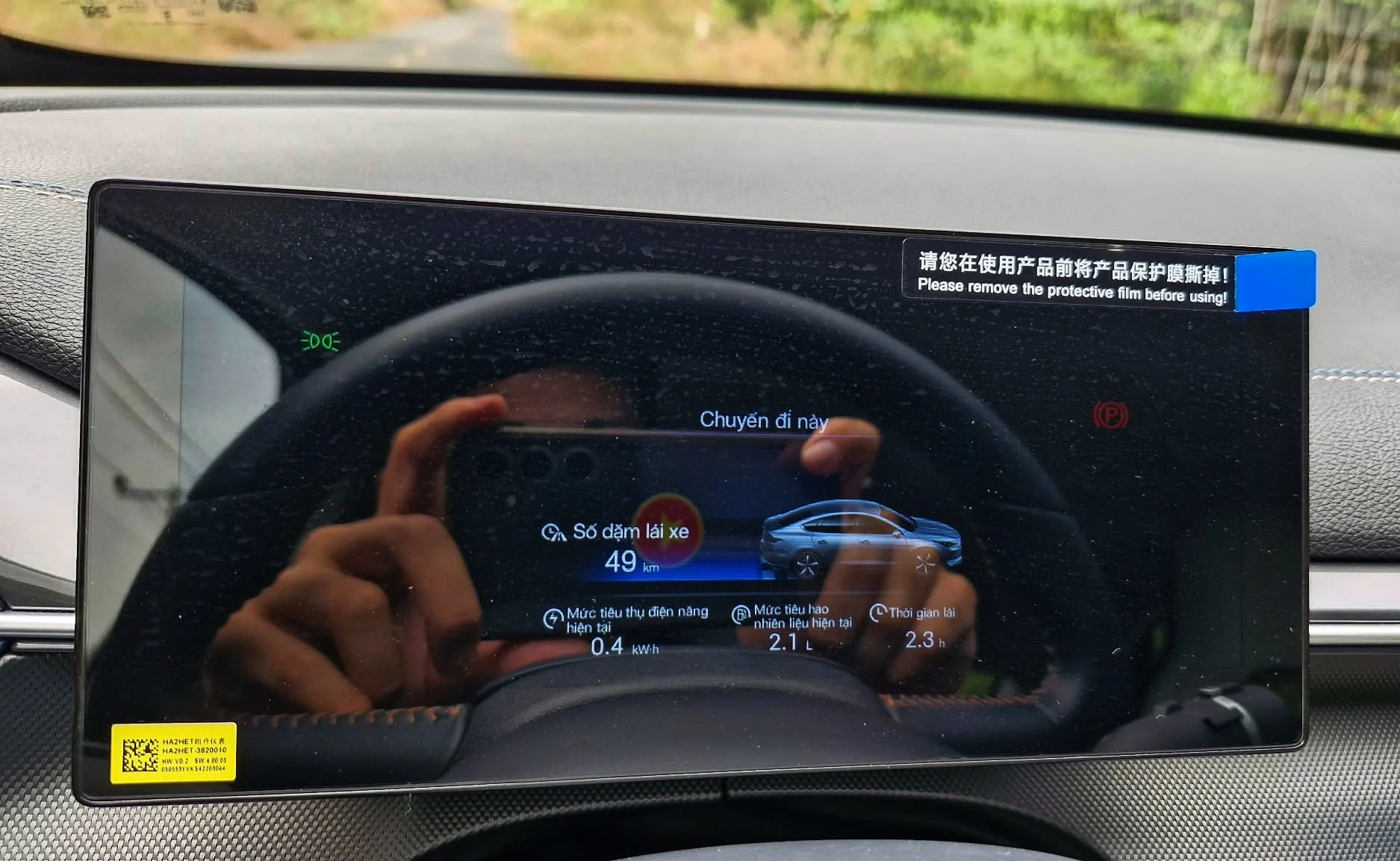
In real‑world mixed‑city driving with the battery at roughly 70 % state‑of‑charge, the car consumes around 2.1 L/100 km of gasoline, comparable to the fuel use of many motorbikes. BYD claims an ideal‑condition consumption of 0.8 L/100 km when the battery is fully charged and the vehicle runs at 50‑60 km/h, delivering a combined electric‑plus‑gas range of over 1,200 km.
Drivers can switch between pure‑EV mode for short inner‑city trips (even reaching zero‑fuel consumption) or let the gasoline engine act as a generator to extend the electric range when charging stations are unavailable.
Interior Features & Technology
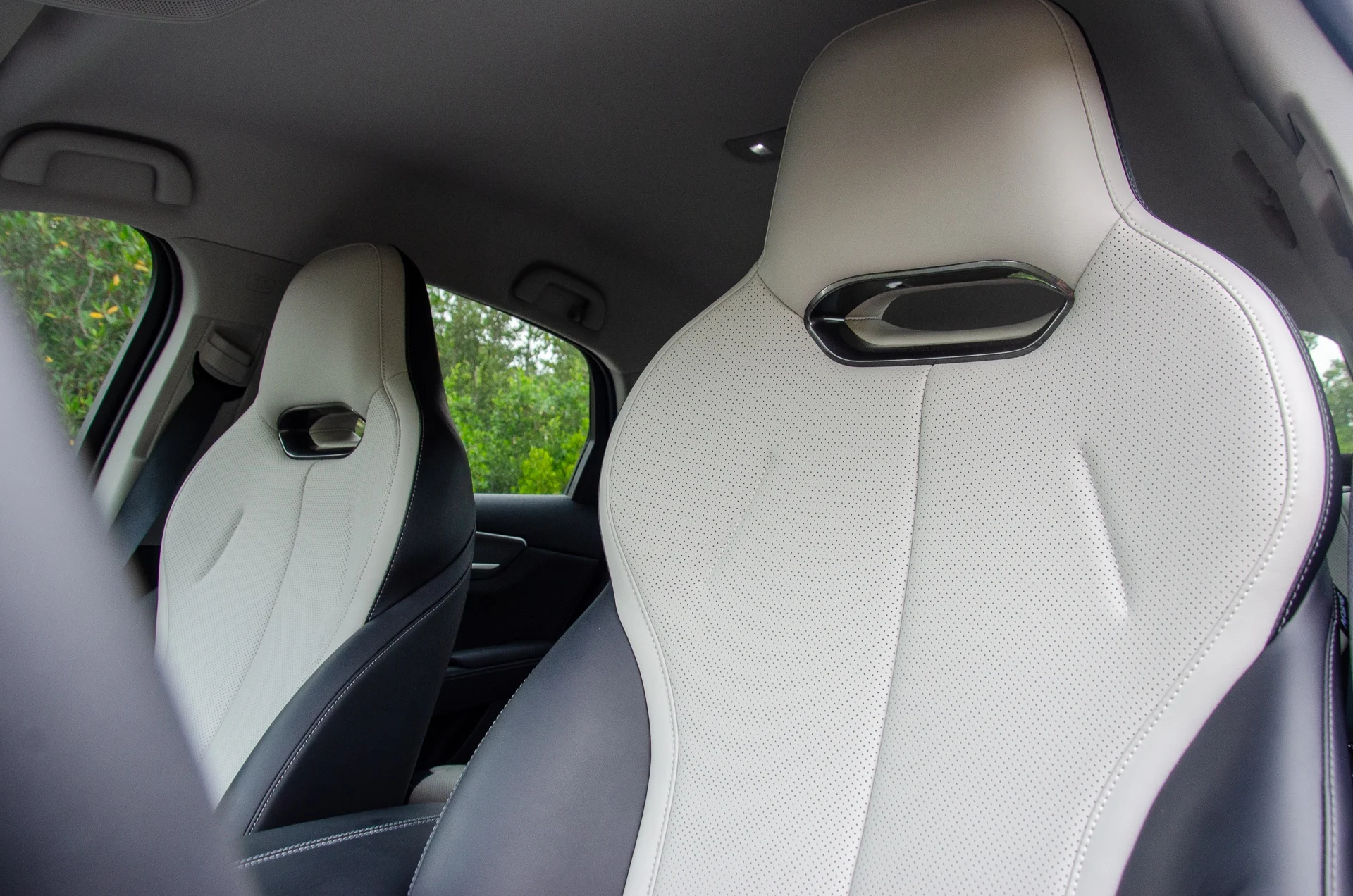
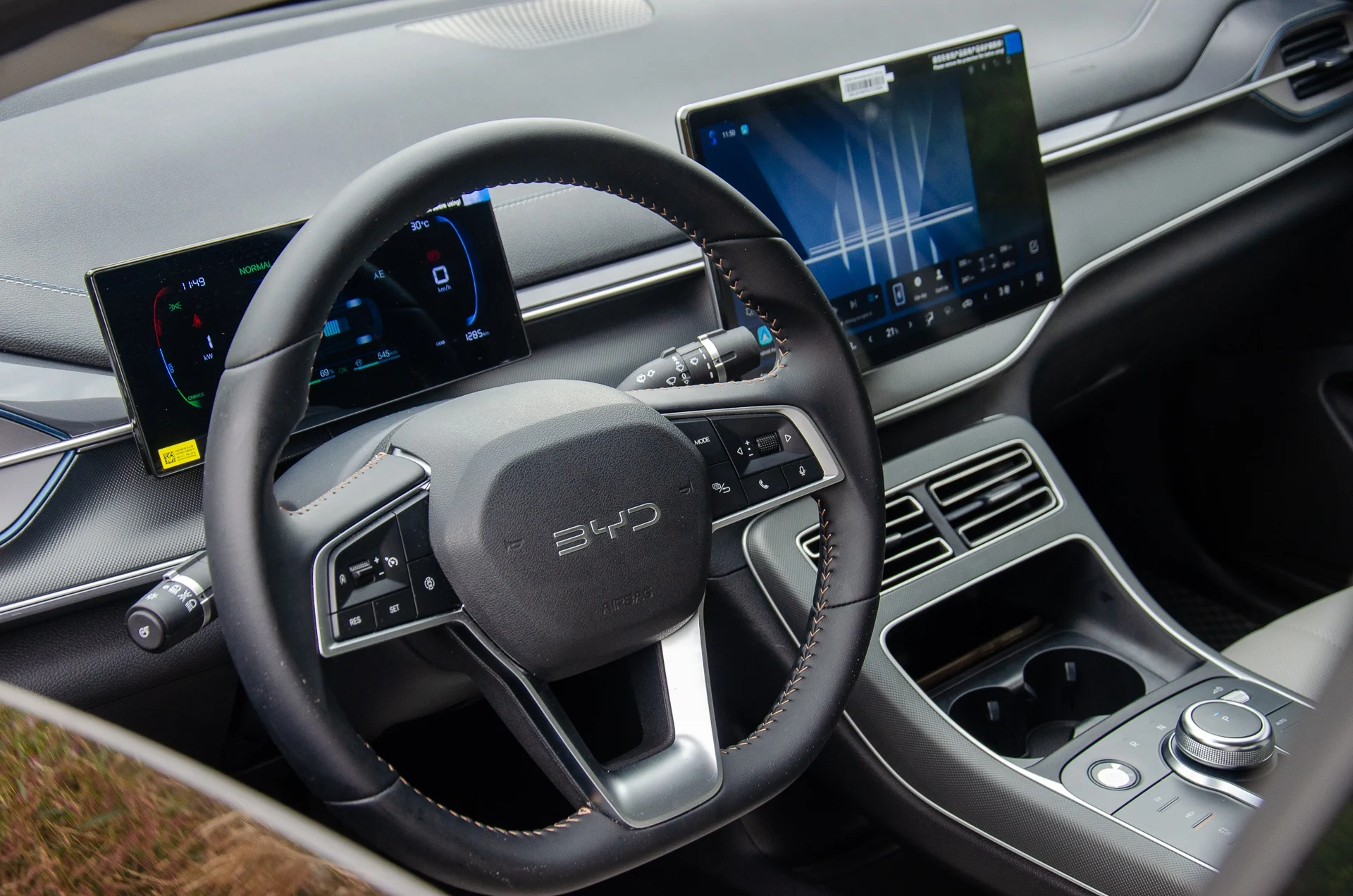
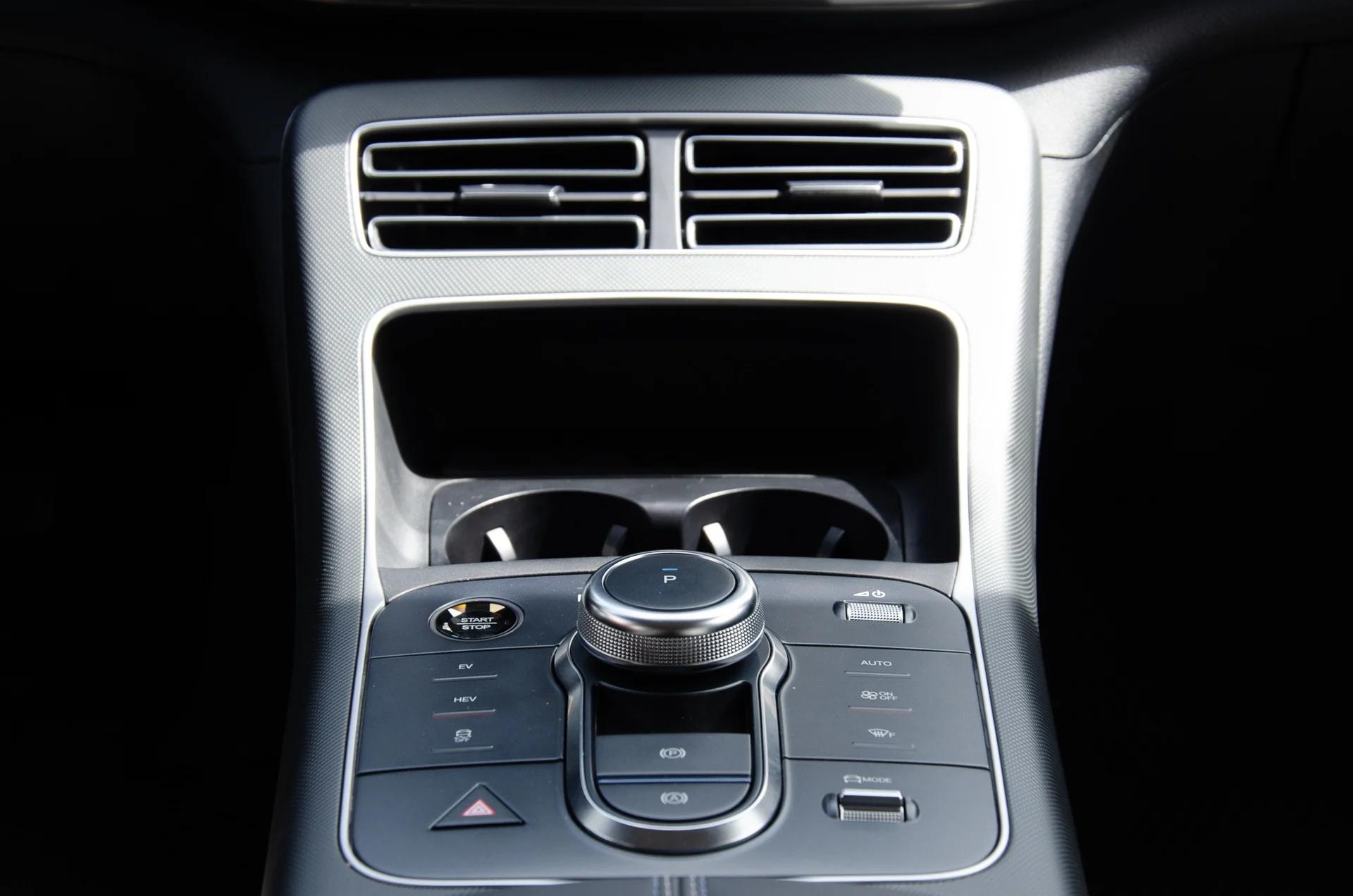
The cabin is intentionally minimalistic. A fixed 12.8‑inch central touchscreen—mounted horizontally—offers wireless Apple CarPlay and Android Auto, although it does not rotate. Standard equipment includes a rotary electronic shifter, wireless charging pad, PM2.5‑filtering climate control, synthetic‑leather seats with electric adjustment (no heating or ventilation), and a one‑zone automatic AC.
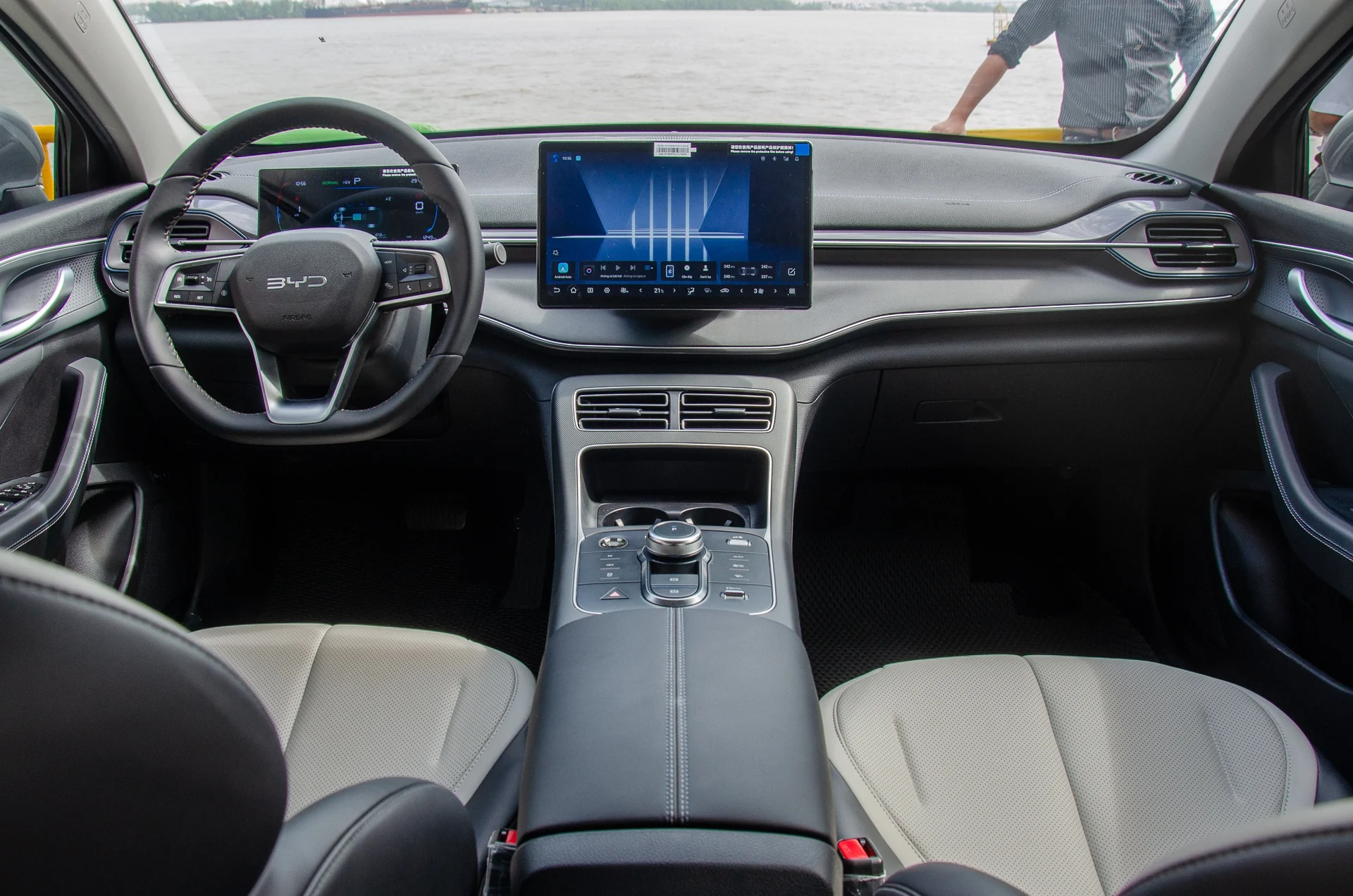
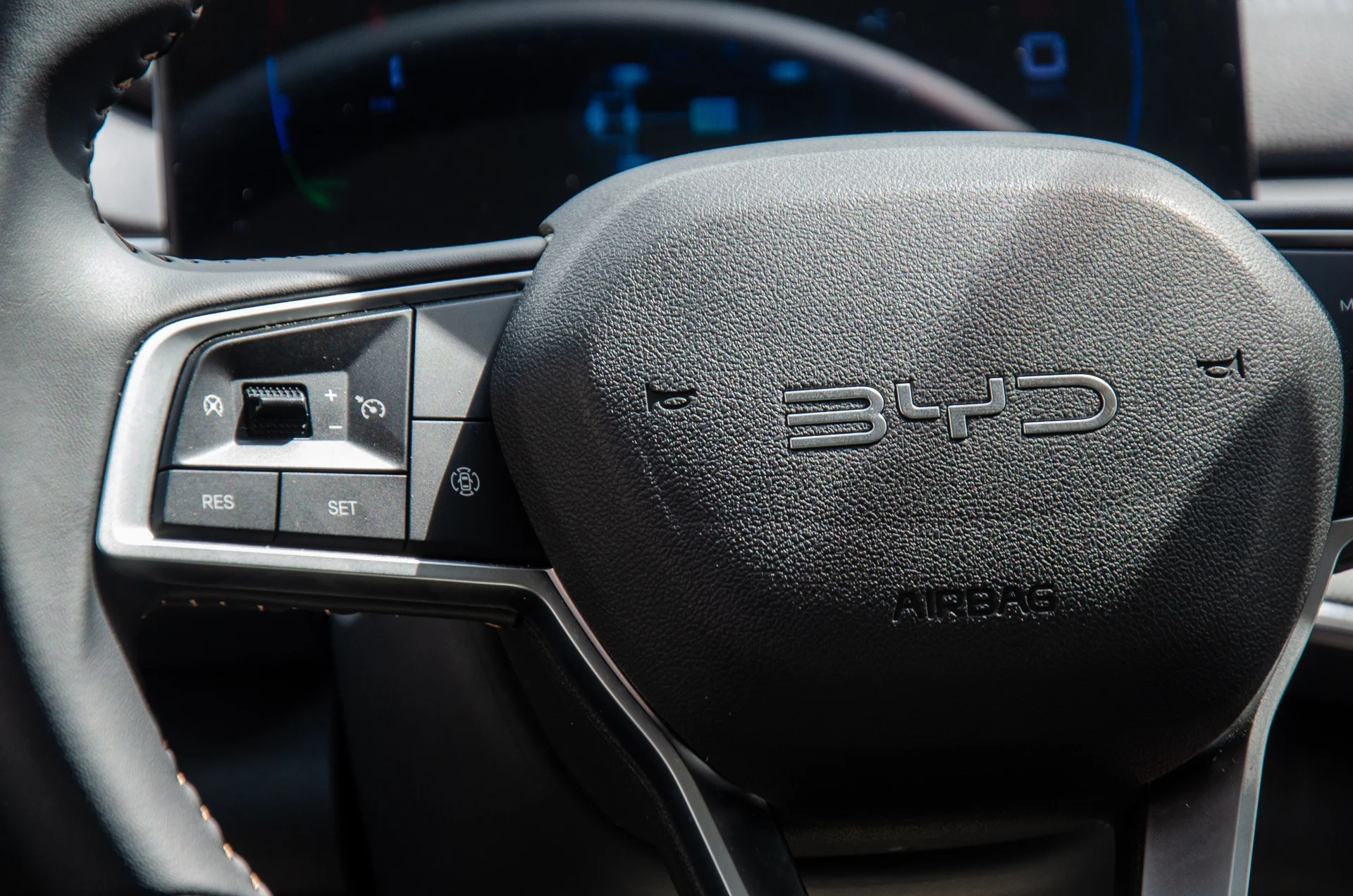
Convenient tech highlights are NFC key entry, voice control in Vietnamese, and V2L (Vehicle‑to‑Load) capability that lets the car power external devices. Safety is bolstered by a 16‑point driver‑assist suite, featuring adaptive cruise, lane‑keeping assist, a 360° camera with under‑body view, and other semi‑autonomous functions.
Pricing & Market Position
Priced at VND 696 million (around US $30,000), the Seal 5 becomes the cheapest PHEV sedan on the Vietnamese market. It undercuts rivals such as the Hyundai Elantra N Line (VND 769 million), Mazda3 1.5L Signature (VND 739 million), Honda Civic e:HEV RS (VND 999 million) and Toyota Corolla Altis 1.8HEV (VND 878 million). This aggressive pricing strategy mirrors the approach that helped MG become the best‑selling Chinese brand in the country.
Pros and Cons
- Pros: Low entry price, plug‑in hybrid flexibility, spacious interior, distinctive exterior styling, decent fuel economy, comprehensive safety tech.
- Cons: No rotating infotainment screen, lack of heated/cooled seats, no panoramic sunroof, performance not class‑leading, competition from well‑established Japanese and Korean brands is intense.
Final Verdict
The BYD Seal 5 proves that a Chinese sedan can compete on value and practicality in a crowded C‑segment. Its PHEV drivetrain offers tangible fuel savings, while the roomy cabin and clean design make it a compelling daily driver. Buyers who prioritize cost efficiency and a decent feature set will find the Seal 5 hard to ignore, even as the market continues to favor SUVs and crossovers.