
BYD claims US tariff orders exceed presidential authority, seeking a halt and tax refunds. This case could reshape EV market access. Read more now!
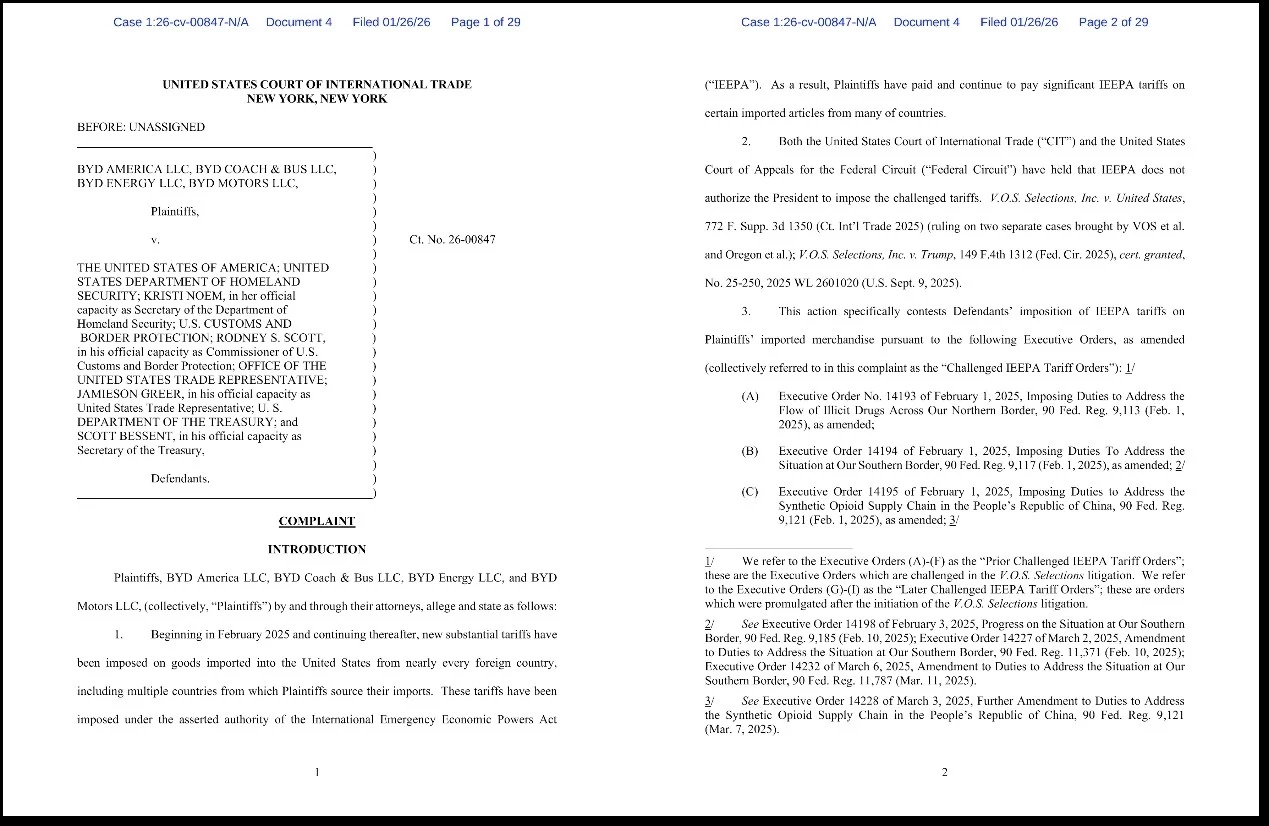
On Jan. 26, four of BYD’s U.S. subsidiaries filed a joint complaint in the U.S. International Trade Commission, challenging nine tariff orders issued under the International Emergency Economic Powers Act (IEEPA).
What the lawsuit targets
The plaintiffs — including BYD America LLC and BYD Coach & Bus LLC — argue that the tariffs applied to goods from Mexico, Canada, China, Brazil and India exceed the President’s statutory authority. They are seeking a court order that permanently blocks enforcement of these measures and a full refund of the duties already collected, plus interest and litigation costs.
Why it matters for BYD
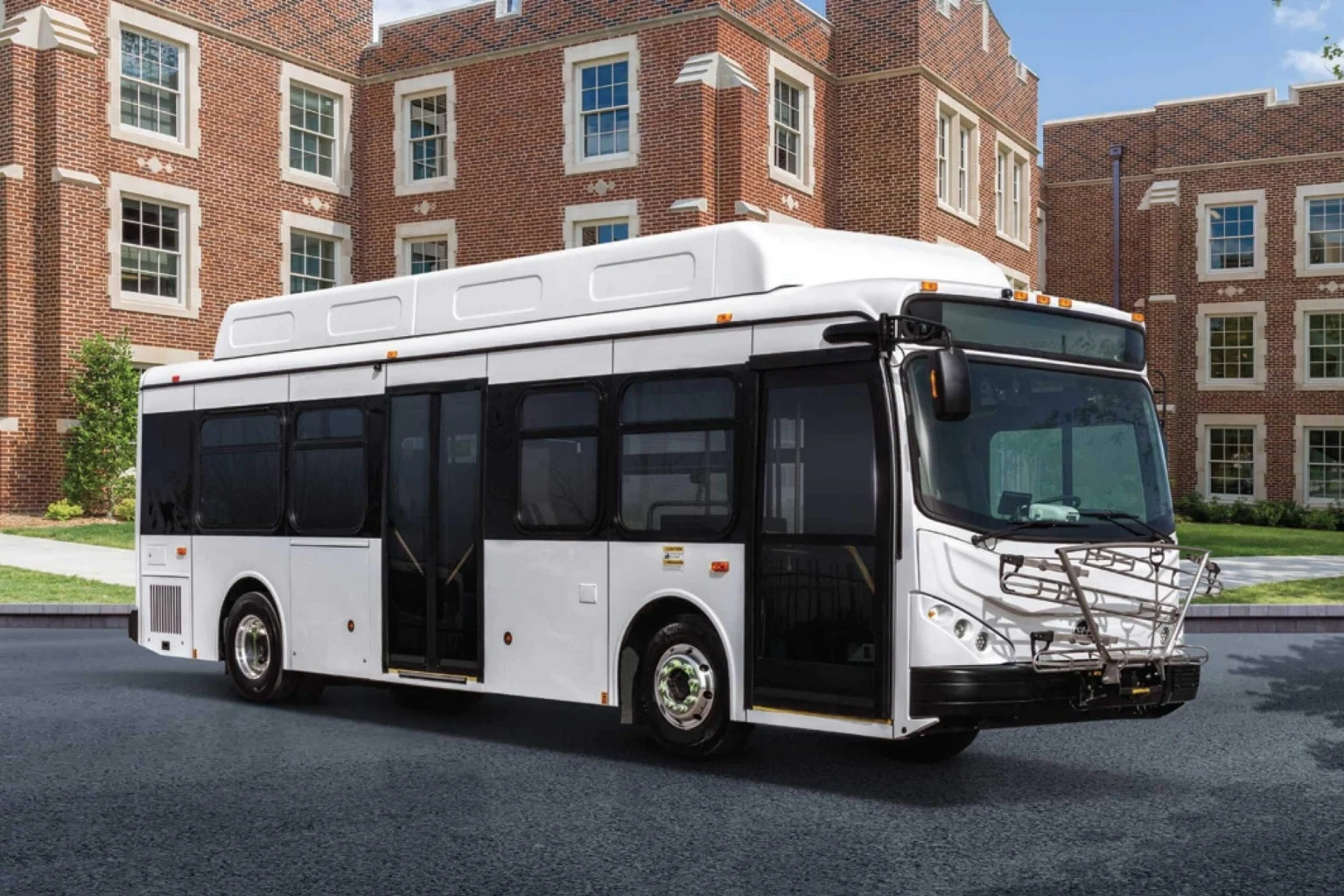
At present BYD’s U.S. operations focus on electric buses, with a large factory in California employing more than 750 workers. A favorable ruling could serve as a “gateway” for the company’s passenger‑vehicle line, which has already seen strong demand in North America. In 2025, Mexico became BYD’s biggest overseas market, selling over 120,000 units.
Potential market impact
If the court sides with BYD, cars built at its Brazilian plant could enter the United States with tariffs below 15 %. The stalled Mexico plant project, halted because of policy uncertainty, could also be revived.
Broader implications
The case is on hold pending the U.S. Supreme Court’s decision in a related V.O.S. Selections dispute, expected in early 2026. Regardless of the outcome, BYD’s aggressive legal strategy highlights the growing tension between U.S. trade policy and the global push for affordable electric vehicles.
For investors, industry watchers, and EV enthusiasts, the lawsuit is a bellwether for how upcoming tariff reforms might shape the future of low‑cost electric cars in the United States.