
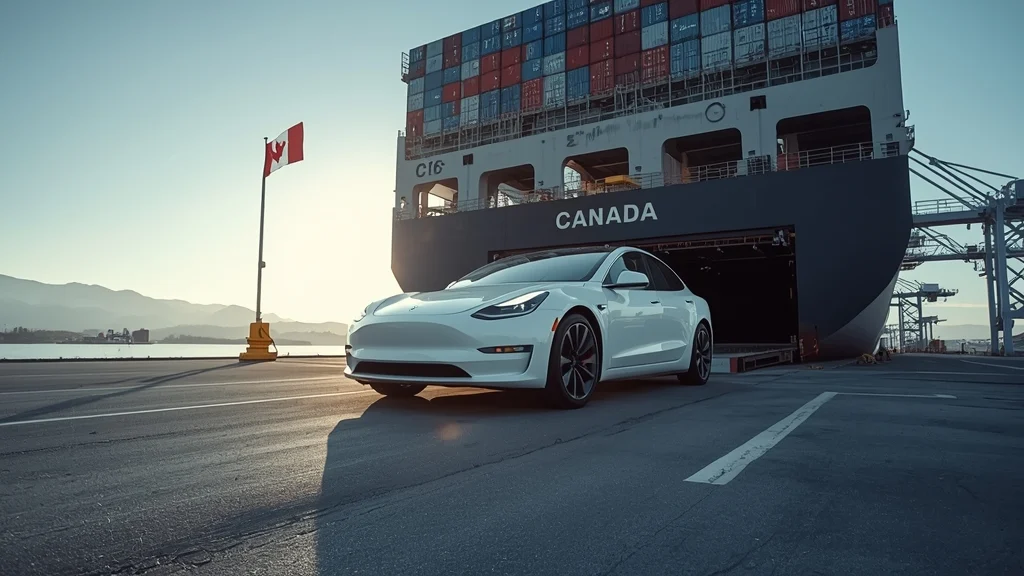
Canada’s new EV import rules create a strategic opening for Tesla. Discover how Giga Shanghai gives them a lead over rivals. Read more!
Canada is making a strategic pivot in its electric vehicle (EV) market. By loosening tax policies on imports from China, the country is opening a door that many analysts believe Tesla is best positioned to walk through first.
The New Trade Agreement: Quotas and Incentives
Under a new bilateral agreement, Canada will allow the import of up to 49,000 Chinese-made EVs annually at a preferential Most-Favored-Nation (MFN) tax rate of just 6.1%. This quota is expected to grow, with Prime Minister Mark Carney indicating that the limit could rise to 70,000 vehicles over the next five years.
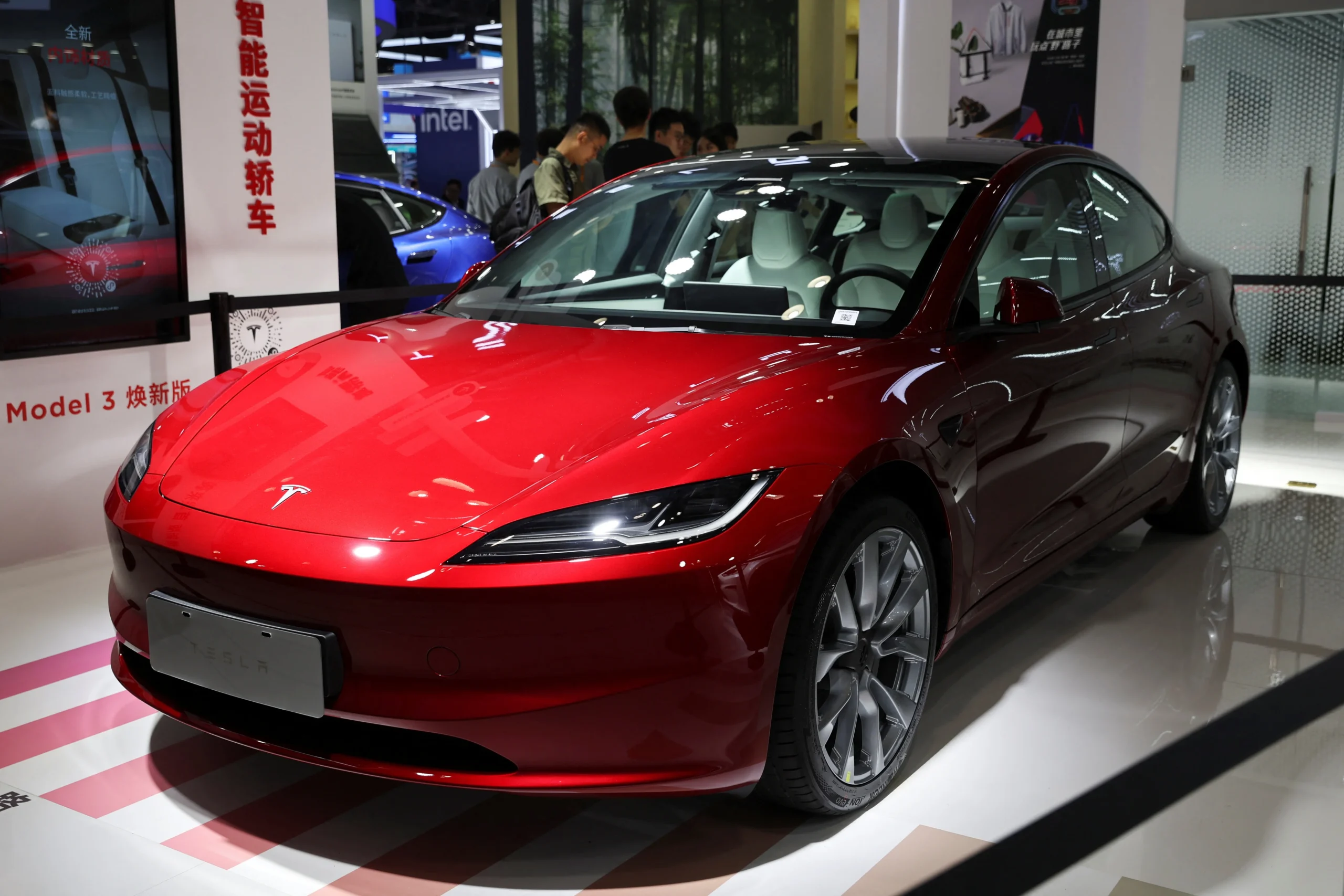
However, there is a specific catch: half of this quota is reserved for affordable models priced under 35,000 CAD (approximately $25,100 USD). While Tesla does not currently offer a model in this budget-friendly bracket, the American EV giant still holds a significant strategic advantage.
Why Tesla Still Wins Despite the Price Cap
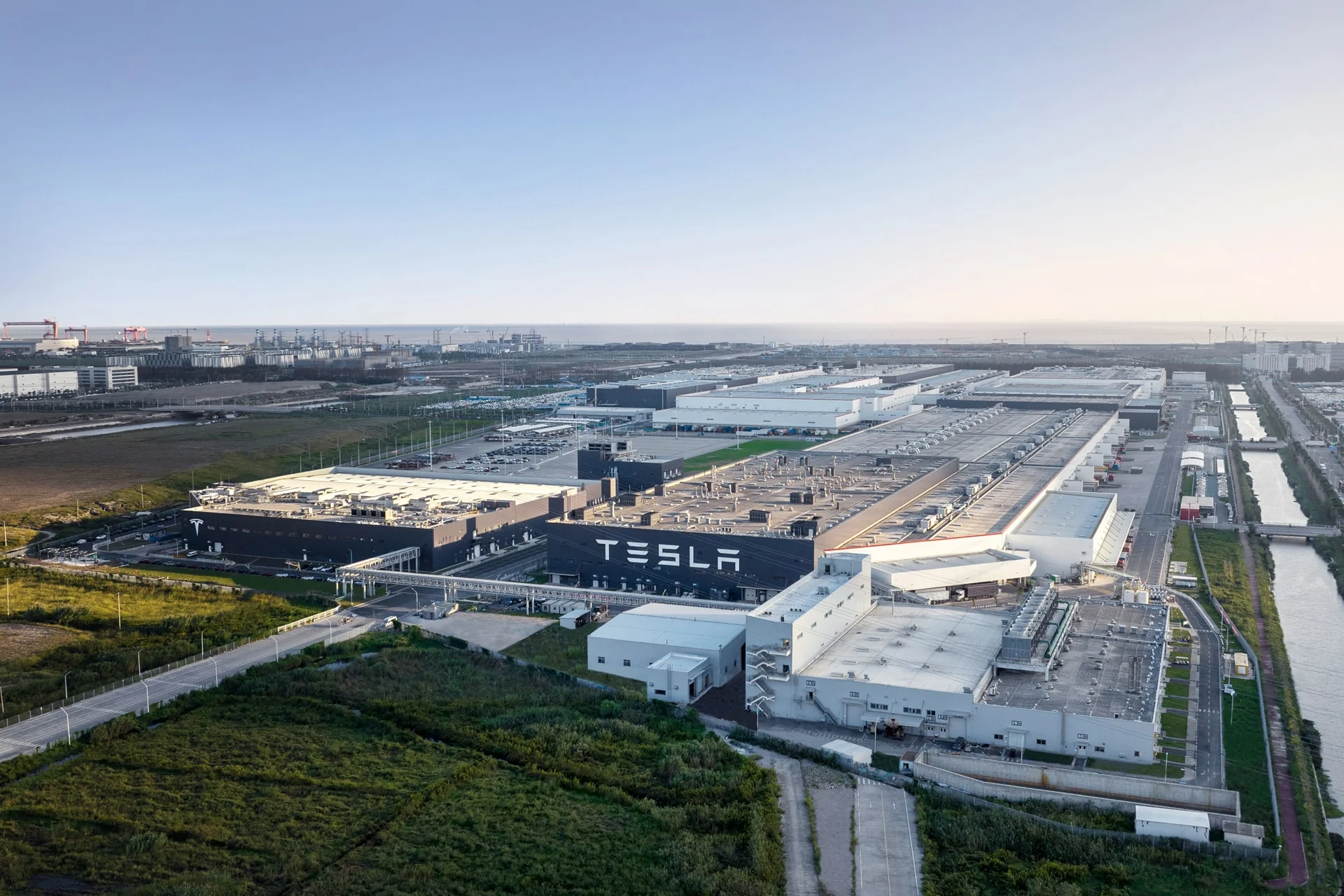
Tesla has been playing the long game. As early as 2023, the company upgraded its Giga Shanghai plant to produce Model Y versions specifically tailored for the Canadian market. This foresight led to a massive surge in imports through the Port of Vancouver, which saw Chinese-made EV arrivals jump 460% to 44,356 vehicles.
This momentum hit a wall in 2024 when Ottawa imposed a 100% tariff on Chinese EVs to counter perceived overcapacity driven by Beijing. This forced Tesla to pivot its supply chain, sourcing vehicles from its factories in the U.S. and Berlin. With the new agreement, experts suggest Tesla can quickly resume high-volume exports from Shanghai, optimizing its logistics and costs.
Infrastructure: The Ultimate Competitive Moat
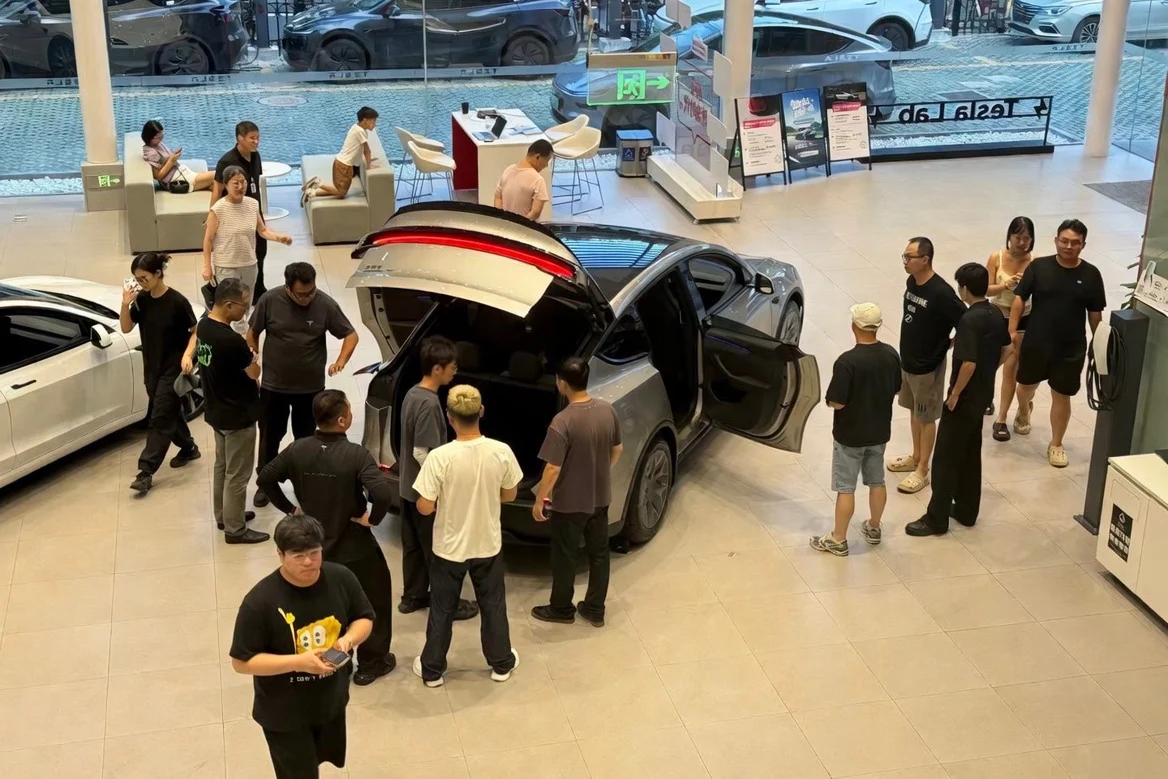
Beyond manufacturing, Tesla possesses a critical asset that its Chinese competitors lack: a physical footprint. With 39 established stores across Canada, Tesla has a massive head start over brands like BYD or NIO, which currently have no official retail presence in the country.
Tesla’s streamlined product portfolio also allows it to be far more agile in coordinating global supply than competitors managing dozens of different models.
Opening the Door for Budget Brands and Geely
While Tesla dominates the premium segment, the price-cap clause creates a lucrative opening for budget-focused Chinese manufacturers. These brands are likely to be the biggest beneficiaries among consumers seeking entry-level electric mobility.
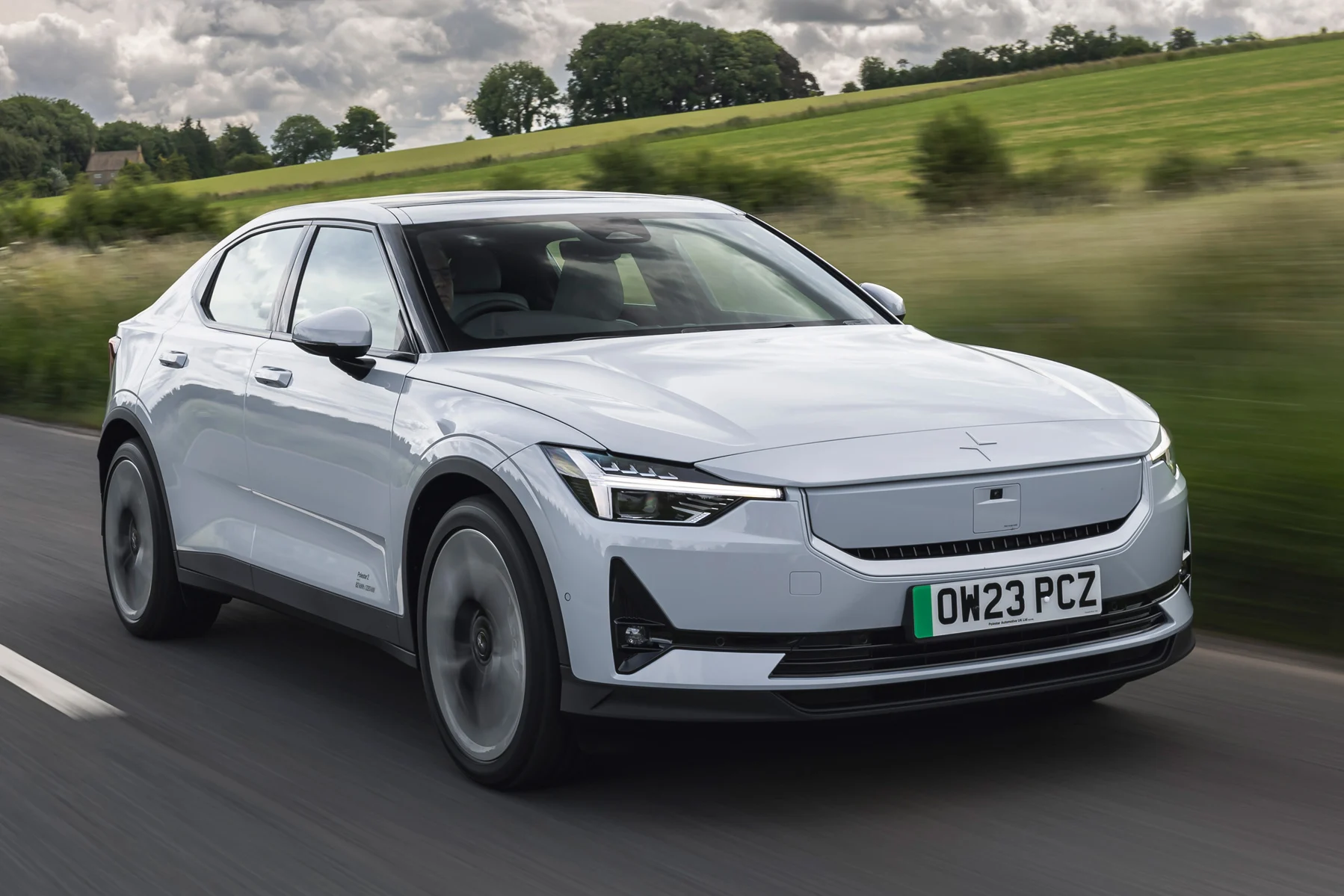
Furthermore, established brands that previously exported from China—such as Volvo and Polestar (both owned by Geely)—are expected to reconsider their strategies and potentially ramp up their Canadian operations.
Long-term Collaboration and Local Production
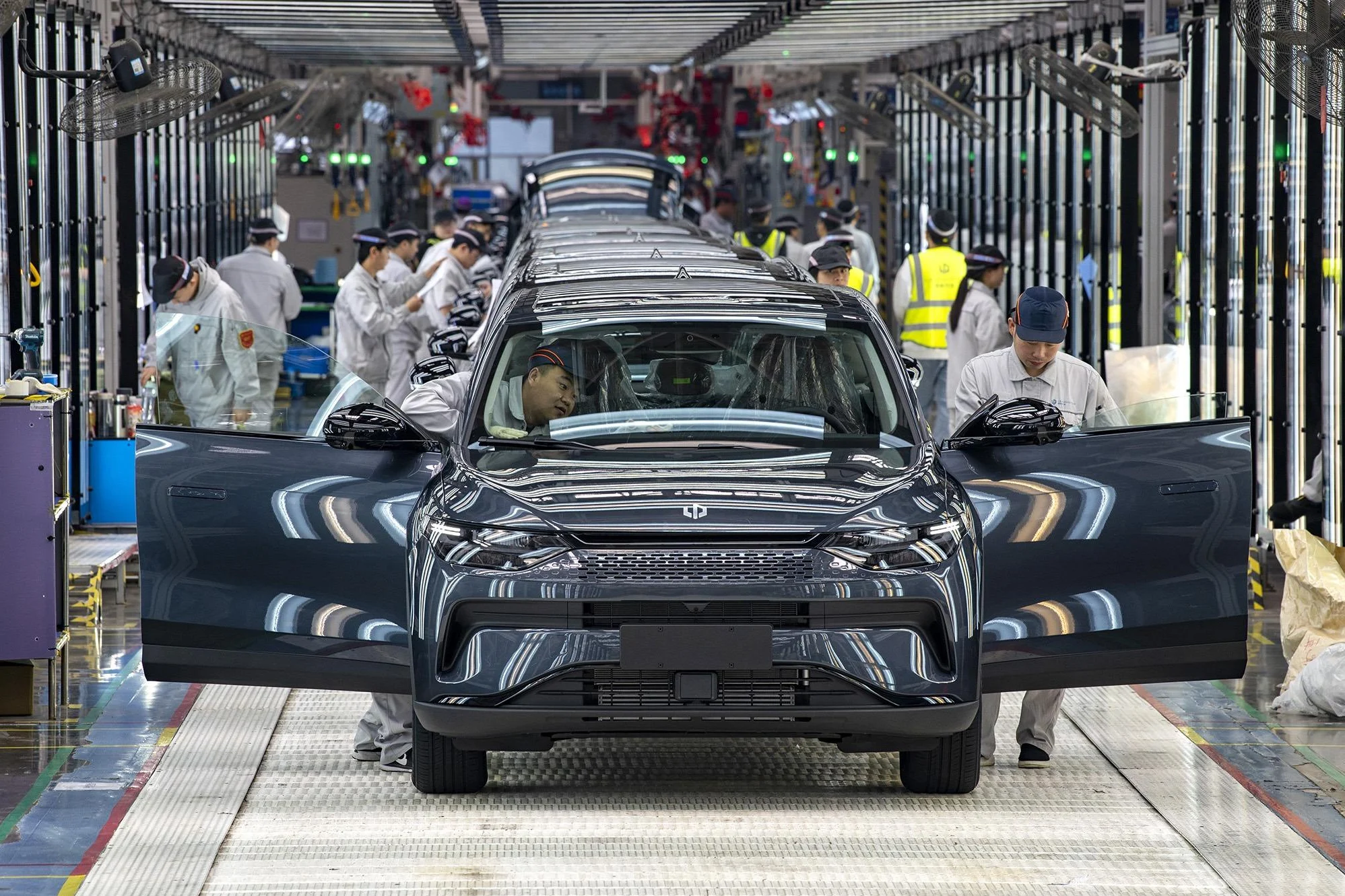
Canada’s ambitions extend beyond mere imports. The government is reportedly eyeing deeper partnerships with Chinese firms over the next three years, including potential joint ventures to manufacture EVs domestically. BYD has already laid the groundwork with an electric bus assembly plant in Ontario.
Geopolitical Friction: The U.S. Reaction
Canada’s welcoming stance stands in stark contrast to the United States. The Biden administration previously hiked tariffs on Chinese EVs to 100%, effectively shutting the U.S. market to these vehicles.
Tensions are only rising, as U.S. automakers and Republican senators, including Bernie Moreno, have called for even stricter bans on Chinese vehicles, citing national security concerns and data privacy risks. As Canada diverges from its southern neighbor, the North American EV landscape is becoming a complex battleground of trade policy and geopolitics.