
Chery is scaling its European footprint through strategic local partnerships to bypass tariffs and meet demand. Learn more about their bold strategy.
Chinese automotive giant Chery is aggressively accelerating its expansion into the European market. Rather than investing in the costly and time-consuming construction of new factories, the group is pivoting toward a leaner, faster strategy: partnering with local manufacturers to utilize existing production facilities.

A Lean Approach to European Scaling
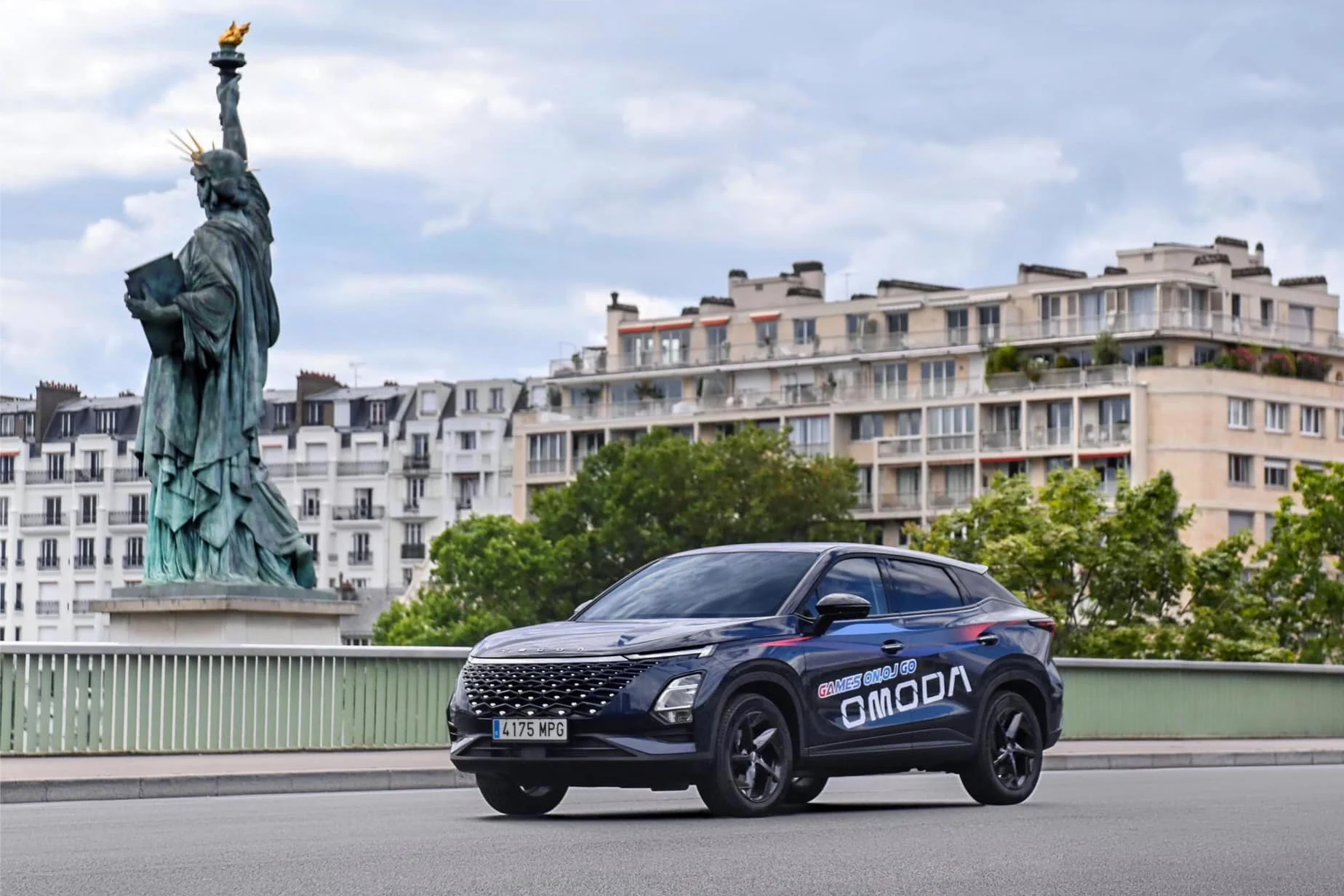
Speaking at the launch of the Omoda and Jaecoo brands in Paris, Lionel French Keogh, Chery’s Commercial Director in France, revealed that the company is actively seeking additional production capacity within the region. By leveraging established infrastructure, Chery aims to slash investment costs and significantly shorten the time it takes to bring vehicles to market.
This vision is echoed by Chery Chairman Yin Tongyue, who emphasized that local collaboration is the priority. He noted that establishing the right partnerships requires meticulous preparation and time, but is essential for sustainable growth in the European ecosystem.
Explosive Growth and Market Momentum
Chery’s push comes on the heels of staggering growth. Since entering the European market in 2023, the brand has seen its sales skyrocket. According to data from consultancy firm Dataforce, Chery’s sales in Europe grew nearly sixfold over the past year, jumping from 17,035 units to 120,147 vehicles.
This trajectory mirrors the success of other Chinese EV leaders like BYD, signaling a broader trend of Chinese automotive brands aggressively capturing market share across the continent.
Strategic Hubs and Navigating Trade Barriers
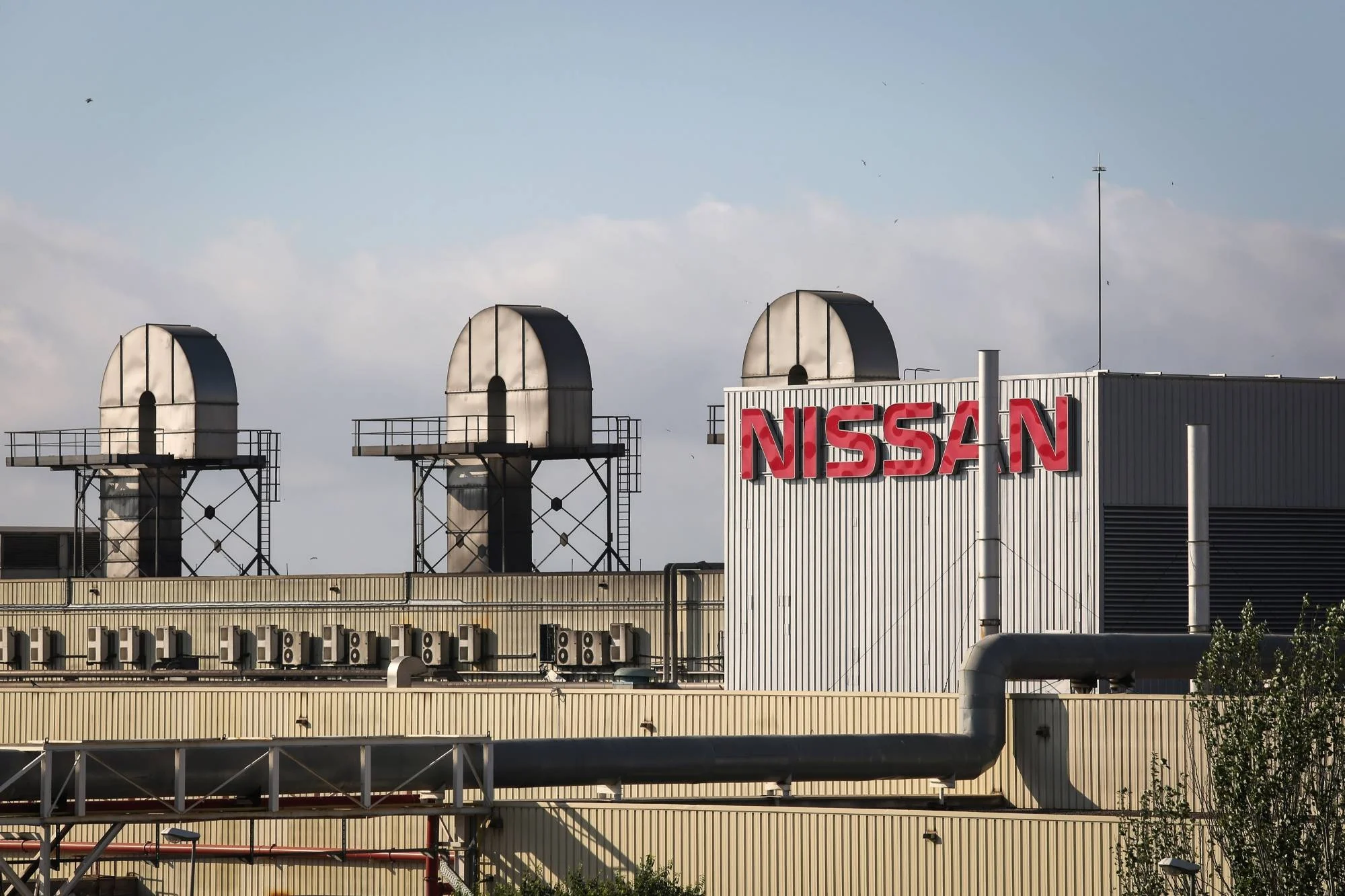
Chery has already taken concrete steps toward localization. The company has entered into a joint venture with Ebro, utilizing a former Nissan assembly plant in Barcelona, Spain. The goal for this facility is ambitious: reaching an annual production capacity of 200,000 vehicles by 2029.
Beyond simply meeting demand, local production is a strategic necessity. By manufacturing within the EU, Chery can effectively navigate complex trade barriers, including the European Union’s import tariffs on electric vehicles and stringent local-content requirements.
France: A Key Frontier for Innovation
France represents one of the last major European markets for Chery’s official entry via the Omoda and Jaecoo brands. The company’s roadmap for the French market includes:
- The launch of a new Chery-branded model in the fourth quarter of 2026.
- The potential introduction of a compact electric SUV before the end of 2026.
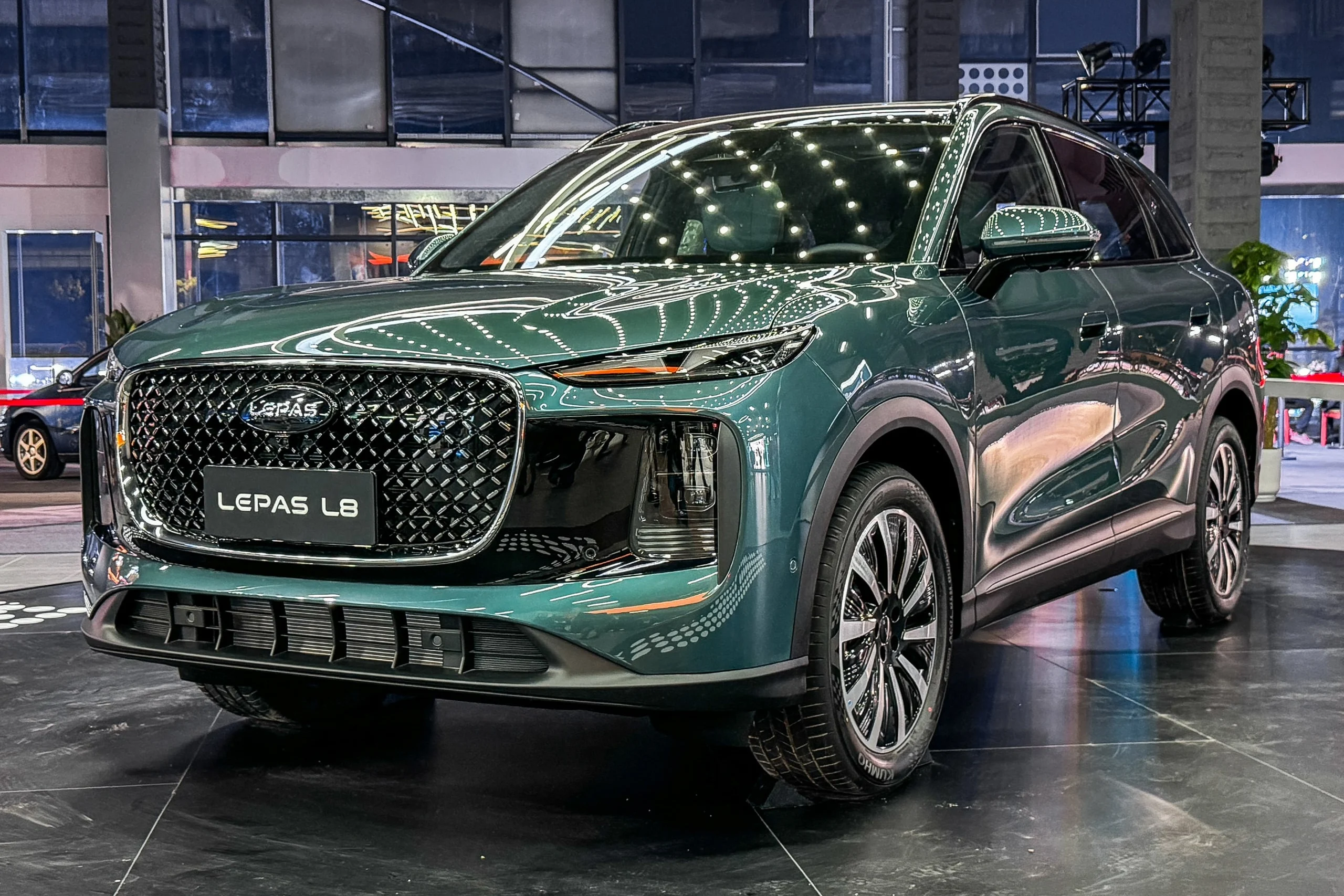
- The introduction of Lepas, a new brand designed to diversify Chery’s product portfolio in Europe.
A Global Powerhouse on the Rise
Chery’s European ambitions are part of a wider global surge. Last year, the company reported global sales of 2.8 million vehicles, a nearly 7% increase. Notably, markets outside of China now account for over 47% of total sales, highlighting the critical importance of their internationalization strategy.
This global momentum extends to Southeast Asia as well. In Vietnam, Chery (under the Omoda Jaecoo banner) is striving to become the leading Chinese automotive brand in the country. The recent launch of the Omoda C5 Super Hybrid is expected to drive significant volume in the competitive urban SUV segment.