
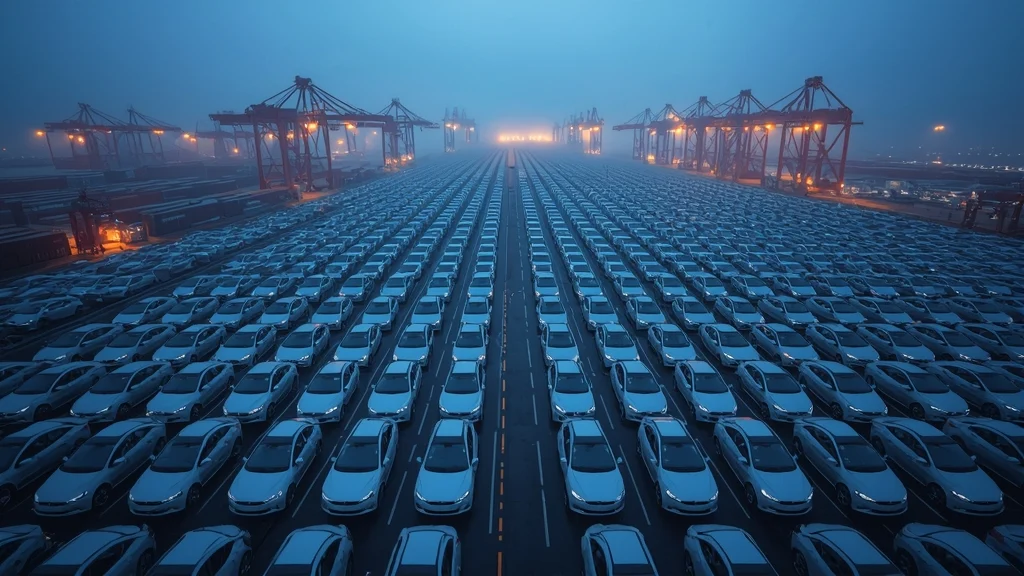
China’s auto exports hit record highs while home sales slide. Discover how BYD and others are pivoting to global markets. Read the full analysis!
The Chinese automotive industry is currently navigating a paradoxical landscape. While the domestic market is grappling with a prolonged slump, international demand is skyrocketing, transforming exports into the primary engine for growth for the world’s largest auto producer.
A Record-Breaking Export Surge
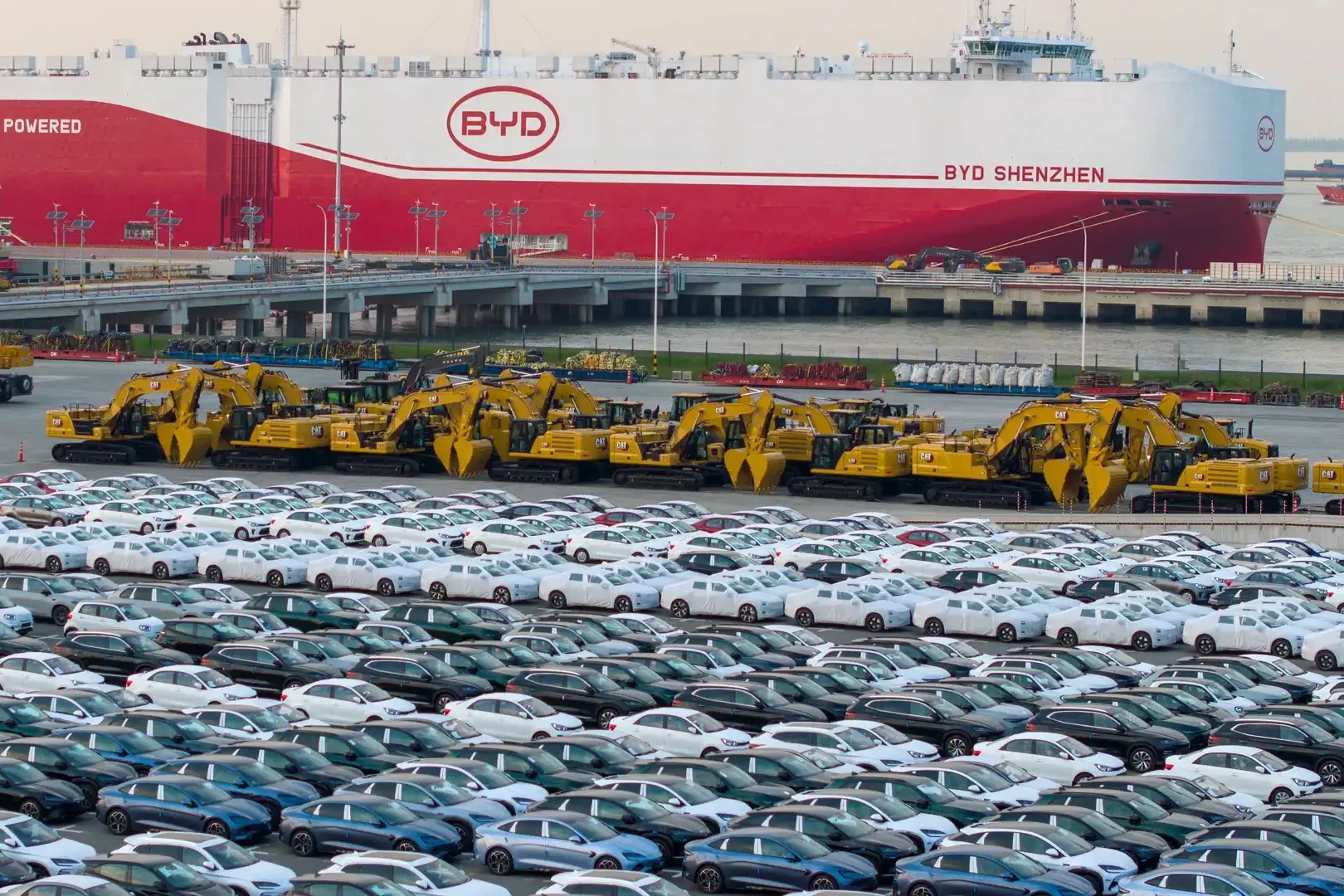
Despite significant shipping disruptions caused by geopolitical tensions in the Middle East—one of China’s most critical export hubs—the industry has shown remarkable resilience. In March 2026, the sector recorded a powerful growth trajectory, with exports becoming the essential lifeline for manufacturers.
According to data from the China Passenger Car Association (CPCA), vehicle exports in March surged by a staggering 73.7% year-on-year, reaching nearly 700,000 units. This acceleration far outpaces the 54.1% growth rate seen in the first two months of the year. It is important to note that these figures represent the volume of vehicles shipped abroad by Chinese brands, rather than total sales realized within those foreign markets.
Cui Dongshu, Secretary General of the CPCA, highlighted the unexpected scale of this trend, stating, “Automotive exports have entered a phase of hyper-growth, far exceeding our initial expectations.”
The Domestic Struggle: A Six-Month Decline
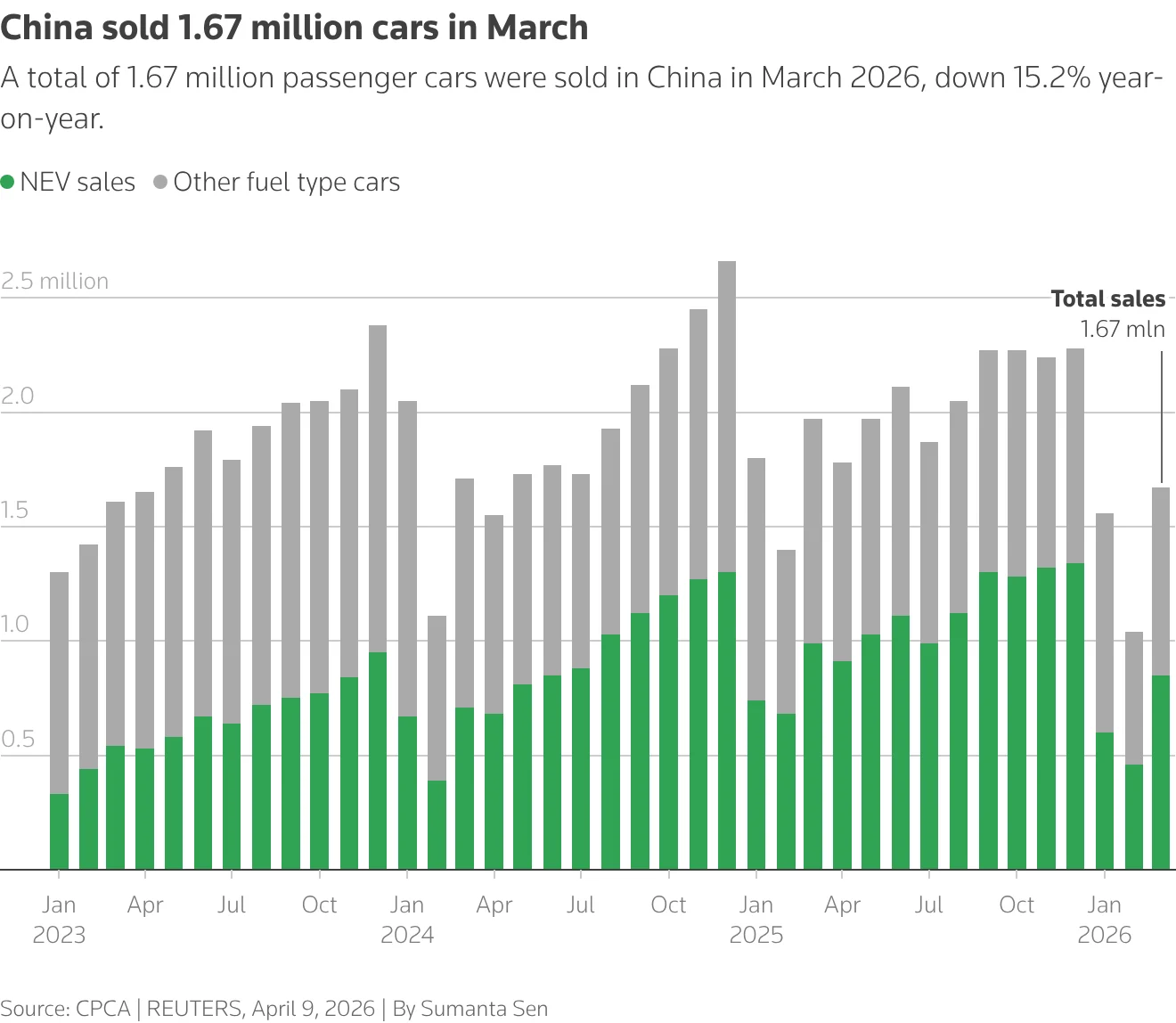
The story at home, however, is far less optimistic. In stark contrast to the international boom, domestic sales have been in a freefall. In March 2026, internal consumption dropped by 15.2%, falling to 1.67 million units. This marks the sixth consecutive month of decline for the domestic market.
Key Drivers of the Domestic Slump:
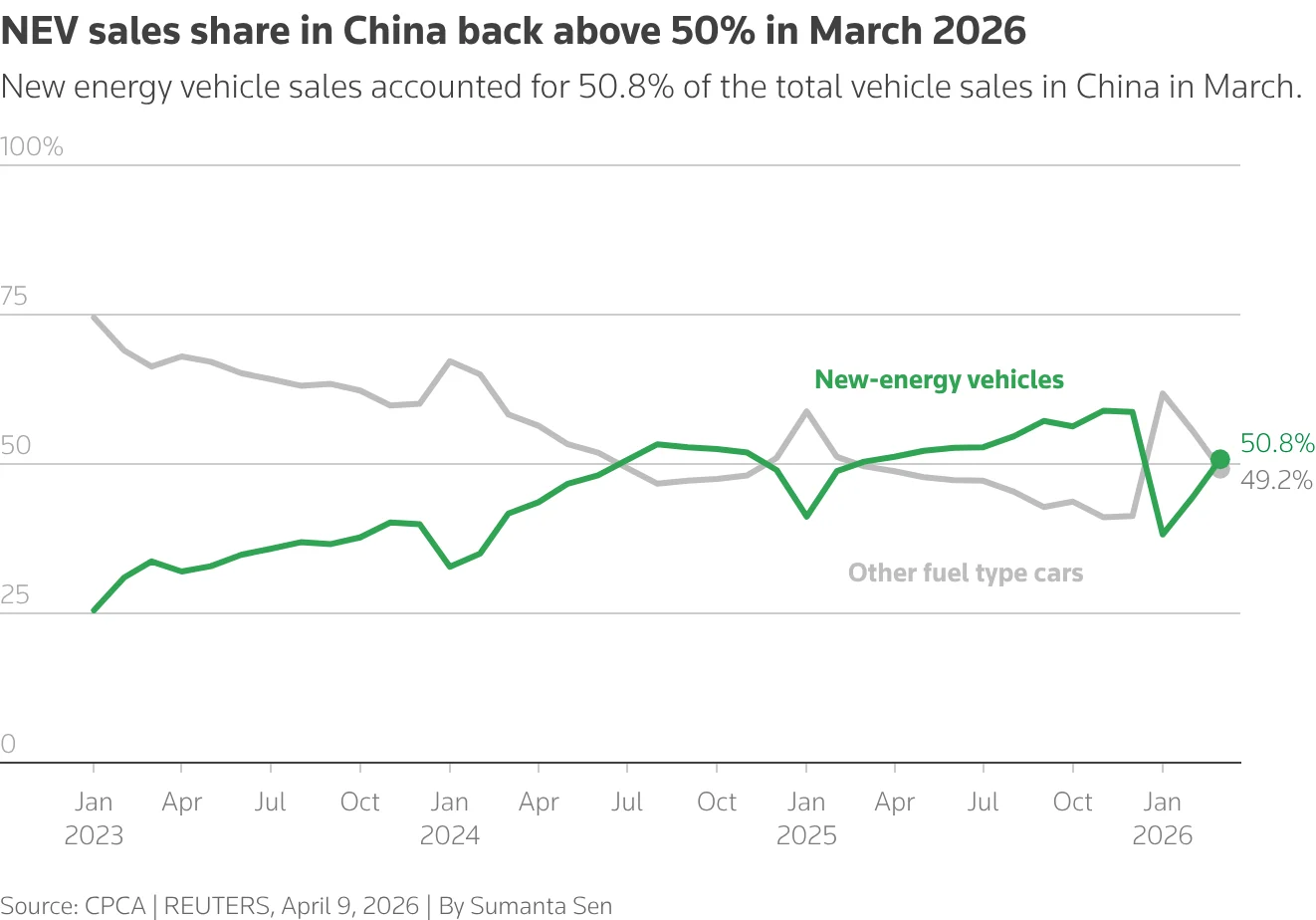
- Rising Fuel Costs: Spiraling fuel prices have severely dampened demand for Internal Combustion Engine (ICE) vehicles, which saw a 15.7% drop in sales.
- Subsidy Cuts: The Electric Vehicle (EV) sector is feeling the pinch as government support policies are scaled back amidst a slow broader economic recovery.
- Consumer Caution: The removal of incentives, such as purchase tax exemptions, has made buyers more hesitant, leading to an accumulation of unsold inventory at dealerships.
To mitigate the impact of volatile oil prices driven by Middle East conflicts, the Chinese government has implemented fuel price ceilings, though this has yet to spark a significant recovery in ICE vehicle demand.
BYD: A Case Study in Global Pivoting
The industry giant BYD exemplifies this divergence. The company has faced a challenging home market, recording its seventh consecutive month of declining domestic sales as competition intensifies and demand for Battery Electric Vehicles (BEVs) and Plug-in Hybrid Electric Vehicles (PHEVs) fell by 14.4%.
However, BYD is offsetting these losses through aggressive international expansion. In regions like Europe, where high fuel costs are driving consumers toward electrification, BYD is seeing robust growth. The company remains bullish on its global strategy, with leadership setting an ambitious target to sell over 1.5 million vehicles in international markets this year.
The Bottom Line
The widening gap between domestic failure and international success signals a fundamental shift in the strategy of Chinese automakers. To sustain growth, these companies are becoming increasingly dependent on global markets. While this expansion proves the competitiveness of their products on the world stage, it also exposes a worrying fragility in their home market—the very foundation upon which these automotive empires were built.