
Chinese car sales hit 34.3 million in 2025, grabbing 35% of the global market. Discover the drivers behind this surge and what it means for the industry. Read more now.
According to the latest figures from the China Passenger Car Association (CPCA), 2025 marked a turning point for the global automotive landscape. Total vehicle sales worldwide reached 96.47 million units, with China alone delivering 34.35 million cars – a 9% jump over the previous year.
Record Growth in 2025
China’s contribution translated into a staggering 35.6% share of the global market, the highest ever recorded for any country. The surge outpaced traditional powerhouses: the United States saw a modest 1% gain (16.72 million cars), Japan grew 3%, and Germany edged up 1%.

China Leads the Global Rankings
For the first time, three Chinese manufacturers cracked the top‑10 list of world car producers in 2025. BYD climbed to the 5th spot, Geely claimed 7th place, and Chery rounded out the list at number 10.
Export Surge and NEV Boom
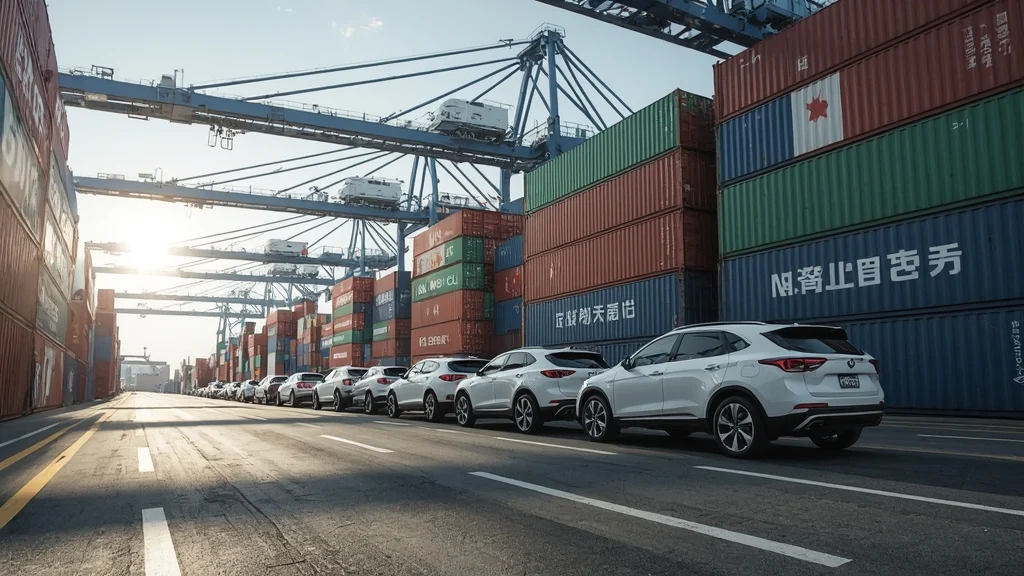
Exports were a key catalyst. Chinese factories shipped 8.32 million vehicles abroad – a 30% increase year‑on‑year – cementing the nation’s third consecutive year as the world’s largest car exporter. The electric‑vehicle segment, known locally as New Energy Vehicles (NEVs), exploded with a 70% rise, delivering 3.43 million units to international markets.
Key Markets for Chinese Vehicles
- Mexico emerged as the biggest destination for Chinese cars, absorbing a large share of the export volume.
- Rapid expansion is also evident in the Middle East, South America and parts of Europe.
Implications for the Auto Industry
Capturing roughly 40% of global sales in just November 2025 highlights the sheer power of China’s supply chain and its technological edge, especially in electric and hybrid drivetrains. The data signals a long‑term shift of automotive momentum from West to East, urging competitors worldwide to rethink strategy, investment and partnership models.
As Chinese manufacturers continue to refine battery technology, autonomous systems and cost‑efficient production, their influence on pricing, design standards and even regulatory frameworks is set to grow. The coming years will likely see more collaboration and competition across borders, reshaping how we think about the future of mobility.