
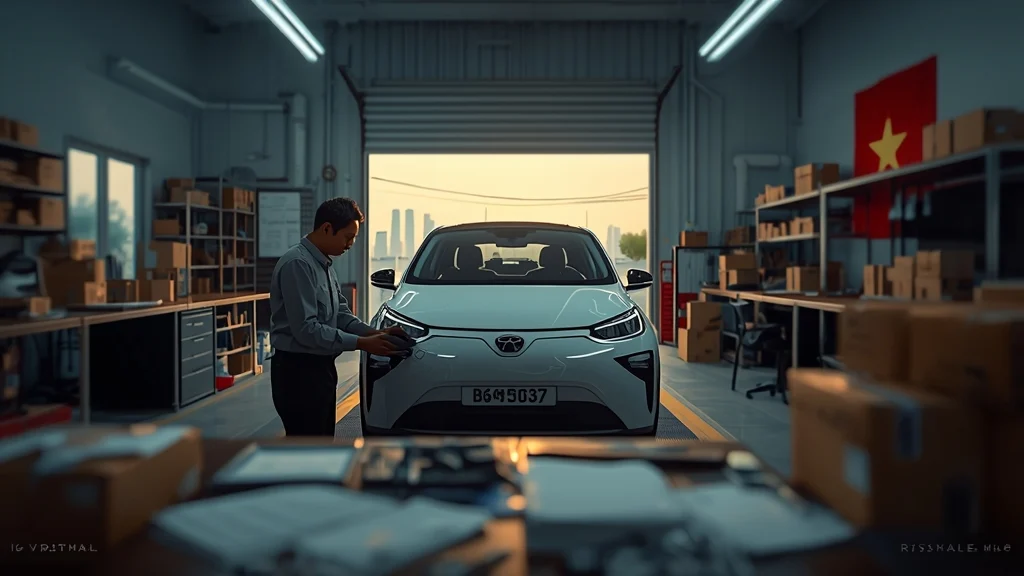
Vietnam’s proximity to China isn’t solving Chinese EV spare‑part delays. Learn why after‑sales service matters and how the region is responding. Read more now.
Vietnam sits just next door to China, yet many owners of Chinese‑made electric cars complain about waiting weeks—or even months—for a single component. The problem isn’t unique to Vietnam; it’s echoing across Southeast Asia wherever Chinese EVs have taken off.
The Paradox of Proximity
On paper, a short geographic distance should translate into fast parts deliveries. In reality, a malfunction often launches a long‑lasting “waiting for spare parts” saga. Some drivers are stuck for a tiny bolt; others wait for entire electronic modules. While the vehicle sits in a service bay, owners’ daily lives grind to a halt.
Why the Supply Chain Stalls
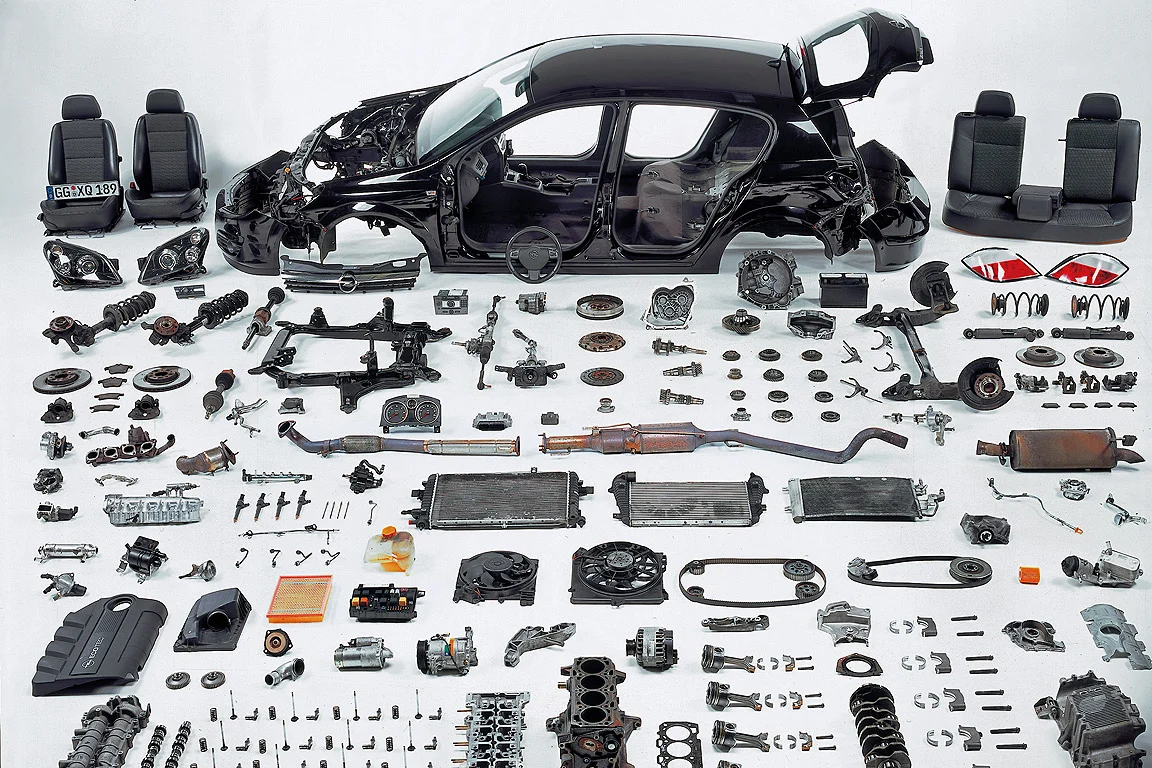
Delays rarely stem from transport distance alone. They arise from a multi‑step after‑sales chain that must:
- Accurately diagnose the fault
- Confirm warranty eligibility
- Approve the service order
- Order the part from a central warehouse
- Clear customs and import paperwork
- Allocate the part to a local dealer
- Schedule the repair and conduct a final check
Any bottleneck—especially for highly integrated electronic modules—can keep a car idle for weeks. The more software‑rich the model, the harder it is to replace a single component with a generic spare.
Thailand’s Consumer Outcry
Thailand provides a clear illustration. According to The Nation Thailand, the Thai Consumer Council logged over 300 complaints from electric‑vehicle owners, with after‑sales service and parts availability topping the list. The council is now pushing for legislation that would require manufacturers to keep a five‑year stock of critical components domestically.

When the council threatened a class‑action lawsuit against Neta Auto, it signaled that the issue had moved from social‑media grumbling to a market‑regulation challenge. The message is simple: a vehicle sale is not a one‑off transaction; it’s a long‑term service commitment.
Regional Responses: Philippines & Malaysia
Other markets are reacting in different ways:
- Philippines: Geely Motor Philippines announced a six‑month buffer stock of both fast‑moving and hard‑to‑source parts, aiming to slash waiting times.
- Malaysia: Industry experts highlighted a shortage of trained EV technicians and diagnostic equipment, turning parts scarcity into a broader ecosystem problem.
These approaches underline a shared truth: without a robust after‑sales network, even the most affordable EV can become a source of frustration.
What Vietnamese Buyers Should Check
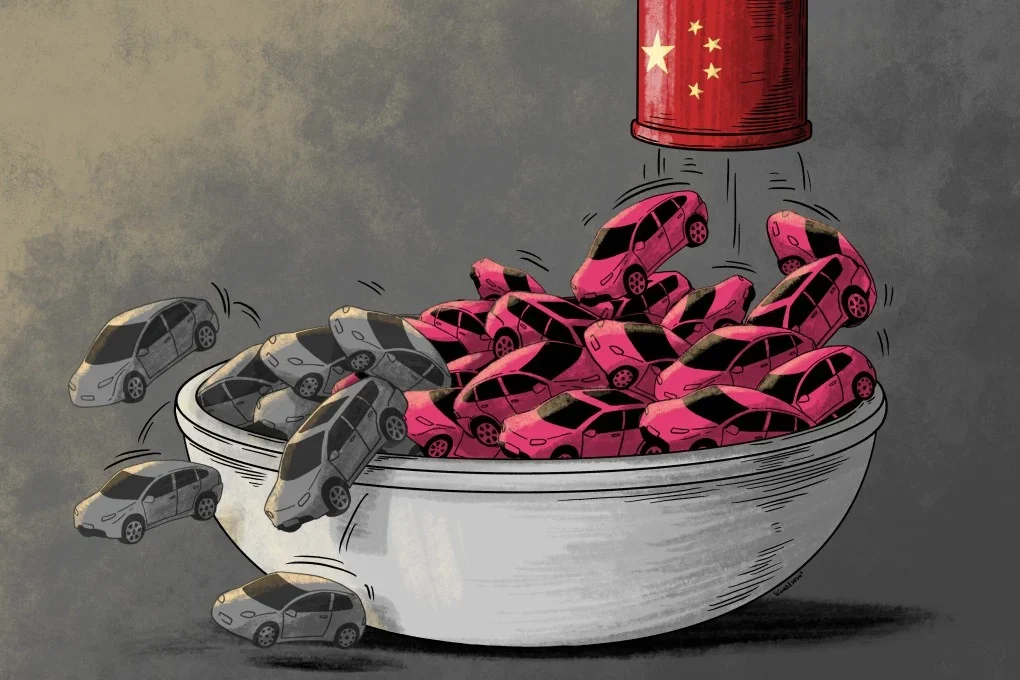
When evaluating a Chinese EV, don’t focus solely on price and specs. Ask about:
- Estimated lead‑time for critical spare parts
- Number and geographic spread of authorized service centers
- Training level of technicians and availability of diagnostic tools
- Warranty claim procedures and average turnaround time
- Whether the manufacturer maintains a local parts depot and for how long
Understanding these factors helps bridge the gap between the promise made at the showroom and the reality in the workshop.
Implications for Automakers
If manufacturers want to sustain growth, they must treat spare‑part logistics as part of the product itself—not an afterthought. Investments in local inventory, standardized warranty workflows, and technician certification are becoming as essential as the vehicle’s battery range.
In markets still driven by “great price, great features,” rapid sales can hide looming after‑sales pains. As consumers shift from impulse buying to experience‑based ownership, spare‑part availability and service quality will become the decisive competitive edge.
The 300‑plus complaints in Thailand serve as a warning bell: users tolerate price advantages, but they won’t wait indefinitely for a broken car to be fixed. Vietnam stands at the same crossroads. The test will not be in the showroom, but in the parts warehouse, the service bay, and the speed of a transparent after‑sales process.