
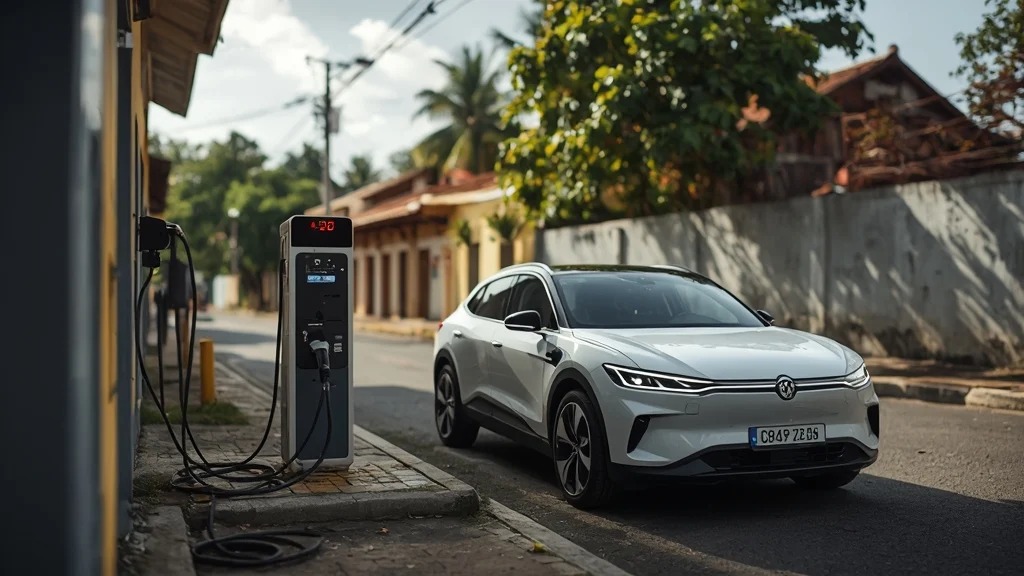
Costa Rica’s rapid shift to cheap Chinese EVs is causing infrastructure chaos and import dependency. Discover the risks of uncontrolled EV growth.
Costa Rica has long been hailed as a pioneer in sustainability, and its recent leap into electric mobility is no exception. With EVs capturing roughly 18% of new car sales in the first quarter of 2026, the country is one of the fastest-growing EV markets in its region. However, beneath the surface of these impressive numbers lies a complex web of infrastructure failures and strategic risks.
The Allure of the Budget EV
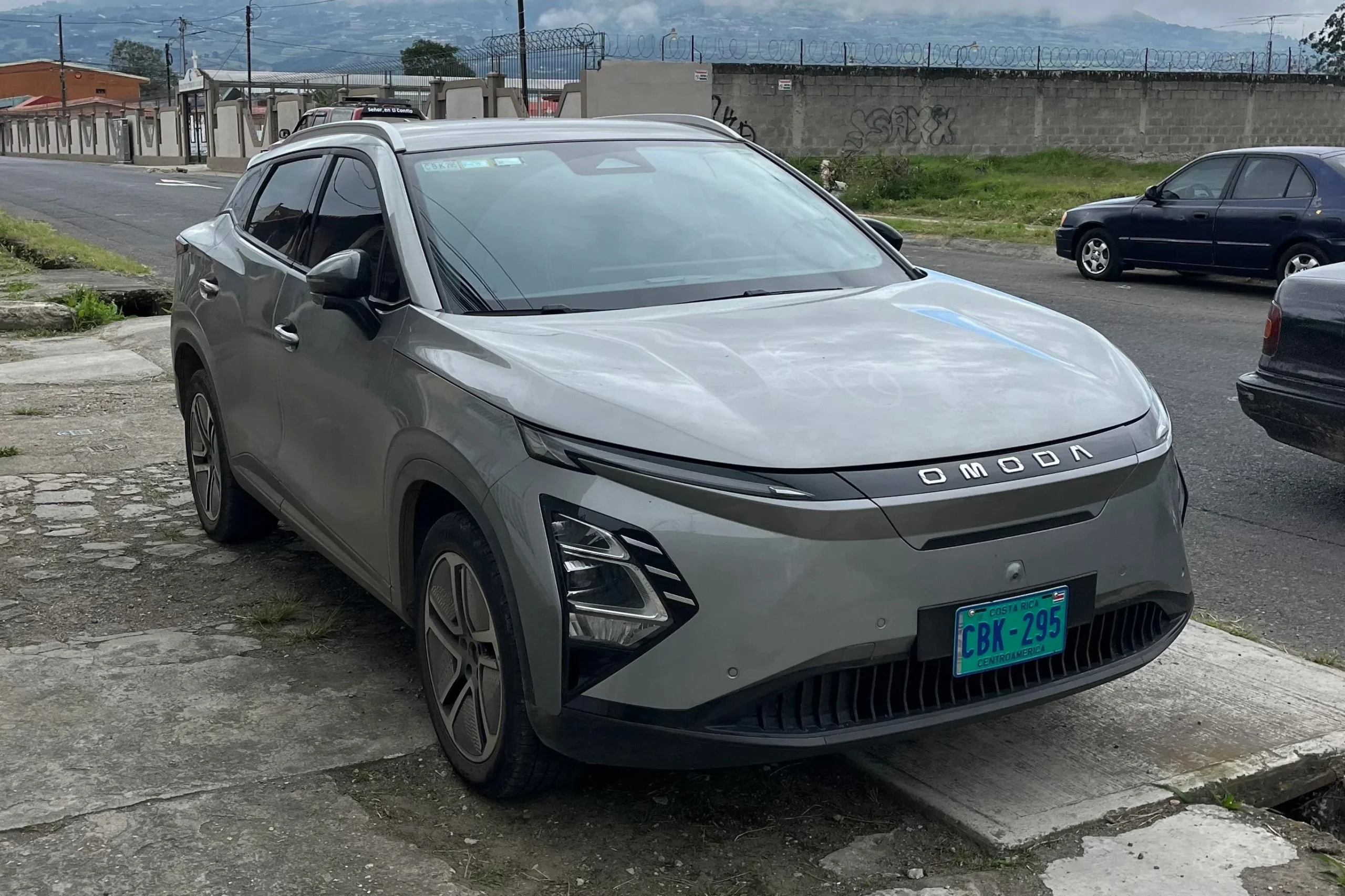
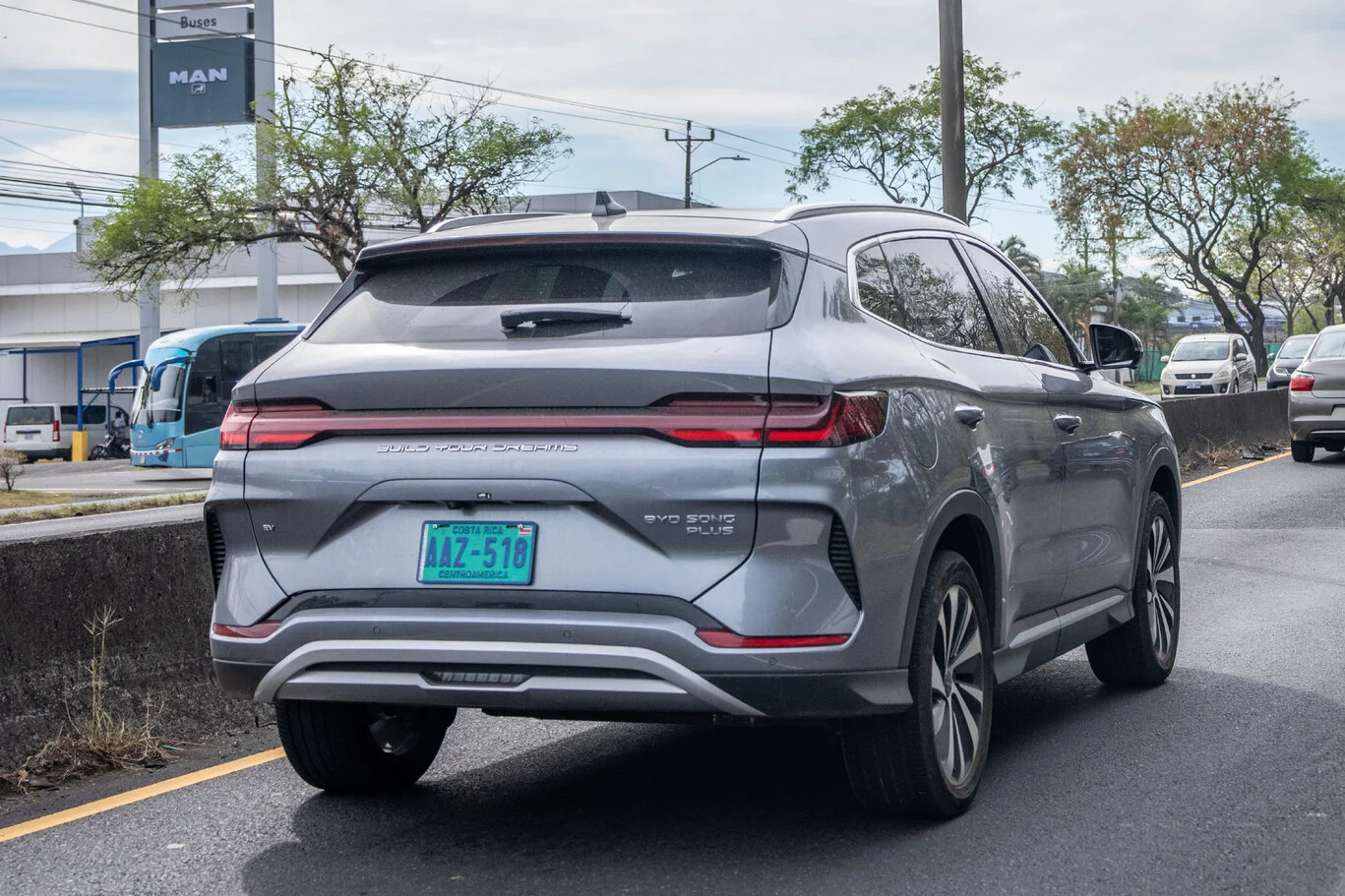
The surge in adoption is largely driven by a flood of affordable Chinese brands, most notably BYD and Geely. These manufacturers offer models at price points significantly lower than Western counterparts, making them irresistible to a population grappling with skyrocketing fuel costs—currently hovering around $1.61 per liter (approximately $6.09 per gallon).
According to the Costa Rican Electric Vehicle Association (Asomove), roughly 70% of consumers choose EVs primarily for cost savings. While this looks like a win for the consumer, it has created a dangerous reliance on a small group of foreign manufacturers and a surge in “gray market” imports from unofficial dealers.
A Charging Nightmare: Infrastructure vs. Reality
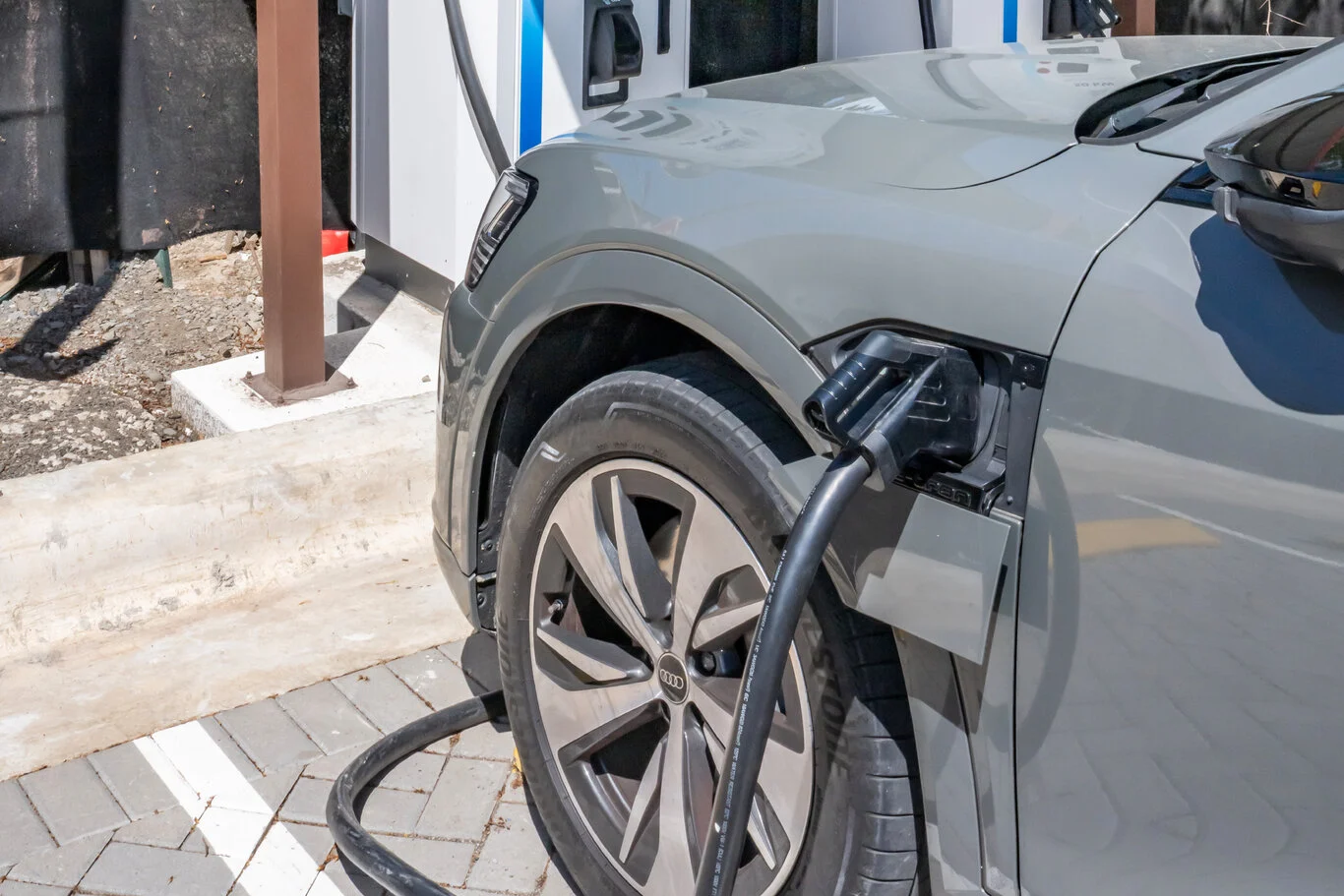
The transition to electric has happened so quickly that the physical infrastructure simply cannot keep up. A recent account from a New York Times reporter highlights the stark disconnect between car ownership and usability. During a short trip through the country, the reporter struggled to find compatible charging stations for Chinese-branded vehicles.
The issues aren’t just hardware-based; they are linguistic and systemic. In one instance, a rented BYD Yuan featured an infotainment system that hadn’t even been translated into Spanish, the primary language of Costa Rica. This lack of localization and standardization in charging protocols has left many drivers stranded or frustrated, proving that a car is only as good as the network supporting it.
The Looming Grid Crisis
Beyond the individual user’s struggle, there is a systemic threat to the national power grid. Costa Rica’s electricity infrastructure was not designed to handle a massive, sudden influx of high-voltage EV charging. Without a synchronized upgrade to the grid, the country faces a looming risk of power overloads and instability as more vehicles hit the road.
The Policy Paradox: Incentives vs. Independence
Since 2018, the Costa Rican government has implemented aggressive tax and fee incentives to promote EV adoption. While these policies successfully boosted sales, they may have inadvertently crippled the long-term health of the domestic automotive sector.
- Market Dominance: The lack of trade barriers has allowed low-cost imports to “invade” the market, pushing out traditional manufacturers.
- Quality Concerns: The rise of the gray market brings uncertainty regarding vehicle quality, safety standards, and long-term after-sales service.
- Strategic Dependency: By prioritizing cheap imports over a diversified ecosystem, the country has increased its vulnerability to foreign supply chain disruptions.
Final Thoughts: Lessons for Global Markets
The case of Costa Rica serves as a critical lesson for other nations eyeing a rapid transition to green energy. While the goal of reducing carbon emissions is vital, an uncontrolled shift can create new problems that are just as complex as the ones being solved.
True sustainable mobility requires more than just cheap cars; it requires a holistic approach that includes standardized infrastructure, grid modernization, and strategic trade policies to ensure that the transition is not just fast, but stable and sustainable in the long run.