
Euro NCAP warns some automakers cut safety tech to keep prices low. See how it affects 5‑star ratings and what buyers should consider. Read more!
At the recent 2026 Protocols Media Launch, Euro NCAP technical director Richard Schram revealed a growing trend: several manufacturers are deliberately scaling back safety‑assist features to keep their cars affordable, rather than chasing the coveted 5‑star rating.
Euro NCAP’s Safety‑First Message
Schram stressed that “some brands simply do not set the goal of becoming the safest model on the road.” Instead, they opt to remove or downgrade driver‑aid systems, arguing that their customers are unwilling to pay extra for the latest safety tech.
Dacia: A Price‑Centric Example
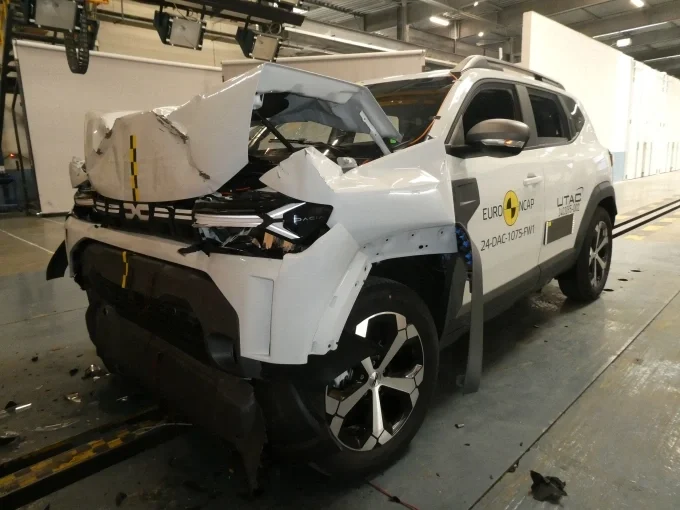
The Romanian‑owned brand Dacia, part of the Renault Group, was singled out as a prime illustration. Dacia’s leadership has repeatedly emphasized a focus on low purchase price over the pursuit of a 5‑star Euro NCAP badge. In 2021, CEO Denis Le Vot stated that achieving the top rating would raise vehicle costs beyond what the brand’s target market can afford. For Dacia, ownership cost and accessibility outweigh a perfect safety score.
Industry Insight on Technology Costs
Euro NCAP secretary‑general Michiel van Ratingen noted that, thanks to economies of scale, adding safety technology is no longer as expensive as it once was. Yet, certain manufacturers still view these systems as optional cost‑saving levers. “Just because a car has more tech doesn’t automatically make it safer; removing it to lower price is a deliberate choice,” he explained.
What a 3‑ or 4‑Star Rating Means
Euro NCAP clarified that a 3‑ or 4‑star rating does not equate to unsafe vehicles. All cars meeting the minimum European standards receive these scores. However, 5‑star models typically provide superior occupant protection and a broader suite of modern driver‑assist features.
Competitive Edge and the Price Race
In recent years, electric‑vehicle makers and Chinese brands have leveraged 5‑star Euro NCAP results as a marketing advantage across Europe. In contrast, low‑cost manufacturers argue that an endless race for safety technology inflates prices, pushing them out of reach for the average buyer.
Future Testing Criteria
European experts warn that Euro NCAP’s scoring system is becoming increasingly dependent on electronic assistance technologies, even as the underlying structural safety of many models remains solid. Starting in 2026, the organization will introduce new test protocols focusing on driver‑support and collision‑avoidance capabilities, making the path to a 5‑star rating more demanding than ever.
Takeaway for Consumers
- Check the Euro NCAP star rating, but also review which safety features are actually installed.
- Consider the total cost of ownership, not just the sticker price.
- Stay informed about upcoming test updates that could affect future model ratings.
As the auto market balances affordability with advanced safety, Euro NCAP’s warning serves as a reminder: a lower price tag may come at the expense of the latest protective technologies.