
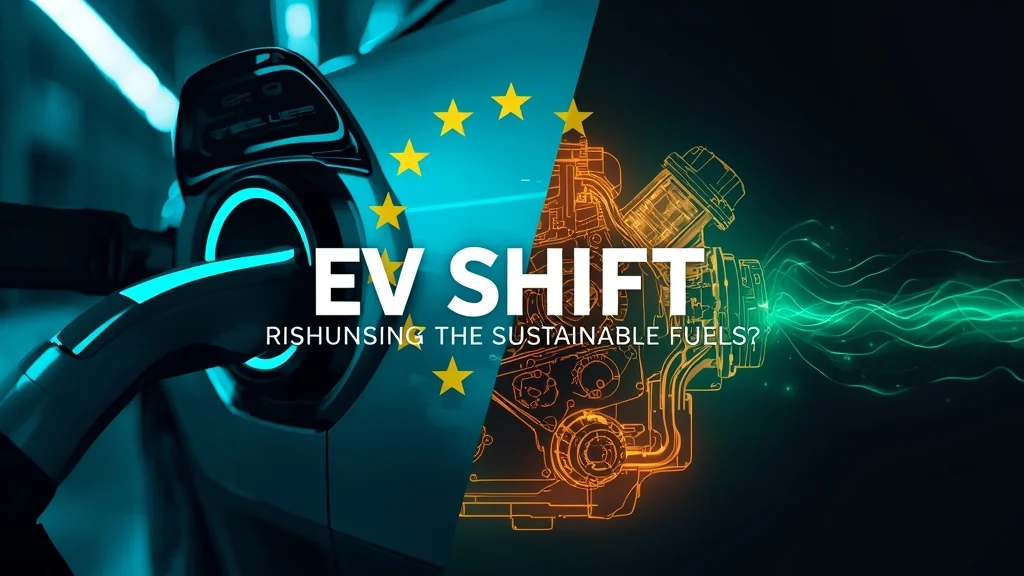
Stefano Domenicali warns that Europe’s aggressive EV push is hurting car manufacturers. See how sustainable fuels could save the industry. Read more!
The global automotive landscape is currently facing a period of unprecedented volatility. From the decline of traditional globalization and escalating tariff wars to fierce competition from Chinese manufacturers, the pressure on automotive Original Equipment Manufacturers (OEMs) and the Formula 1 ecosystem has never been higher.
The Clash Between Policy and Reality
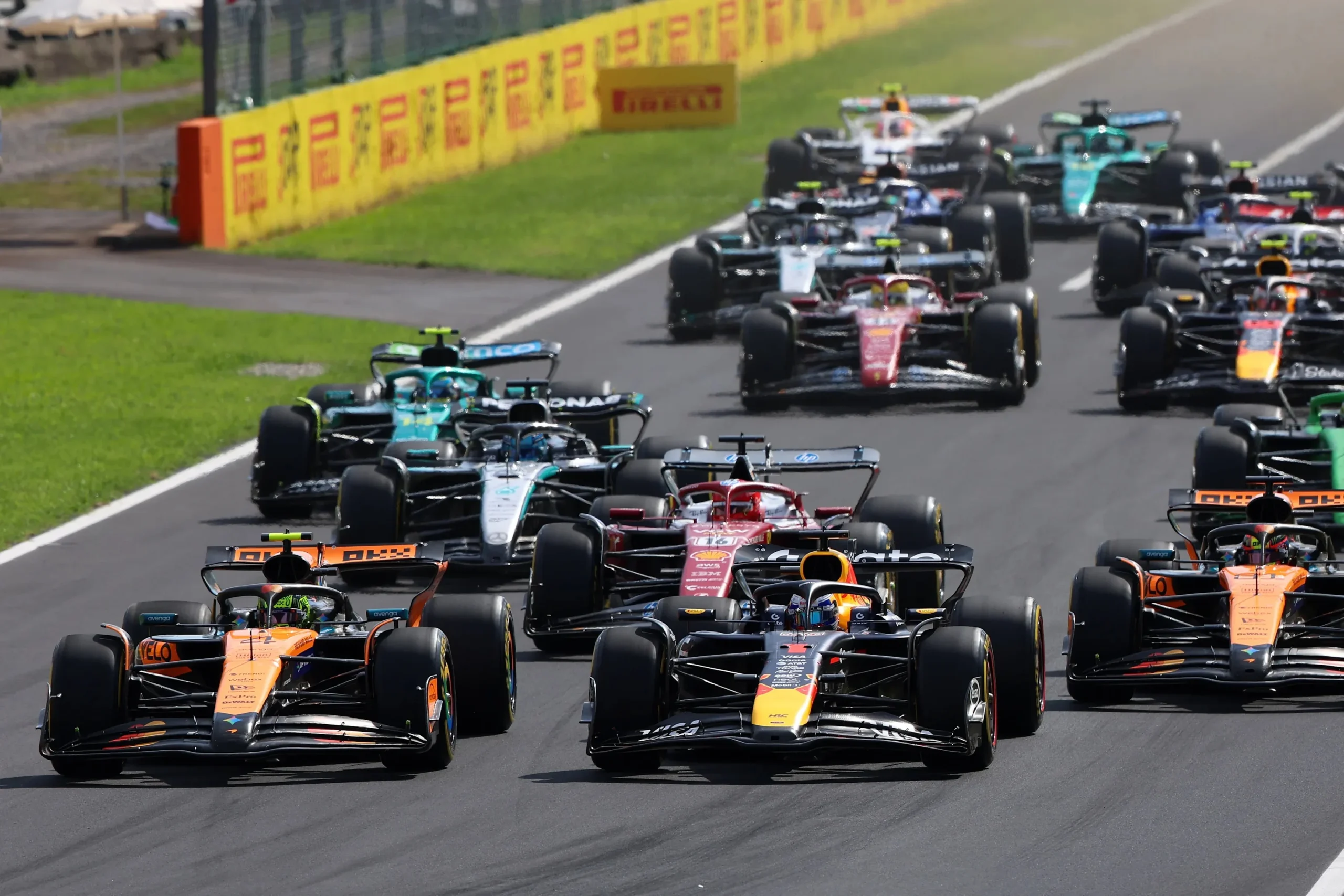
In an effort to maintain a competitive edge, many European policymakers have aggressively pushed for rapid electrification. However, Stefano Domenicali, Chairman and CEO of Formula 1, warns that this transition is moving at a pace that the industry simply cannot sustain.
Speaking in an interview with Motorsport.com, Domenicali highlighted the delicate balance F1 must maintain. Because the sport relies heavily on the participation of major car manufacturers, F1 has had to evolve its regulations to ensure these partners remain invested. According to Domenicali, the message from OEMs was blunt: “Either we move toward electrification, or we lose interest in motorsport entirely.”

An “Irrecoverable” Mistake?
While F1 has adapted, Domenicali argues that the regulatory pressure within Europe has detached itself from practical reality. He pointed out the sheer scale of the challenge, noting that there are approximately 1.6 billion vehicles currently in circulation globally. Expecting a total transition to electric vehicles (EVs) in the short term is, in his view, fundamentally unfeasible.
This disconnect, he claims, has placed European carmakers in a precarious position, creating a ripple effect that reaches all the way to the grid. “Some politicians at the European level have failed to understand this,” Domenicali stated, adding that their approach has inadvertently created problems for the European industry that may be nearly impossible to reverse.
Sustainable Fuels: A New Path Forward
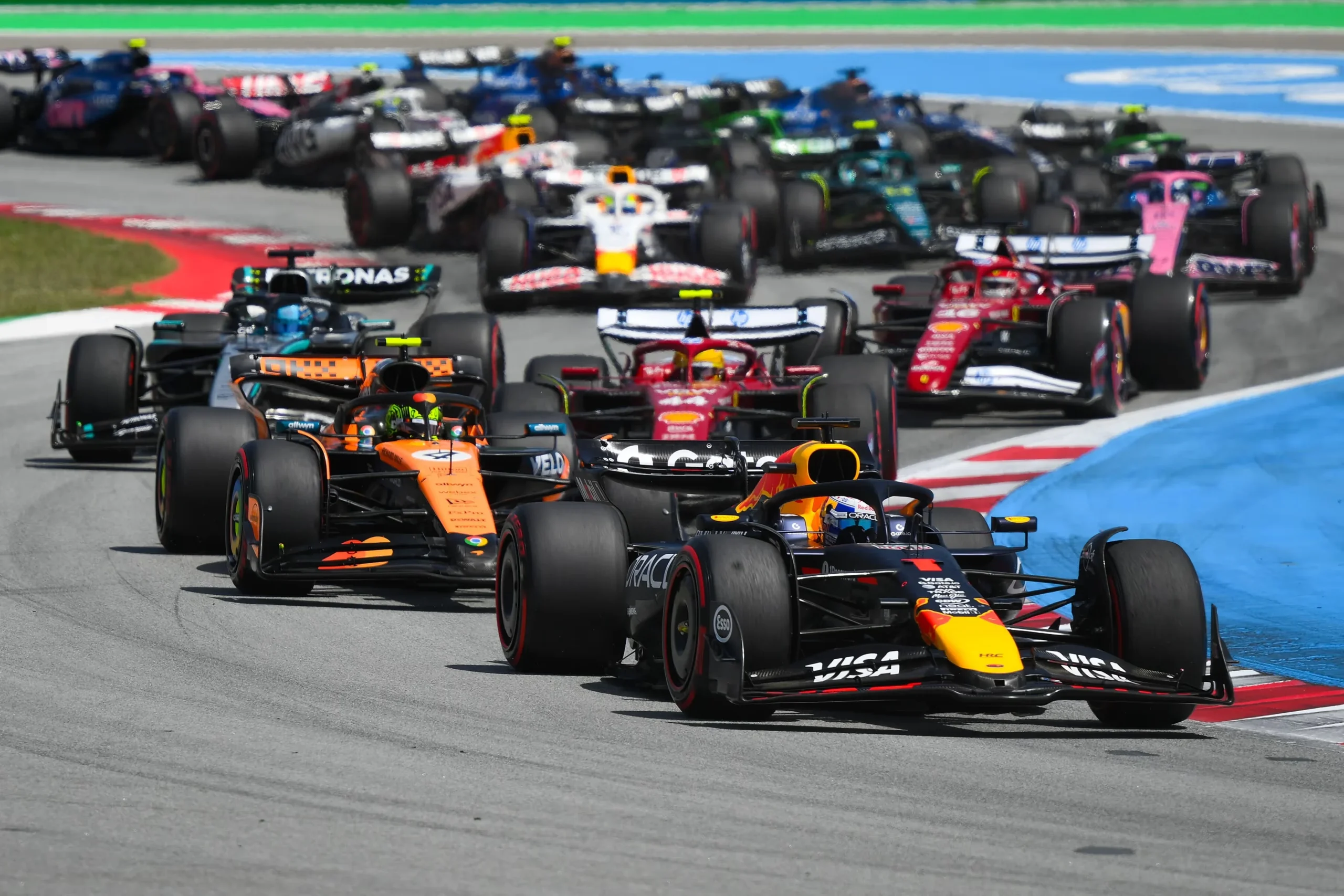
As the limitations of pure electrification become apparent, sustainable fuels are emerging as a critical alternative for preserving the internal combustion engine (ICE). This pivot could allow F1 to recalibrate its electrification goals, provided the FIA agrees with the direction.
Domenicali believes that combining high-performance combustion engines with sustainable fuels offers several key advantages:
- Reduced Weight: Eliminating massive battery packs allows for lighter, more agile cars.
- Enhanced Performance: Teams can maximize power and efficiency without the constraints of current EV technology.
- Industrial Viability: It provides a realistic pathway for existing global fleets to become carbon-neutral.
Looking Toward 2026
Formula 1 is not just talking about change; it is already implementing it. The sport is set to introduce “drop-in” sustainable fuels for the 2026 season. This move is expected to redefine the technological trajectory of the sport and, more importantly, provide a blueprint for the global automotive industry to achieve sustainability without sacrificing performance or economic stability.