
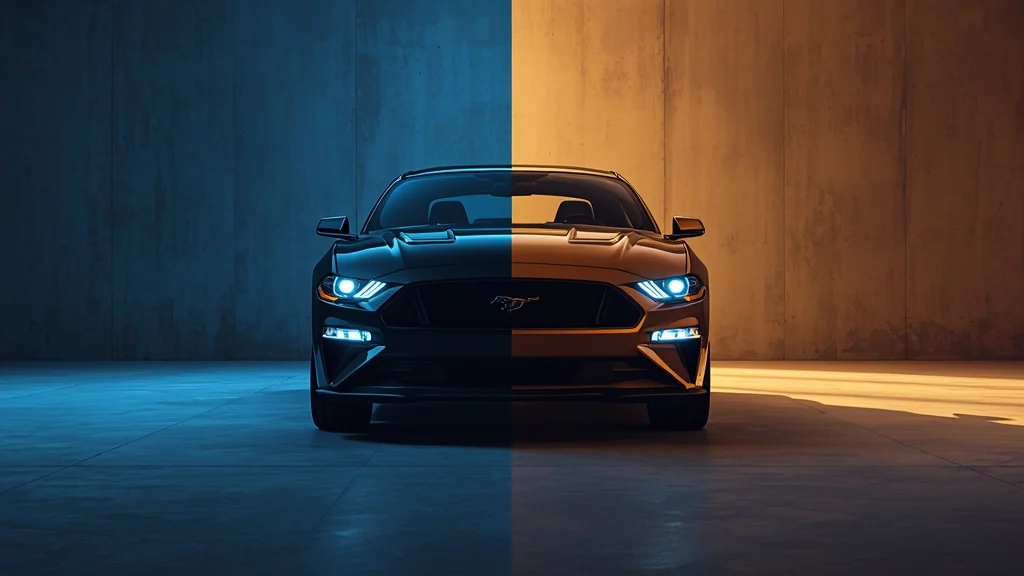
Ford admits it can’t compete on price with Hyundai and Toyota, shifting focus to high‑margin performance models. Discover the new strategy now.
A Shift Away from the Price Race
In a candid interview with Argentina’s La Nación, Ford CEO Jim Farley openly acknowledged that the automaker is undergoing a quiet but decisive transformation. After decades of chasing the low‑cost segment with models like the Fiesta and Focus to match Japanese and Korean rivals, Ford has come to a harsh reality: its production costs simply cannot compete with the likes of Toyota or Hyundai‑Kia.
Farley described the ambition to become a “full‑line” manufacturer—offering a vehicle in every conceivable segment, reminiscent of the Model T era—as a financial misstep. While the intention to be everywhere was noble, the reality is that Ford lacks the cost advantage Asian competitors enjoy, making a broad‑based price war “almost impossible” to win.
The Bottom Line: Volume Down, Profit Up
The impact of this strategic pivot is evident in the numbers. From 2013 to 2017, Ford consistently sold more than 6.3 million vehicles worldwide each year. In recent years, that volume has slipped to a stable range of 4.2–4.4 million units annually.
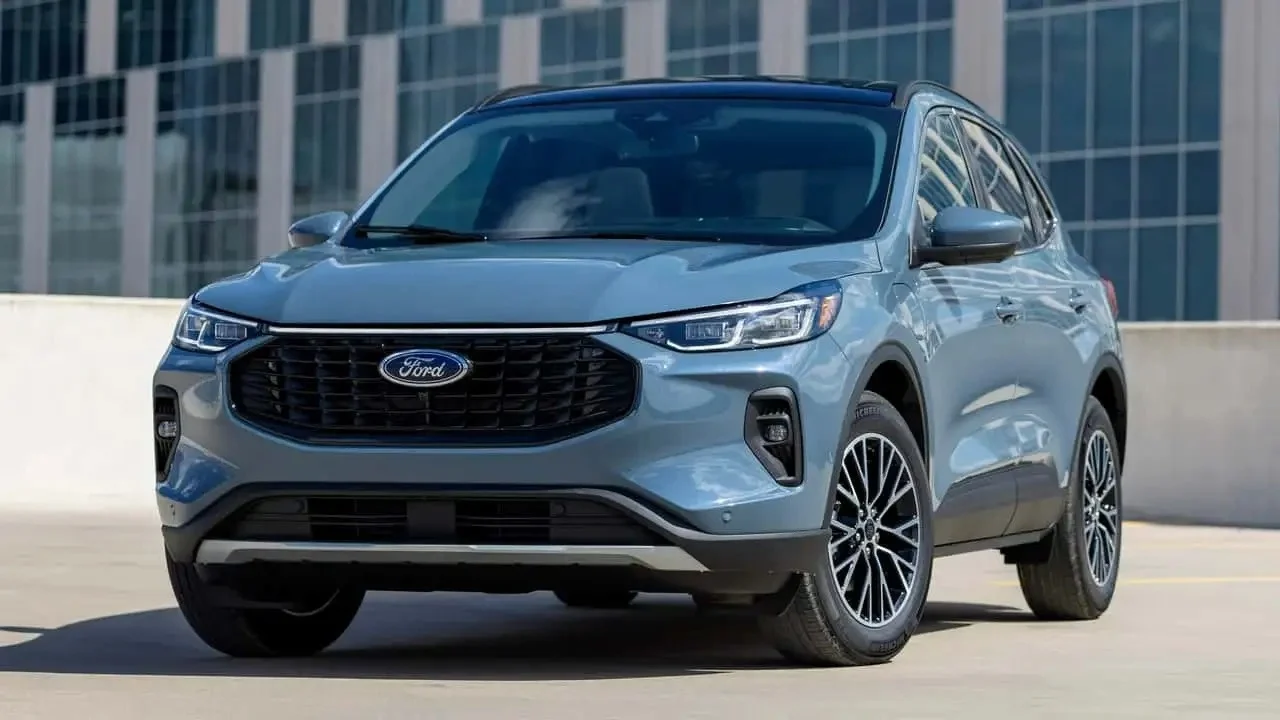
Despite the drop in unit sales, the company’s revenue and profitability have improved. The reason is straightforward: the cars Ford now sells carry higher price tags and deliver substantially better margins than the budget models of the past.
New Focus: High‑Performance Halo Cars
Rather than chasing millions of low‑margin compact cars, Ford is concentrating on a handful of “halo” products designed to capture imagination and loyalty. These vehicles command premium pricing and act as brand ambassadors.
- Mustang GTD – a track‑ready, high‑performance variant that pushes the iconic name to new extremes.
- Bronco Raptor – a rugged, off‑road specialist built to dominate challenging terrains.
- F‑150 Raptor R – an ultra‑powerful truck that blends workhorse capability with sports‑car thrill.
These models are engineered to generate excitement far beyond the practical needs of everyday driving, reinforcing Ford’s identity as an innovator rather than a price‑fighter.
Building a Distinctive Empire
By stepping out of the low‑price arena dominated by Toyota and Hyundai, Ford is crafting a niche empire built on customer loyalty and the unique emotional appeal of its flagship icons. The strategy leans heavily on the timeless allure of the Mustang and the rugged heritage of the F‑Series trucks, betting that passionate buyers will sustain the brand’s growth for years to come.