
Explore how the US, EU, Brazil, India and Asian nations set ethanol blend mandates for biofuel gasoline and what it means for drivers. Learn more!
Governments worldwide are tightening rules on ethanol‑blended gasoline to cut emissions, boost local agriculture, and reduce dependence on imported oil. From Southeast Asia to the United States, each market is carving out its own blend ratios and timelines.
Vietnam’s New Blend Mandate
Effective 1 June 2025, Vietnam will require all unleaded gasoline to be blended into E10 (RON 95) for all gasoline‑engine vehicles. The existing E5 (RON 92) bio‑gasoline will remain available only until 31 December 2030.
From June onward, motorbike and car owners in Vietnam can choose between:
- E5 RON 92 (until the end of 2030)
- E10 RON 95 (mandatory from June 2025)
Southeast Asia: Philippines, Thailand & Indonesia
Philippines has required a 10 % ethanol blend (E10) since 2012. In 2024 the Energy Department opened a voluntary pathway for E20 but stopped short of a mandatory deadline, citing supply security and vehicle compatibility.
Thailand extended its bio‑fuel subsidy for another two years—until 24 September 2026—to promote E20 and other renewable blends.
Indonesia pushed back its 10 % ethanol blend target from 2027 to 2028, citing limited domestic ethanol production.
The United States: From E10 to E85
In the U.S., E10 is the default gasoline across most stations. Some regions also offer E15 and the high‑blend E85 (containing 51‑85 % ethanol) for flex‑fuel vehicles.
Europe’s Unified Approach
Major European markets—including Germany, France, Finland and the United Kingdom—have adopted E10 as the standard pump fuel. Older cars that cannot handle higher ethanol levels continue to run on E5.
Brazil: Pioneering High‑Blend Fuels
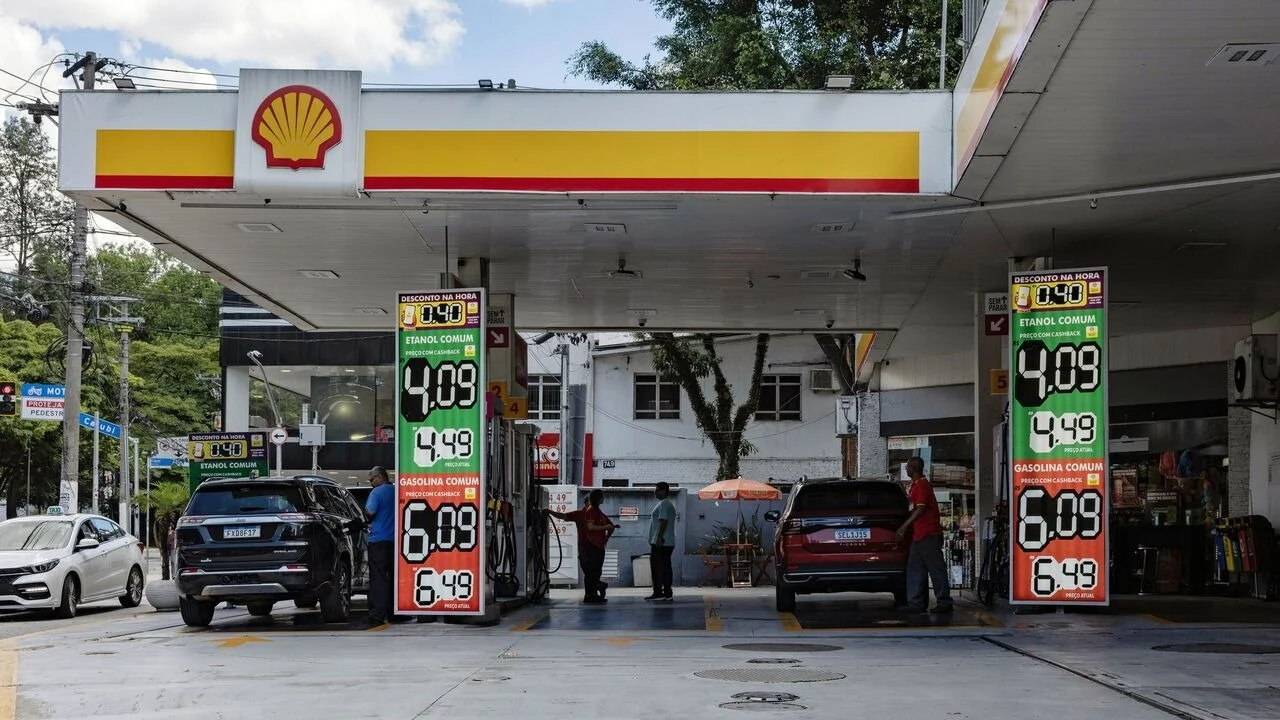
Since the late 1970s, Brazil has been a leader in ethanol blending, regularly offering E20 and E25. After the 1973 oil crisis, the government mandated 10‑22 % ethanol in gasoline (1976‑1992), effectively eliminating almost all pure gasoline (E0) from the market, except for aviation fuel.
India’s Rapid Shift to E20
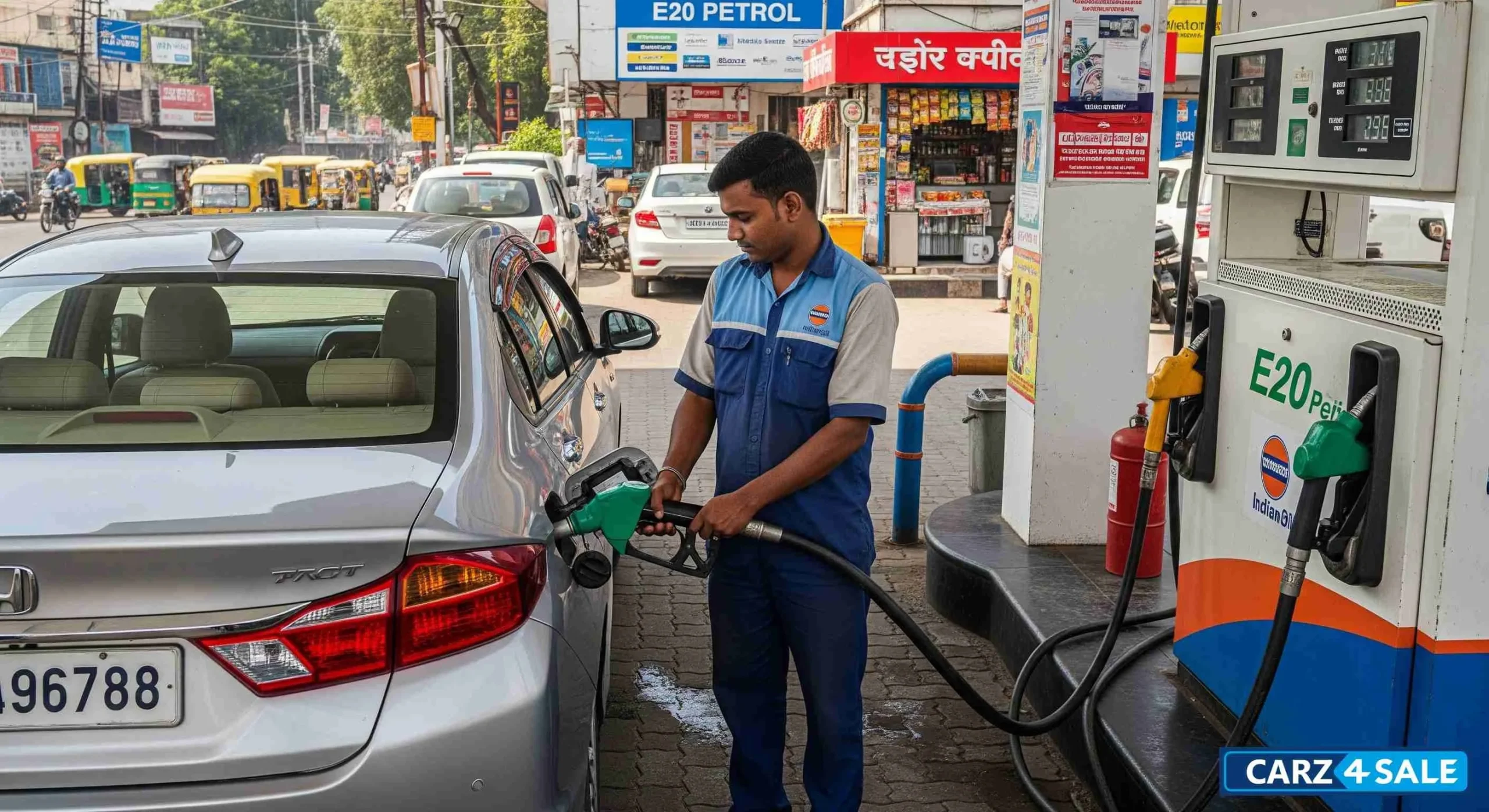
India raised its ethanol blend requirement from 12 % in 2023 to a mandatory E20 in 2024. The policy aims to curb crude oil imports and absorb excess domestic sugar production, turning the country into one of the largest bio‑fuel markets.
Key Takeaways
- Most regions now treat E10 as the baseline gasoline.
- Higher blends (E15‑E85) are expanding where vehicle fleets support flex‑fuel technology.
- Supply constraints, especially for ethanol, influence timelines and voluntary vs. mandatory targets.
- Policy shifts are closely tied to energy security, agricultural markets, and emissions goals.
Understanding these global standards helps manufacturers, fleet operators, and consumers navigate the evolving fuel landscape.