
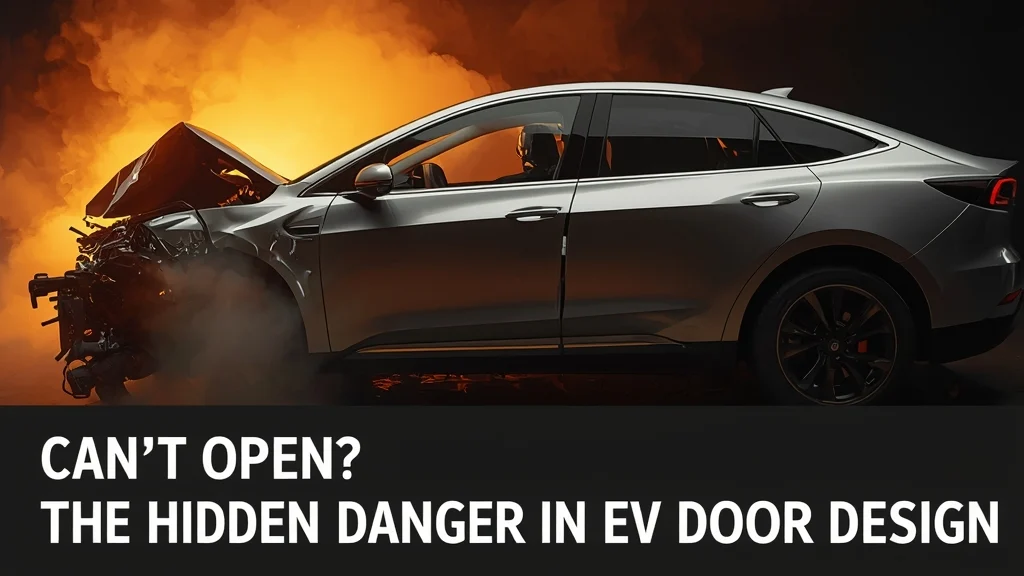
Hidden door handles add a high‑tech look to EVs, but they can trap occupants and delay rescuers. Discover the safety issues and China’s new ban – read on!
Rise of the Invisible Handle
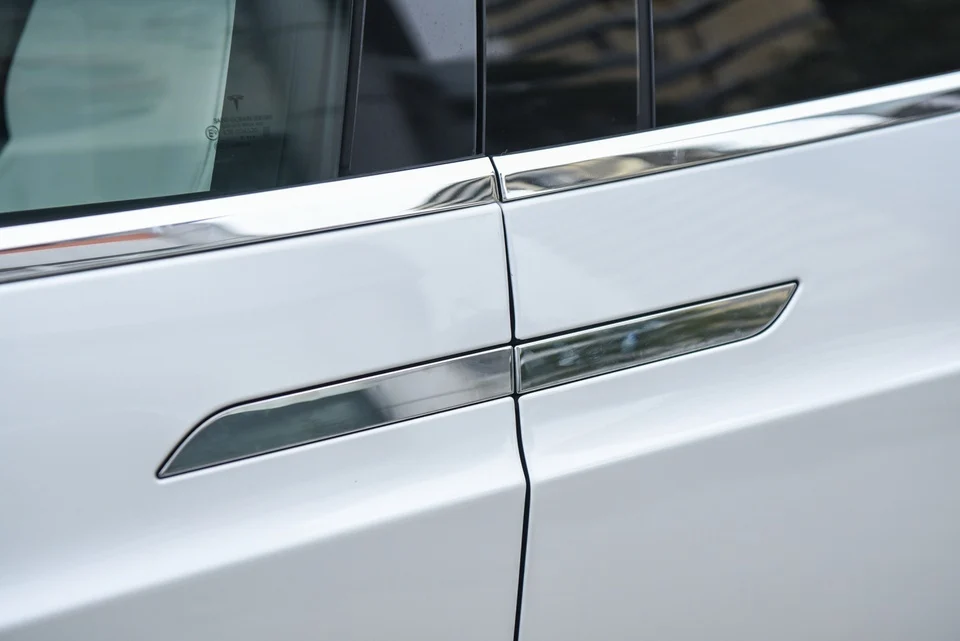
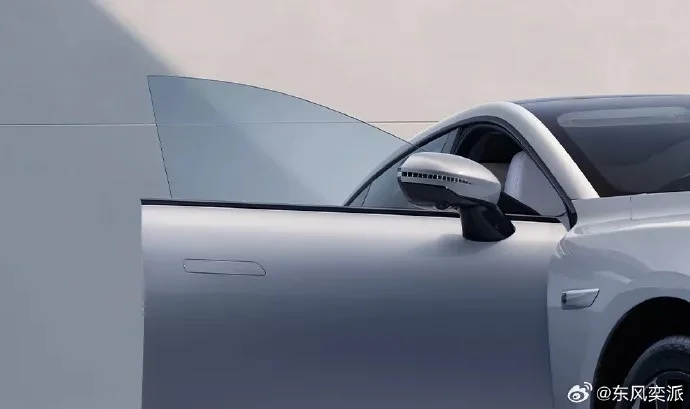
When Tesla unveiled the flush door handles on the Model S in 2012, the automotive world took notice. The sleek, surface‑mounted design promised a cleaner look and reduced drag, quickly becoming a status symbol for premium electric vehicles.
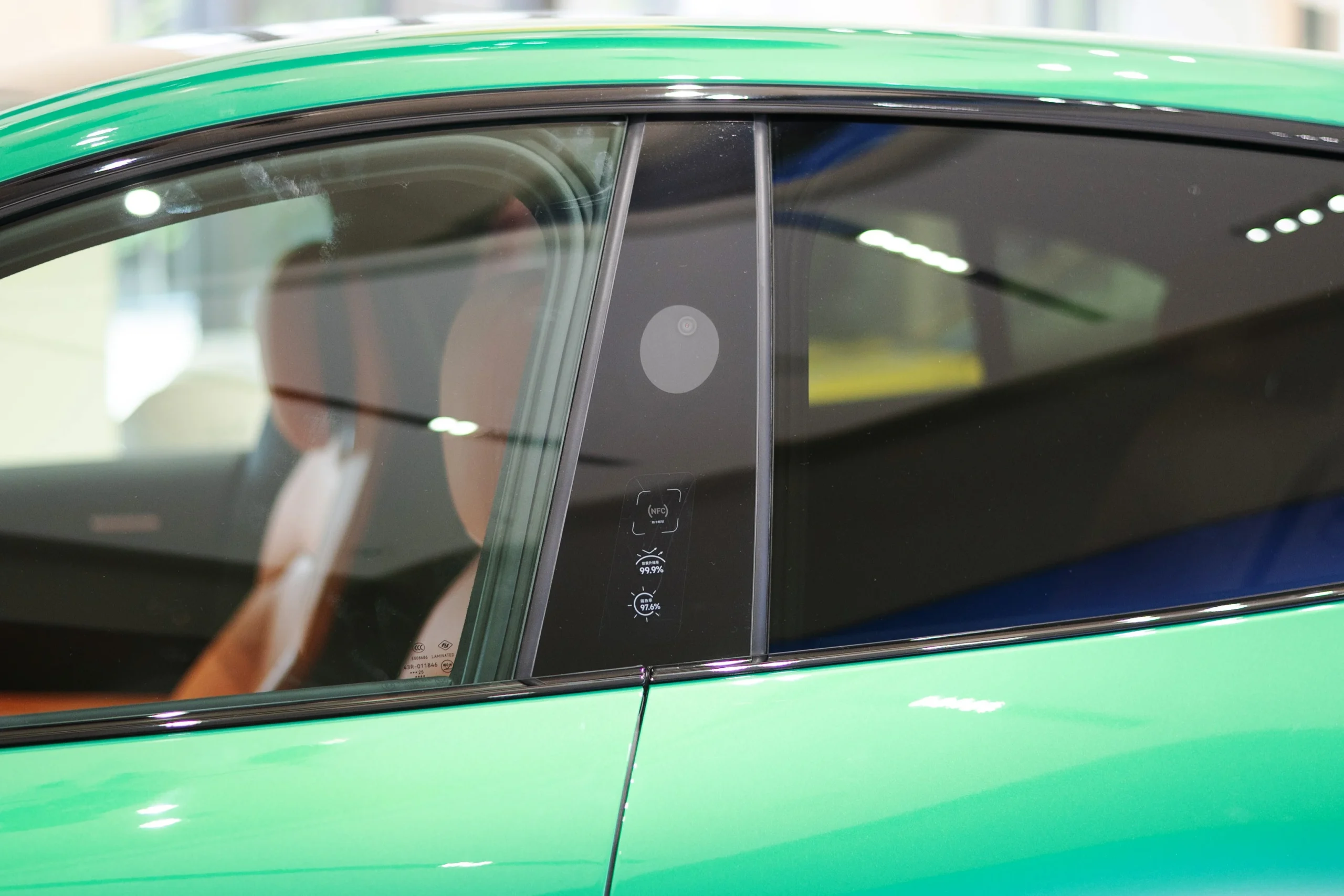
Western brands such as Land Rover (Velar) and later a host of Chinese EV manufacturers adopted the concept. By 2023, an estimated 60% of electric cars sold in China featured some form of hidden or retractable door handle.
Why Automakers Love the Look
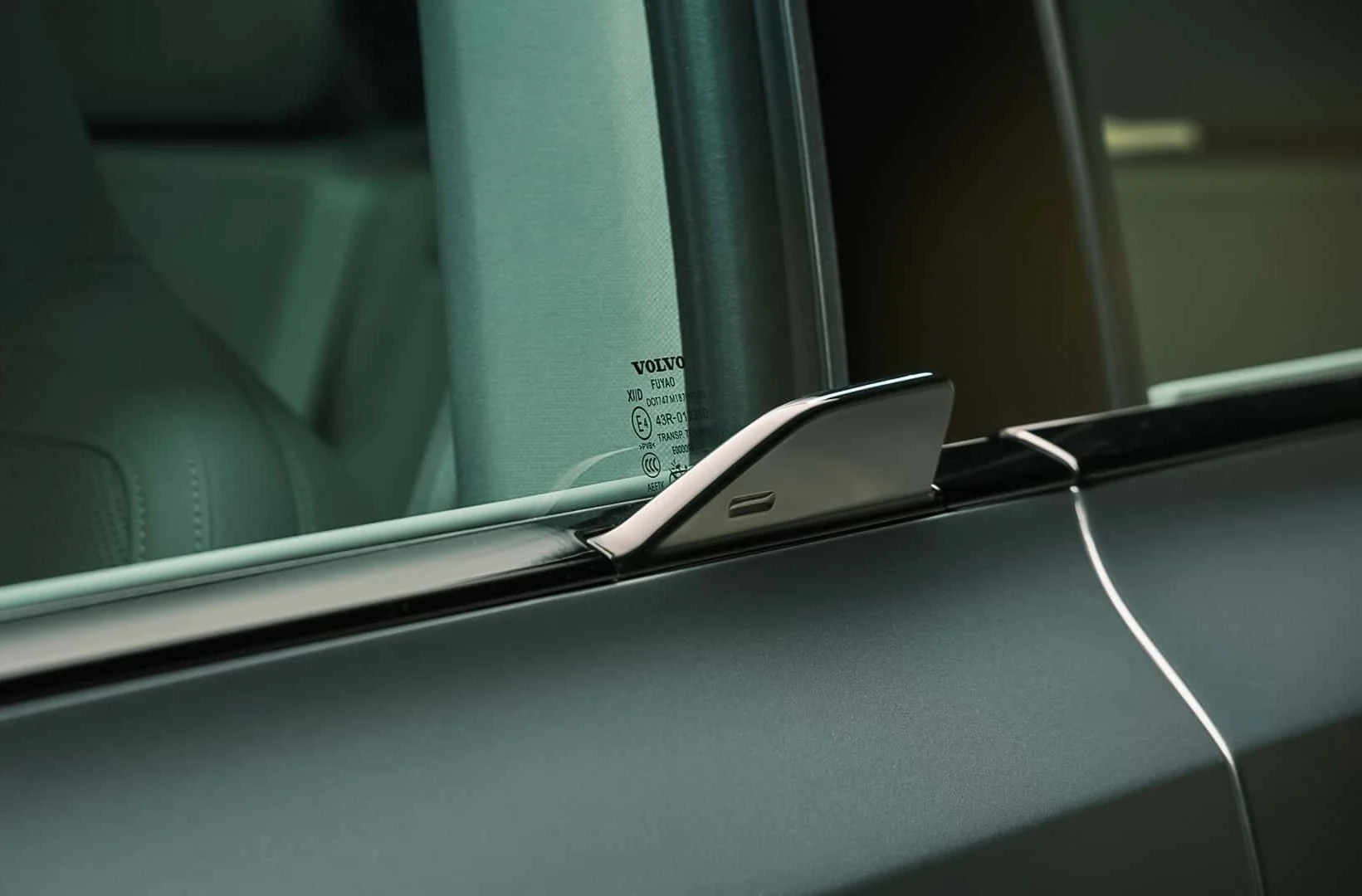
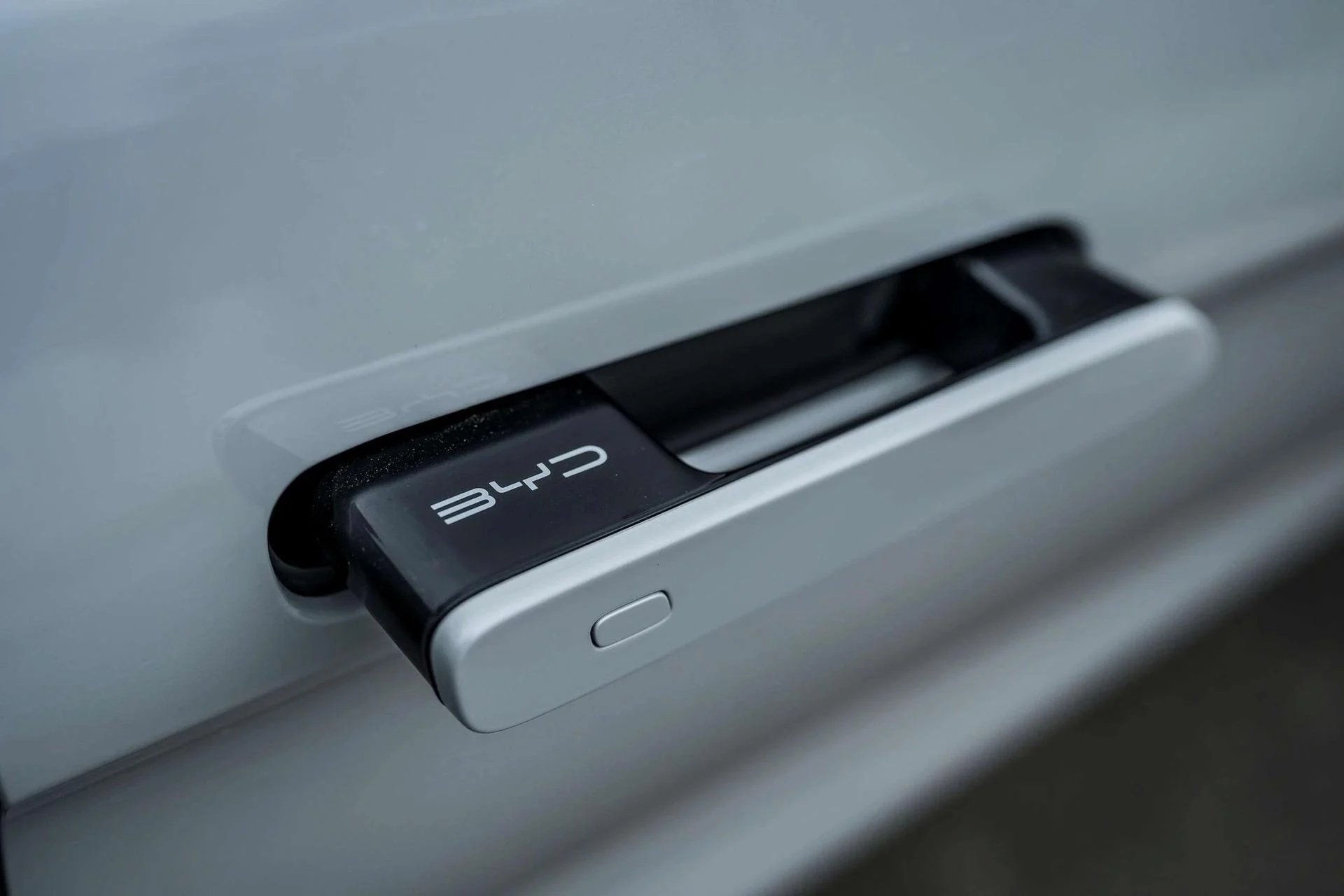
For Chinese startups and established EV makers alike, hidden handles are an easy way to borrow a high‑end aesthetic without the cost of expensive materials. The mechanism can be operated with a fingertip swipe, a button press, or an automatic pop‑out when a key fob approaches, giving budget models a “premium” feel.

Marketing teams also tout secondary benefits – claims of improved aerodynamics and a futuristic image. In reality, many of these claims are more about style than functional performance.
Safety Concerns Emerge
Despite the visual appeal, the proliferation of hidden handles has exposed a critical safety gap. Unlike traditional metal handles that can be grasped in any emergency, many electronic mechanisms require a specific sequence or a functional power supply to deploy.
Recent accidents underline the risk:
- In March 2025, a Dongfeng e007 caught fire after a collision in China. The vehicle’s electrical system shut down, leaving the hidden handles retracted and the doors impossible to open.
- Later that year, a driver of a Xiaomi SU7 Ultra died when the sedan slammed into a guardrail, ignited, and the concealed handles failed to extend. Rescue crews struggled to gain entry as the fire spread rapidly.
These incidents highlight two problems: the reliance on power for operation and the lack of a universal mechanical fallback.
China’s Regulatory Response
In response, the Ministry of Industry and Information Technology (MIIT) issued a safety directive in late 2025. Effective 1 January 2027, every new vehicle sold in China must feature a manual, mechanically operable door‑opening mechanism on both the interior and exterior sides.
Manufacturers with models already approved for launch receive an extension until January 2029 to redesign their doors.
Industry Adaptation
Major brands have already begun retrofitting upcoming releases with physical handles. Ford, for example, added a conventional pull‑handle “fish‑scale” guard to the front doors of the Mustang Mach‑E, while still offering key‑code or button‑activated opening as an option.
The shift signals that safety standards will soon dominate design choices, forcing automakers to balance aesthetic innovation with regulatory compliance.
What This Means for Consumers
For buyers, the takeaway is clear: a beautiful, flush‑mounted handle is no longer worth compromising on basic safety. Look for vehicles that provide a reliable manual override—especially if you plan to drive in regions with strict safety mandates.
As the industry evolves, expect to see more transparent design disclosures and possibly industry‑wide standards governing door‑handle safety. After all, no amount of tech sparkle can replace the fundamentals of occupant protection.
Stay informed, choose wisely, and prioritize safety over style.