
Honda faces a massive loss due to EV costs and scraps ambitious electric targets. Discover how the giant is pivoting its strategy. Read more!
In a stunning reversal of fortune, Honda has reported its first annual loss since going public in 1957. This historic financial blow comes as the Japanese automotive giant grapples with the staggering costs of its transition to electric vehicles (EVs), forcing the company to abandon several high-profile targets and fundamentally rethink its growth strategy.
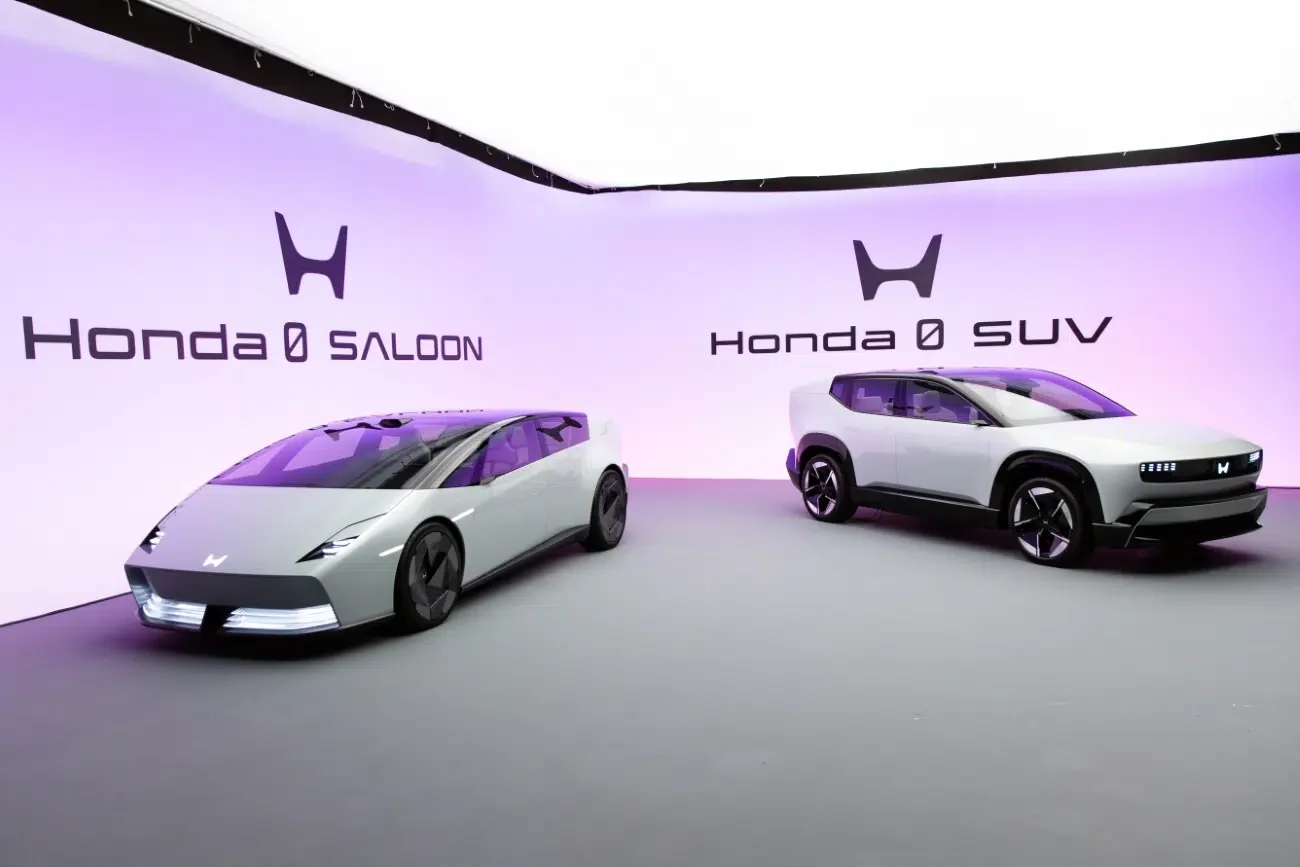
The Cost of an Electric Ambition
The primary driver behind this downturn is a massive restructuring cost associated with Honda’s EV division, totaling over $9 billion. For an industry veteran known for its financial stability, this moment marks a critical turning point. It highlights the immense risks traditional automakers face when betting heavily on electrification in a market where actual consumer demand is failing to meet aggressive corporate expectations.
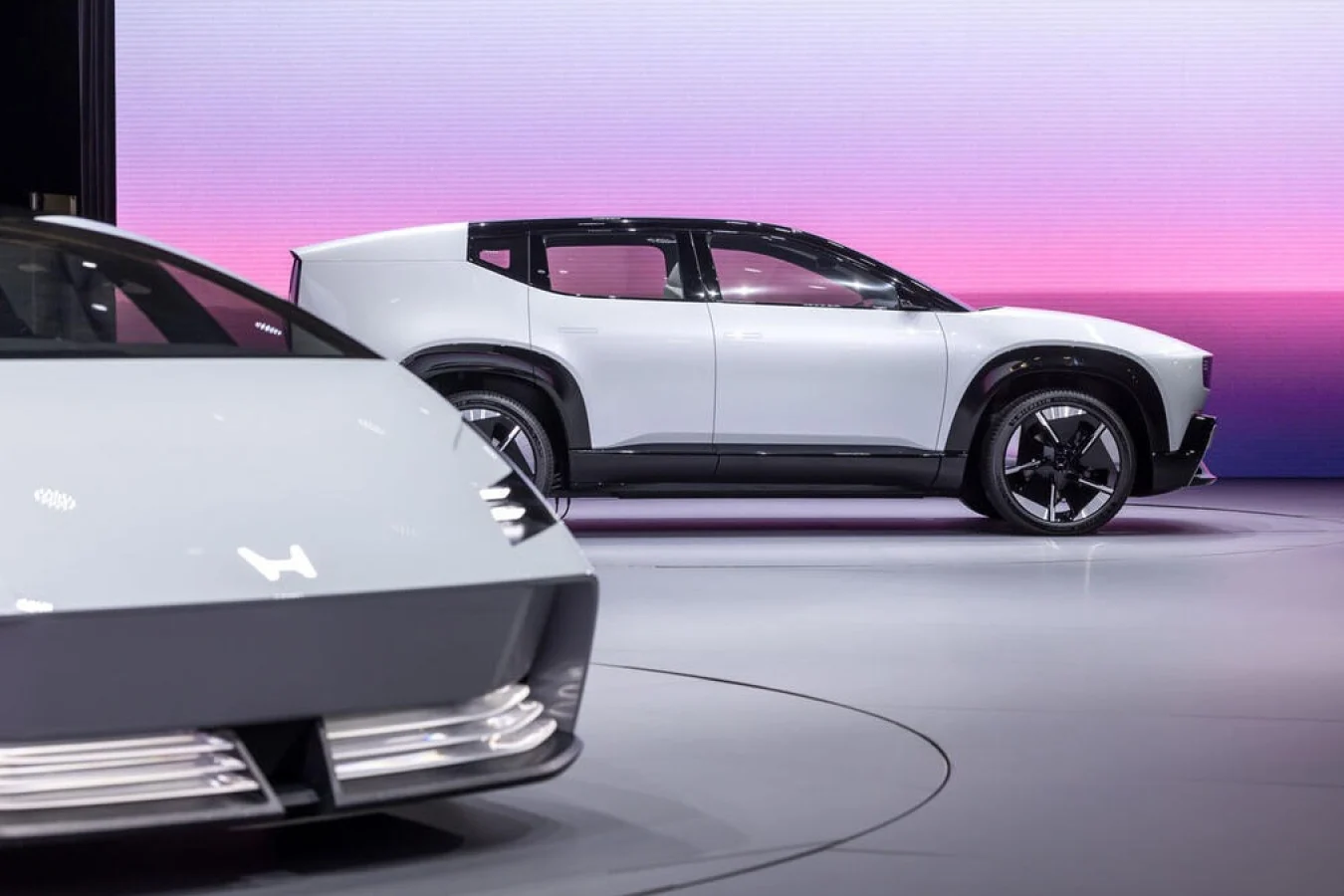
For the fiscal year ending March 2026, Honda reported an operating loss of 414.3 billion Yen (approximately $2.63 billion). This figure far exceeded analyst predictions of a 315.6 billion Yen loss and represents a dramatic swing from the 1.2 trillion Yen profit recorded in the previous year.
Strategic Retreat: Scrapping Bold Targets
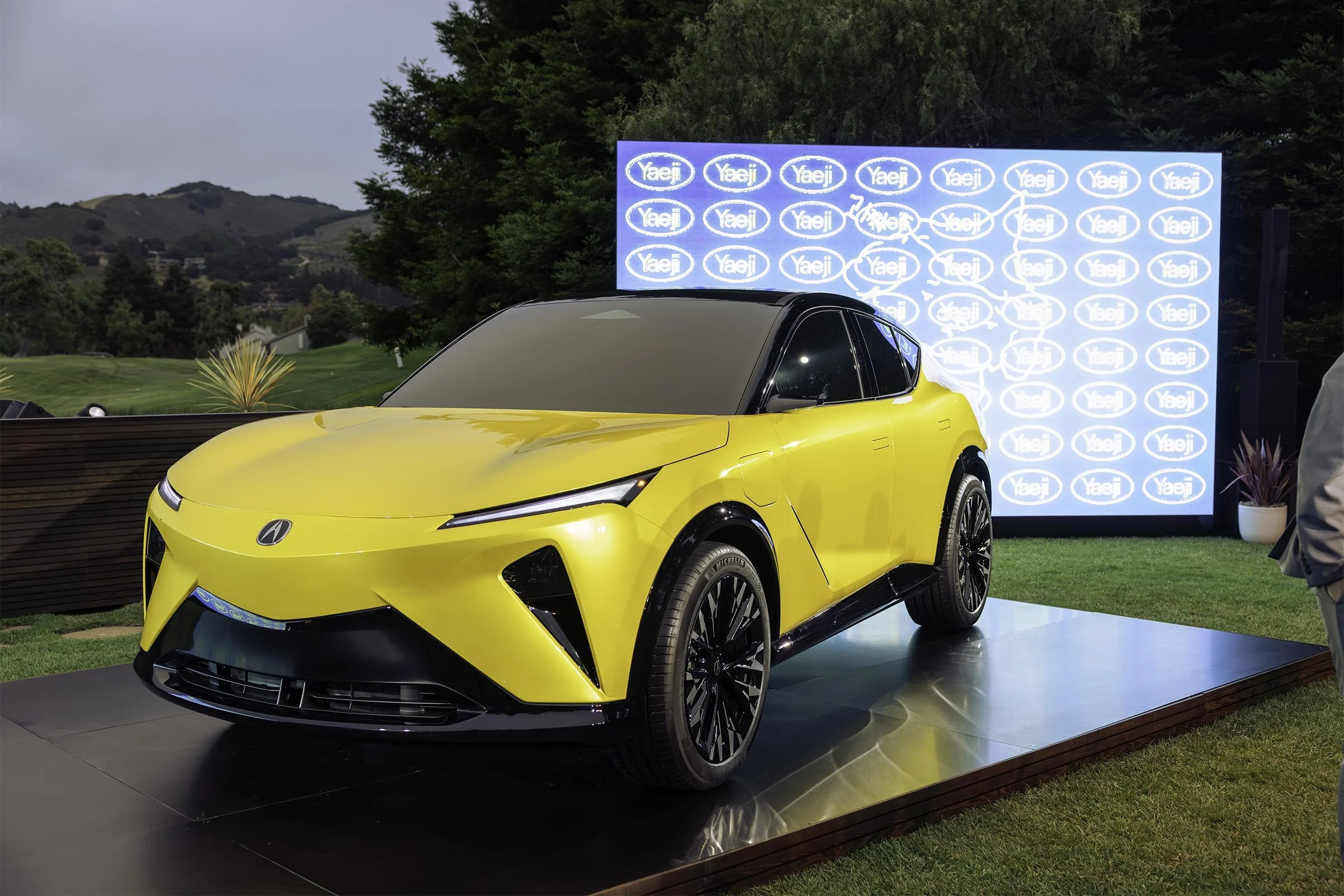
Acknowledging the misalignment between its goals and market reality, CEO Toshihiro Mibe announced a significant strategic pivot. Honda is officially scrapping its target for electric vehicles to make up 20% of new vehicle sales by 2030. Even more striking is the company’s decision to abandon its plan for a total transition to battery-electric (BEV) or fuel-cell vehicles (FCEV) by 2040.
Further intensifying this retreat, Honda has placed an indefinite hold on its massive EV project in Canada. The project, valued at $11 billion for the production of EVs and batteries, was previously hailed as the company’s largest ever investment in the North American nation.

The Motorcycle Lifeline and Shareholder Confidence
Despite the grim financial reports, Honda’s stock surprisingly surged, hitting a two-month high and closing up 3.8%. This market optimism is driven by the company’s commitment to return at least 800 billion Yen to shareholders over the next three years, while maintaining an annual dividend of 70 Yen per share.
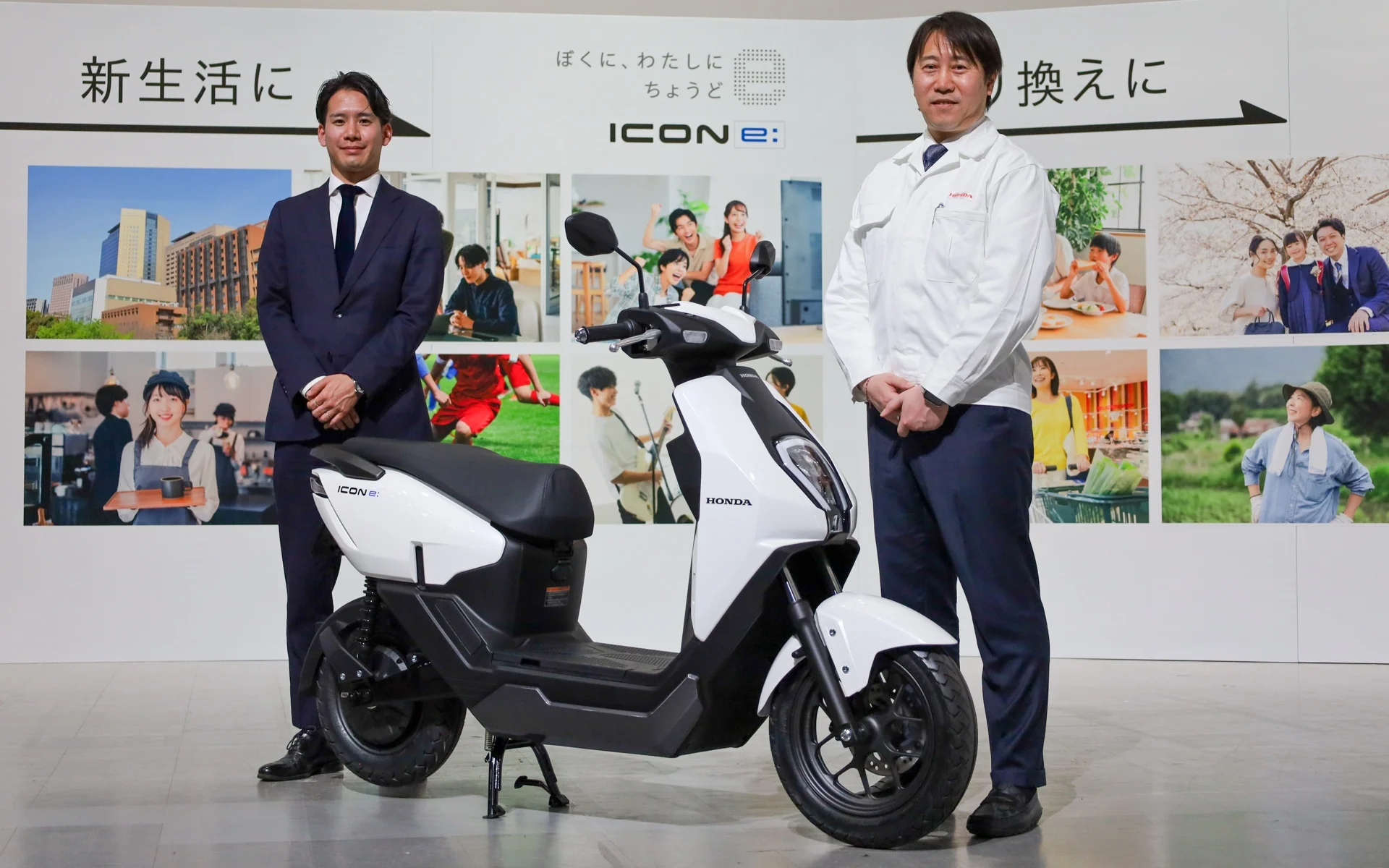
This confidence stems from Honda’s diversified portfolio. While the automotive sector struggles, the motorcycle division remains a powerhouse of profitability. Strong sales in India and Brazil have pushed motorcycle production and profits to record highs, providing the essential cash flow needed to offset EV losses and declining car sales in key markets like China.
Criticism and the Road Ahead
The company is not without its critics. James Hong, an analyst at Macquarie, noted that Honda’s overall execution has been “very slow.” He pointed out that many of the company’s recent strategic moves—such as increasing the use of domestic components from China—lack innovation and offer “nothing new” to the competitive landscape.
Looking Forward: Risks and Opportunities
While Honda expects to return to profitability this year with a forecast of 500 billion Yen—aided by aggressive cost-cutting and motorcycle revenue—the road remains perilous. The company has warned that rising raw material costs and geopolitical tensions in the Middle East could slash operating profits by another 313 billion Yen.
Furthermore, even the motorcycle segment is starting to feel the pressure. The gradual shift toward electrification in vital markets like Vietnam and India is beginning to squeeze profit margins.
Industry analysts warn that Honda now has a “limited window of opportunity” to refine its strategy. To avoid being left behind in the global electrification race, the Japanese giant must find a way to balance its traditional strengths with a more sustainable and agile approach to the EV era.