
Honda faces its first operating loss since 1957 due to soaring EV costs. Discover how the automotive giant plans to pivot and recover. Read more!
In a stunning reversal of fortune, Honda has reported its first operating loss since going public in 1957. The Japanese automotive giant is grappling with the immense financial burden of its transition to electric vehicles (EVs), forcing a drastic rethink of its global strategy.
A Historic Financial Downturn
According to reports from Nikkei, Honda recorded an operating loss of approximately 400 billion Yen (roughly $2.55 billion) for the fiscal year ending March 2026. This marks a dramatic fall from the previous fiscal year, where the company boasted an operating profit of 1.2 trillion Yen.
To put this into perspective, this is one of the most significant losses ever recorded by a Japanese automaker. It is surpassed only by Toyota’s 461 billion Yen loss during the 2009 global financial crisis, though analysts note that differences in accounting standards make a direct comparison complex.
The Cost of the EV Transition
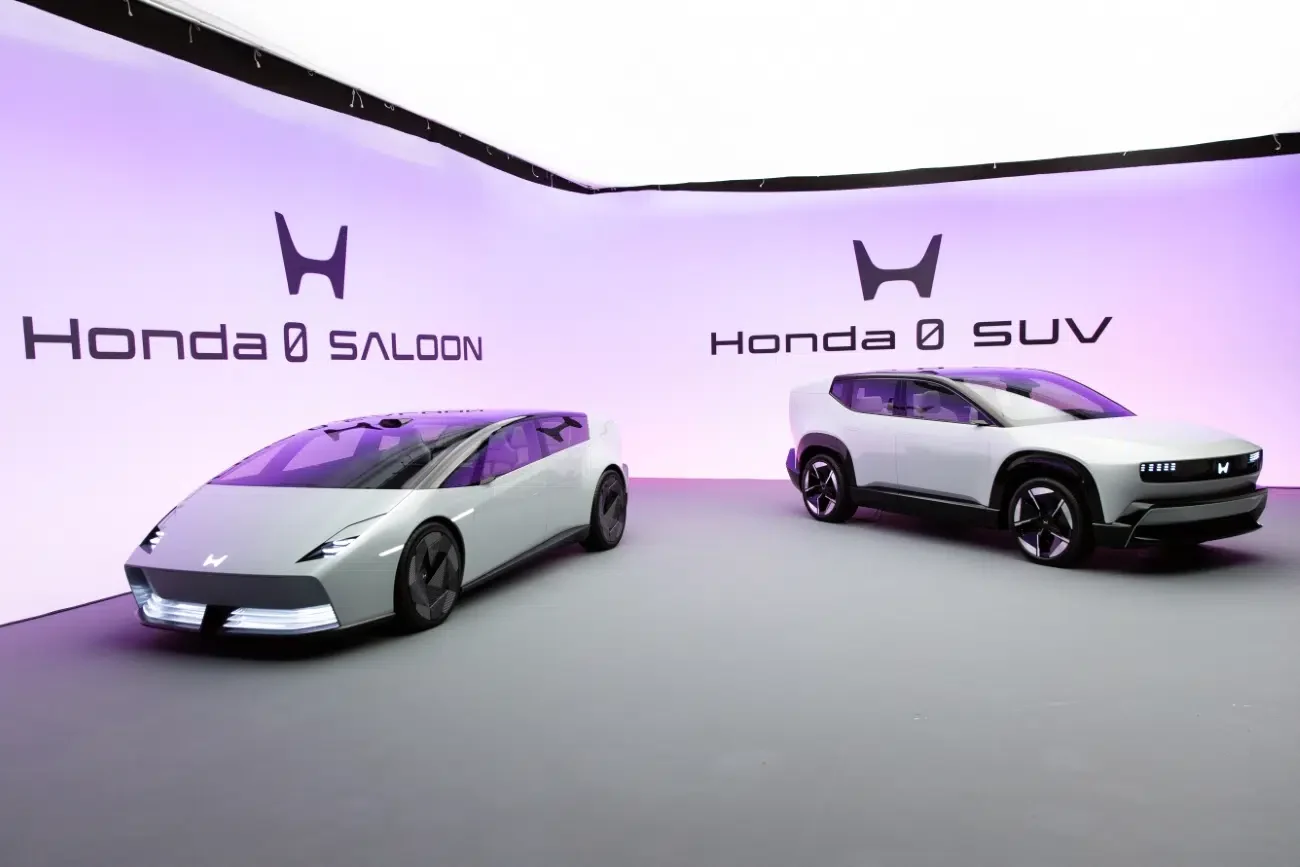
The primary driver behind this financial slump is the volatility of the electric vehicle market. Honda’s aggressive push into EVs has come with soaring costs and strategic missteps. The company estimates that total costs and damages related to its EV strategy could reach a staggering 2.5 trillion Yen between April 2025 and March 2027.
Key factors contributing to the loss include:
- Asset Impairment: Massive write-downs resulting from the suspension of certain EV development and mass-production plans.
- Supplier Compensation: High costs associated with compensating component suppliers due to strategic pivots.
- Market Retreat: Honda has already announced the cancellation of three planned EV models specifically targeted for the North American market.
The Road to Recovery: Motorcycles and Emerging Markets
Despite the setback, Honda is not conceding. The company aims to return to profitability by the end of the current fiscal year (ending March 2027). The primary engine for this recovery is expected to be Honda’s dominant motorcycle division, which continues to see robust growth, particularly across Asia.

Additionally, the company is leveraging the current weakness of the Japanese Yen to bolster its export competitiveness. While EV-related losses will likely weigh on the balance sheet in the short term, the strength of the two-wheeler market provides a critical financial safety net.
What’s Next for Honda?
Honda is scheduled to release its full annual financial report and a comprehensive management strategy next week. Industry observers expect the company to unveil specific recovery plans for the challenging North American and Chinese markets.
Furthermore, Honda is expected to double down on its investments in India, a region currently showing impressive growth potential and offering a strategic alternative to the saturated and highly competitive markets in the West and East Asia.