
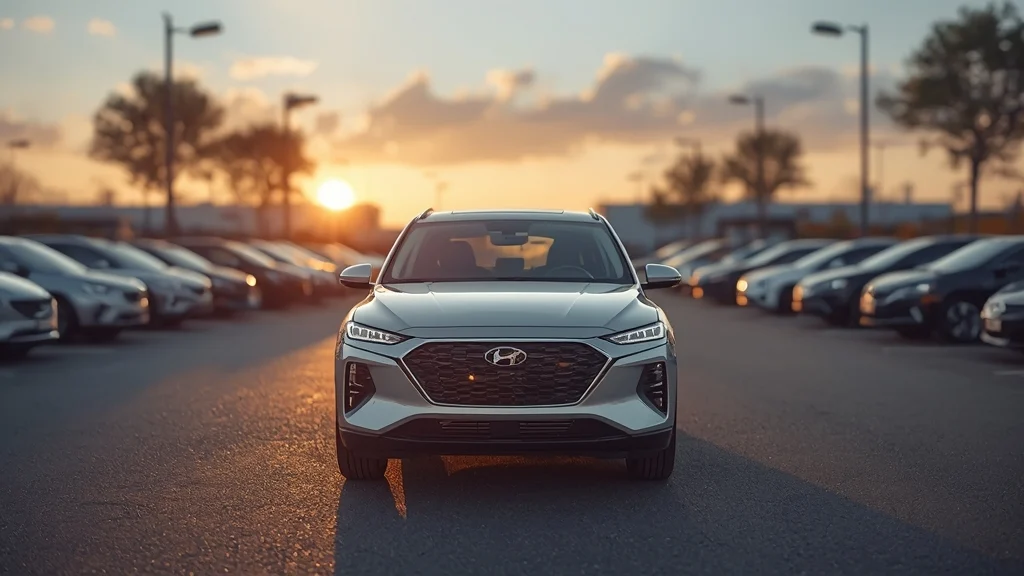
Hybrid cars are selling faster than EVs and gas models in the US as fuel costs soar. Explore the latest automotive market trends here!
As fuel prices remain stubbornly high, American drivers are shifting their preferences. While the industry has long debated the battle between internal combustion engines (ICE) and fully electric vehicles (EVs), a clear winner has emerged in terms of current market momentum: the hybrid.
Hybrids: Flying Off the Lots
Recent data indicates a surge in demand for hybrid vehicles, leading to a significant drop in overall new car inventories. By early May, total industry inventory had fallen to 2.85 million units.
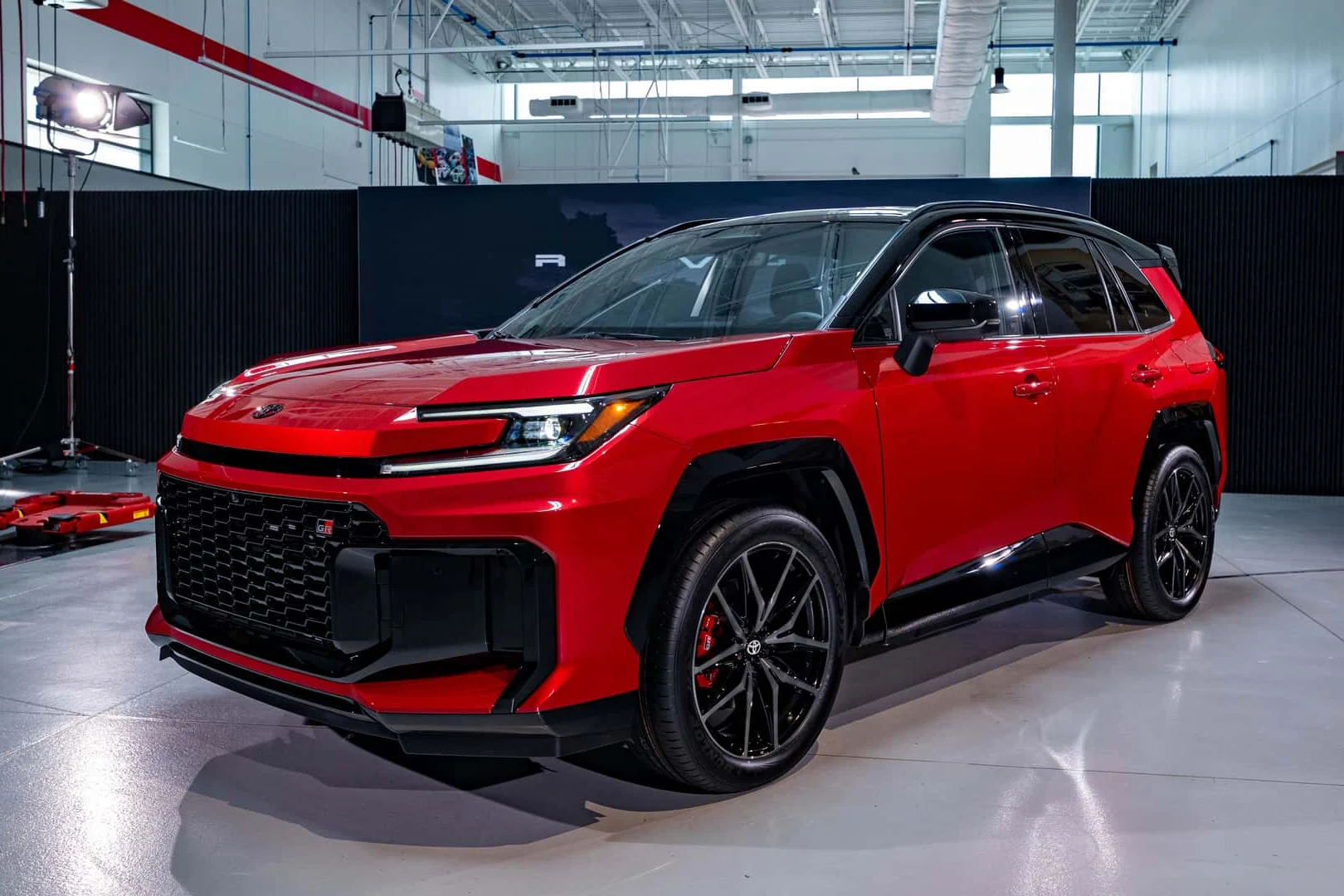
According to data from Catalyst IQ, hybrids have become the “hottest” segment of the market, boasting a turnover rate that far exceeds both traditional gasoline cars and electric vehicles. Despite making up only about 20% of the available inventory, hybrid models spend an average of just 59 days at dealerships before being sold.
In contrast, the wait times for other vehicle types are considerably longer:
- Gasoline vehicles: Average 75 days on the lot.
- Electric vehicles (EVs): Average 114 days on the lot.
Supply Chain Tightens for Fuel-Efficient Models
The high demand is creating a supply crunch for hybrids. Current hybrid supply levels stand at 67 days, which is notably lower than the 77 days for gas-powered cars and 79 days for EVs. This trend underscores a growing consumer preference for fuel-efficient options that offer a bridge between traditional engines and full electrification without the “range anxiety” associated with EVs.
Segment Analysis: From Sedans to Pickups
The inventory shortage isn’t limited to hybrids. Small and mid-size sedans are currently among the scarcest segments in the US market.
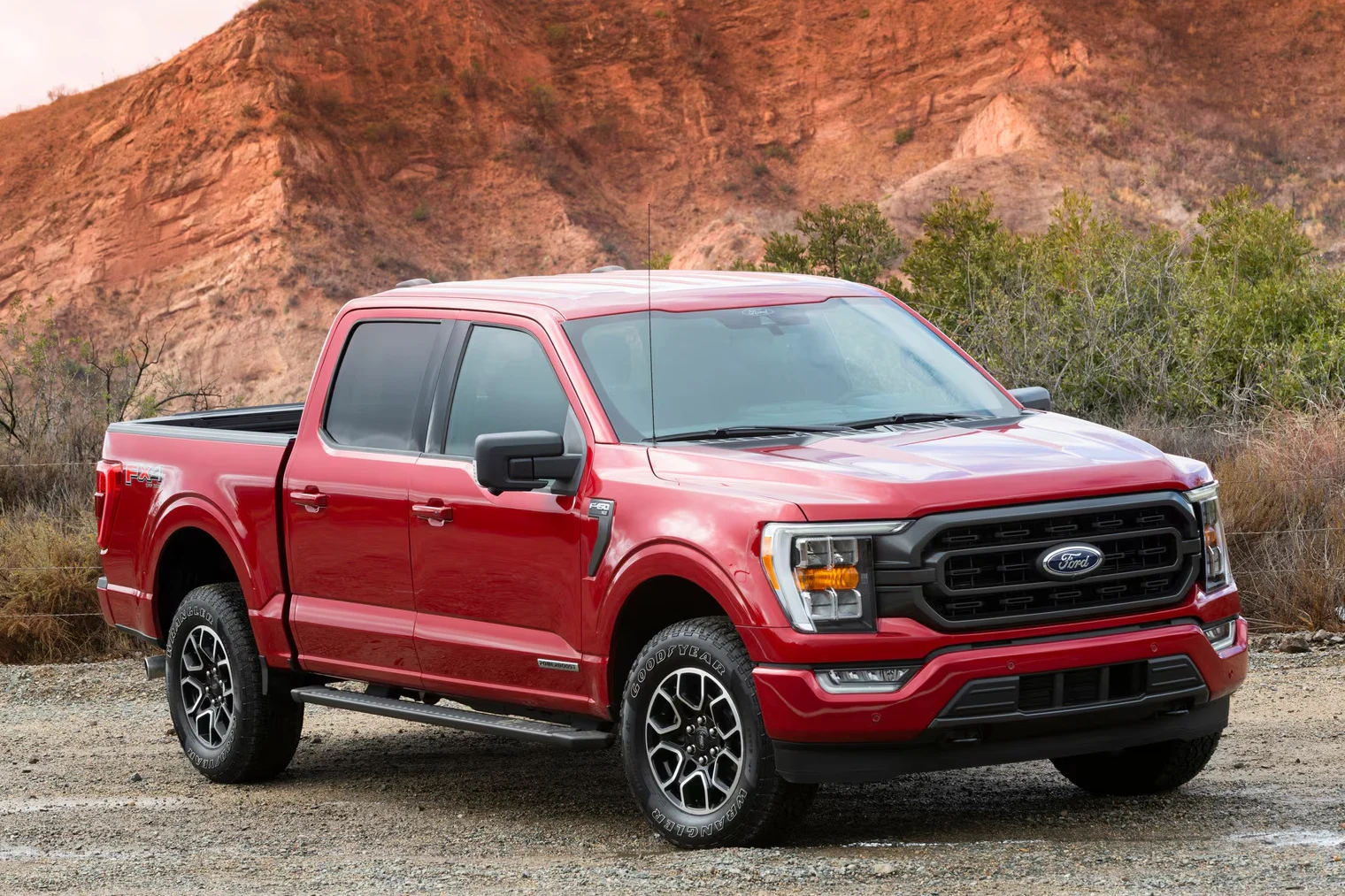
Perhaps more surprising is the trend among full-size pickups. Traditionally a staple of US inventory with high volumes, the number of full-size pickups available for sale has dropped below that of small, medium, and large SUVs—a rare occurrence in the American automotive landscape.
The Ford F-150 Factor
Catalyst IQ attributes this unusual pickup shortage partly to supply chain disruptions affecting the Ford F-150. A fire at a plant operated by Novelis, a critical materials supplier for the F-150, has hampered production and limited the number of these popular trucks reaching dealerships.
The Road Ahead: Market Outlook
Among the major automakers reporting monthly inventory data to the Automotive News Research & Data Center, the results are mixed. Three manufacturers saw an increase in supply days, two saw a decrease, while Toyota maintained a steady inventory level.
Looking forward, experts suggest that the US and global automotive markets remain volatile. Geopolitical tensions, particularly ongoing military conflicts in the Middle East, could trigger further fluctuations in fuel prices, potentially accelerating the shift toward hybrid and electric mobility.