
Hyundai flags 2026 as a challenging year for the auto sector amid trade wars, fierce competition and AI lag. Read more to learn how Hyundai plans to navigate the storm.
In a New Year’s address, Euisun Chung, chairman of Hyundai Motor Group, warned that 2026 will be a tough year for the global automotive sector. He cited escalating trade frictions, intensifying competition and growing geopolitical risks as the main headwinds.

Rising trade and geopolitical risks
Chung said the risks that have long haunted the industry – from tariff battles to regional conflicts – are set to become ‘realities’ this year. He predicts that trade tensions will erode profit margins, while geopolitical flashpoints could force manufacturers to suspend operations in certain markets.
US tariff pressure
Hyundai is feeling the sting of a 15% U.S. tariff on vehicles built in South Korea. The levy is expected to cost the group roughly 1.8 trillion won (about $1.2 billion) in the third quarter of 2025 alone.

An ongoing immigration raid at the Hyundai‑LG Energy Solution joint plant in the United States could delay construction timelines by two to three months, adding further uncertainty.
AI lag and the push for innovation
Chung admitted that Hyundai is falling behind in the artificial‑intelligence race. ‘The world’s leading companies have poured hundreds of trillions of won into AI, while we are still catching up,’ he said.

To close the gap, Hyundai is doubling down on partnerships, its Robotics Lab (launched in 2019) and the 2021 acquisition of Boston Dynamics. The group plans to invest 125 trillion won in AI, robotics and emerging technologies over the next five years.
Robotics and autonomous ambitions
Hyundai’s ‘physical AI’ strategy treats moving entities – cars, robots and production‑line data – as scarce, high‑value assets that big‑tech rivals can’t easily replicate.
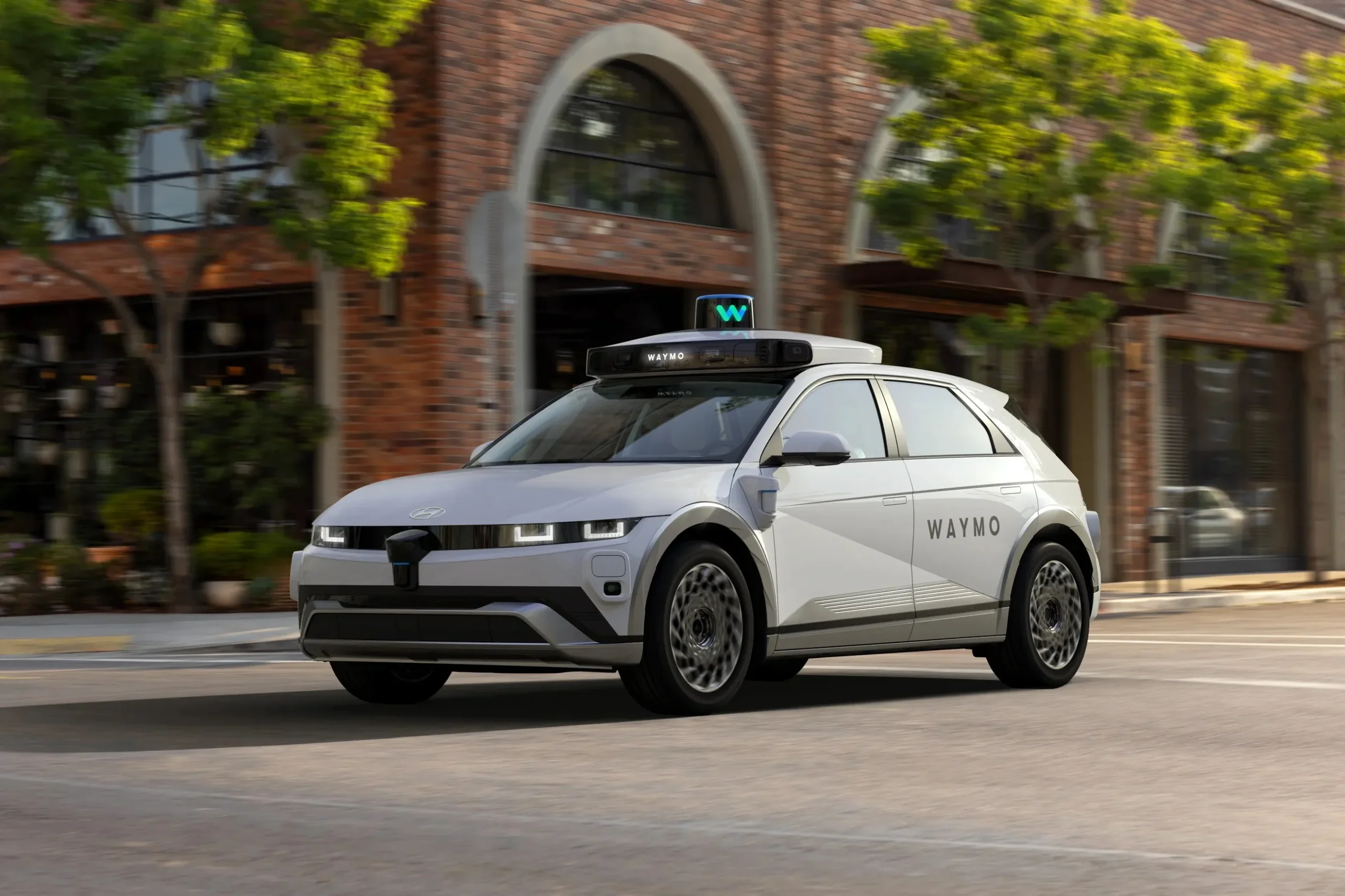
Through its Motional joint venture with Aptiv, Hyundai aims to roll out a fully driver‑less robotaxi service using the Ioniq 5 in Las Vegas by the end of the year, according to Vice‑President Chang Jaehoon.
Strategic outlook
Chung emphasized that meticulous preparation, accelerated technology investment and a robust AI roadmap will be decisive in navigating what he calls a ‘challenging’ 2026 for both Hyundai and the wider automotive industry.
Stay tuned for updates on how Hyundai’s strategy unfolds in the coming months.