
Hyundai has halted production of the i10 for the European market after 18 years. Learn why the compact hatchback is fading and what’s next. Read more now.
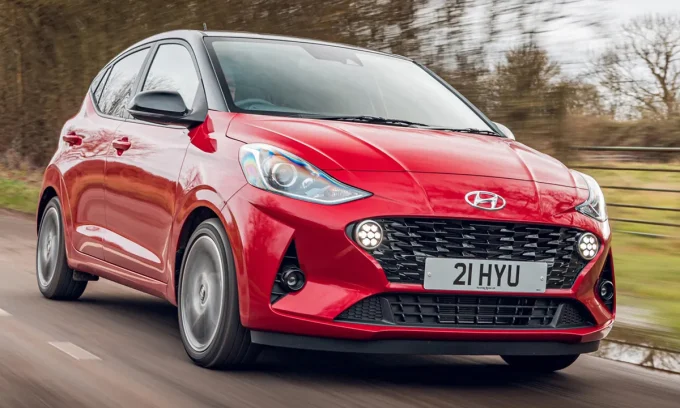
After almost two decades on European roads, Hyundai has announced that it will no longer produce the i10 for the continent. The compact hatchback, which debuted in 2007, has been a staple of the brand’s lineup, but shifting regulations and a growing focus on electrification have led the Korean automaker to close the i10’s production line at its plant in Turkey.
Background: A Small Car with Big Impact
The i10 entered the European market as an affordable, fuel‑efficient city car. Over its 18‑year run, Hyundai sold more than 3.3 million units worldwide, including over 370,000 in the United Kingdom alone. Its low price, solid warranty and modest running costs made it a popular choice for first‑time drivers and families seeking a practical city vehicle.
No Direct Replacement in Sight
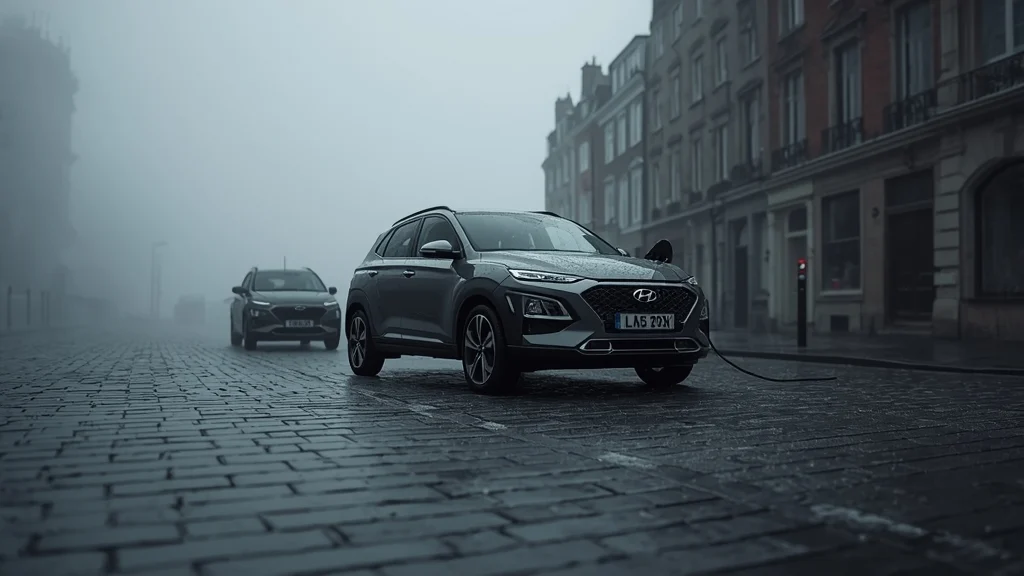
Despite its commercial success, Hyundai has not announced a gasoline‑powered successor to the i10. Instead, the company is steering customers toward the newer IONIQ 5 electric crossover, which starts at about £7,500 more than the outgoing i10. The price gap reflects the higher cost of battery technology, but Hyundai believes the long‑term savings from lower fuel and maintenance expenses will balance the upfront premium.
Shift Toward Electric Mobility
European emissions standards are tightening, and many city‑center zones are planning zero‑emission mandates. This regulatory pressure is prompting manufacturers to replace internal‑combustion models with electric alternatives. The i10’s discontinuation highlights how even the most cost‑effective gasoline cars are feeling the squeeze.
Implications for the European Small‑Car Segment
- Limited alternatives: With the i10 gone, the Kia Picanto remains the only widely‑available gasoline city car in the UK market.
- Hybrid competition: Models like the Fiat 500 and Toyota Aygo X have already migrated to hybrid powertrains, pushing prices higher.
- Future prospects: Analysts at AutoExpress expect a new compact model to appear in the next few years, but strict EU emissions rules could make a conventional gasoline version difficult to certify.
Hyundai i10 in Vietnam: A Different Story
In Vietnam, the i10 launched as an imported model before local assembly began. It quickly dominated the A‑segment sales chart, outpacing rivals such as the Kia Morning and later the Toyota Wigo. The 2024 Vietnamese lineup includes six trim levels priced between VND 360 million and VND 455 million (approximately $15,000‑$19,000).
What’s Next for Hyundai’s Small‑Car Fans?
While the petrol‑powered i10 fades from European showrooms, Hyundai is investing heavily in its electric portfolio. The company’s upcoming electric city car, rumored to be built on the same Turkish plant, could offer a modern, zero‑emission alternative for urban drivers.
For now, buyers looking for an affordable city car in Europe will need to consider hybrids, slightly pricier electric models, or the remaining gasoline options from rival brands.