
Hyundai ends the Santa Cruz pickup after weak sales, planning a larger midsize truck to take on Ford Ranger and Toyota Tacoma. Discover the latest update now!
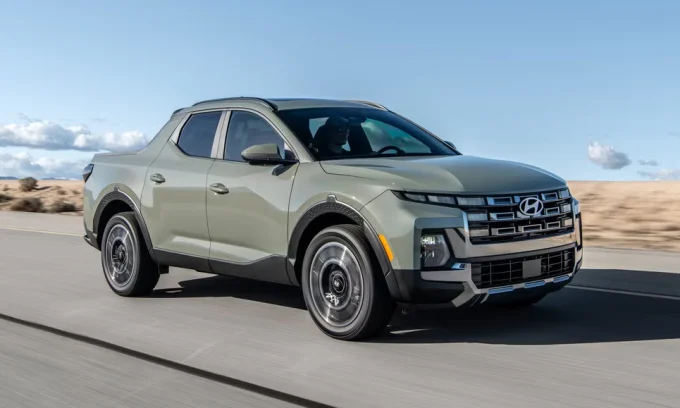
First introduced in 2021 and refreshed for 2025, the Hyundai Santa Cruz has been a bold experiment – a compact pickup built on the unibody chassis of the Tucson crossover. Despite the sporty design and recent facelift, Hyundai has decided to halt the model’s production, with the factory likely winding down operations by early 2027.
Why the Santa Cruz is Being Shelved
Industry sources tell Auto News that the move stems from persistent low sales and a mounting inventory surplus. Hyundai had even teased another refresh for the 2026 model year, but the plan appears to have been scrapped.
In the United States, the Santa Cruz’s only direct rival is Ford’s Maverick. The numbers speak loudly: Ford shipped 155,051 Mavericks in 2025, while Hyundai managed just 25,499 Santa Cruz units – roughly one‑sixth of Maverick’s volume. The weak demand left dealers with about five months of unsold stock at the end of the year, prompting Hyundai to trim production in the first quarter of 2026.
Unconventional Design Choices
The Santa Cruz stands out because it uses a unibody platform, an approach more common for SUVs than for pickups. Most competitors rely on a body‑on‑frame architecture that can better handle payload, torsional stress, and off‑road conditions – areas where a unibody structure is traditionally at a disadvantage.
Hyundai’s Next Move: A Midsize Body‑on‑Frame Truck
Looking ahead, Hyundai has confirmed plans to develop a larger, midsize pickup on a body‑on‑frame chassis, slated for release toward the end of the decade. This upcoming truck will go head‑to‑head with established players such as the Ford Ranger, Toyota Tacoma, and Chevrolet Colorado, all of which have deep market roots and loyal followings.
While details remain under wraps, the new model may share components with Kia’s upcoming Tasman pickup – a body‑on‑frame vehicle expected to debut late 2024. Leveraging shared parts could help Hyundai reduce development costs and accelerate its entry into the competitive midsize segment.
What This Means for Consumers
Current Santa Cruz owners will still receive support and parts, but prospective buyers looking for a compact, lifestyle‑oriented pickup will need to consider alternatives such as the Maverick or the upcoming Kia Tasman. For those eager for a more traditional, rugged pickup, Hyundai’s future midsize truck promises to bring fresh competition to a market dominated by long‑standing models.
Stay tuned as Hyundai rolls out its next generation of pickups and reshapes its strategy in the fast‑evolving North American truck market.