

Middle East tensions threaten India’s automotive supply chain despite record sales. See how it impacts car prices and delivery. Read more!
The Indian automotive industry is currently navigating a complex paradox. While the market is celebrating record-breaking sales figures, a shadow of uncertainty looms over the supply chain. The Federation of Automobile Dealers Associations (FADA) has issued a warning regarding potential disruptions in vehicle supply and delivery, driven primarily by escalating tensions in the Middle East.
The Ripple Effect of Geopolitical Conflict
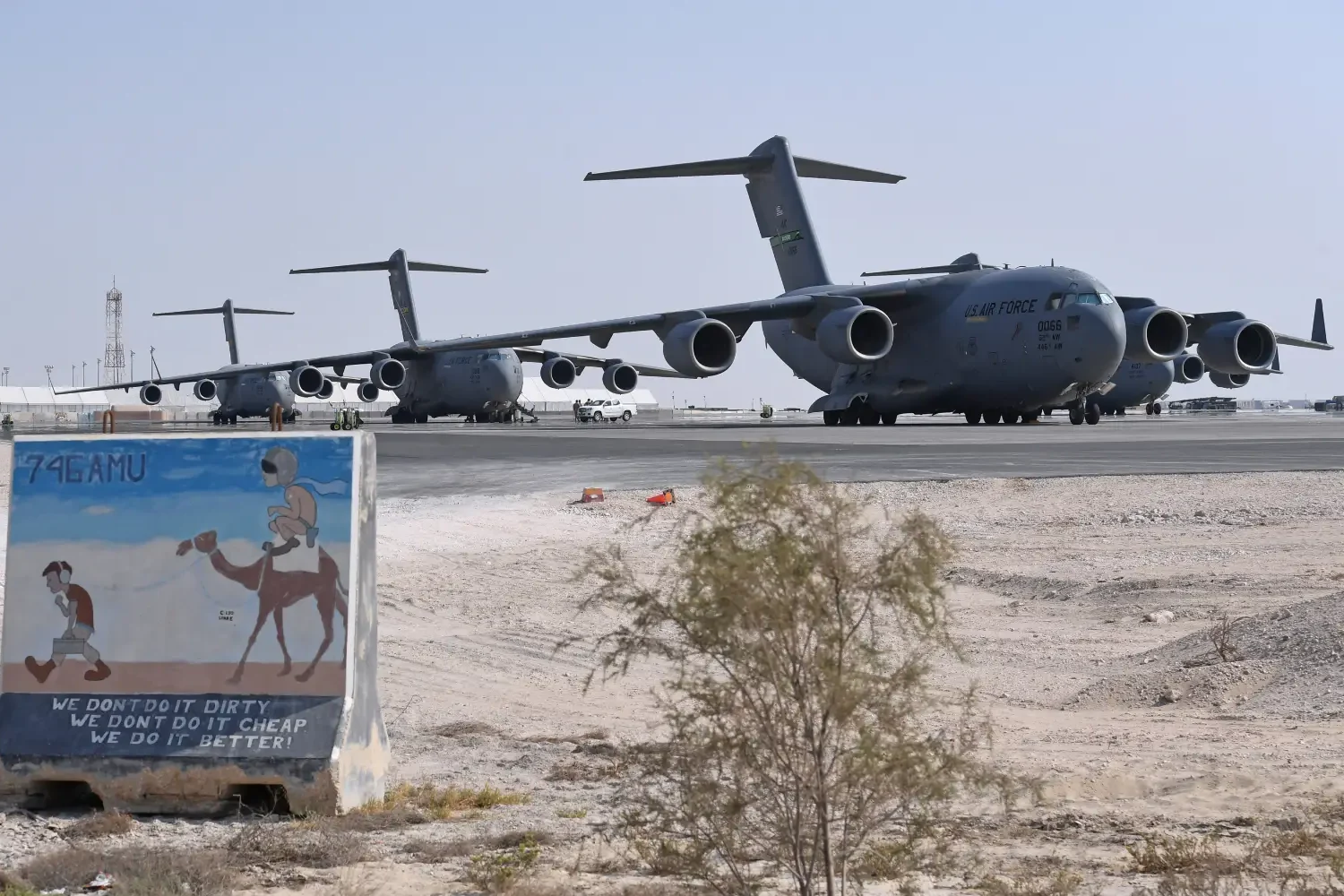
The ongoing instability in the Middle East is creating a ripple effect that reaches far beyond the region’s borders. For India’s auto dealers, this manifests as a sharp increase in operational costs. The surge in oil and gas prices has directly inflated fuel and logistics expenses across the entire supply chain.
Beyond logistics, the cost of essential raw materials is also climbing. Metals critical to vehicle manufacturing—including aluminum, copper, and steel—have seen price hikes, putting immense pressure on manufacturers and their distribution networks.
Survey Results: Delivery Delays and Consumer Hesitation
A recent survey conducted by FADA highlights the tangible impact of these disruptions on the ground:
- Widespread Disruptions: More than 50% of dealers reported some form of supply chain or delivery interruption linked to the conflict.
- Severe Delays: Approximately 17.1% of dealers are experiencing critical delays of three weeks or more.
- Consumer Behavior: About 36.5% of dealers noted that rising fuel prices are moderately to significantly influencing customers’ decisions to purchase new vehicles.
Impact Across Segments and Pricing Pressure
While the commercial vehicle segment has been hit the hardest, the impact is being felt across the board. Passenger car and two-wheeler dealers are also reporting delivery delays for specific models.
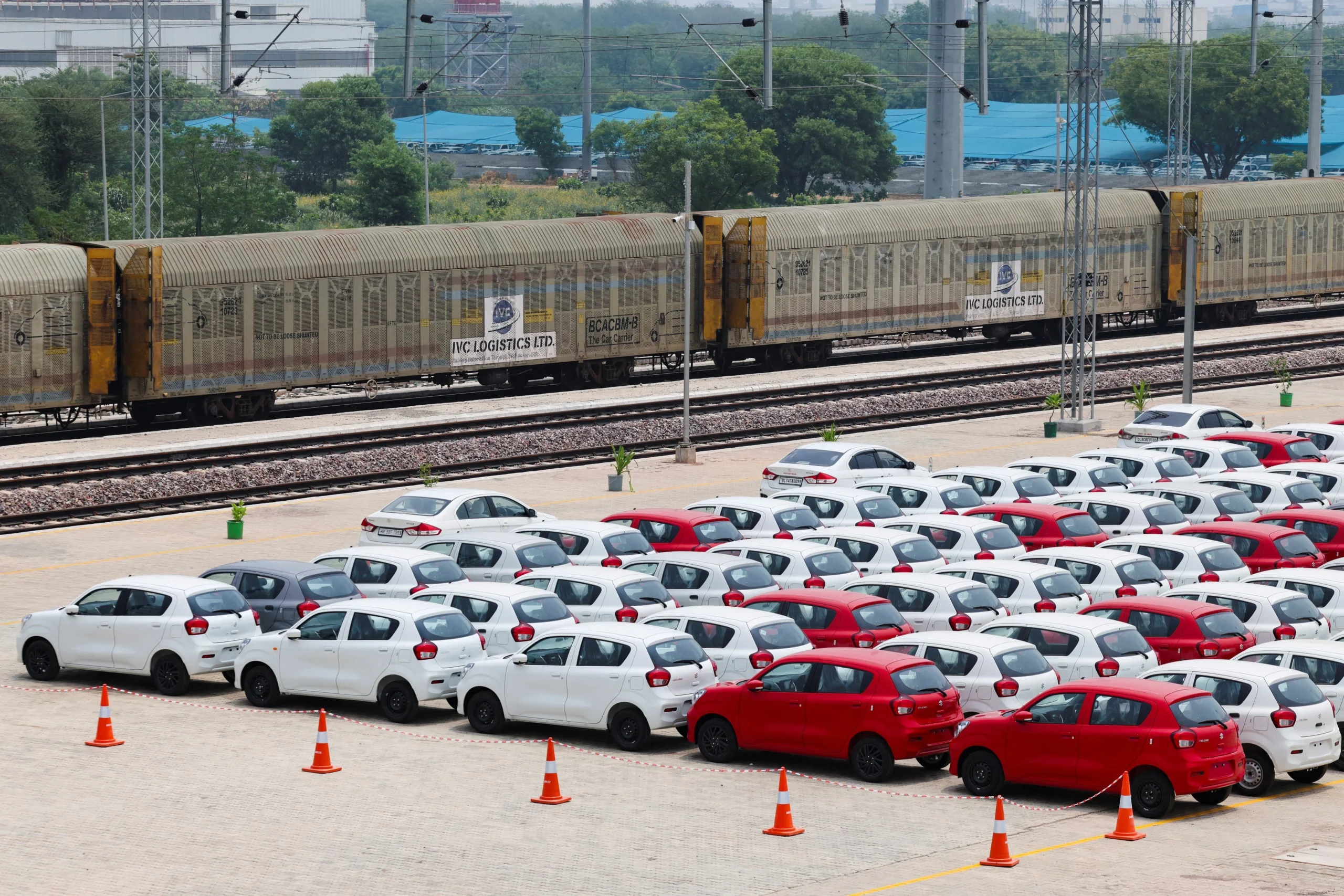
The situation is severe enough that Maruti Suzuki, India’s largest automaker, has indicated a high probability of price increases. This move is seen as a necessary response to the rising costs of raw materials driven by the conflict.
A Silver Lining: Robust Market Demand
Despite these external headwinds, the Indian automotive market closed the fiscal year on a high note. Retail sales in March saw a remarkable surge of 25.28%, supported by tax reduction policies that improved consumer affordability.
March Sales Breakdown:
- Passenger Vehicles: Up 21.48% year-on-year.
- Two-Wheelers: Up 28.68% year-on-year.
- Commercial Vehicles: Up 15.12% year-on-year.
Overall, total retail sales for the fiscal year grew by 13.3%, demonstrating that domestic demand remains resilient despite global volatility.
Improving Inventory Turnaround
One of the most positive indicators for the industry is the steady decline in inventory levels. Passenger car inventory—measured by the number of days a vehicle sits at a dealership—has dropped for six consecutive months.
By March, inventory levels fell to approximately 28 days, a significant improvement from the 52 days recorded during the same period last year. This trend reflects a faster consumption rate and a reduction in the inventory pressure that previously burdened dealers.