
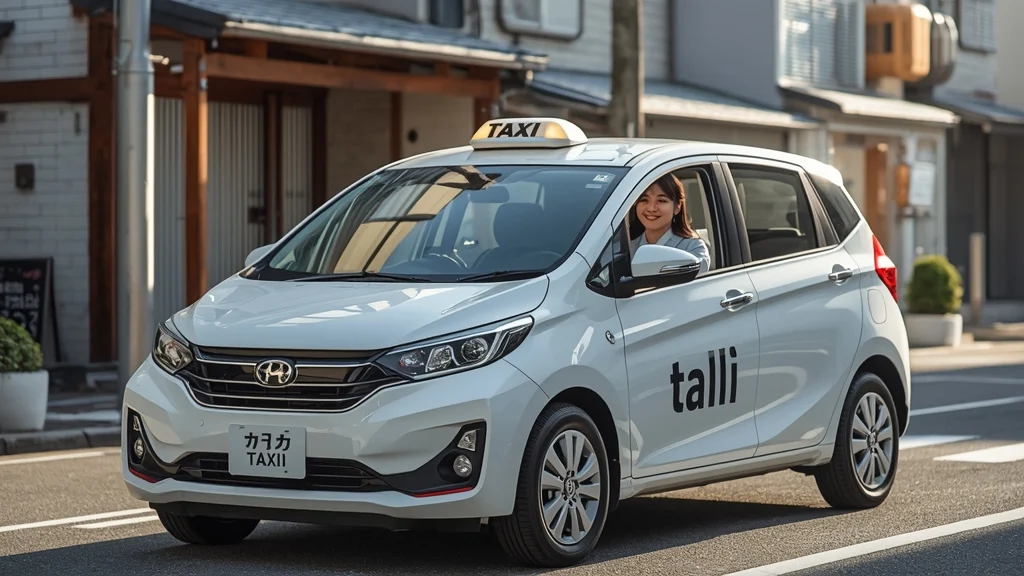
Japan is permitting Kei cars in taxi services to attract female drivers and solve rural shortages. Discover how this move changes Japanese transit!
Japan is taking a bold step to revitalize its transportation sector. Starting in June 2026, the Japanese government will officially permit the use of Kei cars—the country’s iconic mini-vehicles—as taxis. This strategic move is designed to combat a severe labor shortage and open the doors for a more diverse workforce, particularly women.
Addressing a Critical Labor Crisis
The Japanese taxi industry is currently facing a perfect storm: an aging workforce and a rapidly declining number of active drivers. According to data from the Ministry of Land, Infrastructure, Transport and Tourism, the number of taxi drivers plummeted to 217,161 in the 2023 fiscal year, marking a staggering 30% decrease over the last decade.
To stop this decline, the government is rethinking its fleet requirements. By diversifying the types of vehicles allowed in the taxi trade, Japan hopes to make the profession more accessible and appealing to a wider demographic.
Why Kei Cars? The Secret Weapon for Diversity
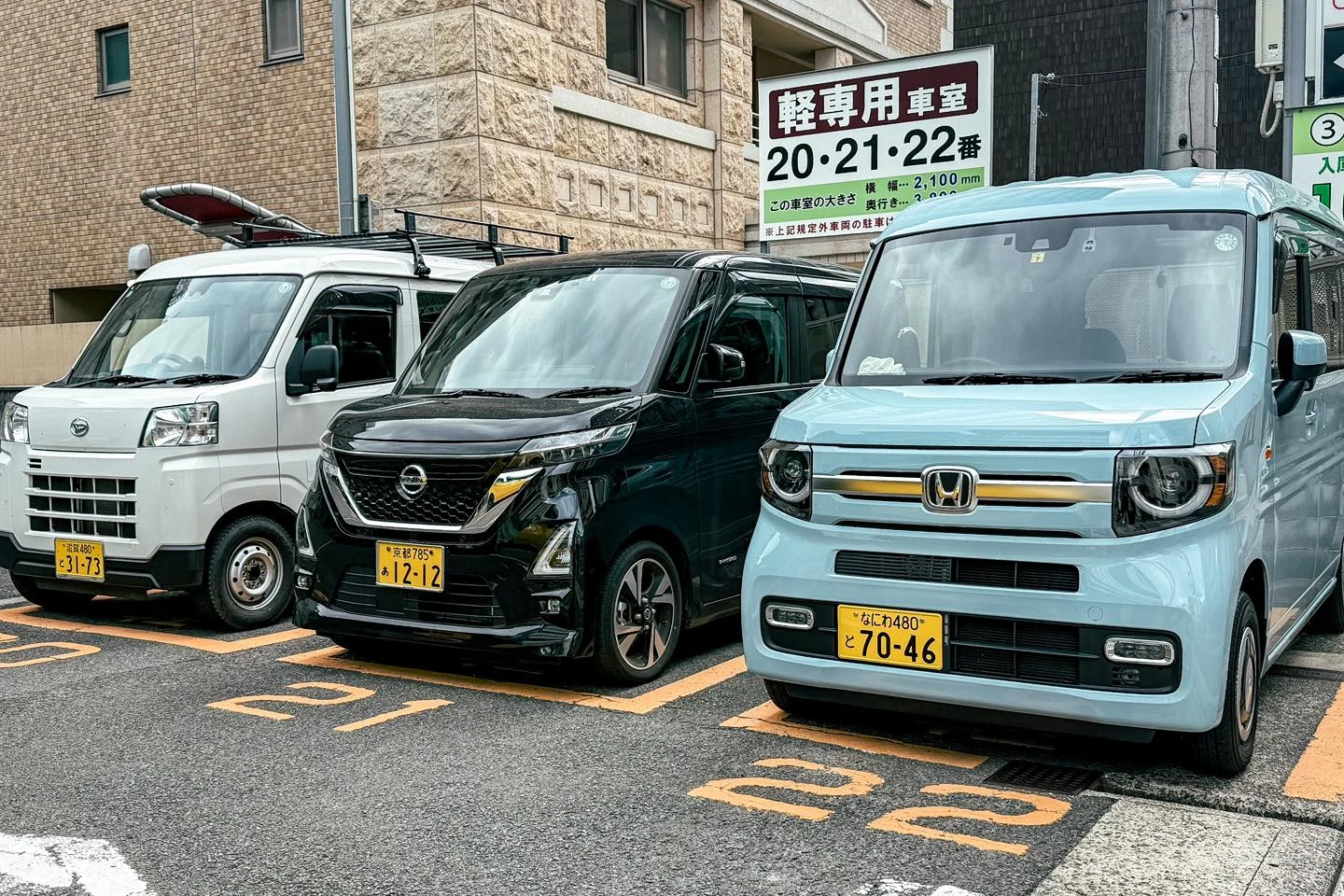
Kei cars are lightweight vehicles designed to meet strict size and engine displacement regulations. They are beloved across Japan for their agility in narrow city streets and their lower tax burdens. However, their biggest advantage in this new policy is their appeal to women.
A fiscal year 2025 survey by the Japan Automobile Manufacturers Association revealed that 64% of Kei car users are women. While the number of female taxi drivers has grown—reaching 13,078 by March 2025 (a 90% increase over ten years)—they still represent only about 5% of the total workforce. The government believes that the ease of driving and the familiarity of Kei cars will encourage more women to enter the industry.
Safety First: The New Standards
In the past, Kei cars were only permitted as taxis if they were fully electric or used for specialized services, such as transporting passengers in wheelchairs. Due to their compact interiors, they were previously deemed insufficient for general passenger comfort and driver ergonomics.
The new regulations, expected to take effect in June 2026 after a public consultation period, will mandate strict safety standards. To be eligible for taxi service, Kei cars must be equipped with advanced safety features, such as automatic emergency braking. This means the fleet will primarily consist of the latest models and newly released vehicles.
Solving the Rural Infrastructure Puzzle
Beyond the human element, there is a critical infrastructure reason for this shift. Most traditional taxis in Japan run on Liquefied Petroleum Gas (LPG). However, LPG refueling stations are disappearing rapidly in rural areas, sometimes leaving taxi companies with a journey of dozens of kilometers just to refuel.

Because Kei cars typically run on standard gasoline, they can be refueled at any conventional gas station, making them an ideal solution for maintaining reliable transportation in the countryside.
A New Era of Flexible Work
To further entice new drivers, taxi companies are expected to introduce more flexible working models. This includes part-time shifts during peak morning or evening hours, allowing parents or students to earn extra income without committing to full-time hours.
By blending technological safety, infrastructure practicality, and a focus on inclusivity, Japan is not just adding smaller cars to its roads—it is redesigning the future of urban and rural mobility.