
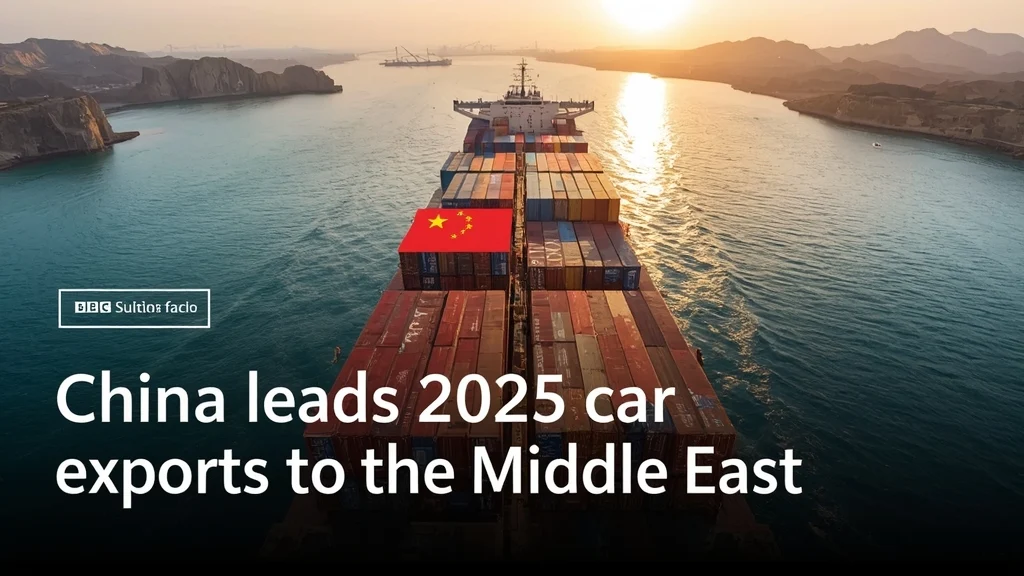
Find out which country tops car exports to the Middle East in 2025, see key players, shipping challenges, and the impact on global auto markets. Read more now!
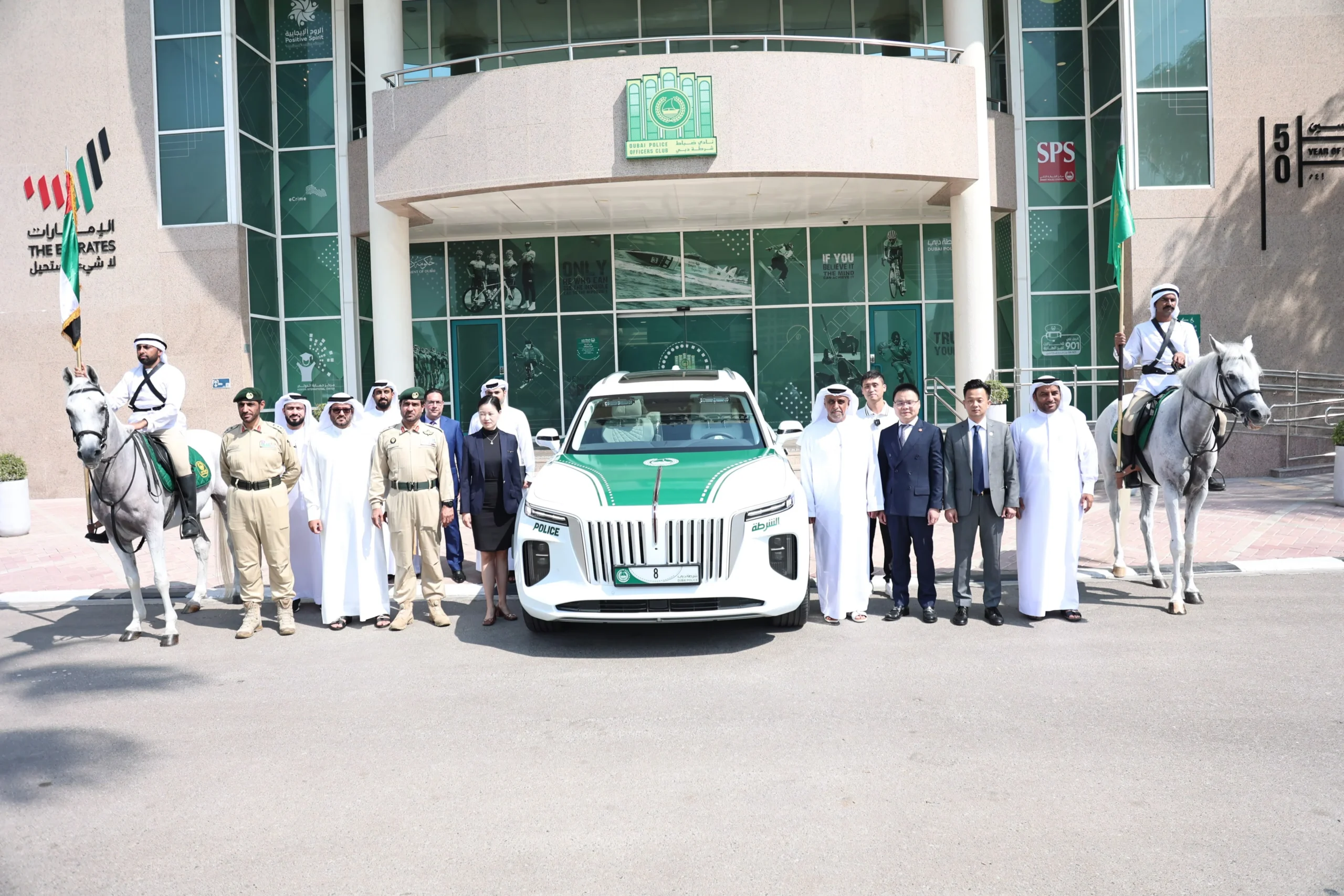
The Middle East remains the world’s second‑largest market for imported cars, and the race to supply it is intensifying.
Why the region matters
With a combined population of over 400 million and soaring demand for both affordable and premium vehicles, Saudi Arabia, the United Arab Emirates, Qatar and Kuwait together account for billions of dollars in annual car imports. Most shipments travel through the strategic Hormuz Strait, a narrow waterway that connects the Persian Gulf with the open ocean.
2025 export snapshot
According to the China Passenger Car Association (CPCA), Chinese manufacturers shipped 1.39 million vehicles abroad in 2025 – roughly one‑sixth of the country’s total export volume. Of those, the Middle East received the largest slice, making China the single biggest exporter to the region.
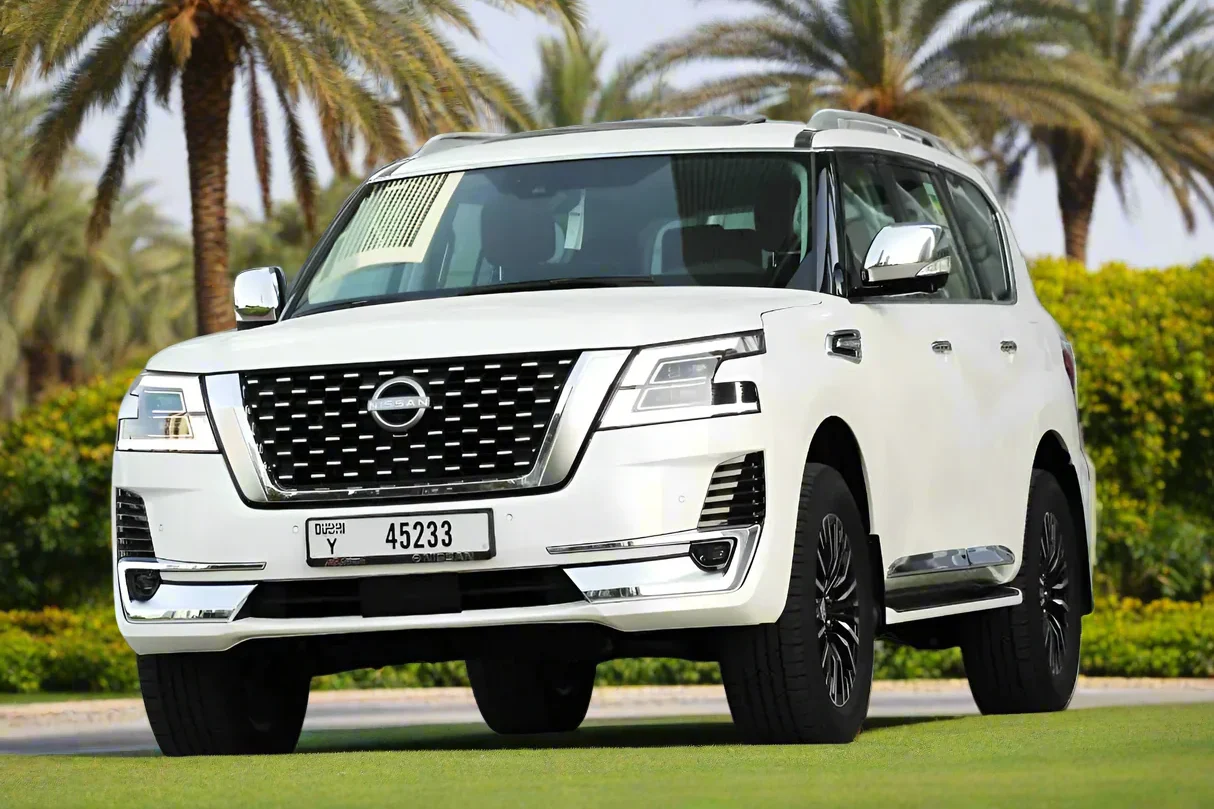
- China: Chery, BYD, SAIC, Changan and Geely topped the list, together delivering about $8 billion worth of cars to Saudi Arabia, the UAE and neighbouring Gulf states.
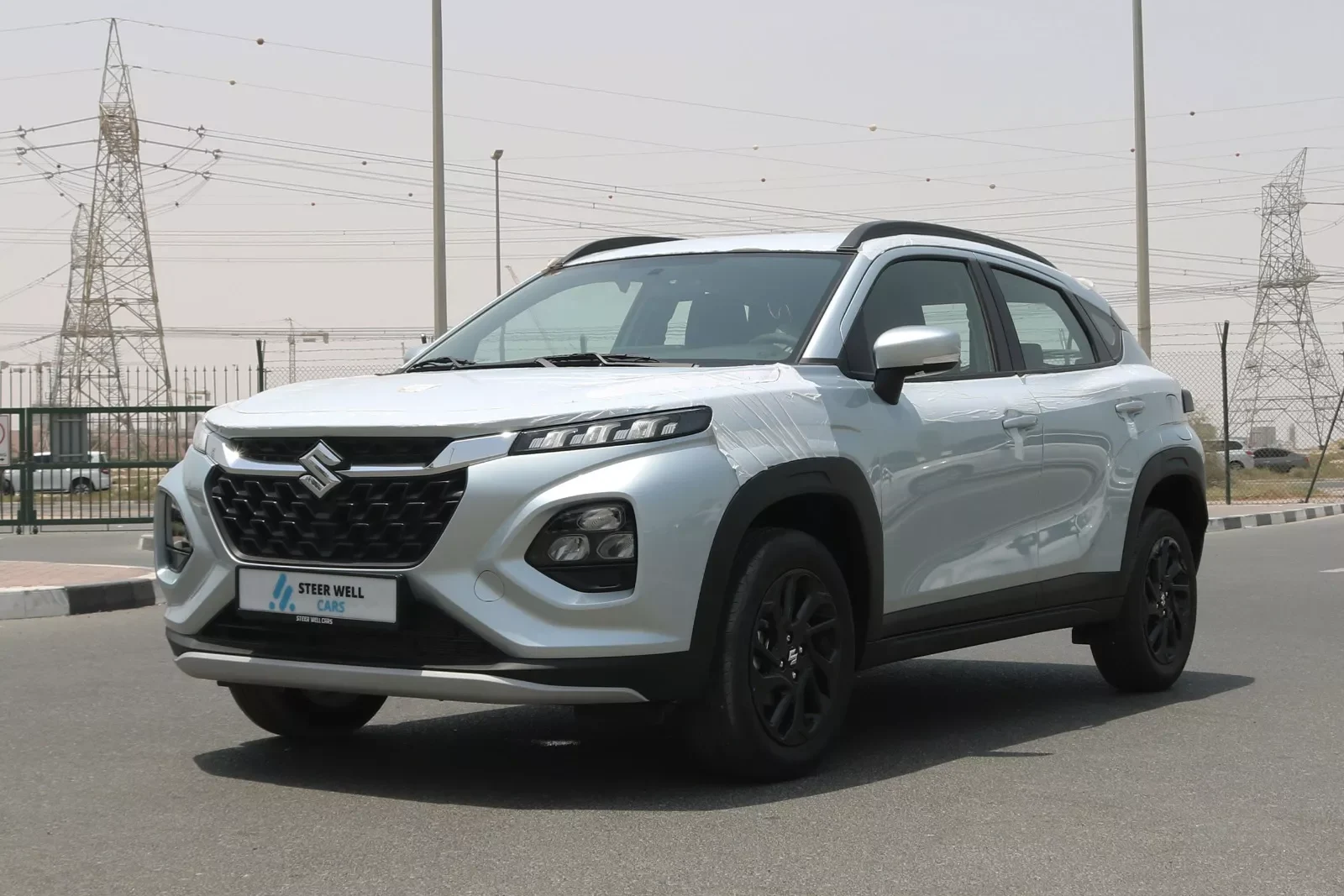
- India: Indian factories exported $8.8 billion worth of cars in 2025; around 25 % (≈ $2.2 billion) went to the Gulf, led by Hyundai, Toyota, Nissan and Maruti Suzuki.
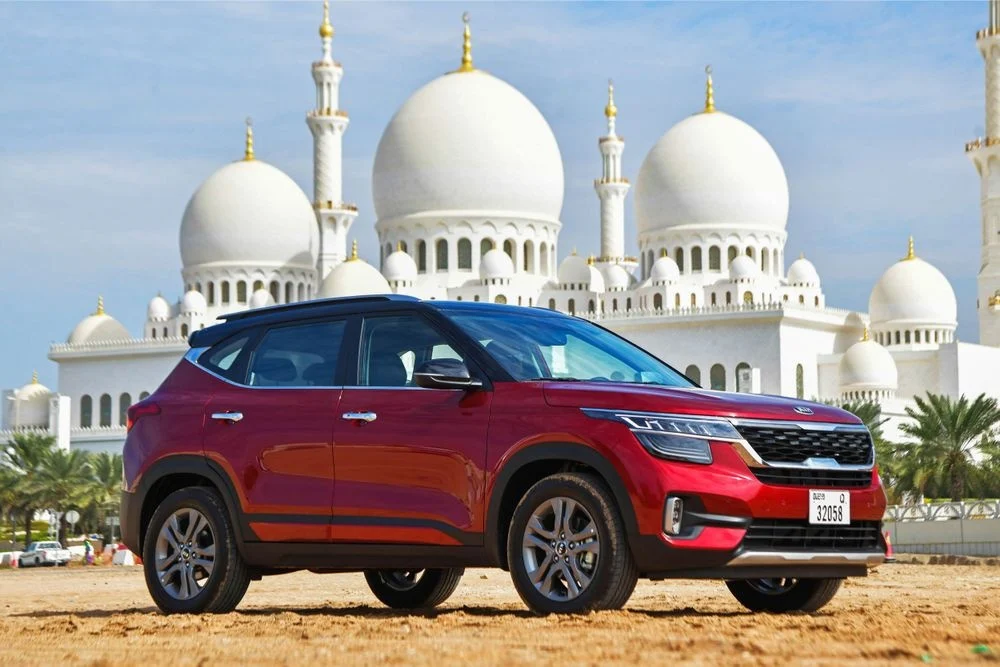
- South Korea: The Korea International Trade Association reported a record $72 billion in total car exports, with $5.3 billion (≈ 7.4 %) destined for the Middle East. Hyundai and Kia each contributed about 8 % of their global wholesale volumes to the region.
- Japan: Toyota shipped 320,699 vehicles to the Middle East – a 5.4 % increase year‑over‑year, representing more than 15 % of its total 2025 export volume. Nissan and other Japanese brands also hold sizable shares.
Logistics under pressure
The Hormuz Strait has become a chokepoint. Heightened tensions between Iran and the U.S.–Israel coalition have raised the risk of naval incidents, prompting some manufacturers to cut production for the Gulf by up to 40,000 units, according to Nikkei.
Potential impact
If the conflict escalates, delays or rerouting could push up freight costs, shrink inventory levels and ultimately drive up retail prices in one of the world’s most important car‑import markets. Automakers are already exploring alternative routes through the Suez Canal or overland corridors, but those options add time and expense.
What it means for buyers
Consumers in the Gulf may see fewer promotional launches and tighter supply of popular models, especially mid‑range Chinese and Indian brands that rely heavily on the Hormuz corridor. Meanwhile, premium Japanese and Korean manufacturers, with more diversified logistics networks, are better positioned to maintain steady deliveries.
Keeping an eye on geopolitical developments will be essential for anyone watching the global automotive supply chain – the next few months could reshape the hierarchy of car exporters to the Middle East.