
Explore why Mercedes-Benz is discontinuing its V12 powertrain in Europe due to stricter Euro 7 emissions, and what it means for buyers worldwide. Learn more now.
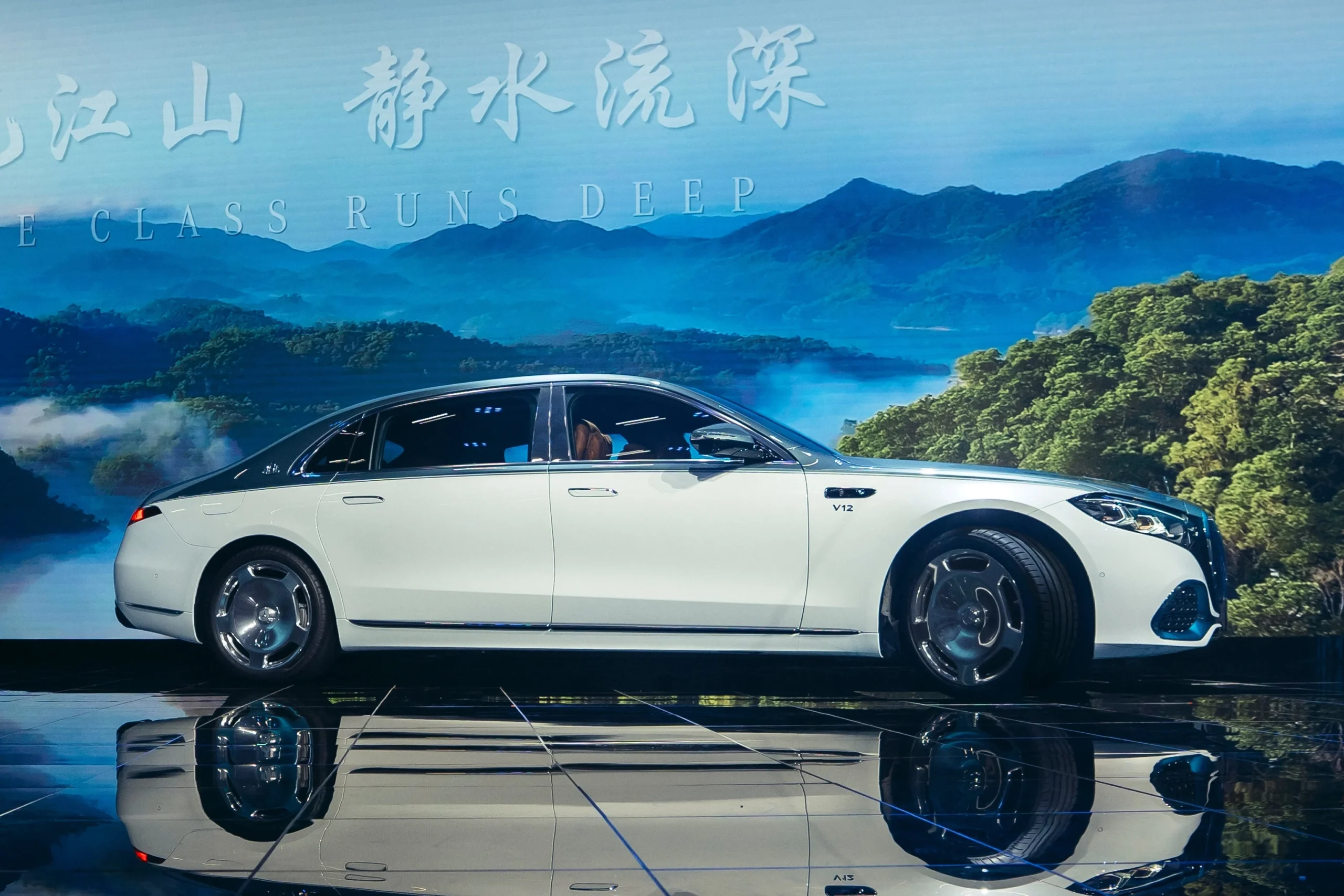
Mercedes‑Benz has officially announced that its 6.0‑litre twin‑turbo V12 (M279) will be withdrawn from all European Union markets. The decision comes as the automaker confronts the upcoming Euro 7 emission standards, which the legendary power‑train can no longer meet.
Stricter Emissions, Tougher Choices
Euro 7, slated to take effect in the next few years, imposes far tighter limits on nitrogen oxides, particulates and carbon‑dioxide output. Mercedes‑Benz says the V12’s fuel consumption and tail‑pipe emissions simply cannot be reconciled with those rules without a major redesign—a move that would undermine the engine’s heritage of smooth, high‑performance delivery.
Beyond the EU: Which Markets Lose the V12?
The phase‑out isn’t limited to EU members. Any country that follows the European Certificate of Conformity (CoC)—including Iceland, Liechtenstein and Norway—will also lose access to the V12. India and several smaller markets are slated to stop receiving the engine as well.
What Replaces the V12 in Europe?
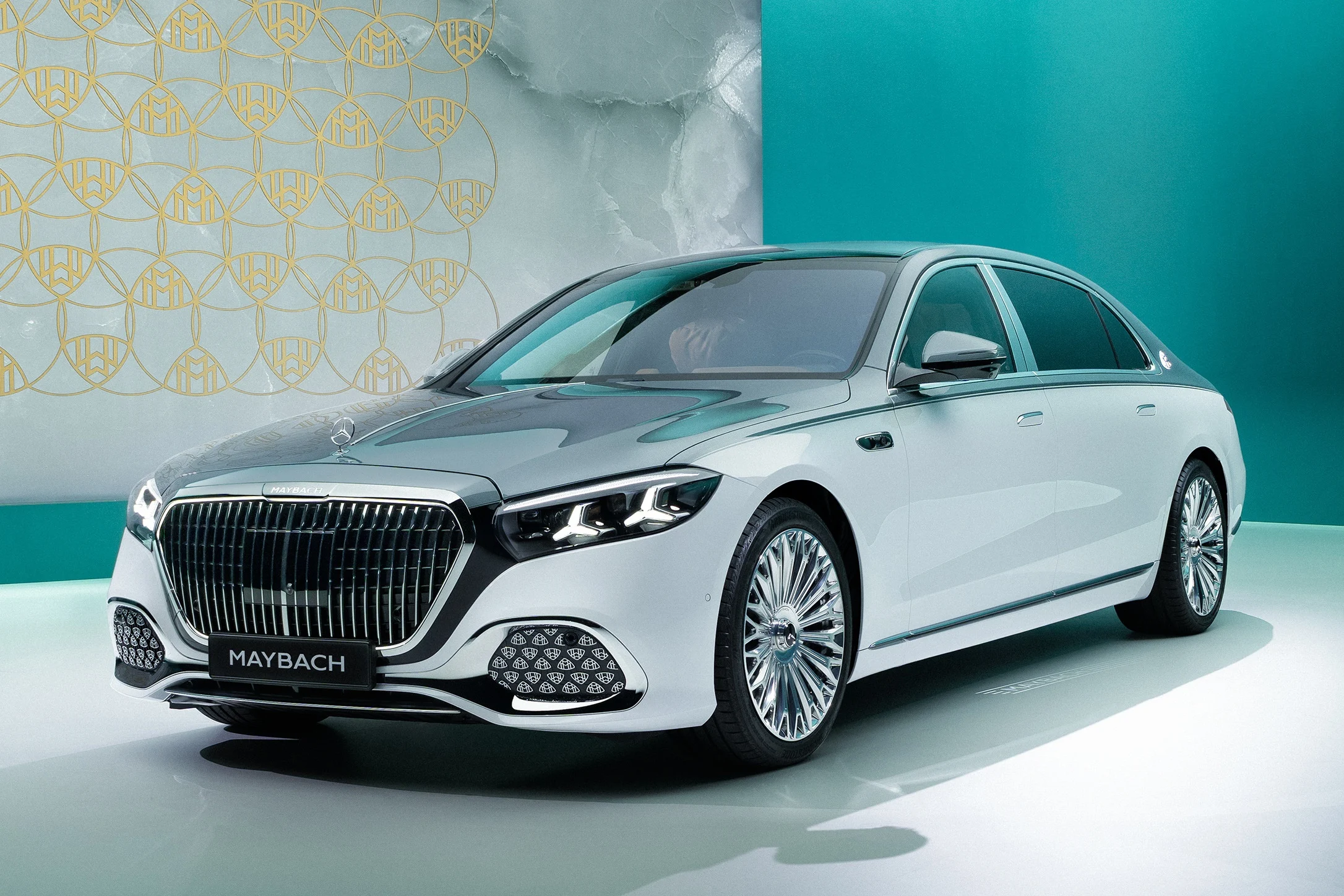
Mercedes‑Benz is turning to a newly tuned V8 to fill the gap. The updated 4.0‑litre twin‑turbo V8 produces 612 horsepower—virtually identical to the outgoing V12—and retains the ultra‑refined character expected of a Mercedes‑Maybach S‑Class. In the United States, however, the V12 will continue to power the Maybach S 680, delivering 630 hp and 900 Nm of torque, keeping the ultra‑luxury flagship at the top of its segment.
Global Strategy: Keeping the V12 Where Demand Remains
While Europe says goodbye, Mercedes‑Benz will maintain the V12 in its most profitable markets—North America, China and the Middle East—where ultra‑luxury sedans still enjoy strong buyer interest. The Maybach S 680 badge will be used worldwide regardless of whether the car carries the V8 or V12 under the hood.
Price Implications
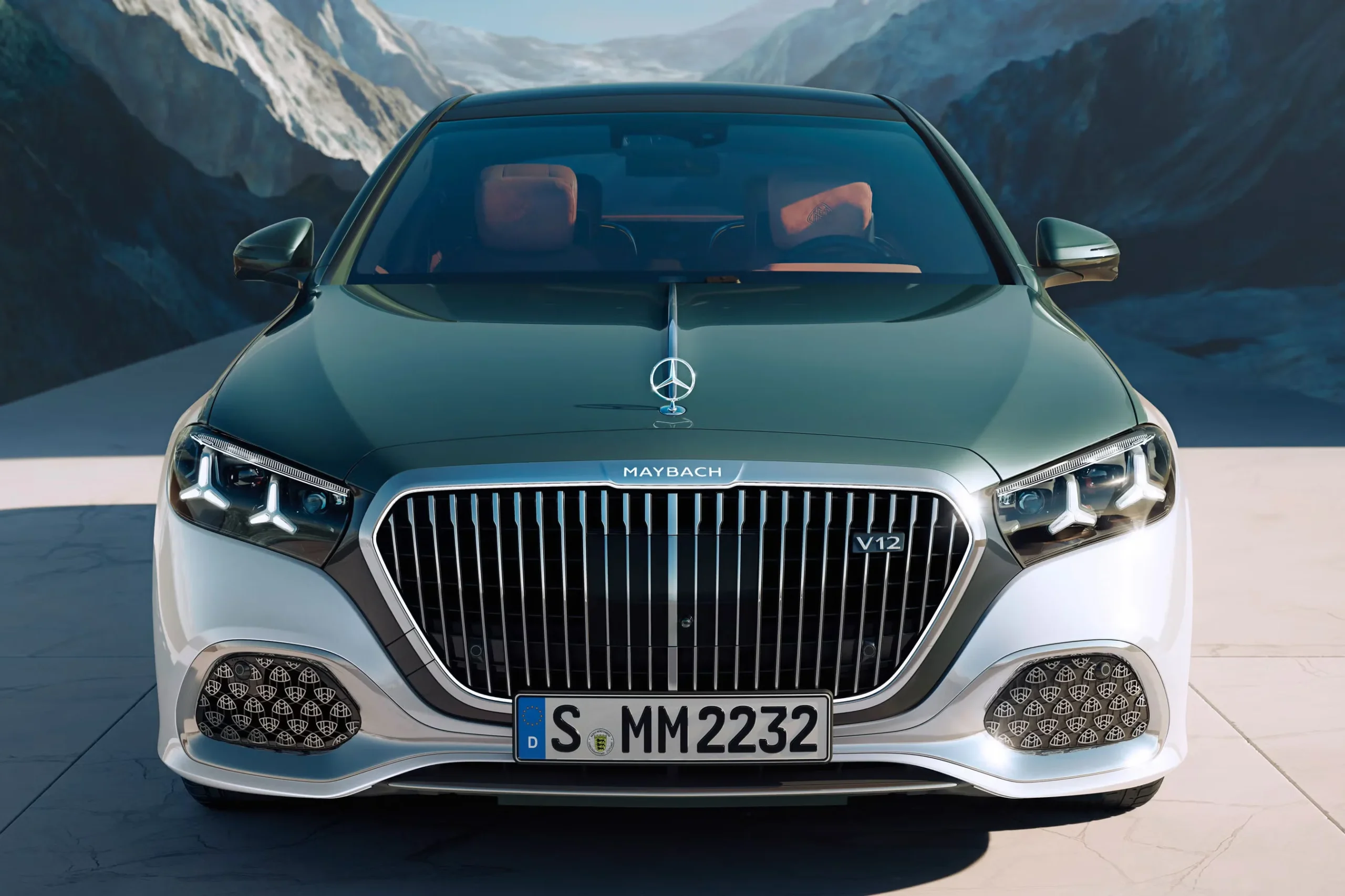
Pricing for the new V12‑equipped Maybach S 680 has yet to be disclosed, but analysts expect it to stay north of $250,000, reflecting the scarcity of 12‑cylinder luxury sedans. The previous U.S. model started at $245,750, so the next iteration will likely match or exceed that figure.
Industry Context
The decline of V12 engines isn’t unique to Mercedes‑Benz. Competitors such as Bentley (Flying Spur W12), Volkswagen (Phaeton), and Audi (A8) have already retired their twelve‑cylinder offerings. Even BMW has discontinued its V12 in the former 7‑Series, though the engine lives on in Rolls‑Royce’s most exclusive models.
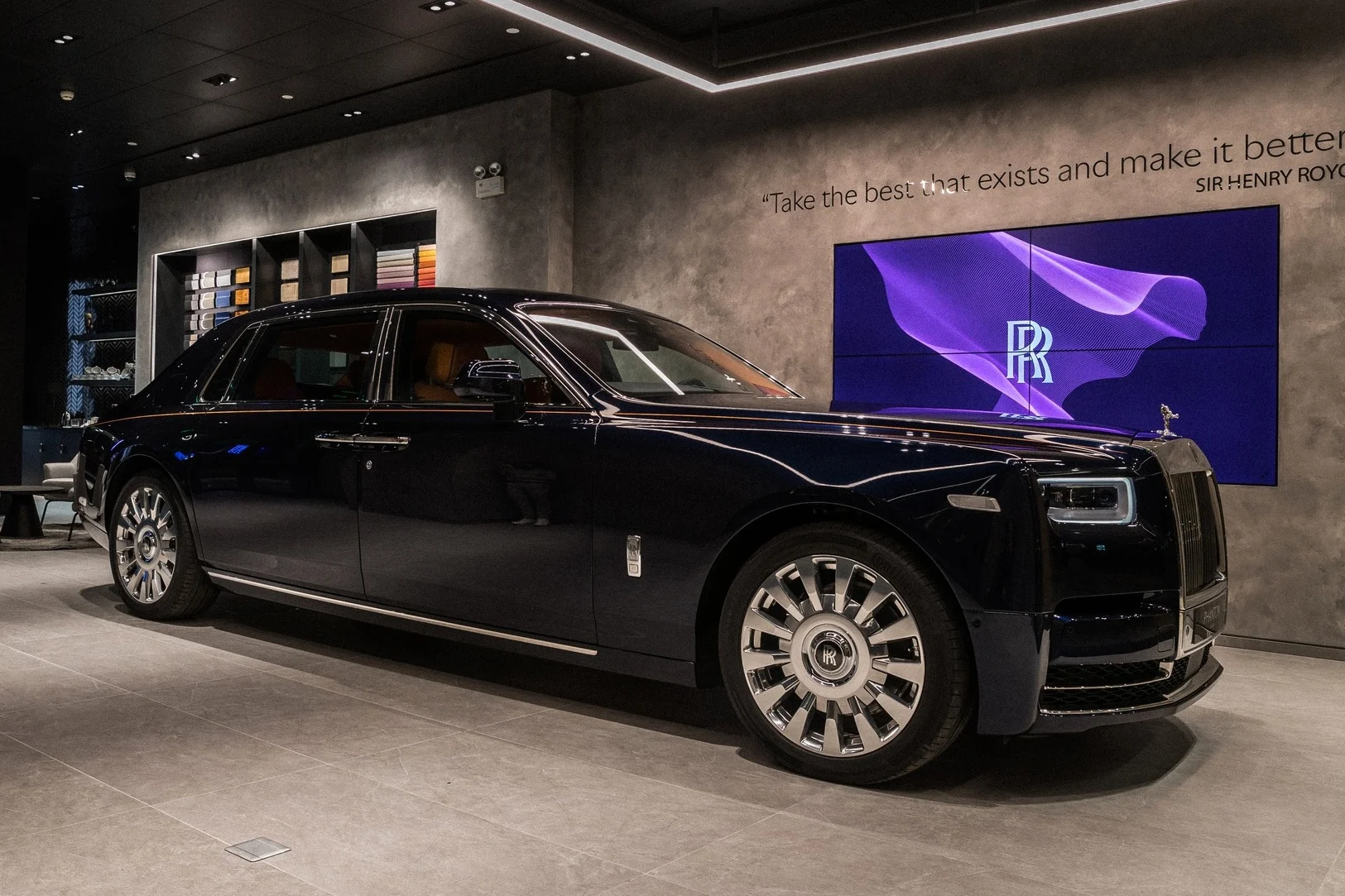
For enthusiasts, the V12’s disappearance from Europe marks the end of an era—where raw power meets unrivaled refinement. As regulations tighten worldwide, the automotive landscape is shifting toward smaller, more efficient power‑plants without compromising the luxury experience.
What This Means for Buyers
If you’re considering a Mercedes‑Maybach with a V12 and live outside the approved markets, you may need to look at the V8‑powered variant or explore the limited‑edition models that will still be shipped to the U.S., China and the Gulf states. For European customers, the new V8 promises comparable performance with a cleaner emissions footprint.
Stay tuned as Mercedes‑Benz rolls out the updated lineup and as global emission standards continue to reshape the future of high‑performance luxury cars.