
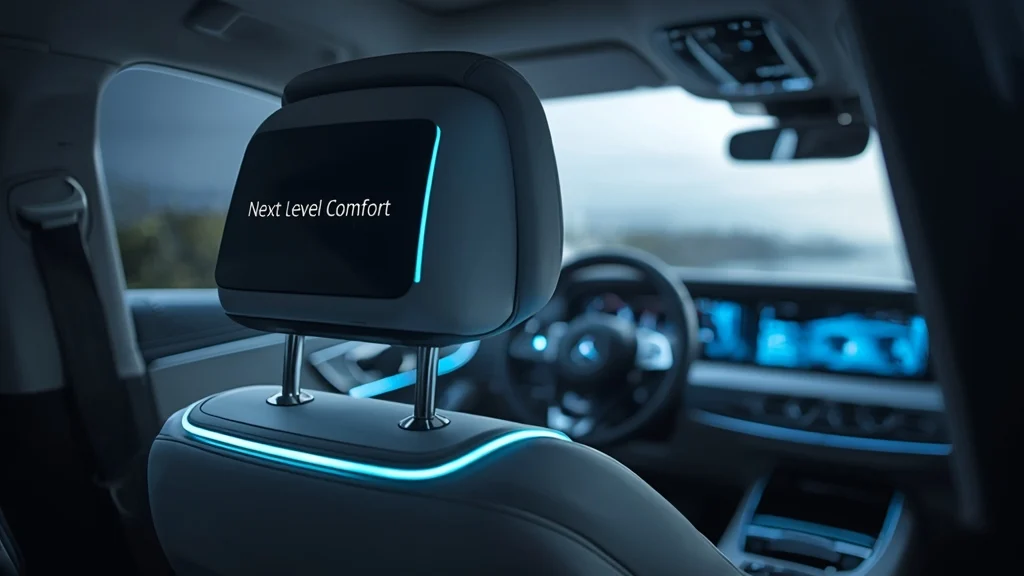
Mercedes-Benz patents a head and shoulder massage system in the car’s headrest, set to boost comfort. Explore the next level of luxury travel now!
Comfort has long been a battlefield for premium car makers, and Mercedes‑Benz is once again pushing the envelope. While many luxury models already offer lumbar‑support and full‑back massage functions, the German automaker has filed a patent that could bring a whole new dimension of relaxation: a dedicated head‑and‑shoulder massage system built right into the car’s headrest.
Why a Headrest Massage?
From the late 1990s through the early 2000s, Mercedes was among the first manufacturers to equip its seats with vibration and kneading massage units. Those technologies have since become almost standard in the high‑end segment, primarily targeting the lower back and hips where most passengers experience fatigue during long journeys.
Yet the head and neck remain vulnerable to tension, especially on winding roads or during traffic jams. A gentle, localized massage could ease stiffness without pulling the driver’s focus away from the road—a balance that Mercedes aims to achieve with its new patent.
Inside the Patent: How the System Works
The filings, submitted to the German Patent Office, describe an integrated module that sits within the seat headrest. The core of the system is a compact hub surrounded by several articulated mechanical “arms.” Each arm can move, vibrate, and rotate, delivering a soft, sweeping motion across the occupant’s head, temples, and upper shoulders.
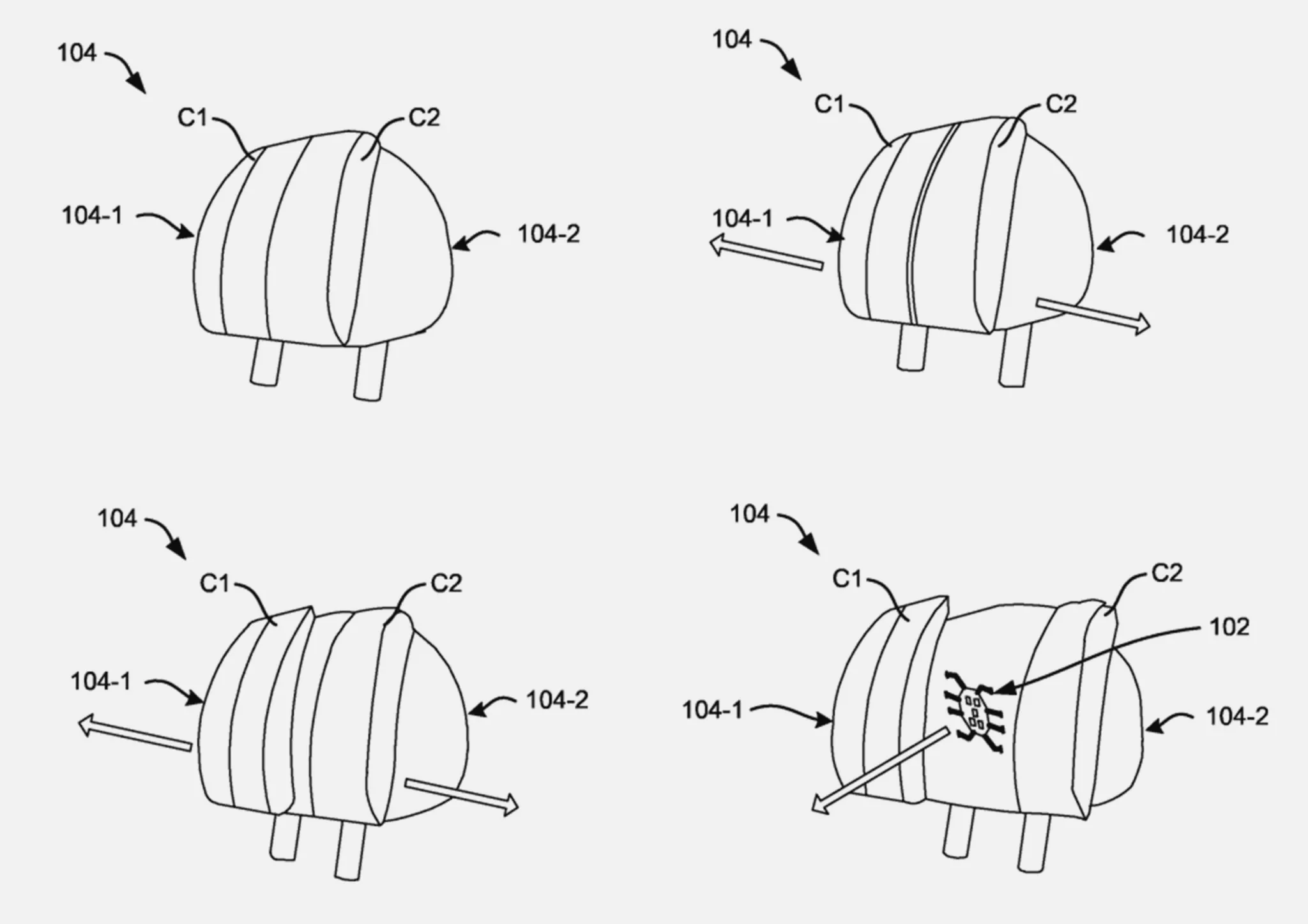
- Multi‑axis movement: The arms can perform subtle up‑and‑down strokes as well as gentle circular motions.
- Adaptive sensors: Built‑in height and position sensors detect the passenger’s head location, automatically adjusting the massage pattern and intensity.
- Safety thresholds: Because the headrest is much smaller than a full‑back seat, the system is calibrated to apply only a light pressure, avoiding any distraction for the driver.
Balancing Relaxation and Focus
Mercedes engineers are mindful that an overly vigorous head massage could impair a driver’s concentration. The patent emphasizes “soft, rhythmic motions” intended to promote a sense of calm without overwhelming the senses. For rear‑seat passengers, the effect could be akin to a spa treatment during a road trip.
Future Possibilities
The headrest concept may be a stepping stone toward even more comprehensive wellness suites. Analysts speculate that future models could combine this head‑and‑shoulder unit with the existing lumbar and hip massage features, creating a full‑body relaxation experience at the push of a button.
Some designers even suggest adding a small “robotic arm” that extends from the headrest to gently knead the neck—a daring idea that would need clever engineering to avoid interfering with the driver’s seating position.
Patents vs. Production
It’s important to keep expectations realistic. Automotive manufacturers file dozens of patents each year, many of which never reach production. While the headrest massage system showcases Mercedes’ commitment to passenger comfort, the company has not confirmed a launch timeline.
Nonetheless, the filing signals a clear direction: luxury vehicles will increasingly incorporate health‑focused technologies, turning every drive into an opportunity for wellbeing.
What It Means for You
If you’re a fan of cutting‑edge comfort features, keep an eye on upcoming Mercedes releases. While the head‑and‑shoulder massage may still be a concept, the brand’s history of pioneering seat‑massage technology suggests it could become a reality sooner rather than later.