
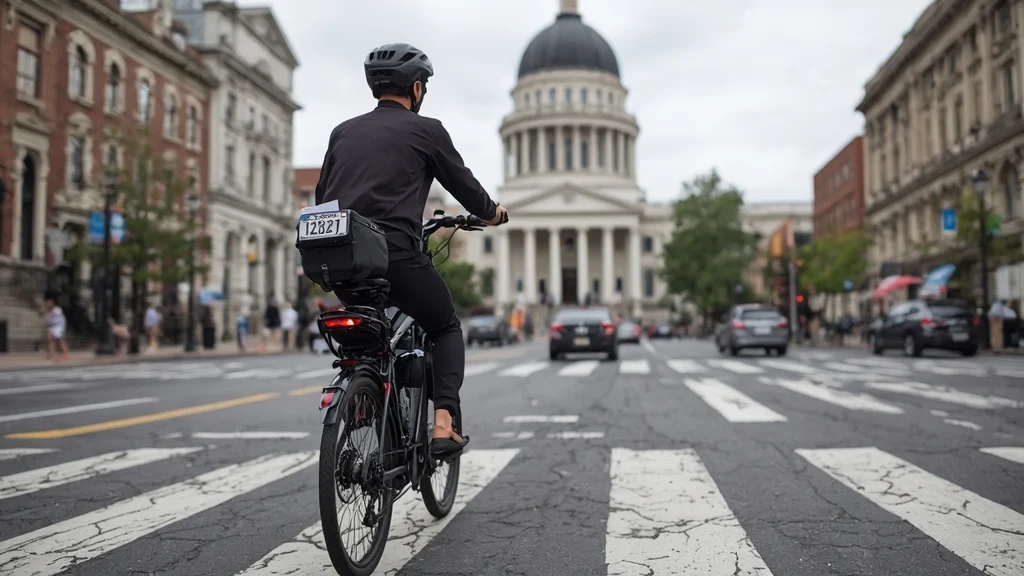
New Jersey’s new safety law forces every electric bike to be licensed, registered and insured, aiming to curb crashes. Find out what the rules mean for riders – read on.
On January 19, Governor Phil Murphy signed the state’s most stringent electric‑bike safety bill into law, marking the first major update to New Jersey’s e‑bike rules in six years. The legislation comes after a spate of serious collisions – including a fatal hit‑and‑run in December 2025 – that left lawmakers and safety advocates demanding clearer standards.
What the New Law Changes
The bill eliminates the old three‑class classification system (Class 1, 2 and 3) and groups every motor‑assisted bicycle under a single category called “motorized bicycles.” Under the new rules, owners must:
- Hold a valid driver’s license, or be at least 15 years old with a motor‑bike endorsement.
- Register the e‑bike with the New Jersey Motor Vehicle Commission.
- Carry liability insurance for the vehicle.
Violations will initially be fined $50, with enforcement focusing on education and safety rather than punitive measures.
Why New Jersey Is Raising the Bar
Mount Laurel, a suburban town that saw a sharp rise in e‑bike accidents, was one of the first to feel the impact. Police Chief Tim Hudnall explained that the new law aims to protect cyclists, motorists and pedestrians alike by ensuring riders are properly trained and insured.
Industry Pushback
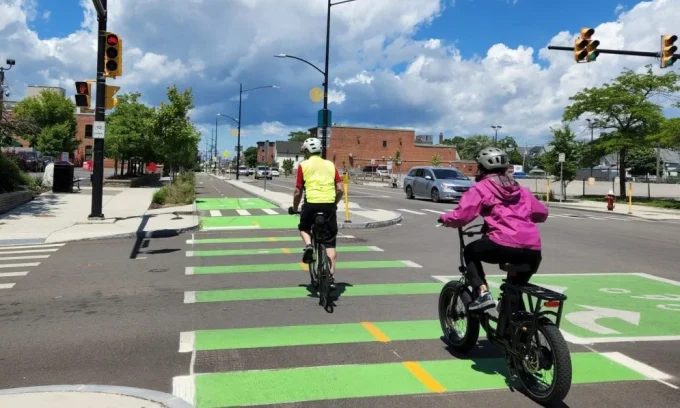
Not everyone is cheering the new requirements. John Boyle, research director for the Greater Philadelphia Bicycle Coalition and a resident of Edgewater Park, argues the legislation is overly broad. He notes that most Class 1 and 2 e‑bikes top out at 20 mph (32 km/h) and are no faster or heavier than a traditional bicycle.
“Lumping low‑speed e‑bikes together with high‑speed motorized bicycles creates unnecessary hurdles and drives up costs without addressing the real safety concerns,” Boyle said.
How the Law Affects Riders
For the average commuter, the changes mean an extra step before hitting the road. Riders will need to:
- Verify they meet the age or licensing criteria.
- Submit a registration application and pay the associated fee.
- Secure a minimum liability insurance policy.
Car owners are also required to give e‑bikes a wider berth, reduce speed when passing, and stay alert for their distinct sound and slower acceleration.
Looking Ahead
While the law is set to take effect later this year, its long‑term impact on e‑bike adoption in New Jersey remains to be seen. Proponents hope the added accountability will lower accident rates, whereas critics fear the extra bureaucracy could deter potential riders and slow the growth of sustainable transportation.
What do you think? Share your thoughts on the new regulations and how they might shape the future of electric biking in the Garden State.