
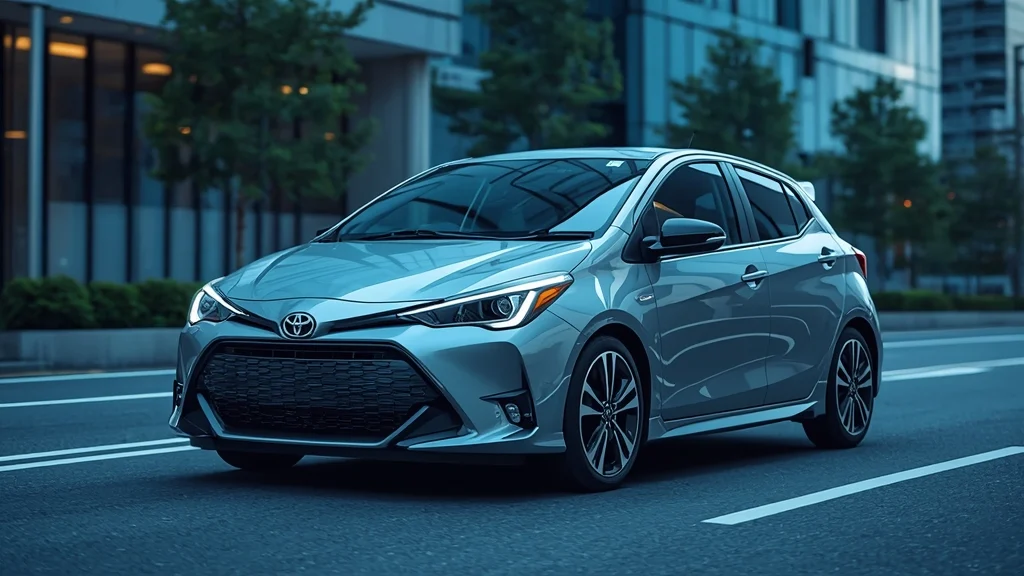
Toyota’s next-gen Yaris will feature a flexible multi-energy platform for 2028. Explore the new design, range, and specs. Read the full scoop!
Toyota is preparing a bold leap forward for one of its most beloved compacts. The next-generation Toyota Yaris, expected to debut around 2028, isn’t just getting a facelift—it’s receiving a complete strategic overhaul. In an effort to maintain its dominance in the B-segment hatchback market, Toyota is embracing a “multi-energy” approach to navigate the complex global transition toward electrification.
A Flexible “Multi-Energy” Strategy
While competitors like Volkswagen and Renault often develop separate models for internal combustion engines (ICE) and battery electric vehicles (BEV), Toyota is taking a more versatile path. The upcoming Yaris will utilize a flexible chassis architecture, similar to the strategy employed for the next-generation Corolla.
This innovative architecture allows a single model line to support three distinct powertrains:
- Internal Combustion Engine (ICE): For traditional petrol preference.
- Hybrid: Continuing Toyota’s legacy of efficiency.
- Battery Electric (BEV): For the zero-emission future.
By using a shared platform, Toyota ensures a consistent design language, interior quality, and brand identity across all variants, regardless of what is under the hood.
Performance and Efficiency Targets
Toyota isn’t just offering choices; they are aiming for competitiveness. The all-electric variant is targeted to achieve a range of approximately 400 km, positioning it as a direct rival to the Renault 5 and the Volkswagen ID. Polo.
For those opting for the hybrid version, the goal is to either maintain or surpass the current industry-leading fuel economy, which already sits at an impressive 3.5 liters per 100 km (combined cycle).
A Shift Toward Futuristic, Premium Design
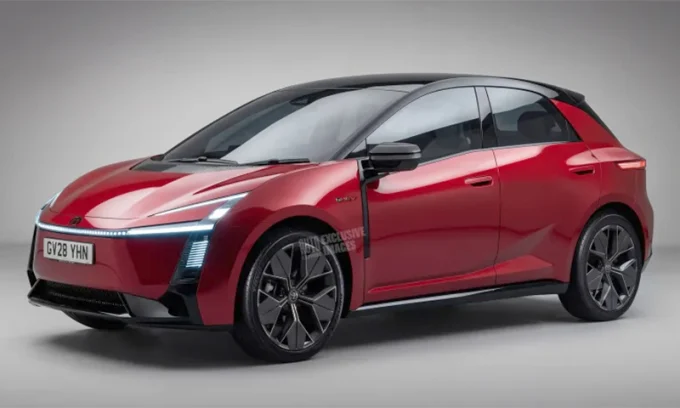
Visually, the next-gen Yaris is expected to shed its softer, rounded edges in favor of a sharper, more aggressive aesthetic. The design direction is leaning toward a “technical” and futuristic look while retaining the classic B-segment proportions: a short hood and a compact rear overhang.
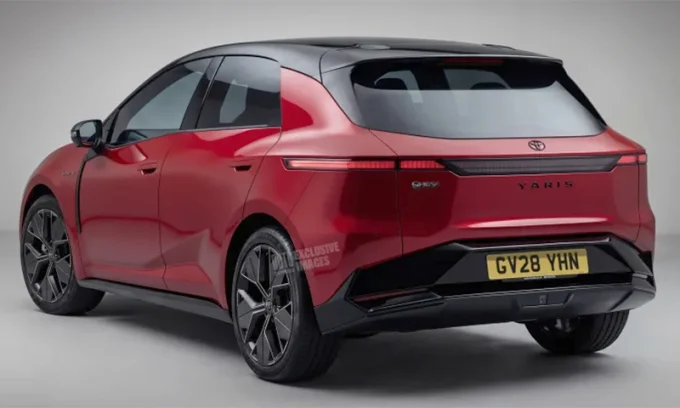
Key design highlights include:
- Retro-modern headlights that blend classic style with new tech.
- A streamlined single grille for a cleaner front fascia.
- Lowered window lines at the front to enhance driver visibility and create a more spacious cabin feel.
Toyota’s goal is clear: they want the Yaris to be perceived as a premium compact vehicle rather than just an entry-level budget car.
Digital Interior and a Hint of Racing DNA
Inside, the Yaris is undergoing a digital revolution. The current complex dashboard will be replaced by a minimalist layout featuring floating screens and a cleaner interface. Interestingly, Toyota is bringing back the clever storage solutions that made the original Yaris a hit with practical city dwellers.
Under the hood, rumors suggest Toyota is developing a 1.3-liter turbocharged 3-cylinder engine. This powerhouse is expected to serve as the foundation for a new “hothatch” variant, potentially bridging the gap to the brand’s commercial Rally4 racing programs.
When Can We Expect It?
Typically, Toyota operates on a seven-year replacement cycle, which would point to a 2027 launch. However, due to the complexity of implementing this entirely new multi-energy architecture, the official debut is now expected to slide into 2028.
By offering a diverse range of powertrains, Toyota is playing a smart game—ensuring they can meet the rapid EV adoption in markets like the UK and Europe while still catering to regions where hybrid and petrol engines remain essential.