
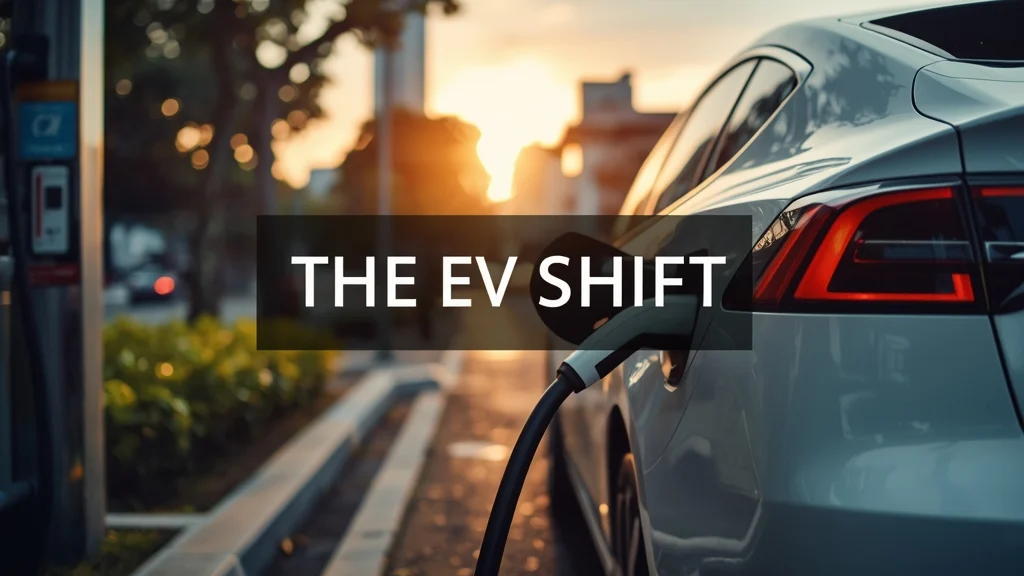
The Philippines is phasing out gas-powered car incentives to accelerate the shift toward electric vehicles. Explore the new EVIS strategy here.
In a decisive move toward a greener future, the Philippines is officially pivoting its automotive strategy. Amidst global energy volatility triggered by conflicts in the Middle East, the Philippine government has announced the cancellation of billions of pesos in incentives previously granted to major automakers like Toyota and Mitsubishi.
Phasing Out the ICE Era
For years, the Philippine government focused on bolstering its domestic production of Internal Combustion Engine (ICE) vehicles. However, the Department of Trade and Industry (DTI) announced on April 9 that this era is coming to an end.
Trade Minister Ma. Cristina A. Roque confirmed that the government is terminating the Comprehensive Automotive Resurgence Strategy (CARS) and its successor initiatives, including the Revitalising the Automotive Industry for Competitiveness Enhancement (RACE) program.
The Cost of Tradition
Since its inception in 2015, the CARS program has utilized approximately 27 billion pesos (roughly $450 million) in government funds. These subsidies were designed to support the local production of popular models, such as the Toyota Vios and Mitsubishi Mirage, with the goal of enhancing domestic manufacturing capabilities.
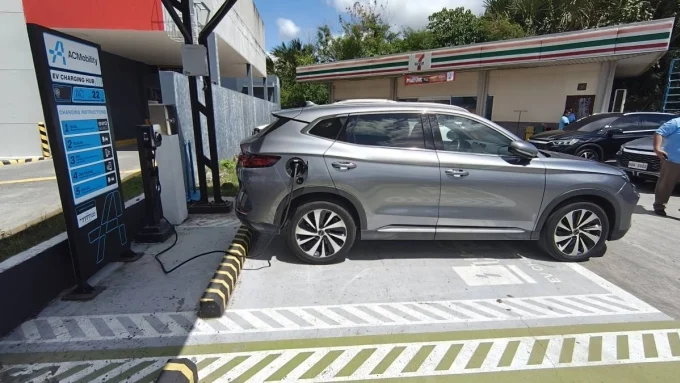
Despite these investments, the program was increasingly viewed as a costly effort to sustain a declining industry. Moreover, policymakers realized that while the Philippines focused on traditional engines, neighboring competitors—including Vietnam, China, and India—along with European nations, were rapidly accelerating their transition to electric mobility.
Accelerating the Electric Vehicle Transition
Under the administration of President Ferdinand Marcos Jr., the Philippines is now fast-tracking the Electric Vehicle Incentive Strategy (EVIS). This new framework is designed to attract global EV manufacturers through a comprehensive package of financial and non-financial incentives.
According to Minister Roque, this strategic shift is a direct response to changing global demands and the rising cost of fossil fuels. “Since the CARS program has concluded, we are transitioning to EVIS to drive the shift toward electric vehicles,” she stated.
A New Vision for Sustainable Transport
While the automotive industry initially welcomed the funding provided by CARS, the new direction signals a more forward-thinking approach. By prioritizing electric vehicles, the Philippines aims to:
- Reduce Carbon Emissions: Aligning with global climate goals to lower the transport sector’s carbon footprint.
- Enhance Energy Security: Reducing reliance on imported fuels and mitigating the impact of global oil price shocks.
- Boost Technological Innovation: Positioning the country as a competitive hub for next-generation automotive technology in Southeast Asia.
This transition marks a pivotal moment for the Philippine automotive landscape, trading the legacy of the combustion engine for a sustainable, high-tech future.