
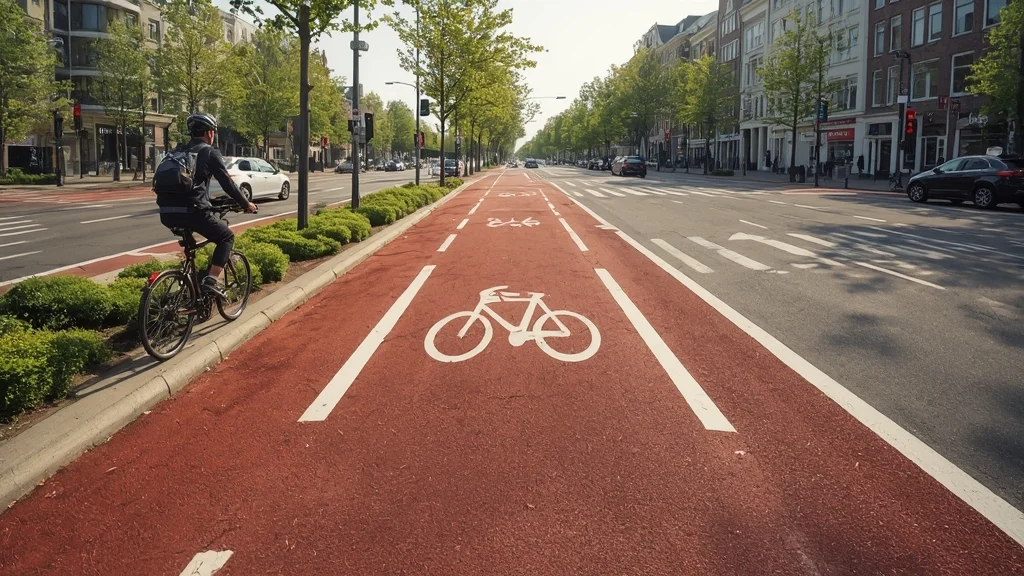
Explore how leading cities worldwide design safe bike lanes with dedicated space, high‑traction surfaces, and smart intersections. Learn more today!
For decades, major cities across Europe and North America have treated bicycles as a core component of urban mobility. By carving out dedicated bike lanes, they not only promote eco‑friendly transport but also slash crash rates and improve overall traffic flow.
Separate Paths from Motor Traffic
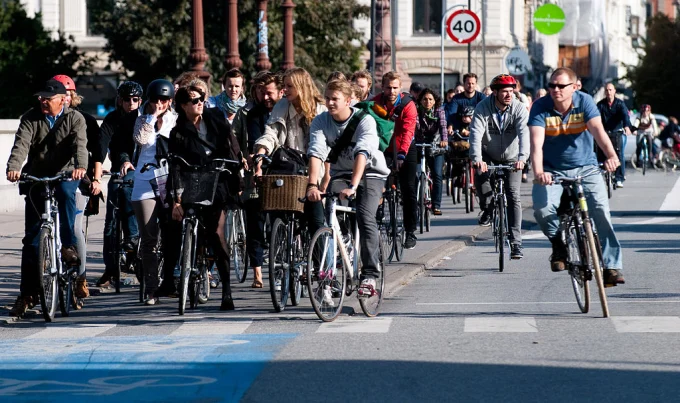
In cycling‑friendly countries such as the Netherlands and Denmark, bike lanes are more than painted lines—they’re physically separated from car traffic. In Dutch cities, the network spans hundreds of kilometres and is buffered by sidewalks, greenery, or low‑profile barriers that keep cyclists apart from motorists.
Copenhagen takes a similar approach, placing bike lanes on both sides of major streets. These lanes are typically 2.2–2.5 metres wide and are edged with a hard curb that creates a clear, tactile border between bikes and cars, dramatically lowering the chance of side‑swipes.
Surface Materials Matter
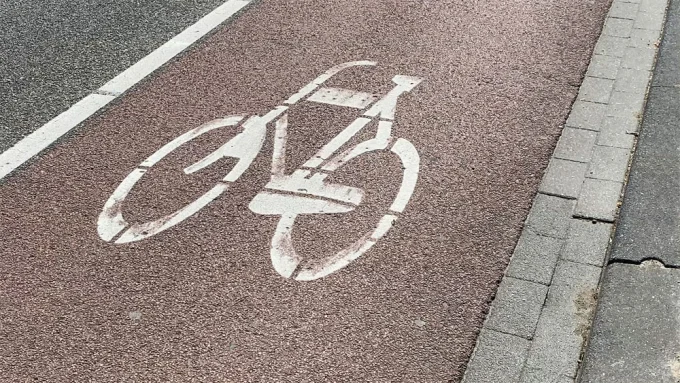
Another hallmark of world‑class bike lanes is the use of high‑traction paving. Cities like Amsterdam, Copenhagen, and many U.S. municipalities favor textured asphalt or colored concrete for the riding surface, providing reliable grip in dry and wet conditions. Paint is reserved for lane markings only.
When paint is applied to the entire lane, it is mixed with fine aggregate or anti‑slip beads to boost friction. European design guidelines explicitly call for roughened surfaces, ensuring that cyclists can brake and corner safely without sudden skids.
Smart Intersection Design
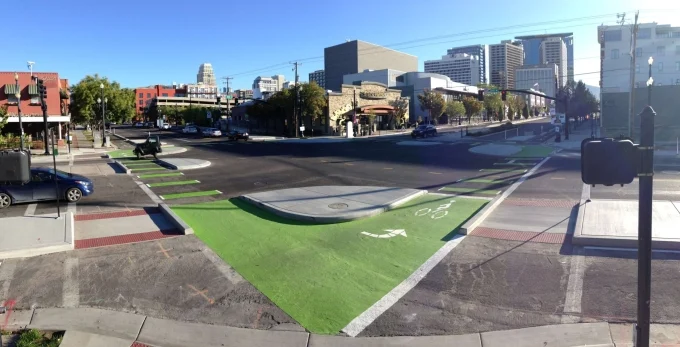
Intersections are the most hazardous points for cyclists, where bike, motor, and car flows converge. Rather than forcing cyclists to merge with traffic, progressive cities channel bike lanes straight through junctions using clear striping, contrasting colours, and signage that predict movement patterns for all users.
At busy crossings, many locales install dedicated bike traffic lights or a “bike box”—a waiting area positioned ahead of motor vehicles. This lets cyclists position themselves visibly and launch ahead when the signal turns green, reducing conflict with turning cars.
Additional safety features include traffic islands, raised curbs, or low‑profile sidewalks that force motor vehicles to narrow their path before reaching a bike lane. These measures control speed and give drivers more time to see and yield to cyclists.
Global Best Practices in a Nutshell
- Physical separation: Use curbs, planters, or raised edges instead of mere paint.
- High‑traction surfaces: Opt for textured asphalt, colored concrete, or anti‑slip coated paint.
- Consistent width: Provide at least 2.2 m of clear space for two‑way bike traffic on major routes.
- Clear intersection cues: Incorporate bike‑specific signals, bike boxes, and advance striping.
- Speed‑calming before crossings: Install islands or raised crossings to force motor traffic to slow down.
By adopting these principles, cities worldwide are turning the bicycle from a risky pastime into a safe, efficient, and attractive travel option.