
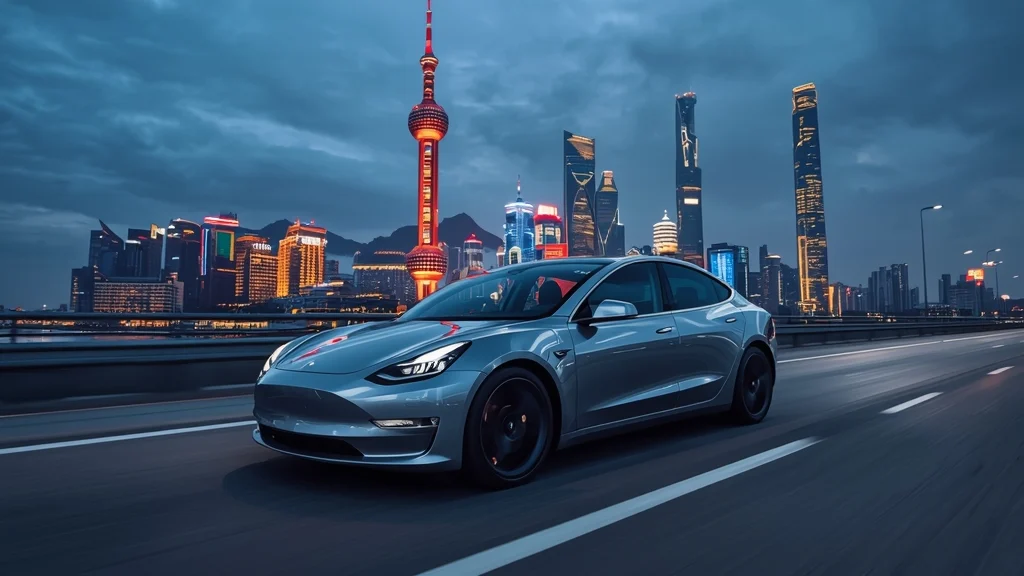
Tesla’s China sales jump 36% as the EV giant battles domestic rivals. Discover how Giga Shanghai is driving the recovery. Read the full analysis!
Tesla is showing strong signs of resilience in one of its most critical markets. In April 2026, sales of Tesla electric vehicles (EVs) produced in China surged by 36%, marking the sixth consecutive month of growth for the American automaker.
Giga Shanghai Drives Significant Volume
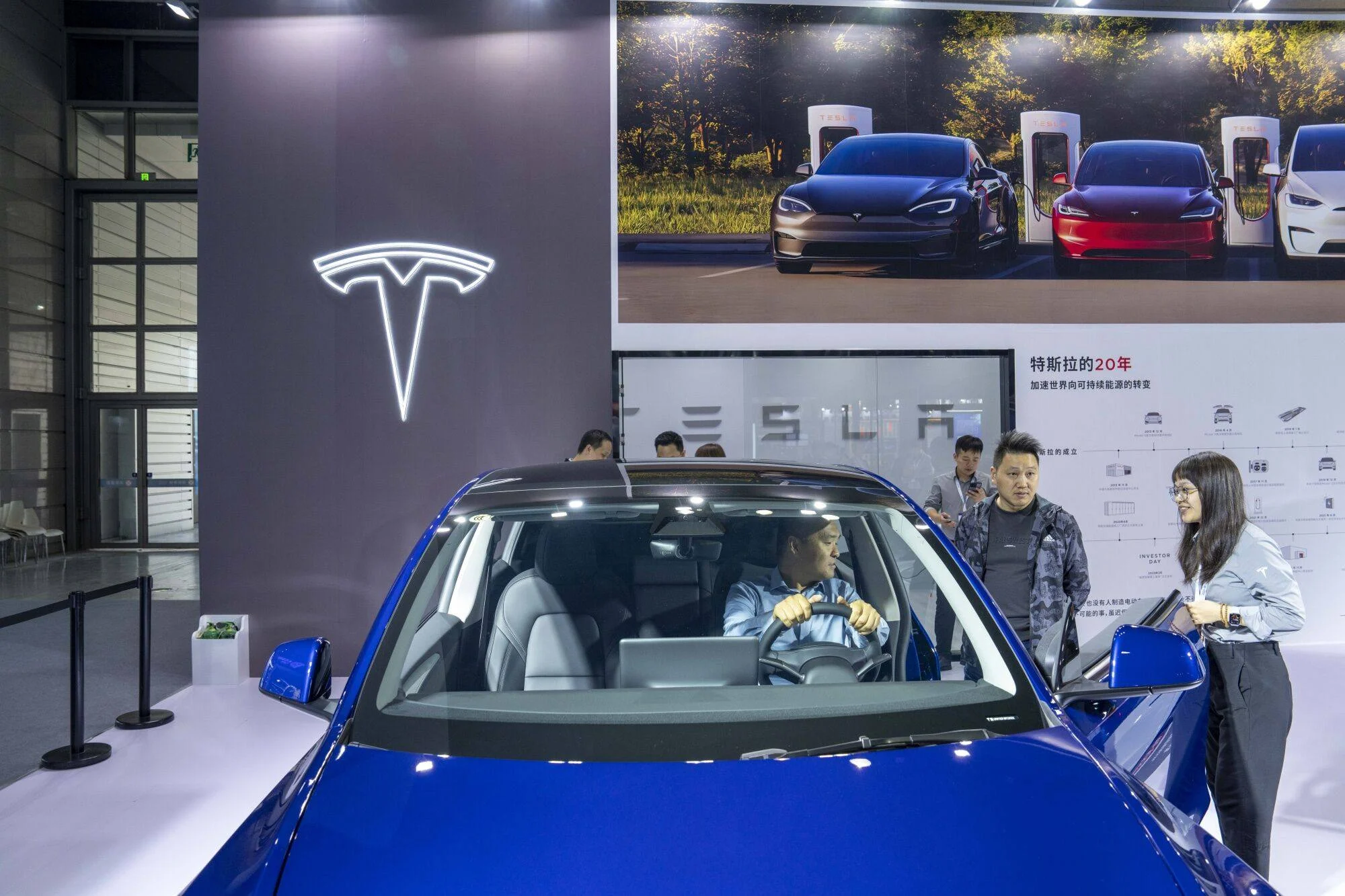
According to data from the China Passenger Car Association (CPCA), the Tesla Model 3 and Model Y shipped from the Gigafactory Shanghai—including units destined for Europe and other international markets—reached 79,478 vehicles in April 2026.
While this figure represents a slight month-over-month dip of 7.2% compared to March 2026, the year-over-year growth is substantial. This upward trajectory suggests that Tesla is successfully stabilizing its presence in its two most vital markets outside the United States after a challenging period of market share erosion.
The Battle Against Domestic Rivals
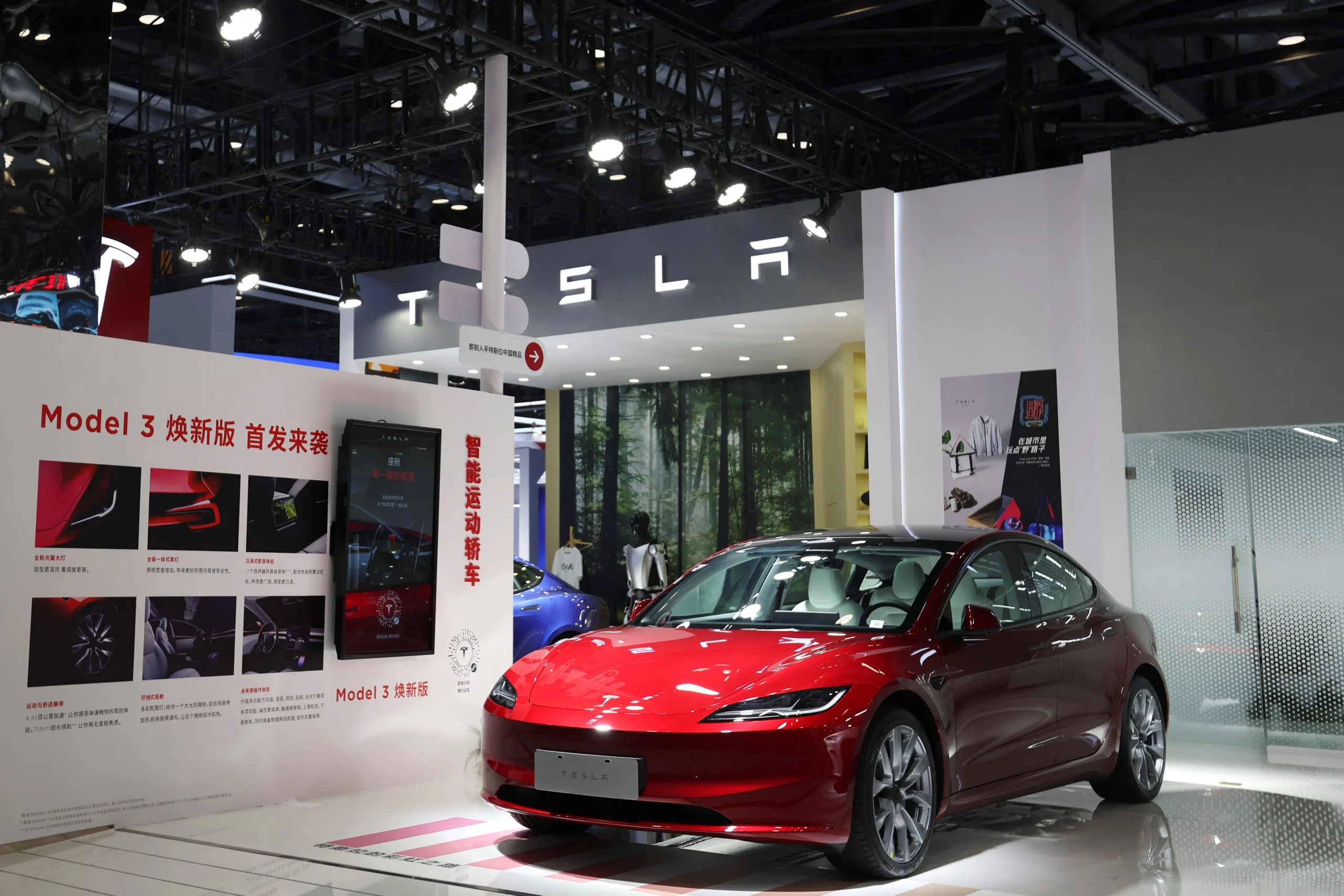
Despite the positive numbers, Tesla is operating in an increasingly hostile environment. The company faces relentless pressure from Chinese domestic EV manufacturers who are leveraging aggressive pricing strategies to attract budget-conscious consumers.
To maintain its edge, Tesla is reportedly accelerating the development of a new, affordable small SUV to be produced in China. This strategic pivot aims to capture the entry-level segment and protect its market share from low-cost local competitors.
European Recovery and Global Headwinds
The recovery isn’t limited to Asia. In Europe, Tesla saw improved sales performance last month in key markets, including France, Sweden, and Denmark. This resurgence has been partially fueled by rising oil prices—driven by geopolitical tensions between the U.S. and Iran—which has pushed more consumers toward pure electric alternatives.
The FSD Hurdle: Regulatory Roadblocks
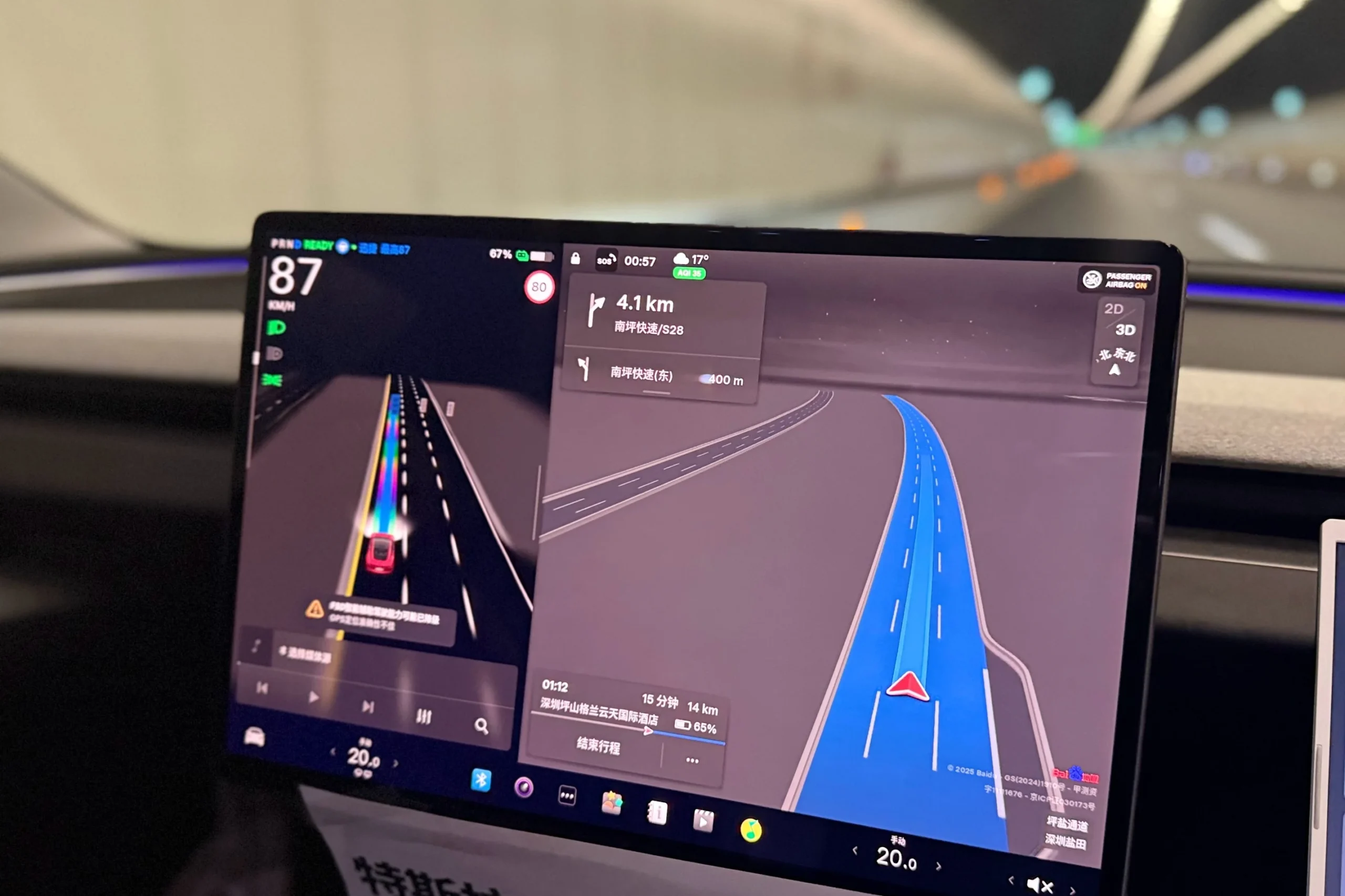
However, the road to total dominance is hindered by regulatory challenges surrounding Tesla’s Full Self-Driving (FSD) software. While highly anticipated by consumers, particularly in China, official approval remains elusive.
- In China: CFO Vaibhav Taneja indicated in April that the company now expects full FSD licensing by the third quarter of 2026, a significant delay from the original first-quarter goal.
- In Europe: The outlook is equally complex. Internal emails obtained by Reuters suggest that European regulators remain skeptical of the technology’s safety and implementation.
Having lost nearly half of its European market share in 2025, Tesla is now fighting a two-front war: overcoming strict regulatory frameworks while simultaneously innovating its product lineup to stay competitive against a new generation of global EV challengers.