
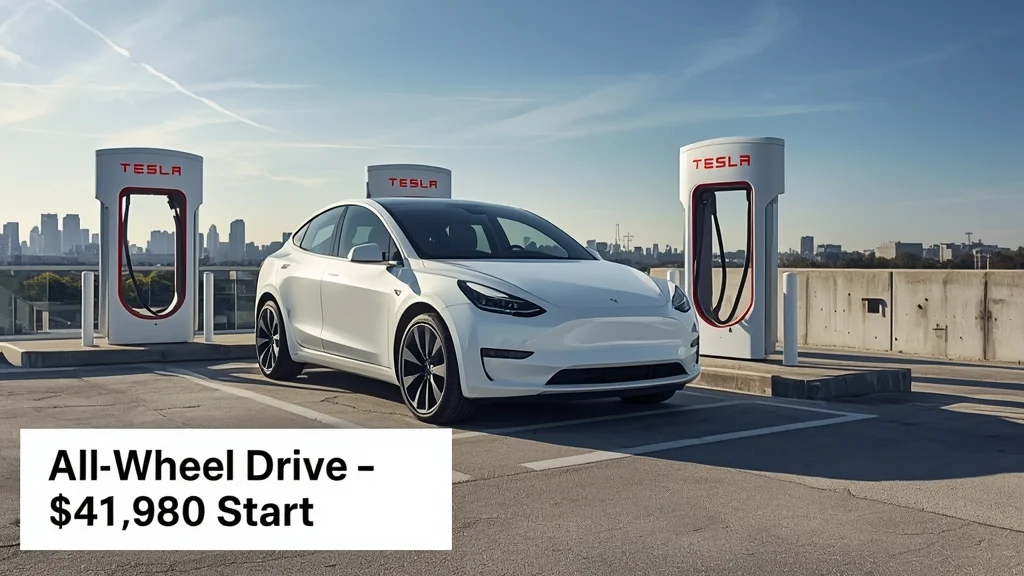
Tesla launches a $41,990 AWD Model Y in the U.S., giving more power at a budget‑friendly price. Check specs, pricing and impact for EV buyers. Read more now!
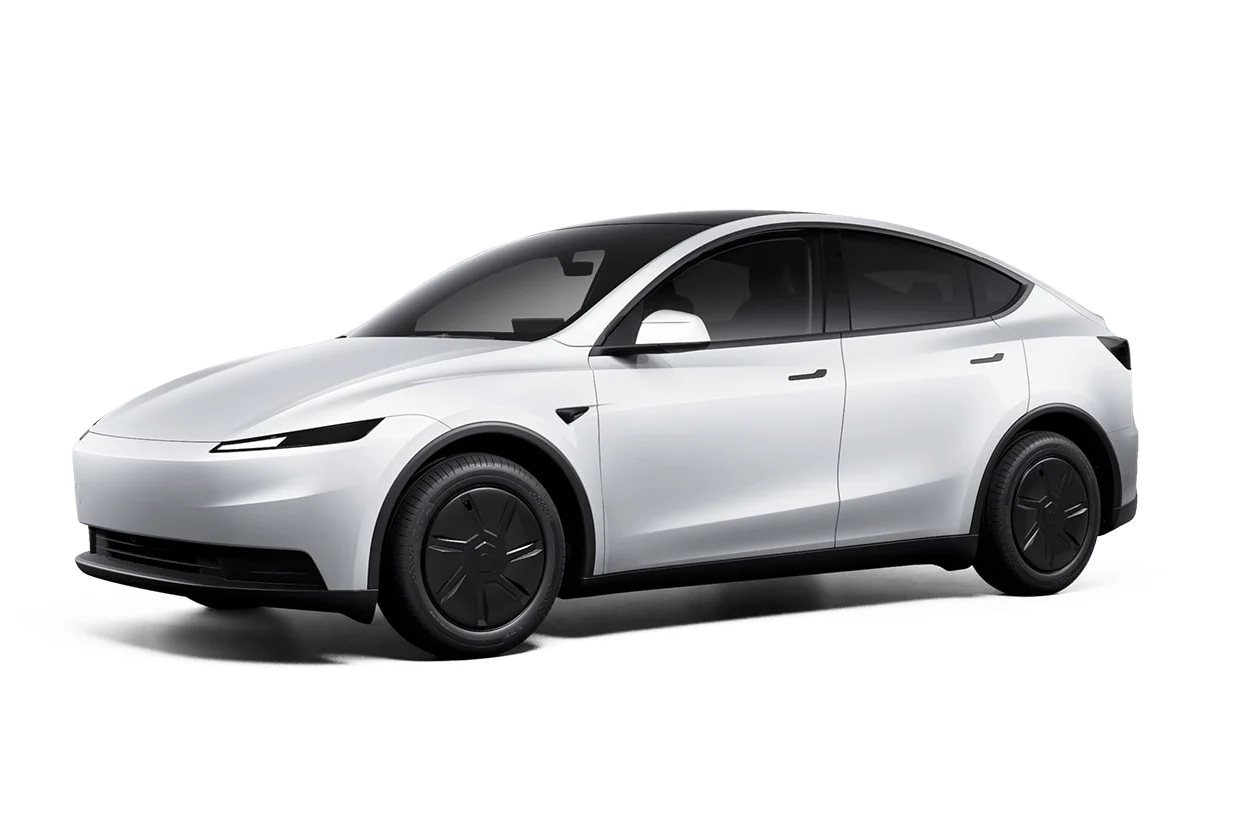
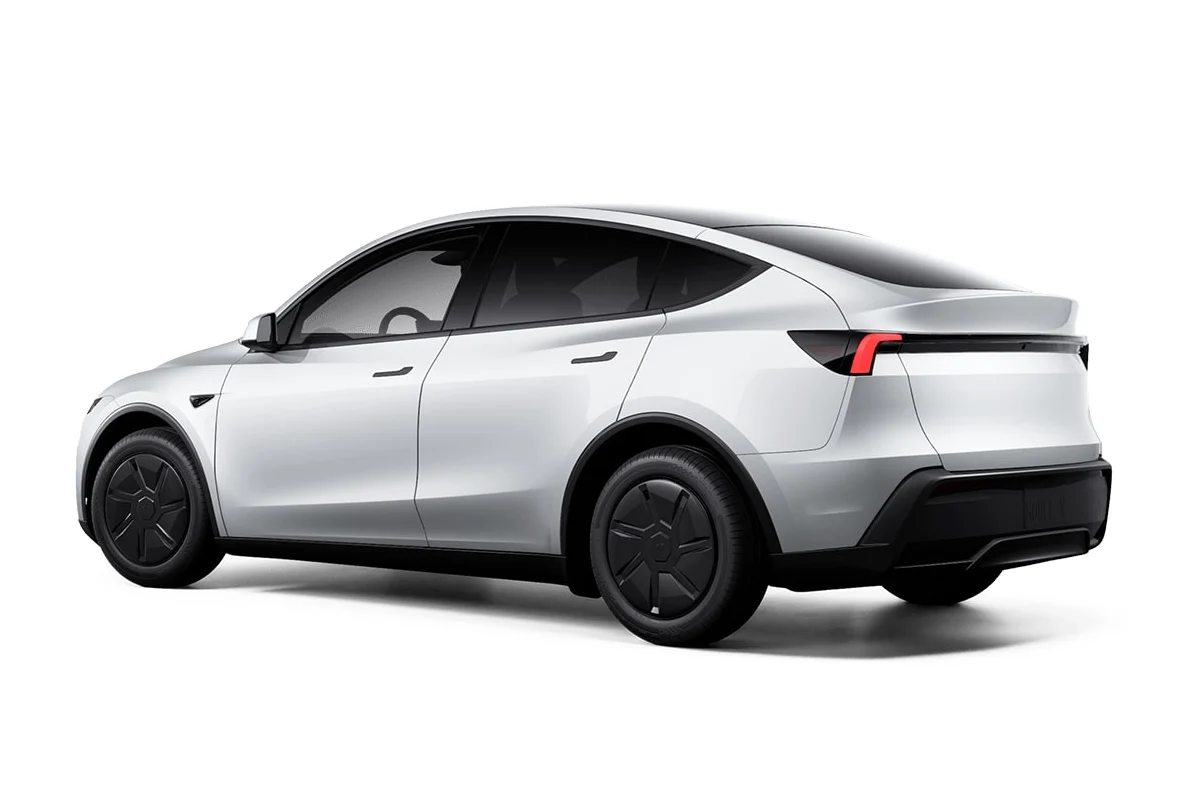
Elon Musk’s electric‑vehicle giant has just announced a new trim of its popular Model Y crossover – the all‑wheel‑drive (AWD) version – priced at $41,990 in the United States.
Where the AWD Model Y fits
The $41,990 AWD model sits above the rear‑wheel‑drive “Standard” version that debuted last year, but remains well below the premium trims that top out above $57,000. It’s part of Tesla’s broader “budget‑EV” push that began in October 2025 when the company rolled out lower‑priced Standard variants of the Model Y and Model 3, shaving roughly $5,000 off the sticker price of each.
Key specifications
- Permanent four‑wheel drive, delivering 0‑60 mph in 4.6 seconds – about 2.2 seconds quicker than the Standard RWD.
- Range of 473 km (294 miles) per charge, compared with 517 km for the Standard model.
- After a 15‑minute Supercharger boost, an additional 245 km (152 miles) of range is added.
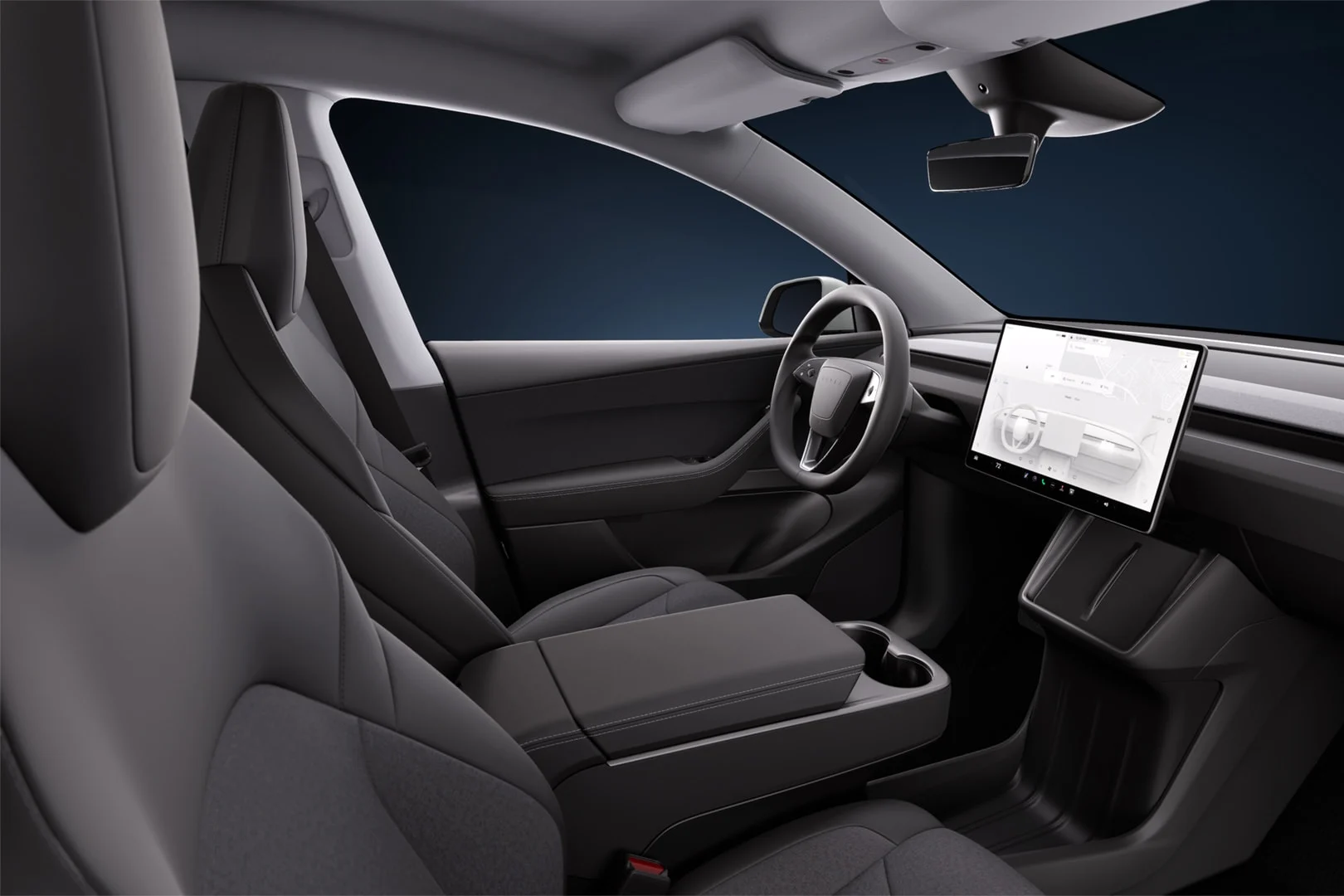
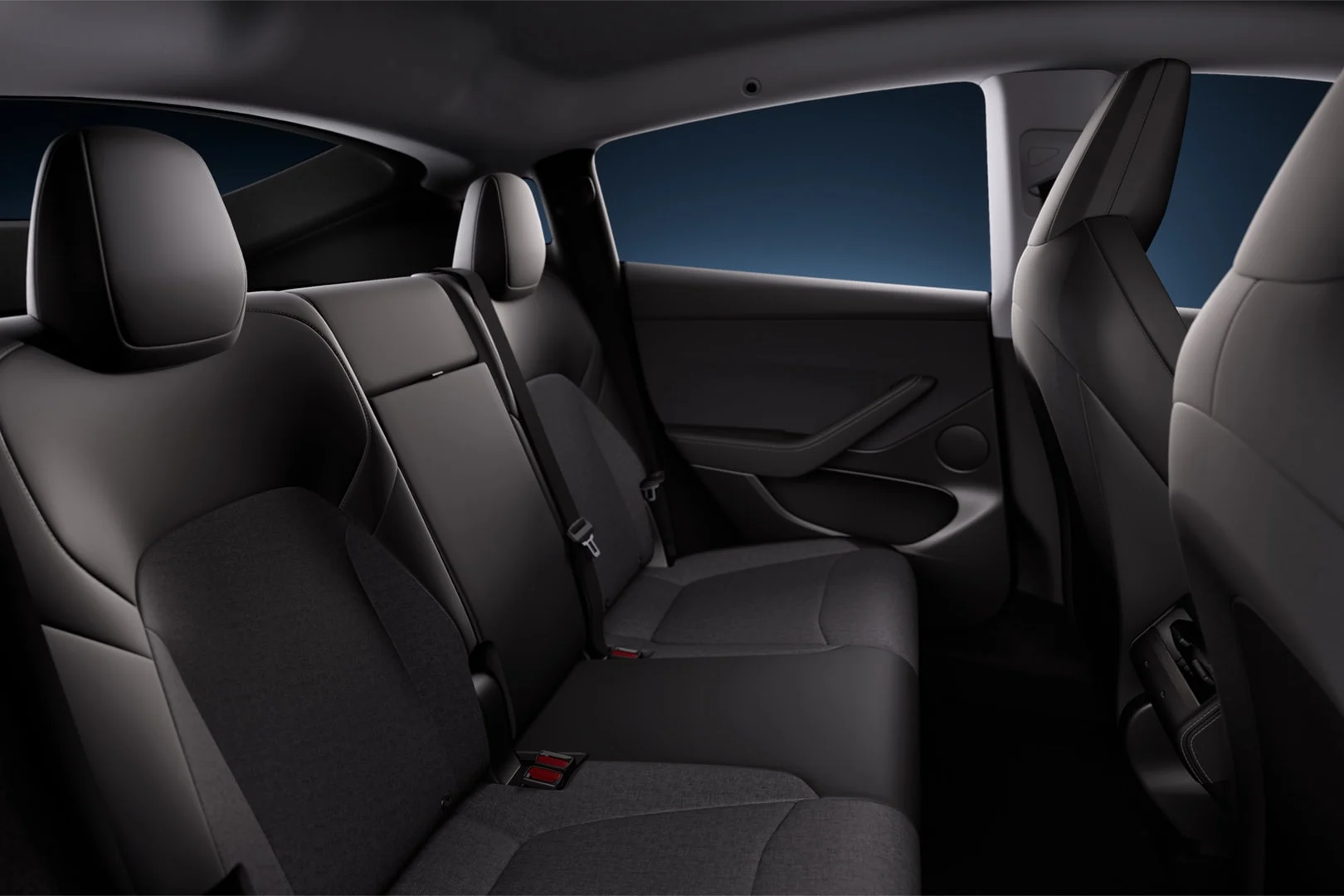
- Standard equipment includes a 7‑speaker audio system, 18‑inch “Aperture” wheels or optional 19‑inch “Crossflow” wheels, basic 8‑inch infotainment screen, manual steering column, and cloth‑like interior upholstery.
- Exterior paint limited to Stealth Grey, Pearl White Multi‑Coat, or Diamond Black.
Pricing lineup
The base AWD trim starts at $41,990, $2,000 more than the Standard RWD. Higher‑end versions are also available:
- Premium RWD – $44,990
- Premium AWD – $48,990
- Model Y Performance – $57,490
Strategic significance
By introducing a cheaper, yet more capable, Model Y, Tesla aims to attract price‑sensitive buyers ahead of any new, mass‑market EV launches. In the U.S., the Standard models have already narrowed the gap between Tesla’s pricing and the pre‑tax‑credit era, offering a more realistic cost of ownership for consumers.
Globally, a $5,000 price cut is seen as a clear stimulus in increasingly competitive markets. The overall EV sector has cooled since September 2025, when the Trump administration ended the $7,500 federal tax credit for electric cars. Tesla now faces amplified competition and pressure on profit margins, especially as its low‑cost models grow in share.
Looking ahead
Analysts warn that expanding the low‑price portfolio could compress Tesla’s margins unless the company offsets costs through production efficiencies or higher‑margin software and services revenue. Meanwhile, CEO Elon Musk has signaled a shift in factory utilization, planning to cease production of the Model S and Model X at the California plant in favor of building the humanoid robot Optimus.
These moves suggest Tesla is reallocating resources toward areas it believes will drive the next wave of growth, while still keeping an eye on maintaining a compelling price point for its flagship crossover.