
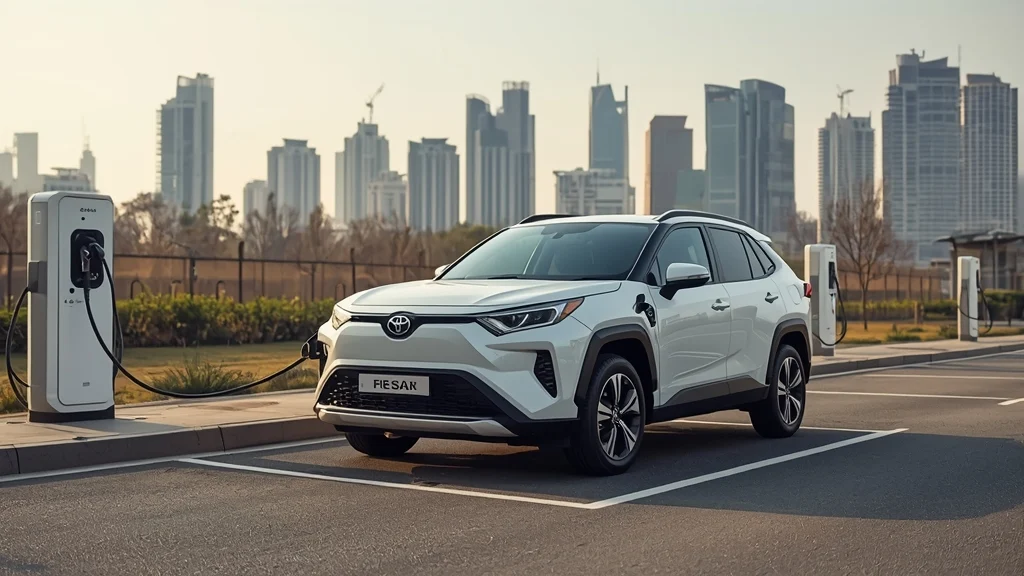
Toyota has entered India’s booming electric vehicle market with the Urban Cruiser Ebella, its first home‑grown EV SUV. Discover specs, pricing and impact on the EV race – read more now!
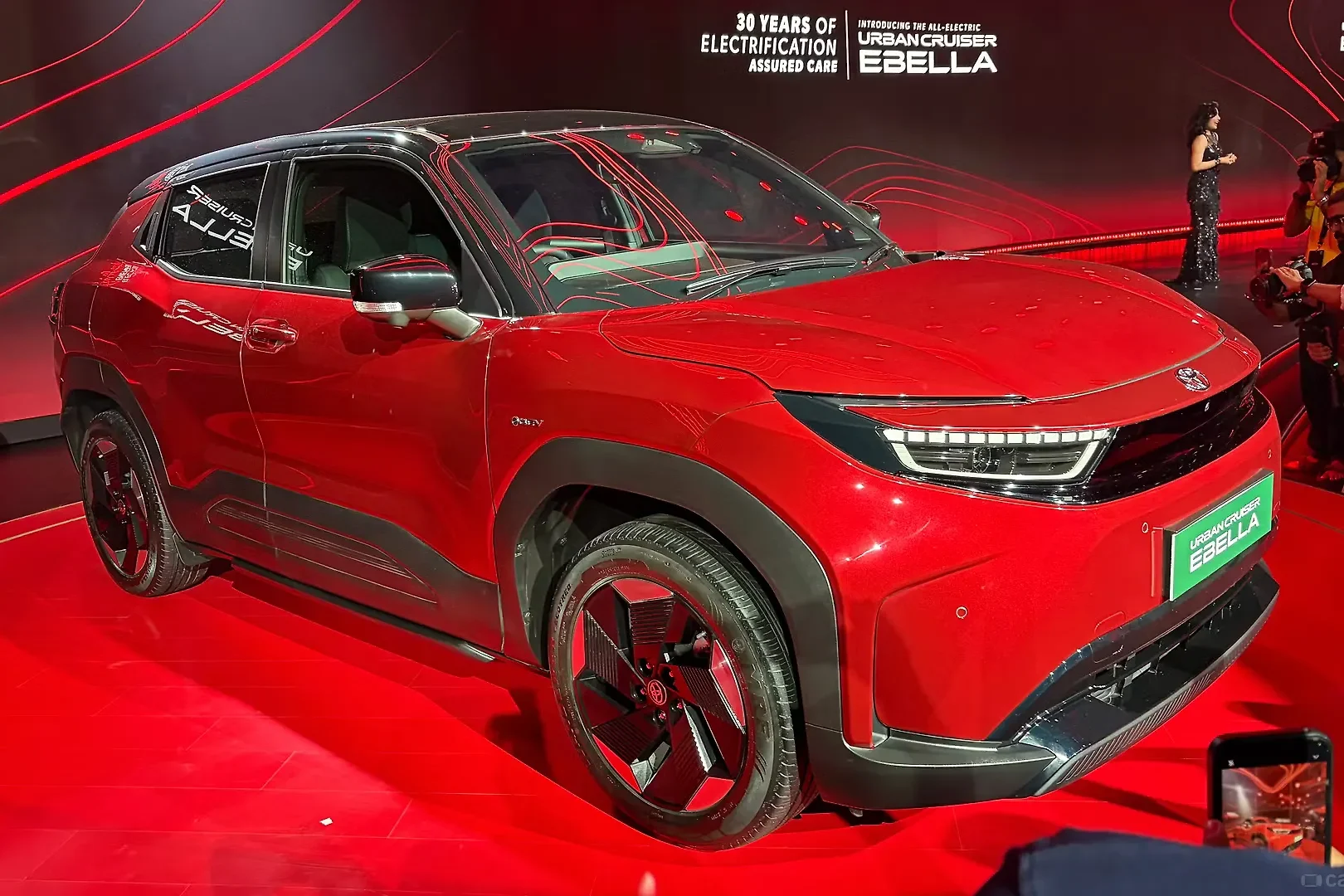
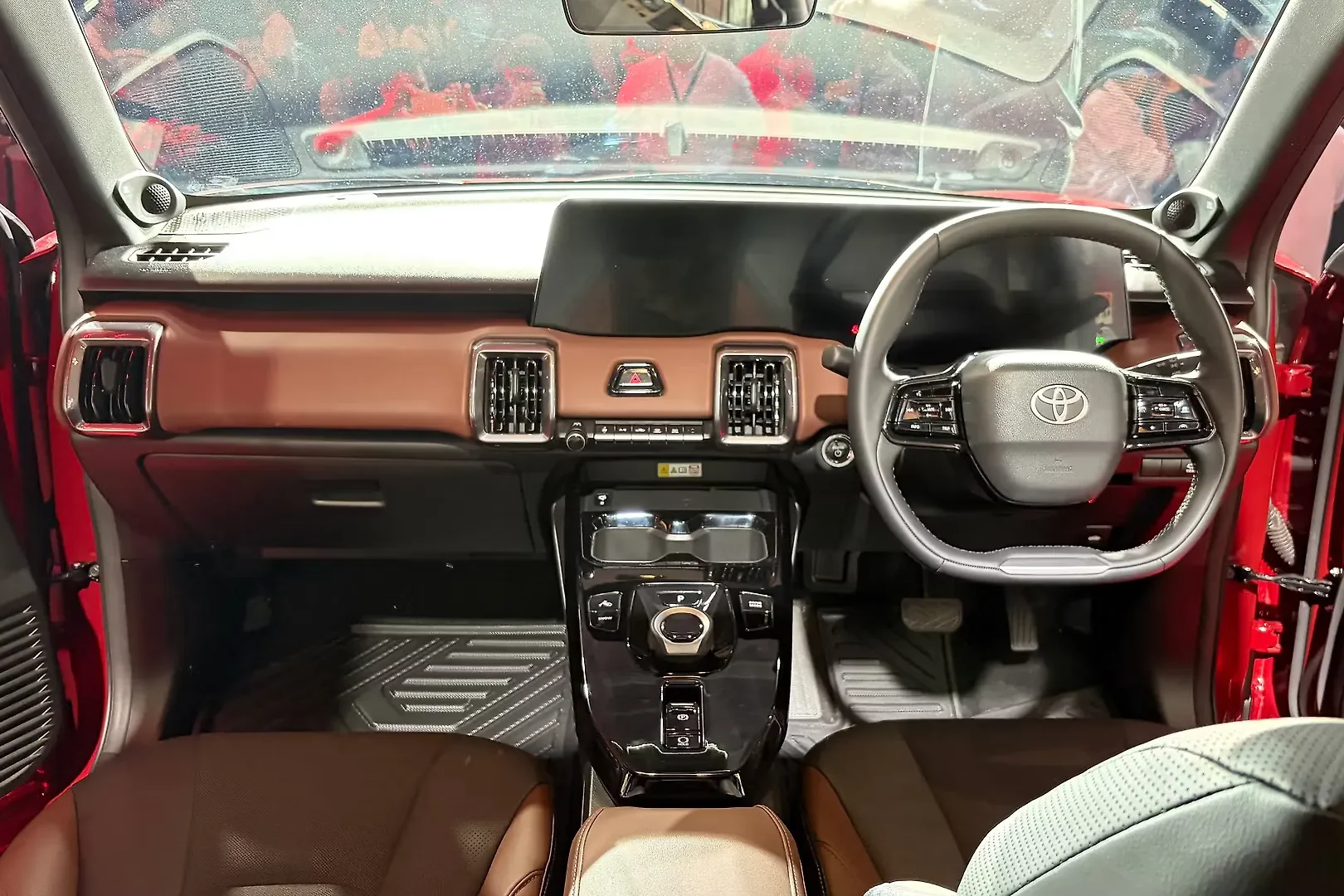
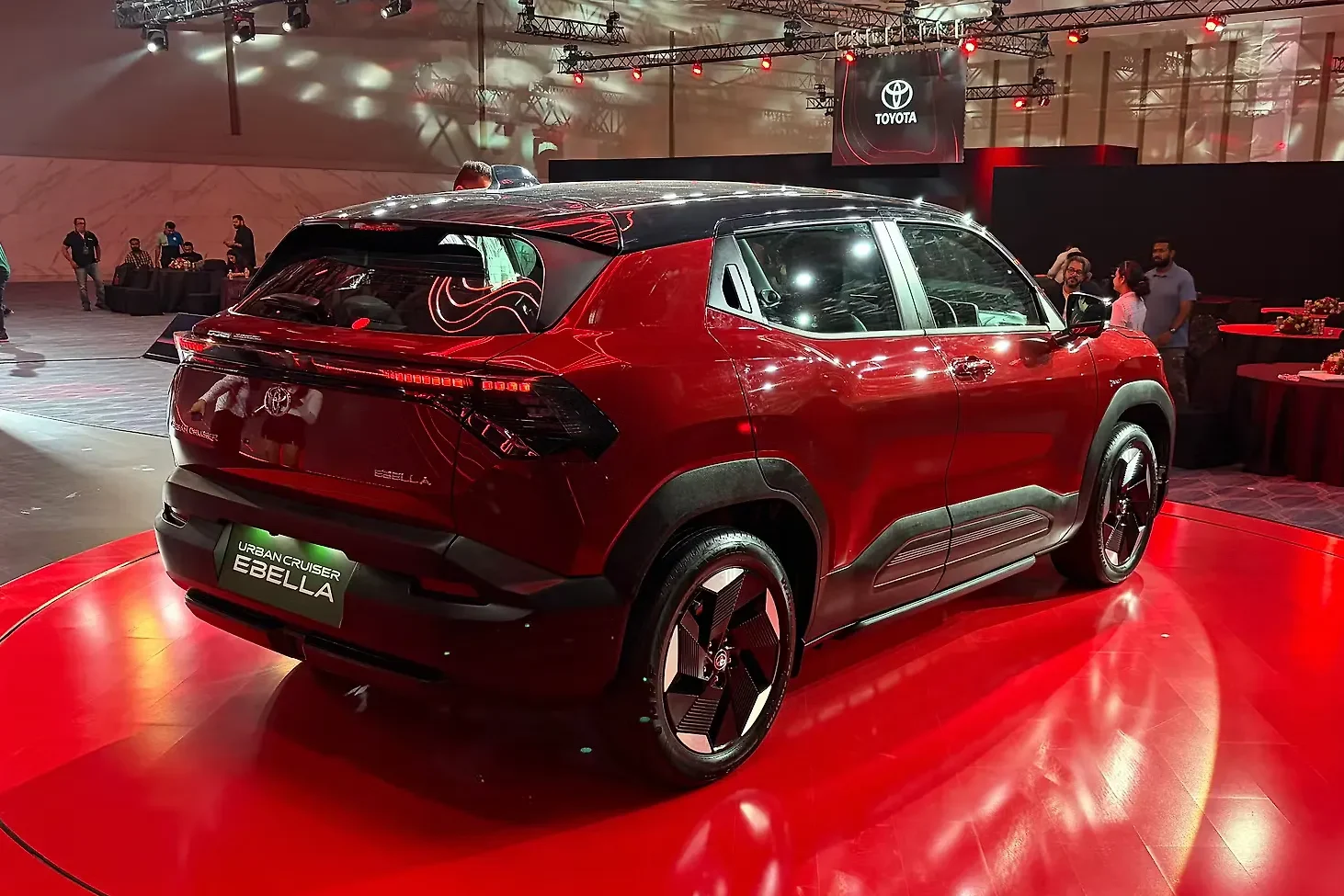
In a move that could reshape the rapidly evolving electric‑vehicle (EV) landscape of the world’s third‑largest auto market, Toyota has unveiled its first India‑specific electric SUV – the Urban Cruiser Ebella. The model marks Toyota’s official entry into the Indian EV segment and signals a fresh wave of competition among both domestic and international manufacturers.
Why India Matters for EVs
India’s EV market has been gaining momentum, with the share of electric cars in total passenger‑vehicle sales climbing from a marginal 0.1% in 2019 to an estimated 4.6% by 2025, according to JATO Dynamics. Rising consumer incomes, stricter emissions policies, and government incentives are driving demand, while a growing network of charging stations – though still limited – is gradually easing range‑anxiety concerns.
The Urban Cruiser Ebella: Specs and Positioning
- Three trim levels – catering to a wide price range.
- Range: up to 543 km on a single charge, comparable with rival models from Tata Motors and MG Motor.
- Launch timeline: bookings have opened, and deliveries are slated for 2026.
- Unique touches: distinct exterior styling, a tuned audio system, and seamless integration with Toyota’s mobile app for remote monitoring and charging.
- After‑sales promise: an eight‑year warranty and a nationwide service network of more than 500 centres equipped to handle EV maintenance.
A Strategic Partnership with Suzuki
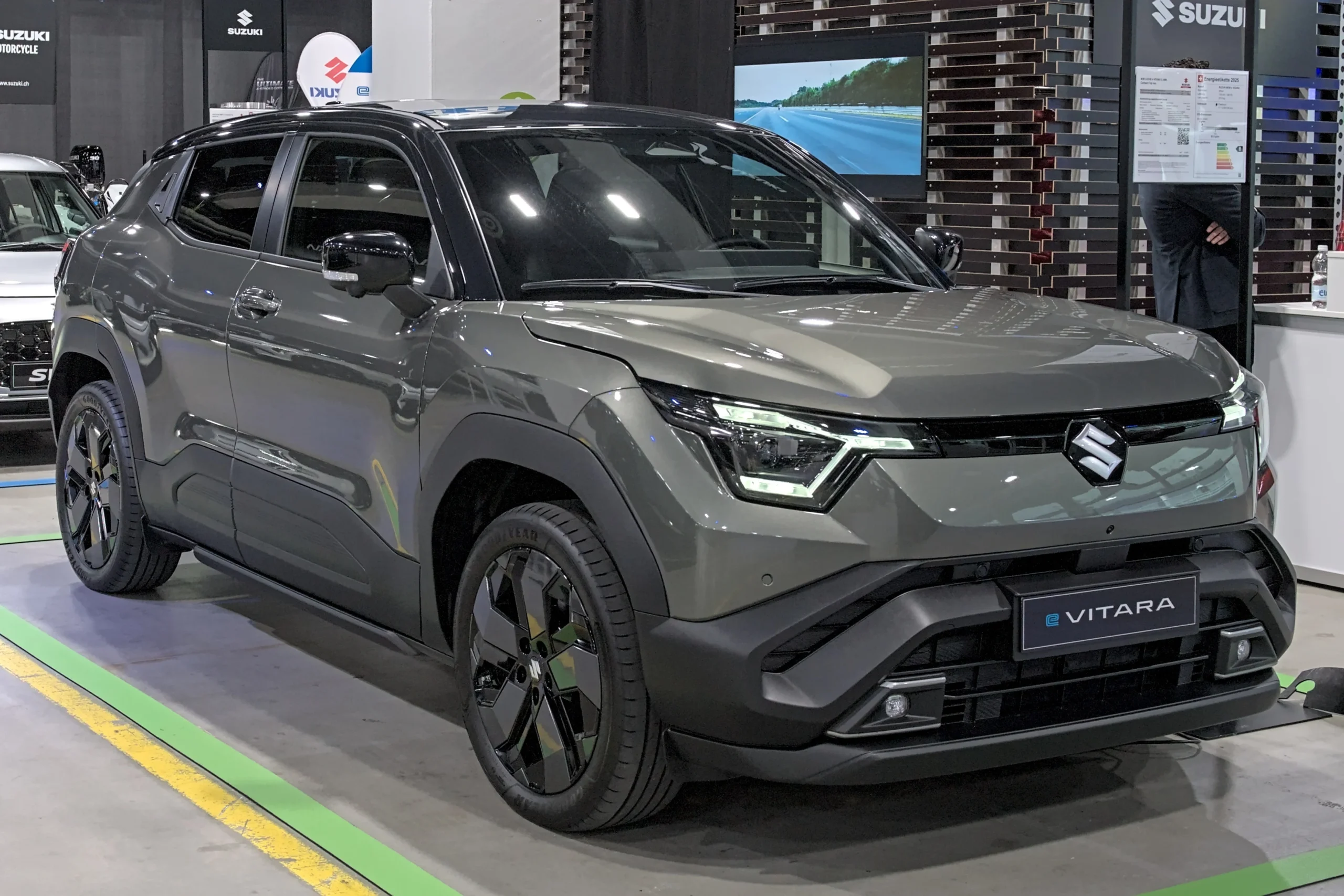
The Ebella rides on a platform shared with Suzuki’s e‑Vitara – the first EV released by Maruti Suzuki last year. While the two automakers have a long history of collaboration on internal‑combustion models, this is their inaugural joint effort on an electric platform. Toyota says the partnership allows it to combine Suzuki’s cost‑effective manufacturing and extensive distribution network with Toyota’s global EV technology and quality standards.
Competing in a Crowded Segment
Toyota currently ranks fifth in overall passenger‑vehicle sales in India, behind Tata Motors, Mahindra & Mahindra, Hyundai and Maruti Suzuki. Entering the EV arena puts the Japanese automaker head‑to‑head with established players like Tata’s Nexon EV, MG’s ZS EV, and the upcoming launches from BYD and Tesla, all vying for a slice of the market that still has limited charging infrastructure.
Infrastructure and Charging Partnerships
Recognising that a robust charging network is critical, Toyota has teamed up with energy firms Jio‑BP and ChargeZone to expand public charging points across the country. These collaborations aim to mitigate the current bottleneck of scarce fast‑charging stations, especially in tier‑2 and tier‑3 cities.
Investment Blueprint for India
Beyond the Ebella, Toyota announced a major capital outlay in India:
- More than ₹70 billion (≈ $770 million) to upgrade its existing plant in Karnataka.
- A new manufacturing facility in Maharashtra with an investment exceeding ₹200 billion (≈ $2.2 billion).
- Maruti Suzuki is expected to inject around ₹350 billion (≈ $3.8‑$4 billion) into a new Gujarat plant, reinforcing the joint production capacity for EVs.
These investments underscore a long‑term vision: not just to sell vehicles, but to build a full‑stack EV ecosystem – from production to charging and service.
Executive Insight
“We are not racing against time; we are racing against relevance,” says Tadashi Asazuma, Executive Vice President of Toyota India. “Our approach mirrors that of Maruti Suzuki – we tailor solutions to each market’s unique needs. In India, the EV segment is still in its infancy, and we are poised to grow with it.”
Looking Ahead
The Urban Cruiser Ebella will be produced in Gujarat’s Maruti Suzuki plant and is slated for export to European markets, positioning India as a new hub for Toyota’s global EV supply chain. As the Indian government continues to push for higher EV adoption, the coming years will likely see intensified competition, further infrastructure roll‑out, and expanding consumer choice.
Toyota’s entry with the Ebella demonstrates that the EV battle in India is no longer just about who launches first – it’s about who can deliver a compelling product, robust after‑sales support, and a reliable charging experience. The race is on, and the road ahead looks electrifying.